
PCMA is the national association representing America’s pharmacy benefit managers (PBMs). PBMs are working every day to secure savings, enable better health out
Washington, DC
Joined January 2009
- Tweets5.8K
- Following1.6K
- Followers3.7K
- Likes5
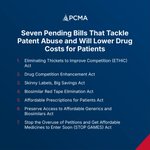



Big Pharma’s patent abuse blocks competition and keeps drug costs high.
Thank you to the bipartisan lawmakers standing up to Big Pharma and advancing bills that will bring more generics and biosimilars to market.
@SenPeterWelch @HawleyMO @SenAmyKlobuchar @RepArrington @RepLloydDoggett @repdarrellissa @RepPfluger @RepJayapal @JohnCornyn @SenBlumenthal @ChuckGrassley @SenatorDurbin @SenatorHick @SenatorCollins @SenTomCotton @RepBenCline @RepZoeLofgren @SenMikeLee @SenatorLujan @RepGregLandsman @RepEricSorensen @RepBice

158
90%. $470.6 billion. $5.20. The generic drug math is hard to ignore.
New from PCMA’s Head of Research, Amanda Frost, PhD: How generic competition and PBMs work together to drive down drug costs and deliver savings for patients.
Read more: pcmanet.org/pcma-blog/specia…


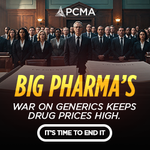
Big Pharma is waging a war on generics. It's time to end it.
PCMA's new campaign exposes how drugmakers use patent thickets and other tactics to delay lower-cost generic and biosimilar competition and keep prescription drug prices high.
Watch the latest ad below and learn more at WarOnGenerics.com


Three wholesalers control roughly 97% of the U.S. drug distribution market. Over the past several years, they've expanded their reach across health care through a wave of acquisitions.
As wholesalers grow, so should the scrutiny. Policymakers should demand transparency into the practices of prescription drug wholesalers and their affiliated companies.
Read more: pcmanet.org/pcma-blog/as-who…
1
255
However you slice the data, the conclusion is the same: @USGAO found independent pharmacies were paid more than PBM-owned pharmacies in Medicare Part D.
Gross payments? More. Net payments? More. At the same time, patients often paid less out of pocket.
Read more: pcmanet.org/pcma-blog/gao-bo…

170
In the latest from PCMA's Head of Research Amanda Frost, PhD, she explains that biosimilars are gaining traction, but there’s more work to do.
✅ Safe and effective
✅ Lower-cost treatment options
✅ More competition in the market
The biggest obstacle? Big Pharma’s patent abuse.

2
159
Read the new blog here: pcmanet.org/pcma-blog/from-p…
33
Generics and biosimilars save Americans $467B+ each year. But patent abuse keeps too many lower-cost medicines off the market.
More competition means lower prices. Congress should address patent abuse.

3
1
205
Read more: pcmanet.org/pcma-blog/compet…
80
Will @USDOL's proposed PBM rule:
❌Lower costs for patients at the pharmacy counter?
❌Reduce premiums and lower the cost of drugs?
❌Give employers information they won't already receive?
If the answer is no, then it’s not improving affordability or meaningful transparency. It’s creating more paperwork without better outcomes.
Read more: pcmanet.org/pcma-blog/the-re…

191
New data from @Commpharmacy shows independent pharmacies remain stable, with nearly 19,000 locations nationwide and improving profitability.
State and federal policymakers can build on that success by expanding pharmacists’ scope of practice and giving patients greater access to care.
PCMA's Path to Patient Affordability provides a roadmap to modernize pharmacy care and strengthen an already healthy independent pharmacy market.
Read more: pcmanet.org/pcma-blog/new-nc…
A new @USGAO report undercuts the claim that PBMs under-reimburse non-affiliated pharmacies.
The report found PBMs reimbursed independent pharmacies at higher rates than their own affiliated pharmacies in Medicare Part D. Patients also paid lower out-of-pocket costs when using PBM-owned pharmacies.
Combined with a recent HHS OIG report, the evidence is clear: PBMs are not favoring affiliated pharmacies over community pharmacies.
Learn more: pcmanet.org/pcma-blog/gao-un…
Another report on pharmacy access from @taxreformer examines a harmful law recently passed in Tennessee that is now being litigated in federal court. They found that if implemented, patients in the state will be negatively impacted in a range of ways:
They urge lawmakers “to protect competition, not competitors,” because, they argue, “shifting who receives a healthcare dollar does not necessarily reduce the amount patients ultimately pay.”

Sending Big Government After Medication Retailers Won’t Help What’s Ailing American Healthcare atr.org/sending-big-governme…

1
1
270
A new report from the Goldwater Institute warns that proposals to restrict pharmacy ownership could reduce access to care and create unintended consequences for patients.

NEW REPORT: Millions of Americans already struggle to access pharmacies and the benefits they provide. But new policies could make the problem even worse.
A new @GoldwaterInst report warns that sweeping prohibitions on pharmacy ownership could disrupt care in communities with the fewest alternatives, and it urges lawmakers to address abusive business practices without making it harder for patients to obtain their medications.

172