

RadioGraphics, an official journal of RSNA, is one of the premier education journals in diagnostic radiology. Follow @RSNA to get more updates.
Oak Brook, IL
Joined November 2010
- Tweets3.4K
- Following214
- Followers43K
- Likes3.5K
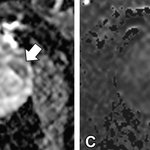
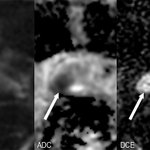


PI-RADS 3 lesions remain a diagnostic gray zone. Explore factors contributing to equivocal assessment and how image quality, reader experience, quantitative imaging and PSA density help refine risk and guide decisions. bit.ly/3UwbfFp @LKayat, @rnicola04, @uhradiology

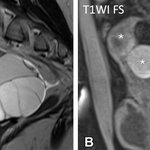
Technique matters in O-RADS MRI. Learn how to optimize MRI protocols for adnexal lesion characterization, recognize common pitfalls and improve cancer risk assessment to help avoid unnecessary surgery and expedite oncologic referral. bit.ly/4z305Y3 @ATongMD @NYUImaging

As prostate interventions expand, so does the spectrum of complications. From hemorrhage and urinary leaks to fistulas and osteomyelitis, learn how CT, fluoroscopy, MRI, and PSMA PET help radiologists recognize complications and guide management. bit.ly/4dRc7LH

Small but clinically important. Lacunar infarcts can be challenging to detect, making knowledge of classic lacunar syndromes and neuroanatomic pathways essential. Clinical-radiologic correlation can help target the search and improve diagnostic accuracy. bit.ly/4890pbK

Presacral masses are uncommon & encompass a diverse range of entities. Use cystic versus solid composition, macroscopic fat & key MRI features to narrow the differential. @JuandelaMorena_ @Nuriasaturio_ @SleepyTwister @HospiLaPaz @pablopazoslama bit.ly/4zKrRbP

Breast screening during pregnancy and lactation presents unique diagnostic challenges. This article reviews current imaging guidelines, modality-specific limitations, and safety considerations to guide screening and diagnostic evaluation. bit.ly/4yy2cC8 @RakowPenner

Breast biopsy markers have evolved from simple metallic clips to sophisticated multimaterial devices. Explore marker selection, placement, migration, multimodality visibility, and emerging technologies that support precision throughout breast care. bit.ly/3VTfziJ

🚨 New episode of the @RadioGraphics podcast now available!🚨 @rnicola04 & @LyndonLuk discuss the evidence principles & challenges that shape modern imaging screening programs from early detection & technical quality to cost effectiveness & AI bit.ly/4s9bl2g

CT colonography is a safe and effective screening test in detection and prevention of colorectal cancer, but successful implementation requires active radiologist engagement. @MichioTayaMD @UWiscRadiology bit.ly/4jQryra

From imaging to the operating room, virtual surgical planning and 3D printing enable patient-specific models and surgical guides. Explore applications in orthopedic, hand, and spine surgery and the key role radiologists play in this evolving field. bit.ly/4zC8EJg

Successful TAVR starts with precise CT planning. Review 3D processing of the aortic root and access vessels, recognize segmentation pitfalls and challenging anatomy, and learn how accurate measurements help guide device selection and safe TAVR. bit.ly/4BhNVMD @CTeriffic

Imaging is central to surveillance of children with cancer predisposition syndromes. Review imaging protocols, the role of whole-body MRI and tumor patterns that provide clues to hereditary syndrome. bit.ly/4ilKBZb @irhkch @SickKidsNews @boschildrensrad @CHOPRadiology

Earlier detection offers the best chance to improve outcomes in pancreatic cancer. Explore surveillance of high-risk patients, precursor lesions and imaging advances to help identify disease at its most curable stage. @ShravyaRad @SGhoshMD @MGHImaging bit.ly/4dYgu7z

Not every breast finding is within the breast. Skin changes may reflect benign, infectious, inflammatory, or malignant disease. Learn how clinical examination and imaging work together to guide diagnosis, biopsy, and appropriate management. bit.ly/4hDZGVL @DerekLNguyen

HCC surveillance is moving beyond one-size-fits-all. Review current US and AFP guidance, LI-RADS 2024, abbreviated MRI, biomarkers and risk-adapted strategies to improve early detection. @VChernyakMD @chemshift1 @docamitgs @ayakamaya @ShuchiRogers bit.ly/4dZwQwL

Not all exertional pain in athletes is musculoskeletal. Vascular abnormalities can be easily overlooked and have serious consequences. Review the role of US, CTA, MRA, and angiography in timely diagnosis and treatment planning. @MayoRadiology @PRajiah_CV bit.ly/4ASBl6a

Incidental CT findings at routine lung cancer screening can provide clinically relevant information for risk stratification and preventive care. @scbyrne2 bit.ly/4zqjfqF

There’s more information in every CT scan. Opportunistic screening can extract biomarkers such as bone density, body composition and vascular calcification from existing imaging, expanding radiology’s role in proactive patient care. @SidDograMD @NYUImaging bit.ly/4jHPkWf

East meets West in HCC imaging. Explore differences in how MRI is used for HCC screening, diagnosis, treatment response, and surveillance across international guidelines, and where emerging evidence may support greater global harmonization. bit.ly/4y9LKru

The latest Cases from the Cooky Jar features imaging findings of Menkes disease, a rare X-linked recessive disorder of copper metabolism. bit.ly/4yaKdBJ @cookyscan1