



Pinned Tweet
I’ll be attending the Doha Forum @DohaForum next week in Doha, Qatar. Looking forward to reconnecting with old colleagues, meeting new ones, and exchanging perspectives on regional developments. DMs are open 🤝

Unease in Tehran as Iraq reasserts control over its borders
Iraq’s push to close unofficial border crossings, curb oil smuggling and tighten customs oversight is drawing scrutiny in Tehran. The immediate issue is who controls what crosses Iraq’s borders and who collects the revenue. The wider question is whether Prime Minister Ali Faleh al-Zaidi’s government can enforce its decisions in areas where Iranian-backed armed factions and politically connected networks exercise power.
On November 29, Hadi al-Salami, the prime minister’s adviser on border crossings, told the Iraqi News Agency that the government had closed several unofficial crossings to curb smuggling. He said Baghdad was also moving ahead with ASYCUDA, an electronic customs system designed to automate procedures, improve transparency and ease legitimate trade. Al-Salami cited a Federal Supreme Court ruling and said the same constitutional and legal rules should apply across Iraq, including in the Kurdistan Region.
The two measures address different parts of the problem. Closing unofficial crossings targets trade that bypasses customs. Electronic records at official crossings give authorities a way to track what was declared, what duties were assessed and what the state collected. Their value depends on whether Baghdad can keep the unofficial crossings closed and act on discrepancies at official ones, including when enforcement affects politically connected networks.
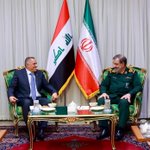
Furthermore, the Iraqi and Iranian accounts of the November 28 national security meeting in Tehran both described cooperation on border security. Baghdad’s account emphasized joint coordination and Iraq’s constitutional obligations. Tasnim highlighted Tehran’s call for full implementation of the agreement and its concerns about outside interference.
The Iraqi National Security Advisory’s statement, carried by the Iraqi News Agency, said National Security Adviser Qasim al-Aboudi and his Iranian counterpart, Mohsen Rezaei, discussed counterterrorism coordination, efforts to prevent border violations and ways to strengthen the joint security agreement in practice. Al-Aboudi said Iraq’s constitution bars any actor or group from using Iraqi territory to attack or threaten neighboring countries.
Tasnim highlighted Rezaei’s call to implement the agreement in full, deepen economic ties and prevent foreign interference in that cooperation. It also attributed a more specific assurance to al-Aboudi, saying Iraq would bar the use of both its territory and airspace against Iran and other neighbors. Baghdad’s statement referred to territory and neighboring countries generally. It did not separately mention airspace or include Rezaei’s warning about outside interference.
Additionally, Mohammad Mokhber, an adviser and aide to Iran’s supreme leader and a member of the Expediency Council, was more direct in a separate November 28 post. He recalled Iran’s support for Iraq during its hardest years, described the relationship as unbreakable and warned Baghdad against letting its border policy serve President Donald Trump’s agenda.
In Iraq, the Jurf al-Sakhar territory has become a test of how far Baghdad can take its reform agenda. If the government can enforce and sustain its decisions there, it could set a precedent for other areas where Iran-aligned factions exercise local power. Tighter customs enforcement could squeeze illicit revenue. Effective state command over Iranian-backed armed factions would carry a larger strategic cost for Tehran by limiting the ability of its Iraqi partners to act independently during a regional crisis.
The economic timing matters too. Iranian trade and financial links with Iraq become more valuable to Tehran as pressure on Iran increases. Rezaei’s emphasis on preserving economic cooperation fits that concern. Baghdad can keep lawful commerce moving while tightening scrutiny of what passes through official crossings. The harder political fight begins when investigations reach the Iraqi networks that profit from weak enforcement, including those outside Iran-aligned circles.
Also, the Coordination Framework member Abdul Samad al-Zarkoushi said the bloc would meet with al-Zaidi to discuss oil smuggling, border control and dialogue with Erbil. Parliamentary Integrity Committee member Ahmed Shahid called for pursuing smuggling networks from Zakho to Basra. Parliament is also considering service and retirement protections for Popular Mobilization Forces personnel, including wounded members. That debate concerns personnel rights. The government faces a separate question over who exercises operational command.
The push for stronger enforcement also has support inside Iraq. In his November 27 sermon, Baghdad cleric Yasin al-Moussawi called for nationwide action against corruption and oil smuggling while warning the government against relying on Washington. Meanwhile, Muqtada al-Sadr called for a unified Friday prayer in Baghdad’s Tahrir Square under the slogan “Love of the homeland is part of faith.” He tied the gathering to a reform project and called for an Iraq free of occupation, militias, corruption and smuggling. His message overlaps with parts of al-Zaidi’s agenda and stops short of endorsing the prime minister.
The clearest signs of progress will be whether unofficial crossings stay closed, whether customs receipts match what the electronic records show and whether investigations reach politically protected networks. If Baghdad can sustain enforcement from the Kurdistan Region to Jurf al-Sakhar, it will have shown that federal decisions can hold where they impose real costs. For Tehran, the risk is that the precedent extends from control of trade and revenue to control over armed factions.

There has been a noticeable uptick in strikes targeting sites across Houthi-controlled Sana’a using delta-wing, one-way attack drones that the Yemeni National Army refers to as Ayban and al-Nuqum.
Voices from #Houthi-Controlled North #Yemen
A Yemeni trader with ten years of experience in commerce and distribution describes an unprecedented deterioration in the retail sector, with many grocery stores facing bankruptcy. Business activity is declining due to irregular salary payments, liquidity shortages and reduced remittances from abroad. Traders face a difficult choice between selling exclusively in cash, which reduces sales and makes it difficult to cover operating expenses, or extending credit to customers, which carries significant financial risks. Rising operating costs, including rent, electricity, fuel and employee salaries, are adding to the pressure. The trader expressed deep frustration with Yemen’s business environment, arguing that instead of generating profits, growing capital and encouraging investment, running a business has become a financial burden and a source of personal exhaustion.
Pakistan held a send-off ceremony yesterday for military personnel deploying to Saudi Arabia. The ceremony was attended by Pakistan’s Federal Minister for Defence Khawaja Muhammad Asif, Saudi Ambassador to Pakistan Dr. Rajeh Tami Albugamy, Pakistan Army Chief of General Staff Lieutenant General Omer Ahmed Bokhari, and Commander of the IV Corps (Lahore Corps), Lieutenant General Muhammad Umer Bashir.


Basha باشا retweeted

أطلق قائد عسكري إيراني عدة مزاعم كاذبة تتعلق بالقوات الأمريكية خلال الـ 24 ساعة الماضية:
🚫 إدعاء: أن الجيش الأمريكي قام بسرقة ناقلتي نفط إيرانيتين، وأن القوات البحرية التابعة للحرس الثوري الإيراني استعادت السيطرة عليهما بينما كان الجنود الأمريكيون على متنهما نائمين.
✅ الحقيقة: لم يعد لدى إيران قوة بحرية فعلية. إن الرواية الكاملة التي قدمها القائد العسكري الإيراني ليست سوى كذبة مُلفقة.
🚫 إدعاء: إدعى القائد أن القوات البحرية الإيرانية استهدفت حاملة الطائرات الأمريكية يو أس أس أبراهام لينكولن في اليوم الأول من عملية الغضب الملحمي ، مما أجبر القوات الأمريكية على طلب المساعدة من دول المنطقة لإجلاء أفرادها.
✅ الحقيقة: كانت المجموعة الضاربة المرافقة لحاملة الطائرات أبراهام لينكولن تتمتع بحماية قوية، ولم تتعرض لأي هجوم من جانب إيران. في الواقع، أكملت هذه المجموعة الضاربة مهمة قتالية ناجحة للغاية في الشرق الأوسط، وعادت بسلام إلى الولايات المتحدة الشهر الماضي.
🚫 إدعاء: أن القيادة المركزية الأمريكية تفرض رسوماً قدرها 2.5 مليون دولار على السفن التي تعبر مضيق هرمز.
✅ الحقيقة: القوات الأمريكية وشركاءها الإقليميين يسيطرون على مضيق هرمز، ولا توجد أي رسوم مفروضة على السفن العابرة. لقد نجحت جهود القيادة المركزية الأمريكية في استعادة حرية الملاحة عبر هذا الممر المائي الدولي. عبرت آلاف السفن، ونُقلت مليارات البراميل من النفط الخام عبر المضيق بحرية وأمان تحت حماية الولايات المتحدة، وذلك على الرغم من العدوان الإيراني غير المبرر.

I am asked daily whether the relative calm across multiple fronts in Yemen signals de-escalation. Unfortunately, all the indicators I am tracking suggest this is the calm before the storm. Military preparations continue on all sides, and I expect this war to extend well into 2027.
Basha باشا retweeted

Joint Statement of the Second Meeting of the Strategic Political and Defence Committee (S-PDC) of the Makkah Alliance for Defence 🇸🇦🇵🇰🇹🇷

Basha باشا retweeted

Mekke Savunma İttifakı Stratejik Siyasi ve Savunma Komitesi’nin ikinci olağan toplantısını bugün İslamabad’da gerçekleştirdik.
Bölgemizde güvenliğin, istikrarın ve refahın güçlendirilmesine katkı sağlama hedefiyle tesis edilen İttifakımızın kurumsal kapasitesini geliştirmeyi sürdürüyoruz.
Ortak vizyon ve sorumluluk anlayışımız doğrultusunda, müttefiklerimizle istişare ve eş güdümümüzü daha da ileri taşımaya kararlıyız.

Basha باشا retweeted

Prime Minister of Pakistan Muhammad Shehbaz Sharif held a dinner reception in honour of the participants of 2nd meeting of the Strategic Political and Defense Committee (S-PDC) in PM House in Islamabad.

Basha باشا retweeted
CENTCOM disabled a commercial vessel in the Gulf of Oman, Nov. 26, after the crew attempted to run the U.S. naval blockade, despite multiple warnings, following departure from Bandar Abbas.
A U.S. military aircraft launched precision munitions that struck the stern of Palau-flagged M/V Pacific Archer. The ship’s propulsion was ultimately disabled and the civilian crew was unharmed.
Read the full release online: centcom.mil/MEDIA/PUBLIC-REL…

War in #Yemen #SITREP | 26 November 2026 | Yemeni Armed Forces @YemenAFMedia, supported by the Popular Resistance, continue offensive and defensive operations against Houthi forces across multiple governorates under Operation Dawn of Yemen #ODY.
According to the latest military communiqué, coalition forces conducted 30 airstrikes, 665 field artillery strikes, 39 drone strikes and 33 rocket launcher strikes.
In Al-Jawf, the Third Emergency Division @alfrqt7357 reported repelling a Houthi offensive, inflicting personnel and equipment losses before launching a counteroffensive. The division also released footage showing its drone unit targeting Houthi military vehicles across Al-Jawf.
Meanwhile, the 22nd Mechanized Brigade @22nd_Brigade reported continued confrontations across northern and western Marib and southeastern Al-Hazm in Al-Jawf, accompanied by intensive artillery and rocket bombardment.
The @YemenAFMediaeng also released nighttime footage documenting ongoing ground engagements across both governorates.
In Taiz, Governor Nabil Shamsan @Nashamsan chaired a joint meeting of the governorate’s military and security committees amid renewed Houthi military escalation and the continued siege of the city.
Acting on directives from Presidential Leadership Council Chairman Rashad al-Alimi @PresidentRashad, Shamsan ordered heightened combat readiness, increased logistical support, improved coordination between military and security formations, and measures to address operational challenges facing frontline forces.
Senior officials attending the meeting included Taiz Military Axis Commander Maj. Gen. Khalid Fadel, Chief of Staff Maj. Gen. Abdulaziz al-Majidi, Deputy Governor for Defense and Security Affairs Maj. Gen. Abdulkarim al-Sabri, Deputy Interior Minister Maj. Gen. Mohammed al-Mahmoudi, Military Axis Adviser Brig. Gen. Abdo Farhan, Police Chief Brig. Gen. Mansour al-Akhali, State Security Chief Brig. Gen. Abdulwahid Sarhan and 22nd Mechanized Brigade Operations Chief Brig. Gen. Mansour al-Hassani.
The Taiz Military Axis @axistaiz also reported multiple airstrikes against Houthi reinforcements across western, southern and northwestern Taiz.

War in #Yemen #SITREP | 24 November 2026 | Fighting Intensifies Around Taiz City as Dozens of Other Fronts Across Yemen Quiet Down
The Saudi-led coalition has stepped up close air support and force protection operations, conducting precision airstrikes against Houthi positions in and around Taiz City. Reported strikes targeted Jabal Han, al-Sarari, al-Aqrud, Sa’ilat Taluq, Jabal Habashi and Jabal al-Sallal. Yemeni government drones also reportedly struck telecommunications towers in Jabal al-Qala’ in Qadas, al-Mawasit District.
Videos capture jubilant residents celebrating and praising the Saudi-led coalition airstrikes, while others are seen praying and thanking God. These public reactions offer further evidence of strong local opposition to the Houthis and their ongoing siege of Taiz City.
Taiz remains the most active ground front in Yemen, while combat operations across dozens of other fronts have significantly subsided. I would not characterize this as a truce, but rather a temporary operational lull, with forces on both sides seemingly taking a break after nearly four months of sustained fighting.
Basha باشا retweeted
Deployed U.S. service members at sea and ashore across the Middle East celebrate Thanksgiving Day!


The Saudi-backed Yemeni Emergency Forces (YEF), First Division @MCAzal102S, commanded by Major General Yasser Abdullah al-Maabari (al-Harithi), has announced a new recruitment campaign beginning November 28, 2026, and lasting two weeks, ie. Saudi is doubling down.
Previously headquartered at al-Ruwayk, the division operates along the al-Jawf, Marib, and northwestern Hadramawt corridor. The division originally comprised five brigades before expanding to seven, with an estimated 10,000 personnel on its rolls. Its formation incorporated elements associated with the former Azal and Baqim military formations.
The division absorbed three combat brigades from the former Azal Military Axis, which al-Maabari commanded in Baqim district, northern Saada. These included elements of the 102nd Infantry Brigade, which he has commanded since 2018. Al-Maabari also previously commanded the Fath Brigade in al-Buqa.
The division participated in the January 2026 military campaign against UAE-backed Southern Transitional Council (STC) forces in Hadramawt. In July, it announced operations to disrupt Houthi smuggling and logistical networks across eastern Yemen.
More recently, the division participated in Operation Dawn of Yemen #ODY, against the Houthis in al-Jawf, alongside the Third Emergency Forces Division @alfrqt7357, the National Shield Forces @diralwatan, the Sixth Military Region of the Yemen National Army @22nd_Brigade, and local tribal resistance fighters.
Throughout November, the division reported territorial gains, drone strikes against Houthi formations, the seizure of military equipment, and mine and IED clearance operations.
The latest recruitment drive suggests Saudi Arabia is seeking to replenish and potentially expand its northern Yemeni military formations amid the ongoing war with the Houthis.

This post is from a suspended account. Learn more
Trying to understand Libya’s evolving political landscape, shifting foreign alliances, and the changing balance of power between east and west? Read Basha Report’s 2027 Libya Forecast.
substack.com/@bashareport/no…


From @BashaReport's @Substack:
Reporting from Libya
Forecast through 2027 bashareport.substack.com/p/r…

7
2,787
#FactCheck This video and several others shared by Germany-based @Anahitashokrol4 falsely portray unrelated military footage as being from Yemen. This particular video shows the Turkish military and was not filmed in Yemen.
Original footage: m.youtube.com/shorts/kdlwRqU…


#یمن
عربستان سعودی در حال عقبنشینی نیروهای نظامی خود از عدن به حضرموت است تا از به اسارت درآمدن آنها به دست نیروهای صنعا جلوگیری کند.
یک عقبنشینی پیشدستانه...
عربستان سعودی قادر به حفاظت از فرودگاهها، بنادر، تأسیسات نفتی و مراکز حیاتی خود نیست.
پس چه چیزی آن را به این جنون وامیدارد که جنگی را به راه بیندازد که نتیجهاش از پیش مشخص است؟
این نشان میدهد که تصمیم آغاز و پایان جنگ در اختیار این رژیم نیست؛ رژیمی که صرفاً بهعنوان ابزاری در دست دیگران عمل میکند.
Iran Expands Attacks to Kuwait, Killing Two Italian Nationals
Following multiple attacks on Bahrain and the Kurdistan Region of Iraq, Iran has expanded its attacks to Kuwait.
Kuwaiti Ministry of Defense spokesperson Staff Colonel Saud Abdulaziz Al-Atwan announced that Kuwaiti armed forces detected and engaged several hostile drones inside the country’s airspace.
According to the ministry, an Iranian attack targeted a vital facility, causing material damage and injuring four people, including two Italian nationals, one Kuwaiti national and one Pakistani national.
In a subsequent statement, the ministry confirmed that both Italian nationals had succumbed to their injuries.
The incident marks a further geographical expansion of Iranian attacks across the Gulf and Iraq, with foreign nationals increasingly among the casualties.

بيان رقم (84)
صرّح المتحدث الرسمي لوزارة الدفاع، العقيد الركن سعود عبدالعزيز العطوان،
بأنه إلحاقاً بالبيان رقم (83) بشأن تعرّض أحد المواقع الحيوية في البلاد للاستهداف جراء العدوان الإيراني الآثم، فقد تُوفّي المصابان من الجنسية الإيطالية نتيجةً للإصابات التي لحقت بهما.
وتتقدّم وزارة الدفاع بخالص التعازي والمواساة إلى أسرتي الفقيدين، متمنيةً الشفاء العاجل لبقية المصابين.
#الجيش_الكويتي

#Iran's #SITREP | Iran’s Islamic Revolutionary Guard Corps (IRGC) Navy said two unidentified oil tankers struck naval mines, exploded and caught fire north of Oman’s Khasab port in the Strait of Hormuz on Nov. 26. It said one was a supertanker carrying more than 2 million barrels of crude and was left burning.
The IRGC alleged the vessels had switched off their navigation systems and attempted an unauthorized transit while relying on U.S. fighter aircraft. It gave no vessel names or casualty figures.
IRGC Navy commander Rear Adm. Ali Azmaei claimed Iran had operational control of the strait and said safe passage depended on respect for Iran’s sovereignty.
Meanwhile, two Italian technicians working for German defense contractor Rheinmetall were killed in an Iranian drone strike in Kuwait. They worked with counter-drone equipment, and Rheinmetall’s Skynex air defense system is deployed in the country. It remains unclear whether the strike directly targeted the Skynex system or a nearby site.
IRGC spokesperson Hossein Mohebbi said missile production continued and claimed Iran’s offensive weapons and air defenses were superior to those of the United States.
In a Basij Week message, Iran’s supreme leader called for an overhaul of the organization under the slogan “Every Iranian, a Basij member.”
IRGC political deputy Yadollah Javani separately urged government agencies to coordinate their response to what he called an adversary information campaign.
South Korean Foreign Minister Cho Hyun told Iranian Foreign Minister Seyed Abbas Araghchi that Seoul had no plans to send troops or join the war. Araghchi warned that foreign deployments would widen the conflict.
Speaking in Beirut’s southern suburbs, Hezbollah lawmaker Hassan Ezzeddine called Iran Lebanon’s “only hope,” denied that Tehran had interfered in Lebanese sovereignty and said Iran wanted Lebanon at the top of the agenda in any future talks with Washington.
In a commentary on the Mecca agreement between Saudi Arabia, Türkiye and Pakistan, West Asia analyst Mohammad Bayat argued that the pact gives Riyadh more leverage with Iran and major powers. He urged Tehran to explore joining it or pursuing a broader regional security agreement.


