

We protect nature for the benefit of humanity. We spotlight and secure the most important places in nature for the climate, for biodiversity and for people.
HQ - Arlington, VA
Joined February 2009
- Tweets40K
- Following11K
- Followers165K
- Likes16.1K




Industrial fleets are squeezing out local fishers, threatening coastal communities and ocean health, new @ConservationOrg research reveals. The scientists behind the work explore what's at stake for people and nature.
conservation.org/news/on-fra…

@CI_Hawaii and local partners like Chef Hui, @KimiWerner and @HawaiianVillage are building demand for invasive ta‘ape, supporting local fishers while helping protect Hawai‘i's native reef ecosystems.
via @TIME: time.com/article/2026/10/21/…

Defending its forests, preserving its languages, and carrying ancestral knowledge forward.
Meet three women bringing culture, community, and conservation #TogetherForScience across the Amazon Basin.
conservation.org/news/the-am…

We’re one week in to #COP17, and it’s not too late to explore the questions shaping this year’s negotiations. From protecting nature to funding action, here is your guide to the global biodiversity summit. conservation.org/news/your-g…

With #COP17 putting biodiversity in the spotlight, we want to hear what you’re curious about. Ask a @ConservationOrg scientist your pressing questions, explore the science shaping conservation, and let’s come #TogetherForScience.conservation.org/act/ask-a-s…

Price premiums for certified sustainable seafood rarely reach small-scale fishers, but more transparency & fairer distribution of benefits across supply chains can make a difference.
We can work #TogetherForScience & find solutions that protect the ocean & people who rely on it
What can one unforgettable experience teach us about conservation? For Jennifer Howard of @ConservationOrg, a flight over Kenya’s mangroves reinforced a lesson: meaningful conservation takes people working #TogetherForScience.
In Huanchaco, Peru, generations of fishermen have continued the ancient art of reed boat-making.
Now, this unique tradition faces an uncertain future.
Learn more about the people keeping this heritage alive.
🎥 youtube.com/watch?v=GA89OR1k…
In a groundbreaking effort, @KonservasiID researchers and partners worked from the AIR to humanely tag a pygmy blue whale using a drone-launched dart, giving us rare insights into how these majestic giants move and live in the ocean. conservation.org/news/how-sc…
In Australia’s Shark Bay, Indigenous knowledge, science, and innovation are coming #TogetherForScience to help restore vast seagrass meadows — an ecosystem that supports marine life, stores carbon, and helps protect the health of our oceans. 🌊
conservation.org/news/how-in…

One million species and countless unanswered questions.
What do you want to know about life on our planet? With #COP17 bringing biodiversity into focus, ask a @ConservationOrg scientist your pressing questions today! #TogetherForScience conservation.org/act/ask-a-s…
We can’t protect biodiversity while funding nature’s destruction, according to @ConservationOrg’s Patricia Zurita.
And our newest report provides a comprehensive review of the true costs of nature-harming subsidies.
apnews.com/article/united-na…

For Emily Pidgeon, @ConservationOrg Vice President of Ocean Science and Innovation, “you have to do everything you can” and come #TogetherForScience to protect the ocean for future generations. conservation.org/news/meet-a…

A new @ConservationOrg report puts a multi-trillion dollar price tag on governments mistakenly harming nature and finds that reform can shrink it.
conservation.org/news/nation…

Government spending can work better for people, nature, and the economy.
As delegates at #COP17 examine nature-harming subsidies, reforming incentives can and must support biodiversity and climate goals.
Explore @ConservationOrg's latest report: conservation.org/projects/ac……
Governments are paying twice for nature-harming subsidies: first for the subsidies, then to repair the unintended damage.
@ConservationOrg’s new global analysis published today from #COP17 finds costs a hidden price tag of up to $24.7 trillion. reuters.com/business/environ…

Earlier this year, French Polynesia announced a marine protected area the size of France, safeguarding critical habitat for endangered sharks, whales, dolphins, and sea turtles.
A major step toward protecting 30% of the planet’s lands and waters by 2030. conservation.org/news/the-wo…

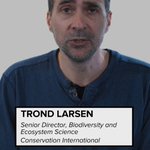
What sparked @conservationorg's Trond Larsen’s lifelong commitment to conservation? A hidden Andean stream filled with frogs — and years later, the loss of them. Curiosity and knowledge come #TogetherForScience.
Explore the questions shaping the #COP17 — from protecting nature to funding action over on @ConservationOrg’s guide to the global biodiversity summit. conservation.org/news/your-g…
As we prepare for #COP15 to bring the global community together around biodiversity, let’s celebrate the scientists whose work helps turn knowledge into action.
Show your gratitude to the people making advancements #TogetherForScience at the link below.
conservation.org/act/thank-a…
