

Researcher & Hunter. Grinding 24/7. Follow for alpha threads
Channel →
Joined August 2017
- Tweets22.1K
- Following2K
- Followers4.5K
- Likes26.9K




Pinned Tweet
An AI anime channel can be built like a factory now.
One pipeline:
Claude -> Midjourney -> Runway -> ElevenLabs -> Suno -> Make
Output formats:
> 8-15 min anime story episodes
> 8-hour lofi anime study streams
> original anime-style soundtrack channels
The weekly run:
1. Claude writes the episode script
2. Claude breaks it into scene prompts
3. Midjourney creates 15-20 images
4. Runway animates each shot
5. ElevenLabs records character voices
6. Suno creates OST, tension beds, ending themes
7. Make uploads to YouTube
8. X post goes live
9. Telegram sends the stats
Monetization stack:
> AdSense
> memberships
> soundtrack packs
> sponsorships
The article’s system did $8,217 last month with about 3 hours of active input.
Your job is story, aesthetic, approval.
The factory handles the render queue.


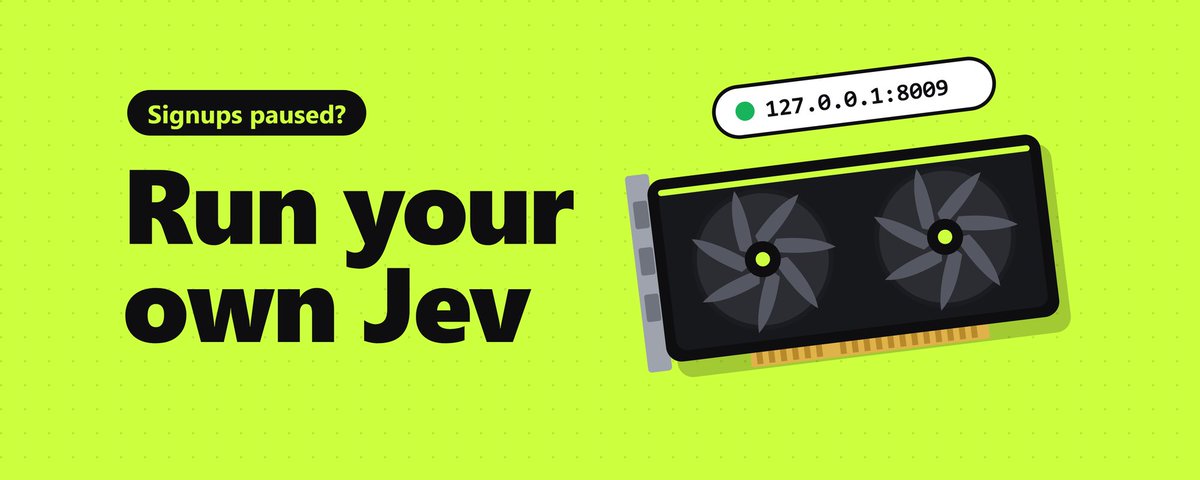
Valohai's founders ran Kev, the open Jev clone, on a laptop with 2 commands
30 minutes from the team behind the Valohai MLOps platform
Kev takes the same request as Jev and returns a probability for every answer
Watch it, then read the guide below on running Kev on your own GPU


GitHub co-founder Scott Chacon just tested Jev on Tetris and a GitHub settings search
13 minutes from the engineer who wrote Pro Git
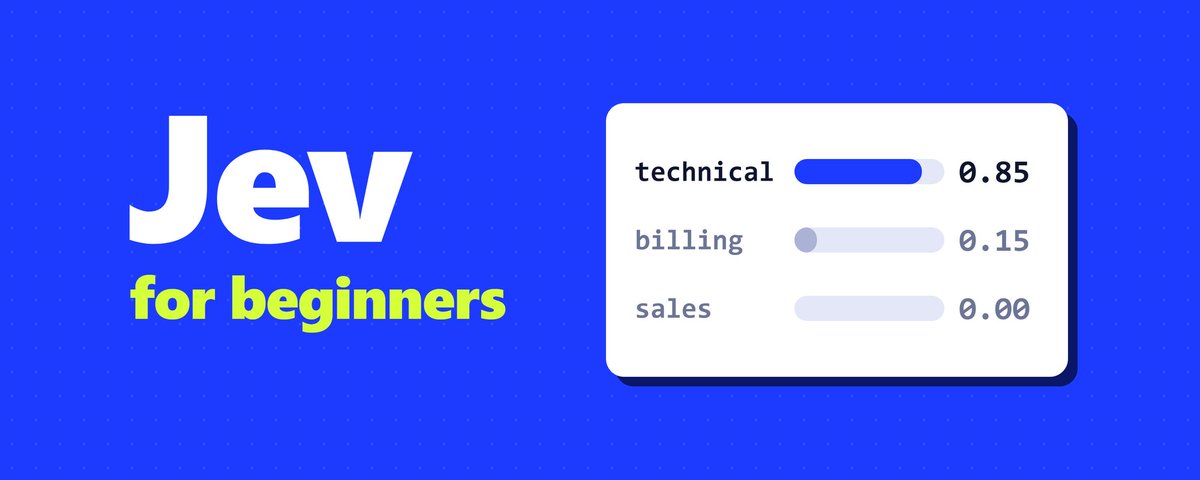
He sends every possible move in one request and Jev returns a probability for each
The whole Tetris run cost him half a penny
Watch it, then read the full beginner guide to Jev below
Mastra's CTO just showed how to put Jev inside a working agent, live
60 minutes from the team behind the Mastra agent framework
He scores a sales lead with 3 questions and branches on the numbers
Then he shows where Jev failed him, with 10 right answers out of 78 GitHub issues
Watch it, then read the full beginner guide to Jev below
Send this subscription-hunting prompt to Claude Code
It will probably find a charge you forgot you're still paying for
You're welcome:

Send this inbox-sorting prompt to Claude Code
It will find the emails that actually need your reply without moving a single one
You're welcome:

Diogo Almeida, 4 months before he launched Jev:
"The AI customer support never takes actions because the cost is always to the users"
36 minutes on why LLMs still can't be trusted with decisions that cost you money
Start with a decision a person can check, like which team gets the ticket
Watch it, then build the ticket router from the guide below

AICodeKing just put TypeSafe's Jev through real support-ticket tests
~8 minutes of Choice, Score, and Noul on messy customer messages
he starts with a duplicate-charge ticket
Jev picks billing, puts refund probability at 98%, urgency at 11%, and keeps frustration near calm
then he removes Other and forces billing / technical support / sales
Jev picks sales at confidence 0.31
restricted choices stop invented labels, they don't stop a wrong useful pick
Watch it, then read the full guide on building a Jev support-ticket router below
Chroma CEO Jeff Huber:
"Using an LLM as a reranker and brute forcing from 300 down to 30, I've seen now emerge a lot"
57 minutes on picking what an LLM reads, from 10,000 candidate chunks down to the 20 that matter
He's heard of teams running their own models for about a penny per million input tokens, with output cost near zero
A research agent has the same problem with 50 papers: every weak match competes with the ones it needs
Watch it, then use the guide below to build that screen with Jev and test it on 50 papers you label yourself
Chip Huyen wrote AI Engineering, the most-read book on O'Reilly in 2025
Her #1 AI engineering anti-pattern: "Use gen AI when you don't need gen AI"
In this 41-minute talk, her support bot example runs a classifier before any model sees a request, and sensitive ones go straight to a human
A support-ticket router is that same classifier: it picks 1 of 4 queues and sends anything under 0.8 confidence to a person
Watch it, then use the guide below to build one on Jev and test it on 20 tickets you label yourself
Barry Zhang, coauthor of Anthropic's guide to building agents:
"I work with some really resourceful startups and they can do everything within one LLM call"
One model call, with code deciding what happens next
My Jev ticket router follows that approach
Jev proposes a department; Python flags uncertain cases for review
Then measure routing accuracy alongside the share of tickets flagged for review
Watch the clip, then grab the Python example and testing steps in the article below
Late Checkout CEO, Greg Isenberg:
"What is this information, how important is it, what should happen next?"
Jev can route high-value leads to a person and routine requests to an LLM for a draft
Start with the inbox your team already sorts by hand
Watch the 101-second clip, then use the 10-step guide below to install Jev, build your first router and add confidence checks

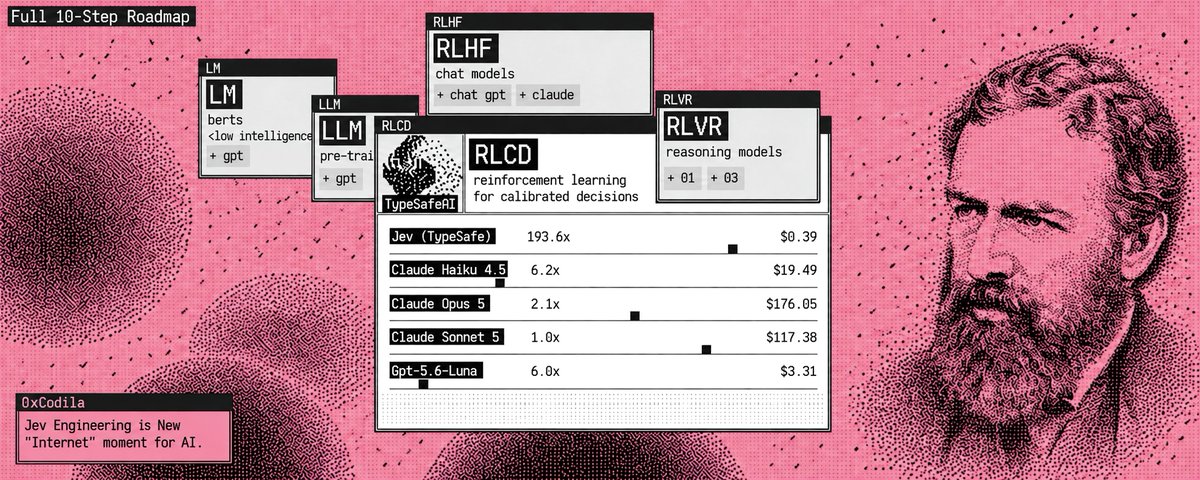
Anthropic's Thariq Shihipar spent 112 minutes showing how Anthropic builds agents on the Claude Agent SDK
His test for any agent idea: "Can you verify its work?"
"The best form of verification is rule-based"
Claude Code runs on that rule: write to a file the agent hasn't read yet, and it gets an error back
He ends with a live prototype in Claude Code and a 50-line SDK agent
Watch the session, then copy the success gate and stop rules from the guide below

A Red Hat intern built a CI pipeline that patches its own test failures
34 minutes at Open Source Summit India, with a live demo where he breaks the build on purpose
When a test fails, GitHub Actions starts a LangGraph agent that reads the logs and writes a patch
The patch runs against the same tests inside Docker, and every failed attempt goes back into the agent's memory before the next try
His slide sums up the rule: "Only verified fixes become PRs"
A human still reviews and merges every one
Watch the demo, then copy the CI triage spec from the guide below, with a 3-attempt cap and a list of actions the agent can't take
Stripe merges 3,000 pull requests a week written by its own coding agents, called minions
In 16 minutes Mark Doyle walks through the loop behind every minion run:
> The agent makes the change, then runs tests, lint and typecheck
> An LLM judge checks the diff against the original request
> If the task isn't done, a second agent diagnoses what happened and feeds it back into the loop
> After up to 10 passes, the task goes back to the engineer
That fallback happens in less than 1% of cases, and 65% of minion PRs merge with no human edits
His first takeaway: rules like "do not commit before you've run linters" work much better as deterministic code in the loop than as capital letters in a prompt
Watch the talk, then copy the loop prompt from the guide below, with the success gate and stop rules already written
A full SWE-bench run on leading models can burn a couple of thousand dollars in tokens before you know if the agent fixed the issue
Ernst Haagsman (TeamCity PM at JetBrains) shows the Juni grading loop on SWE-bench
He sets up the Docker image, applies the model-generated patch, runs the repo test suite, then grades whether the patch resolved the issue
The full SWE-bench set is 2300 issues
He puts the bill on the table: leading-model runs "cost us a couple of thousand dollars," and a thorough agent eval burns through AI tokens fast, so you don't fire that on every commit
Watch the session for completed-task grading under one fixed pipeline and the token cost sitting behind a single score
Then read the guide below for Astra vs Sol vs Fable routing on document reconciliation, hard repos, and verifiable science, plus a 10-task blind eval that records correctness, missed requirements, time, total cost, and human repair minutes

OpenAI reasoning researcher, Noam Brown:
"The capability of the model is a function of how much money you put into it"
35 minutes on why a benchmark score means little until you know the budget behind it
ARC Prize scored Astra 62.7% on ARC-AGI-3 in its standard setup and 99.9% once a provider adapter kept its reasoning between requests
Epoch AI gave a prerelease Astra $300 per Erdős problem and it solved 2 of 68, then extra runs costing over $220,000 took it to 5
Watch it, then read the guide below for which Astra results hold up once the setup is attached, and where Claude Fable 5.1 still leads
Artificial Analysis CEO, Micah Hill-Smith:
"what you care about is the stuff that you can test about what can this model do, how much is it going to cost, how's it going to perform in different ways"
35 minutes with him and the founders of MLPerf and SemiAnalysis on why a single score can't pick your model.
On his own coding index, Claude Fable 5.1 beats GPT-6 Astra by 3 points at nearly double the price per task.
GPT-5.6 Sol trails Astra by 2 points and finishes in 10.2 minutes against 26.8.
Watch it, then read the guide below for where Astra wins, where Claude still leads, and the 10-task blind test to run on your own work.