

"I can become the sunset sky.”
Iloilo City, Western Visayas
Joined May 2009
- Tweets44.2K
- Following520
- Followers32.6K
- Likes21.9K






Emil retweeted

أربعة آلاف خروف تُركت على جزيرة نائية: أربعون عامًا من العزلة والتطور
في عام 1931، تخلى مزارع مفلس عن نحو أربعة آلاف خروف على جزيرة كامبل، وهي جزيرة نائية في المحيط الجنوبي تابعة لنيوزيلندا، على بعد أكثر من ستمائة كيلومتر جنوب البر الرئيسي. كانت الجزيرة قد استُخدمت لتربية الأغنام منذ عام 1895، لكن انهيار أسعار الصوف واللحم، وصعوبات النقل والإمداد، وتأثيرات الكساد الكبير، جعلت المشروع غير قابل للاستمرار. غادر آخر المستأجرين، جون وارين، الجزيرة مفلسًا، تاركًا وراءه الأغنام وعشرات من الأبقار دون رعاية بشرية.
عاشت الأغنام عقودًا في بيئة قاسية تتميز بالرياح الشديدة والرطوبة الدائمة والتربة الحمضية. انخفض عددها في البداية بسبب الظروف الصعبة، ثم بدأ القطيع يتعافى تدريجيًا. مع مرور الأجيال، تطورت سمات وراثية مميزة: أصبحت الأغنام تتزاوج في سن أصغر، وتستطيع التخلص من صوفها بنفسها دون حاجة إلى جز، وتكيّفت مع نقص الغذاء والظروف المناخية القاسية. بحلول السبعينيات، كانت قد تحولت إلى قطيع بري يُظهر تكيفات نادرة ناتجة عن العزلة والانتقاء الطبيعي.
غير أن هذا التكيف جاء على حساب النظام البيئي للجزيرة. أكلت الأغنام النباتات المحلية الفريدة، بما في ذلك النباتات الكبيرة المميزة للمنطقة، وأضرت بمواقع تعشيش الطيور البحرية مثل طيور القطرس. أدى الرعي غير المنضبط إلى تدهور الغطاء النباتي والتربة، مما دفع السلطات في وقت لاحق إلى اتخاذ قرار بإزالة القطيع لحماية الجزيرة.
في الثمانينيات، نُفذت عمليات إزالة منظمة للأغنام من أجزاء من الجزيرة. أُنقذ عدد محدود من الأفراد بسبب سماتها الوراثية النادرة قبل إزالة البقية. بعد إزالة الأغنام والقوارض الغازية، بدأت النباتات والطيور في التعافي، وتحولت الجزيرة إلى مثال على استعادة النظم البيئية في المناطق النائية.
تظل القصة مثالًا على كيفية تأثير إدخال أنواع غير محلية ثم التخلي عنها على البيئات المعزولة، وعلى قدرة الحيوانات على التكيف عبر أجيال قليلة في ظل ضغوط بيئية شديدة.


Inaatok sa MCLE, pero pag antik-antik buhay na buhay! 😂
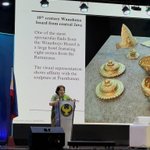
Anyway, great to see so many friends and familiar faces from the art, collecting, and archaeology worlds!
Congratulations to the @ayalamuseum and @BangkoSentral for the successful conference!


Celebrating the 80th year of the UK-Philippine diplomatic relationship with my fellow UK alumni!
All smiles as always with my Chevening sibs!


Emil retweeted

Tayvan’ın Chiayi bölgesinde çay toplayan bir köylü, dağdan gelen çıtırtı seslerini duyunca cep telefonuyla kayıt almaya başladı. Kısa süre sonra dev kaya ve toprak kütlesi yamacı çökertirken, çevreyi yoğun bir toz bulutu kapladı.
Blue Bottle’s latte is 👌🏼!
Definitely one of the highlights of this Seoul trip.
Looking forward to its Manila branch someday.


Emil retweeted

A video of Japanese conservators carefully removing papers that were recently discovered inside of a Buddhist statue dating back to the late Kamakura period (1280's-1330's).

A fascinating discovery inside a late-Kamakura-period Buddhist statue:
During the restoration of the Jūichimen Kannon 十一面観世音菩薩 at Shōjuin 正寿院 in Ujitawara, Kyoto Prefecture, conservators found 95 sheets of paper within the image. 94 of which bore stamped images of Kannon and one containing a handwritten text in ink.
The statue, approximately 60 cm tall, is the temple’s principal image and is normally kept concealed as a hibutsu 秘仏 ("secret Buddha"). In announcing the discovery, the temple described the Kannon images' function to magically protect the written document.
The contents and date of the document have yet to be established. It will be fascinating to learn what it reveals about the statue’s history and the people who placed these materials inside it.
Images below, and a short Japanese news report here:
asahi.co.jp/webnews/pages/ab…


Emil retweeted

A reminder about the great things in France

Paul Bocuse held three Michelin stars for 53 years without a break, cooking on butter, cream and wine, and died at 91 in the room he was born in.
He was born in 1926 above his father's inn at Collonges-au-Mont-d'Or, just outside Lyon, into a family that had been cooking since the 1700s. He started his apprenticeship at 16, learned under Eugénie Brazier and then Fernand Point, and turned the family inn into the most famous restaurant in France.
In 1975 he cooked lunch for the President at the Élysée and served a truffle soup under a dome of pastry. It is still on the menu.
In the 1970s he was one of the faces of nouvelle cuisine, the lighter style that swept through French kitchens. Then he watched it shrink to three peas on a plate the size of a hubcap and walked away from it. The label, he said later, had more to do with the bill than with the food.
Ask him what cooking was and he would tell you. Butter, cream and wine, he said. He had no time for little peas cut into four. "Nothing replaces butter."
While the rest of the world was being moved onto spread, his restaurant held its three stars every single year from 1965 to the year he died. In 1989 he was named chef of the century.
He kept sleeping in the bedroom above the dining room where he had been born, and in January 2018, aged 91, that is where he died.
France's interior minister announced it by saying Monsieur Paul was France.
Monsieur Paul would have said France was butter.

Emil retweeted

Cardinal Tagle is the new Dean of the College of Cardinals. But perhaps the most interesting question is why the cardinals chose him rather than Pietro Parolin.
At 69, Tagle is the youngest of the Latin-rite cardinal-bishops and a comparatively recent member of that order. He succeeds Cardinal Giovanni Battista Re, 92, and becomes the first Asian Dean in the Church's history. The significance is considerable, the Dean is primus inter pares, first among equals and becomes an exceptionally prominent figure during a papal interregnum, presiding over the preparations for a conclave and if eligible, the election itself. Tagle is also one of the most recognisable figures associated with Pope Francis and his career has not been without controversy. In 2022, he lost the presidency of Caritas Internationalis when Francis replaced its leadership following a review of governance and working conditions. The intervention did not involve allegations of financial or sexual misconduct, but it nevertheless raised questions about institutional leadership. His election today suggests that his fellow cardinal-bishops retain considerable confidence in him.
There is a fascinating personal dimension too. Tagle and Robert Prevost have known one another for years, worked closely together in the Roman Curia, and actually sat beside one another during the conclave which elected Leo XIV. At Leo's inaugural Mass, it was Tagle who placed the Fisherman's Ring upon the new Pope's finger, an intensely moving occasion for the famously emotional Filipino cardinal. We should resist reading too much into that gesture, just as we should resist interpreting today's election as evidence of some new ideological alignment. Tagle was elected by his fellow cardinal-bishops, with Leo's approval so, importantly, this was not simply a papal appointment.
Nevertheless, the choice is intriguing. Parolin possesses enormous diplomatic and administrative experience, yet the cardinals have preferred a younger, missionary figure associated with the Church's growing centre of gravity outside Europe. Perhaps the most significant question is what this tells us about the College itself. At a time when there is so much commentary which seems to be aimed at dividing the Church into competing factions, the election of a prominent Francis-era cardinal under Leo XIV reminds us that ecclesiastical relationships and judgements of suitability are considerably more complex than the familiar progressive-versus-conservative narrative.
Tagle has moved from being widely discussed as a possible successor to Francis to becoming the man who may one day preside over the election of Leo's successor.
