

Software Engineer
Pune, India
Joined August 2021
- Tweets149
- Following267
- Followers38
- Likes245





Pinned Tweet
I am starting🗓️ #30days30articles challenge in which I will read at least 1 article every day and share my 📒learning here.
Topics will be React, Javascript, Programming, Development Tips, etc.
#Developers #Programming
Bhuvanesh retweeted

*asks question*
“Just google it”
“Just read the docs”
“You could have done X”
yes im aware but i just wanted human connection 🥺


Imo, understanding requirements concisely before starting to work on any feature is a must. It avoids going back and forth and improves the communication.


Bhuvanesh retweeted

I am not the smartest software developer out there, I just know how to get the work done.
I am not someone who can create frameworks, but I know how to use them.
Bhuvanesh retweeted

"लाभले आम्हास भाग्य बोलतो मराठी
जाहलो खरेच धन्य ऐकतो मराठी
धर्म,पंथ ,जात एक जाणतो मराठी
एवढ्या जगात माय मानतो मराठी"
मराठी राज्यभाषा दिनाच्या सर्वांना हार्दिक शुभेच्छा!
❤️❤️❤️

I attended my first ever meetup.
🎉Misal Meetup 2.0 organized by @PeerlistHQ .
The experience was wholesome. Met with amazing folks.
Hope to attend many such meetups in future.
Thank you @hey_yogini and @designerdada
PS - I'll miss that Misal Pav😋
Hey everyone,
If you have been coding for a while, you must have come across -
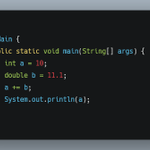
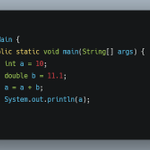
a = a + b
and
a += b
What is difference between them?
How do they work under the hood?
Let's explore -
In case of second snippet,
a += b;
This operation implicitly casts the type of b to type of a.
i.e. double becomes integer.
At what costs?
we lose precision. The term for this is - Narrowing Primitive Conversion
I hope this thread helped you better understand both operations.
If you wanna dive deeper follow this links -
- docs.oracle.com/javase/specs…
- stackoverflow.com/questions/…
Share with your friends if you found it useful.