

👇 I built an ACM, here is a version you can implement for yourself
Joined December 2024
- Tweets822
- Following33
- Followers405
- Likes1.3K


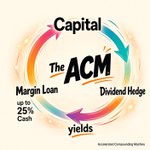

Durable wealth comes from repeatable loops rather than isolated calls. Linking core capital, hedged yield, and bounded cash credit turns compounding into an operating system
15
Leverage magnifies temperament long before it magnifies returns. Holding a modest credit line through red weeks requires sizing debt so time not forced deleveraging resolves volatility 🖤
12
Compounding accelerates when payouts fund new capacity instead of lifestyle creep. Recycling harvested yield back into the core equity pool expands the base for each subsequent cycle 🖤
13
Yield without a hedge is exposed to the exact shock that cuts the check. Pairing dividend harvesting with structured downside protection helps preserve cash distributions when equity prices slide 🖤
15
A margin ceiling is a survival rule, not a speed limit. Keeping borrowed cash capped at 25% of liquid reserves leaves room to absorb sharp drawdowns without selling productive assets at depressed prices
24

Borrowed liquidity earns its keep only when the ceiling is built before the storm arrives. Capping a margin loan at a quarter of cash keeps a steep repricing from turning an income engine into a forced liquidation.

18
A payout without downside shielding is just an advance on principal. Pairing yield harvesting with a dividend hedge lets you collect cash distributions while keeping sharp equity drops from hollowing out the base that pays them.

26

Real momentum comes from how fast harvested yield is re-anchored into working equity. Each payout that clears loan carry and returns to the core pool widens the base for the next cycle without asking the market for heroics.

20
Modest leverage still tests nerve when screens turn red for weeks. Staying calm in a drawdown depends on sizing the credit line so time stays on your side rather than forcing decisions at the worst possible price.

16
Single trades create stories, closed loops build net worth. When core capital, hedged distributions, and a strictly bounded cash line feed one another year after year, compounding stops relying on luck and starts running on design.

22
Compounding is not the automatic reward of patience; it is the selective reinvestment of free cash into the subset of opportunities whose incremental returns still exceed the rising cost of capital. Everything else is just accumulation.

28
Discipline is not the refusal to change a thesis; it is the pre-commitment to the exact evidence that would force the change, written down before the evidence arrives so that the decision is made by the process rather than by the latest narrative.
20
Price is the market’s temporary vote; value is the cash the asset can still produce under conditions the current owners have not yet priced. The gap between them is not a signal to act, it is a claim that must be stress-tested against the specific risks that could close it permanently.
20
