

Analytical Review of DMT: Field Notes. New papers, trials, mechanisms, and sharp commentary on DMT research.
Sheffield, UK
Joined September 2011
- Tweets3.8K
- Following1.5K
- Followers1.2K
- Likes229




Imagine being injected with DMT in one of the world’s leading neuroscience labs, with electrodes on your scalp recording every second of it.
That is what happened to Batuhan Bintas, a volunteer in DMT research at Imperial College London.
The published neuroimaging studies are small: 13 participants in the 2019 EEG study and 20 in the 2023 simultaneous EEG-fMRI study. Much high-resolution human DMT imaging rests on samples you could fit in a lecture room.
While researchers recorded his brain activity, Bintas has described geometric tunnels, a vast elephant-headed many-armed figure he later identified as Ganesh, and, in later public accounts, mantis-like beings operating on him.
The interesting part is that similar categories recur.
A 2022 analysis of 3,778 DMT experience reports found entities in 45.5%. Deities, aliens, insectoid or reptilian beings, “machine elves” and jesters all appeared repeatedly.
But convergence needs care.
In the largest dedicated survey of DMT entity encounters, 21% went in intending to encounter an entity, while 56% had other DMT-associated entity encounters before or afterwards. They are not perfectly independent observers. Many already knew the language and expectations surrounding DMT.
There is also the ordering to consider. Bintas saw the figure first and named it later. Recognition afterwards is interesting, but an elephant-headed deity is also one of the world’s most reproduced religious images.
None of this proves anyone is accessing another reality. None of it proves they are not.
We can now measure what DMT does to a brain in remarkable detail. Explaining why different brains repeatedly generate overlapping kinds of beings is a much harder problem.
Related ARDMT:
ardmt.com/dmt-research-top-r…
Sources:
Bintas — HancockHour #22 (2026)
Timmermann et al. 2019 — DOI 10.1038/s41598-019-51974-4
Timmermann et al. 2023 — DOI 10.1073/pnas.2218949120
Davis et al. 2020 — DOI 10.1177/0269881120916143
Lawrence et al. 2022 — DOI 10.1038/s41598-022-11999-8
#DMT #PsychedelicResearch #Consciousness #Neuroscience #DMTEntities

ALT A DMT research participant wearing EEG electrodes in a laboratory faces a luminous elephant-headed deity; text reads: “The elephant-headed god is one of the most reproduced images on Earth. He still didn’t expect to meet it.”
How does a study of just 30 people end up helping move $55 million in public money?
In January 2024, Stanford researchers published an extraordinary study of 30 former US Special Operations Forces veterans who had travelled to Mexico for ibogaine treatment.
One month later, effect sizes for PTSD, depression and anxiety were all above 2.0. But there was no placebo group and no untreated comparison group.
So the study showed an extraordinary signal. It did not prove that ibogaine alone caused the improvements.
Then the results escaped the paper.
By May 2025, Texas legislators were explicitly discussing the Stanford study while debating a programme designed to move ibogaine towards FDA development. Texas ultimately committed $50 million. Arizona subsequently appropriated another $5 million for clinical ibogaine research.
That does not mean the study proved ibogaine works.
The more interesting question is how a promising but uncontrolled scientific signal acquires enough credibility, money and institutional support to start changing policy.
Full investigation: ardmt.com/the-study-that-bec…
#Ibogaine #PsychedelicResearch #DrugPolicy

ALT Editorial ARDMT graphic asking how a study of 30 people influenced $55 million in state spending, illustrated with iboga-related imagery, a research setting and a brain scan.
27
𝗪𝗵𝗮𝘁 𝗶𝗳 𝗽𝘀𝘆𝗰𝗵𝗲𝗱𝗲𝗹𝗶𝗰 𝗰𝘂𝗹𝘁𝘂𝗿𝗲’𝘀 𝗯𝗶𝗴𝗴𝗲𝘀𝘁 𝗯𝗶𝗮𝘀 𝗶𝘀𝗻’𝘁 𝘄𝗵𝗼 𝘁𝗮𝗸𝗲𝘀 𝗽𝘀𝘆𝗰𝗵𝗲𝗱𝗲𝗹𝗶𝗰𝘀 — 𝗯𝘂𝘁 𝘄𝗵𝗮𝘁 𝘄𝗲’𝘃𝗲 𝗯𝗲𝗲𝗻 𝘁𝗮𝘂𝗴𝗵𝘁 𝘁𝗼 𝗻𝗼𝘁𝗶𝗰𝗲 𝘄𝗵𝗲𝗻 𝘁𝗵𝗲𝘆 𝗱𝗼?
⠀
For more than a century, the classic Western “trip report” has looked remarkably similar.
⠀
A person takes a drug.
They watch the clock.
They describe the colours, visions, bodily sensations and strange thoughts happening inside their own head.
⠀
It feels like a perfectly natural way to describe a psychedelic experience.
𝗜𝘁 𝗶𝘀𝗻’𝘁. 𝗦𝗼𝗺𝗲𝗯𝗼𝗱𝘆 𝗶𝗻𝘃𝗲𝗻𝘁𝗲𝗱 𝘁𝗵𝗮𝘁 𝘄𝗮𝘆 𝗼𝗳 𝗹𝗼𝗼𝗸𝗶𝗻𝗴.
⠀
Historian Mike Jay traces it back through a scientific culture overwhelmingly dominated by men.
In 1799, Humphry Davy and other male experimenters could inhale nitrous oxide, lose control, behave bizarrely and emerge looking like fearless explorers of consciousness.
When one early female participant became wildly disinhibited and ran into the street, the reaction was very different. Other women were effectively frightened away.
⠀
And that gets at something much bigger than psychedelics.
𝗣𝗿𝗶𝘃𝗶𝗹𝗲𝗴𝗲 𝗰𝗮𝗻 𝗺𝗲𝗮𝗻 𝗯𝗲𝗶𝗻𝗴 𝗮𝗹𝗹𝗼𝘄𝗲𝗱 𝘁𝗼 𝗹𝗼𝘀𝗲 𝗰𝗼𝗻𝘁𝗿𝗼𝗹 𝘄𝗶𝘁𝗵𝗼𝘂𝘁 𝗹𝗼𝘀𝗶𝗻𝗴 𝘆𝗼𝘂𝗿 𝗿𝗲𝗽𝘂𝘁𝗮𝘁𝗶𝗼𝗻, 𝗳𝗿𝗲𝗲𝗱𝗼𝗺 𝗼𝗿 𝗳𝘂𝘁𝘂𝗿𝗲.
⠀
By the time scientists began experimenting with peyote in the 1890s, the template was established: sit alone, pen and watch nearby, and record what the drug does 𝘵𝘰 𝘺𝘰𝘶.
But imagine if nearly every football match had been described by goalkeepers.
Eventually we might start believing football was mainly about saving shots.
⠀
In many Indigenous psychedelic traditions, the extraordinary visions Western researchers became obsessed with are not necessarily the point at all.
The ceremony matters.
The other people matter.
Relationships matter.
Rules, responsibilities, songs, community and meaning matter.
⠀
Mike Jay points to a striking contrast in Mabel Dodge Luhan’s 1914 account of peyote. She certainly describes hallucinations — but she keeps noticing something the traditional scientific reports largely ignore:
𝗪𝗵𝗼 𝗵𝗮𝘀 𝗽𝗼𝘄𝗲𝗿? 𝗪𝗵𝗼 𝗳𝗼𝗹𝗹𝗼𝘄𝘀 𝘁𝗵𝗲 𝗿𝘂𝗹𝗲𝘀? 𝗪𝗵𝗼 𝗿𝗲𝗯𝗲𝗹𝘀? 𝗪𝗵𝗼 𝗶𝘀 𝗳𝗿𝗶𝗴𝗵𝘁𝗲𝗻𝗲𝗱? 𝗪𝗵𝗮𝘁 𝗶𝘀 𝗵𝗮𝗽𝗽𝗲𝗻𝗶𝗻𝗴 𝗯𝗲𝘁𝘄𝗲𝗲𝗻 𝘁𝗵𝗲 𝗽𝗲𝗼𝗽𝗹𝗲 𝗶𝗻 𝘁𝗵𝗲 𝗿𝗼𝗼𝗺?
⠀
Same kind of altered state.
Completely different camera angle.
⠀
And I think that is the most interesting idea in this essay.
When we say psychedelic science is becoming more diverse, that shouldn’t simply mean putting a more diverse collection of people into the same old experiment.
It might also mean asking whether 𝘁𝗵𝗲 𝗲𝘅𝗽𝗲𝗿𝗶𝗺𝗲𝗻𝘁 𝗶𝘁𝘀𝗲𝗹𝗳 𝗵𝗮𝘀 𝗯𝗲𝗲𝗻 𝘁𝗿𝗮𝗶𝗻𝗲𝗱 𝘁𝗼 𝘀𝗲𝗲 𝗼𝗻𝗹𝘆 𝗽𝗮𝗿𝘁 𝗼𝗳 𝘁𝗵𝗲 𝗲𝘅𝗽𝗲𝗿𝗶𝗲𝗻𝗰𝗲.
⠀
Because who gets to be the explorer can eventually determine what counts as the map.
⠀
Source : Mike Jay’s Aeon essay: “𝗪𝗵𝘆 𝗶𝘀 𝗽𝘀𝘆𝗰𝗵𝗲𝗱𝗲𝗹𝗶𝗰 𝗰𝘂𝗹𝘁𝘂𝗿𝗲 𝗱𝗼𝗺𝗶𝗻𝗮𝘁𝗲𝗱 𝗯𝘆 𝗽𝗿𝗶𝘃𝗶𝗹𝗲𝗴𝗲𝗱 𝘄𝗵𝗶𝘁𝗲 𝗺𝗲𝗻?”
more at: ardmt.com/tag/exploration/
#PsychedelicCulture #PsychedelicScience #SetAndSetting #IndigenousKnowledge

26
“𝗔 𝗳𝗿𝗲𝘀𝗵 𝗹𝗲𝗻𝘀 𝗼𝗳 𝗙𝗼𝘂𝗰𝗮𝘂𝗹𝗱𝗶𝗮𝗻 𝗱𝗶𝘀𝗰𝗼𝘂𝗿𝘀𝗲 𝗮𝗻𝗮𝗹𝘆𝘀𝗶𝘀” basically means:
𝗟𝗼𝗼𝗸𝗶𝗻𝗴 𝗮𝘁 𝘀𝗼𝗺𝗲𝘁𝗵𝗶𝗻𝗴 𝗮𝗴𝗮𝗶𝗻 𝗯𝘆 𝗮𝘀𝗸𝗶𝗻𝗴: “𝗪𝗵𝗼 𝗴𝗲𝘁𝘀 𝘁𝗼 𝗱𝗲𝗰𝗶𝗱𝗲 𝘄𝗵𝗮𝘁 𝗰𝗼𝘂𝗻𝘁𝘀 𝗮𝘀 𝗻𝗼𝗿𝗺𝗮𝗹, 𝘁𝗿𝘂𝗲, 𝘀𝗰𝗶𝗲𝗻𝘁𝗶𝗳𝗶𝗰, 𝗱𝗮𝗻𝗴𝗲𝗿𝗼𝘂𝘀, 𝗵𝗲𝗮𝗹𝘁𝗵𝘆, 𝗱𝗲𝘃𝗶𝗮𝗻𝘁, 𝗲𝘁𝗰. — 𝗮𝗻𝗱 𝗵𝗼𝘄 𝗱𝗼𝗲𝘀 𝗹𝗮𝗻𝗴𝘂𝗮𝗴𝗲 𝗵𝗲𝗹𝗽 𝗰𝗿𝗲𝗮𝘁𝗲 𝘁𝗵𝗮𝘁?”
Foucault was interested in 𝗽𝗼𝘄𝗲𝗿 𝗮𝗻𝗱 𝗸𝗻𝗼𝘄𝗹𝗲𝗱𝗴𝗲. Not just obvious power like police, laws, or governments, but the quieter kind of power that comes from institutions deciding how people and problems are described.
So imagine a 1950s newspaper says:
“LSD causes madness.”
A Foucauldian analysis would not only ask:
“𝗜𝘀 𝘁𝗵𝗮𝘁 𝘀𝘁𝗮𝘁𝗲𝗺𝗲𝗻𝘁 𝘁𝗿𝘂𝗲?”
It would also ask:
𝗪𝗵𝗼 𝘄𝗮𝘀 𝗮𝗹𝗹𝗼𝘄𝗲𝗱 𝘁𝗼 𝘀𝗮𝘆 𝘁𝗵𝗮𝘁?
Doctors? Psychiatrists? Government agencies? Journalists?
𝗪𝗵𝗮𝘁 𝘄𝗼𝗿𝗱𝘀 𝘄𝗲𝗿𝗲 𝗯𝗲𝗶𝗻𝗴 𝘂𝘀𝗲𝗱?
“Madness,” “psychosis,” “dangerous drug,” “patient,” “deviant.”
𝗪𝗵𝗮𝘁 𝗱𝗶𝗱 𝘁𝗵𝗼𝘀𝗲 𝘄𝗼𝗿𝗱𝘀 𝗺𝗮𝗸𝗲 𝗽𝗼𝘀𝘀𝗶𝗯𝗹𝗲?
Hospitalisation? Criminalisation? Research restrictions? Treating users as mentally ill rather than spiritual seekers?
𝗪𝗵𝗼𝘀𝗲 𝘃𝗼𝗶𝗰𝗲𝘀 𝘄𝗲𝗿𝗲 𝗺𝗶𝘀𝘀𝗶𝗻𝗴?
Patients? Indigenous users? Counterculture figures? People reporting positive experiences?
And then the big Foucauldian question:
𝗛𝗼𝘄 𝗱𝗶𝗱 𝘁𝗵𝗲 𝘄𝗮𝘆 𝗽𝗲𝗼𝗽𝗹𝗲 𝘁𝗮𝗹𝗸𝗲𝗱 𝗮𝗯𝗼𝘂𝘁 𝗟𝗦𝗗 𝗵𝗲𝗹𝗽 𝗰𝗿𝗲𝗮𝘁𝗲 𝘁𝗵𝗲 𝘀𝗼𝗰𝗶𝗮𝗹 𝗿𝗲𝗮𝗹𝗶𝘁𝘆 𝗼𝗳 𝘄𝗵𝗮𝘁 𝗟𝗦𝗗 𝘄𝗮𝘀 𝘂𝗻𝗱𝗲𝗿𝘀𝘁𝗼𝗼𝗱 𝘁𝗼 𝗯𝗲?
That is “discourse analysis.”
A 𝗱𝗶𝘀𝗰𝗼𝘂𝗿𝘀𝗲 is more than just conversation. It is a whole system of language, assumptions, institutions and rules that shapes what can be said and believed about a subject.
So with psychedelics, you might have different discourses:
𝗺𝗲𝗱𝗶𝗰𝗮𝗹 𝗱𝗶𝘀𝗰𝗼𝘂𝗿𝘀𝗲: “treatment,” “patient,” “dose,” “symptom reduction”
𝗱𝗿𝘂𝗴-𝘄𝗮𝗿 𝗱𝗶𝘀𝗰𝗼𝘂𝗿𝘀𝗲: “abuse,” “danger,” “addict,” “illegal substance”
𝗿𝗲𝗹𝗶𝗴𝗶𝗼𝘂𝘀 𝗱𝗶𝘀𝗰𝗼𝘂𝗿𝘀𝗲: “sacrament,” “vision,” “healing,” “spirit”
𝗜𝗻𝗱𝗶𝗴𝗲𝗻𝗼𝘂𝘀 𝗱𝗶𝘀𝗰𝗼𝘂𝗿𝘀𝗲: perhaps relationships with plants, ancestors, community, obligation, cosmology
A Foucauldian approach asks how some of those ways of talking become 𝗺𝗼𝗿𝗲 𝗽𝗼𝘄𝗲𝗿𝗳𝘂𝗹 𝗮𝗻𝗱 𝗹𝗲𝗴𝗶𝘁𝗶𝗺𝗮𝘁𝗲 𝘁𝗵𝗮𝗻 𝗼𝘁𝗵𝗲𝗿𝘀.
So if someone says:
“𝗪𝗲 𝗻𝗲𝗲𝗱 𝘁𝗼 𝗹𝗼𝗼𝗸 𝗮𝘁 𝘁𝗵𝗶𝘀 𝘁𝗵𝗿𝗼𝘂𝗴𝗵 𝗮 𝗳𝗿𝗲𝘀𝗵 𝗹𝗲𝗻𝘀 𝗼𝗳 𝗙𝗼𝘂𝗰𝗮𝘂𝗹𝗱𝗶𝗮𝗻 𝗱𝗶𝘀𝗰𝗼𝘂𝗿𝘀𝗲 𝗮𝗻𝗮𝗹𝘆𝘀𝗶𝘀,”
translate it in your head as:
“𝗦𝘁𝗼𝗽 𝗼𝗻𝗹𝘆 𝗮𝘀𝗸𝗶𝗻𝗴 𝘄𝗵𝗮𝘁 𝗵𝗮𝗽𝗽𝗲𝗻𝗲𝗱. 𝗦𝘁𝗮𝗿𝘁 𝗮𝘀𝗸𝗶𝗻𝗴 𝗵𝗼𝘄 𝗹𝗮𝗻𝗴𝘂𝗮𝗴𝗲, 𝗶𝗻𝘀𝘁𝗶𝘁𝘂𝘁𝗶𝗼𝗻𝘀 𝗮𝗻𝗱 𝗽𝗼𝘄𝗲𝗿 𝘀𝗵𝗮𝗽𝗲𝗱 𝘄𝗵𝗮𝘁 𝗽𝗲𝗼𝗽𝗹𝗲 𝘄𝗲𝗿𝗲 𝗮𝗹𝗹𝗼𝘄𝗲𝗱 𝘁𝗼 𝘁𝗵𝗶𝗻𝗸 𝘁𝗵𝗲 𝘁𝗵𝗶𝗻𝗴 𝘄𝗮𝘀.”
That is probably the simplest useful version.
ardmt.com

18
𝗔 𝗦𝘁𝗮𝗻𝗳𝗼𝗿𝗱 𝗶𝗯𝗼𝗴𝗮𝗶𝗻𝗲 𝗳𝗼𝗹𝗹𝗼𝘄-𝘂𝗽 𝘄𝗮𝘀 𝗽𝘂𝗯𝗹𝗶𝘀𝗵𝗲𝗱 𝗶𝗻 𝙏𝙧𝙖𝙣𝙨𝙡𝙖𝙩𝙞𝙤𝙣𝙖𝙡 𝙋𝙨𝙮𝙘𝙝𝙞𝙖𝙩𝙧𝙮 𝗼𝗻 𝟭𝟮 𝗔𝘂𝗴𝘂𝘀𝘁 — 𝗮𝗻𝗱 𝗼𝗻𝗲 𝗻𝘂𝗺𝗯𝗲𝗿 𝗶𝗻 𝗶𝘁 𝗰𝗼𝗺𝗽𝗹𝗲𝘁𝗲𝗹𝘆 𝗰𝗵𝗮𝗻𝗴𝗲𝘀 𝗵𝗼𝘄 𝘁𝗵𝗲 𝗿𝗲𝘀𝘂𝗹𝘁𝘀 𝘀𝗵𝗼𝘂𝗹𝗱 𝗯𝗲 𝗿𝗲𝗮𝗱.
23 of the 25 veterans assessed at one year had taken another psychedelic.
Stanford followed 30 US Special Operations veterans with histories of traumatic brain injury after a magnesium–ibogaine treatment programme in Mexico. A year later, PTSD, depression, anxiety and disability scores were still dramatically below baseline.
But here’s the part that matters.
The clinic normally follows ibogaine with 5-MeO-DMT. For the original Stanford study, participants specifically 𝗱𝗶𝗱 𝗻𝗼𝘁 𝘁𝗮𝗸𝗲 𝟱-𝗠𝗲𝗢-𝗗𝗠𝗧 𝘂𝗻𝘁𝗶𝗹 𝗮𝗳𝘁𝗲𝗿 𝘁𝗵𝗲 𝗼𝗻𝗲-𝗺𝗼𝗻𝘁𝗵 𝗮𝘀𝘀𝗲𝘀𝘀𝗺𝗲𝗻𝘁𝘀.
That gives the first month a relatively clean window — and the improvements during it were enormous.
Then real life took over.
By twelve months, 23 of the 25 remaining participants had used another psychedelic. Nineteen had taken 5-MeO-DMT. Eighteen did so in retreat settings. Twelve had received therapy or counselling. Some also reported psilocybin, ayahuasca and even further ibogaine.
So the most interesting reversal may be this:
𝗧𝗵𝗲 𝗼𝗻𝗲-𝗺𝗼𝗻𝘁𝗵 𝗿𝗲𝘀𝘂𝗹𝘁 𝗰𝗼𝘂𝗹𝗱 𝘁𝗲𝗹𝗹 𝘂𝘀 𝗺𝗼𝗿𝗲 𝗮𝗯𝗼𝘂𝘁 𝗮𝗻 𝗶𝗯𝗼𝗴𝗮𝗶𝗻𝗲-𝗰𝗼𝗻𝘁𝗮𝗶𝗻𝗶𝗻𝗴 𝗶𝗻𝘁𝗲𝗿𝘃𝗲𝗻𝘁𝗶𝗼𝗻 𝘁𝗵𝗮𝗻 𝘁𝗵𝗲 𝘀𝗽𝗲𝗰𝘁𝗮𝗰𝘂𝗹𝗮𝗿 𝘁𝘄𝗲𝗹𝘃𝗲-𝗺𝗼𝗻𝘁𝗵 𝗿𝗲𝘀𝘂𝗹𝘁 𝗱𝗼𝗲𝘀.
The later study convincingly shows that these veterans were still doing much better.
It cannot cleanly tell us 𝘄𝗵𝘆.
That distinction gets lost very quickly once 𝘱 < .001, huge effect sizes and remission percentages become the headline.
Full analysis, methodology and sources:
ardmt.com/23-of-25/
#Ibogaine #5MeODMT #PsychedelicResearch #PTSD #TraumaticBrainInjury

31
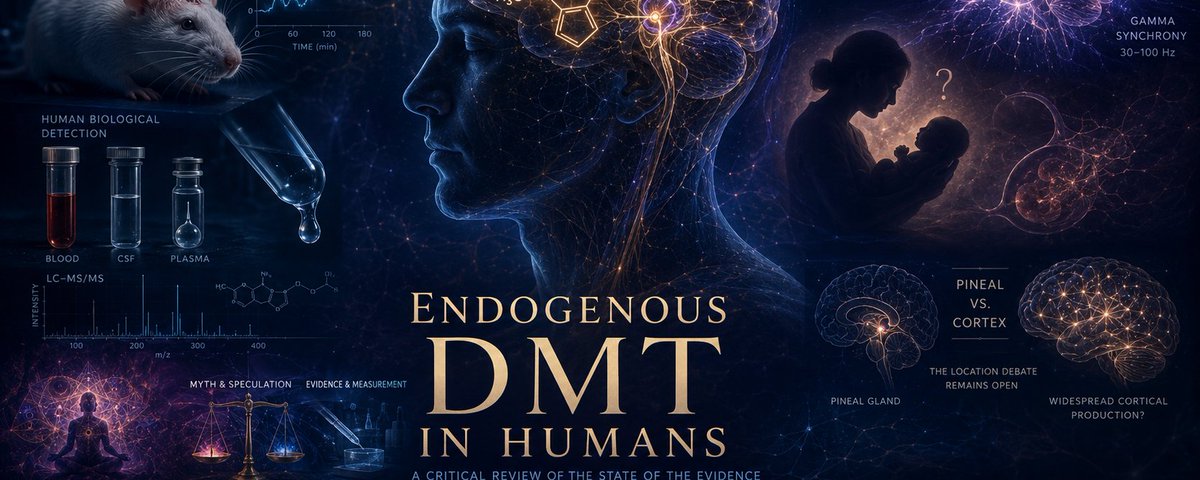
Two DMT papers appeared online five days apart this February. Both used tandem mass spectrometry.
⠀
𝗢𝗻𝗲 𝗳𝗼𝘂𝗻𝗱 𝗗𝗠𝗧 𝗶𝗻 𝘁𝗵𝗲 𝗲𝘅𝘁𝗿𝗮𝗰𝗲𝗹𝗹𝘂𝗹𝗮𝗿 𝗳𝗹𝘂𝗶𝗱 𝗼𝗳 𝗮𝘄𝗮𝗸𝗲 𝗿𝗮𝘁 𝗰𝗼𝗿𝘁𝗲𝘅. 𝗧𝗵𝗲 𝗼𝘁𝗵𝗲𝗿 𝗯𝗹𝗼𝗰𝗸𝗲𝗱 𝘁𝗵𝗲 𝗲𝗻𝘇𝘆𝗺𝗲 𝘁𝗵𝗮𝘁 𝘀𝗵𝗼𝘂𝗹𝗱 𝗱𝗲𝘀𝘁𝗿𝗼𝘆 𝗗𝗠𝗧 — 𝗮𝗻𝗱 𝘀𝘁𝗶𝗹𝗹 𝗰𝗼𝘂𝗹𝗱𝗻’𝘁 𝗺𝗮𝗸𝗲 𝗲𝗻𝗱𝗼𝗴𝗲𝗻𝗼𝘂𝘀 𝗗𝗠𝗧 𝗮𝗽𝗽𝗲𝗮𝗿.
⠀
That is where the endogenous DMT debate now sits.
⠀
In 2018, psychedelic chemist David Nichols proposed a simple test. If the brain continually makes tiny amounts of DMT and monoamine oxidase destroys it almost immediately, then block monoamine oxidase and DMT should accumulate.
⠀
In February, Mikael Palner’s group did something close to the in-vivo version. Rats were given pargyline, a powerful MAO inhibitor, and their brain tissue was tested 90 minutes later. Serotonin roughly tripled, showing the drug had worked. The assay easily detected DMT when researchers administered it themselves.
⠀
But endogenous DMT remained below the detection limit in every brain region tested.
⠀
Five days earlier, Nicolas Glynos and colleagues had published a result pointing the other way. Sampling interstitial fluid from drug-naïve rats, they detected baseline cortical DMT in 70–80% of animals — also using tandem mass spectrometry.
⠀
So the easy explanation that previous DMT findings were simply caused by less-specific analytical methods no longer works.
⠀
The studies measured different things: extracellular fluid in living animals versus whole brain tissue after death. That means they are not automatically contradictory.
⠀
But it creates a much harder question.
⠀
𝗜𝗳 𝗲𝘅𝘁𝗿𝗮𝗰𝗲𝗹𝗹𝘂𝗹𝗮𝗿 𝗗𝗠𝗧 𝗲𝘅𝗶𝘀𝘁𝘀 𝗯𝗲𝗰𝗮𝘂𝘀𝗲 𝗶𝘁 𝗶𝘀 𝗰𝗼𝗻𝘁𝗶𝗻𝘂𝗮𝗹𝗹𝘆 𝗺𝗮𝗱𝗲 𝗮𝗻𝗱 𝗿𝗮𝗽𝗶𝗱𝗹𝘆 𝗱𝗲𝘀𝘁𝗿𝗼𝘆𝗲𝗱, 𝘄𝗵𝘆 𝗱𝗶𝗱𝗻’𝘁 𝗯𝗹𝗼𝗰𝗸𝗶𝗻𝗴 𝗶𝘁𝘀 𝗱𝗲𝘀𝘁𝗿𝘂𝗰𝘁𝗶𝗼𝗻 𝗺𝗮𝗸𝗲 𝗶𝘁 𝗮𝗰𝗰𝘂𝗺𝘂𝗹𝗮𝘁𝗲?
⠀
There is another complication. The enzyme long assumed to make DMT in rats, INMT, failed to do so under the conditions tested. Meanwhile, the famous pineal story is largely beside the point: earlier work detected cortical DMT even after the pineal had been removed.
⠀
So this is no longer simply “does the brain make DMT?”
⠀
It is a problem of reconciling two modern measurements.
⠀
𝗧𝗵𝗲 𝗼𝗯𝘃𝗶𝗼𝘂𝘀 𝗻𝗲𝘅𝘁 𝗲𝘅𝗽𝗲𝗿𝗶𝗺𝗲𝗻𝘁 𝗶𝘀 𝘀𝘁𝗶𝗹𝗹 𝗺𝗶𝘀𝘀𝗶𝗻𝗴: 𝗯𝗹𝗼𝗰𝗸 𝗠𝗔𝗢 𝗮𝗻𝗱 𝗺𝗲𝗮𝘀𝘂𝗿𝗲 𝗲𝘅𝘁𝗿𝗮𝗰𝗲𝗹𝗹𝘂𝗹𝗮𝗿 𝗗𝗠𝗧 𝗯𝘆 𝗺𝗮𝘀𝘀 𝘀𝗽𝗲𝗰𝘁𝗿𝗼𝗺𝗲𝘁𝗿𝘆 𝗶𝗻 𝘁𝗵𝗲 𝘀𝗮𝗺𝗲 𝗮𝗻𝗶𝗺𝗮𝗹𝘀.
⠀
I can find no published study that has yet combined those steps.
⠀
And whichever way that experiment comes back, it would answer something this field has been arguing around for years.
⠀
𝗙𝘂𝗹𝗹 𝗮𝗻𝗮𝗹𝘆𝘀𝗶𝘀 𝗮𝘁: ardmt.com/nichols-named-the-…
#DMT #EndogenousDMT #PsychedelicScience #Neuroscience #ARDMT

49
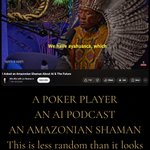
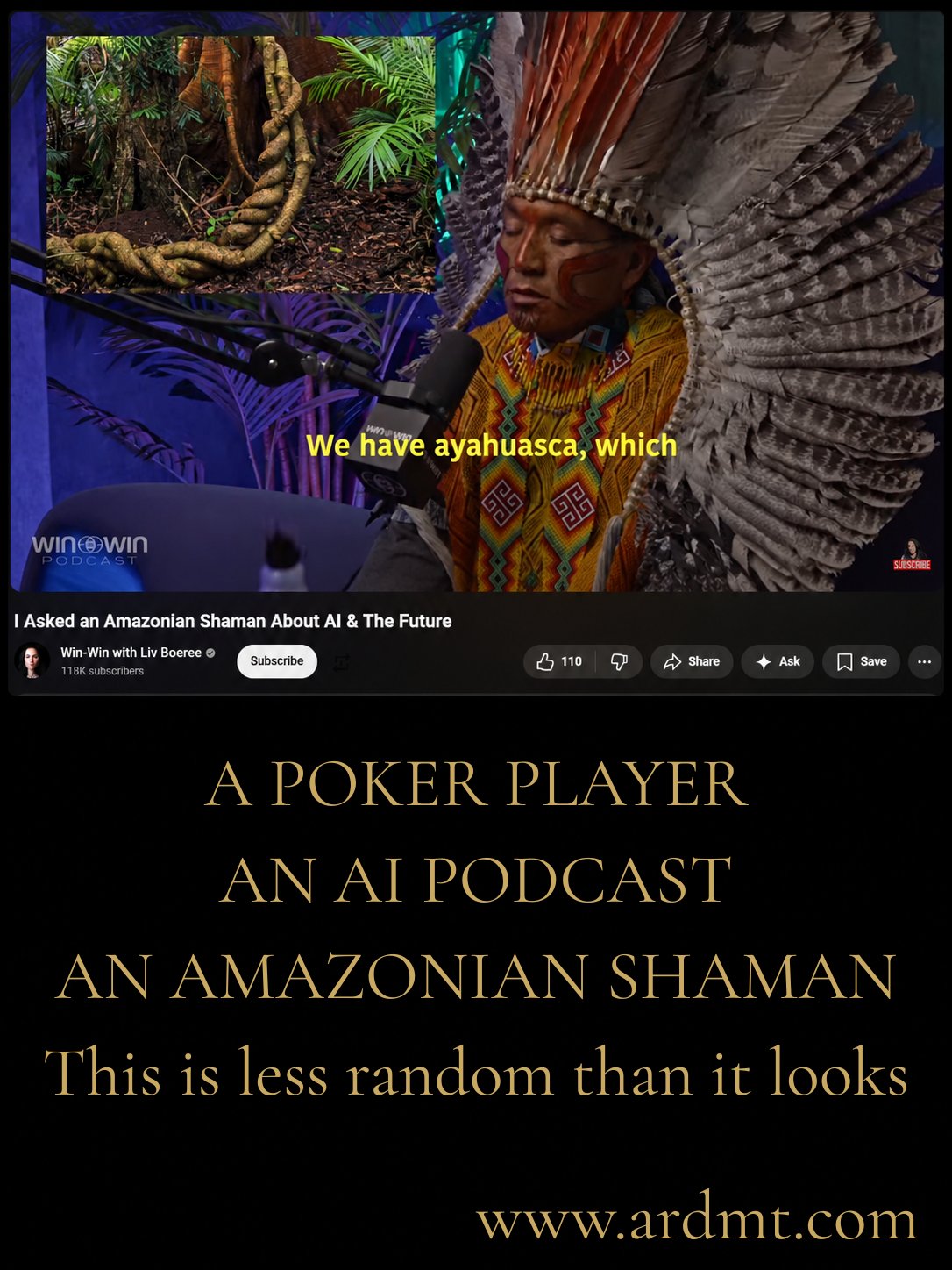
A former world-class poker player has just spent 40 minutes talking to a Huni Kuin spiritual leader from the Brazilian Amazon about AI, ayahuasca and the future of humanity.
I watched the whole thing today. It’s genuinely good — and definitely worth a watch.
⠀
Liv Boeree is best known to many people through professional poker, but her 𝘞𝘪𝘯-𝘞𝘪𝘯 podcast has increasingly moved into AI, consciousness, game theory and some fairly enormous questions about where humanity is heading.
Which is how we apparently arrive at Liv sitting opposite Txana Tuwe, discussing artificial intelligence, ancestral knowledge, ayahuasca, the Amazon and what modern civilisation might be forgetting.
On paper, it sounds almost comically random.
Watching it, considerably less so.
⠀
One idea in particular stuck with me.
Tuwe talks about what he describes as 𝘁𝗵𝗲 𝘁𝗲𝗰𝗵𝗻𝗼𝗹𝗼𝗴𝘆 𝗼𝗳 𝗮𝗻𝗰𝗲𝘀𝘁𝗿𝘆.
Not technology as computers, phones and AI, but medicines, songs, diets, plants, craft, spiritual practices and systems of knowledge passed between generations.
And interestingly, he isn't anti-technology.
He talks positively about internet access reaching his village because it has helped them share their work, education, culture and knowledge with the outside world. When Boeree shows him modern attempts to communicate with whales using technology, he finds the idea fascinating.
His concern is that one form of technology shouldn't erase the other.
⠀
That becomes a surprisingly interesting thought in the age of AI.
We are spending billions trying to work out how increasingly powerful machines should relate to humans, nature and the world around them.
Meanwhile, Indigenous cultures have spent thousands of years developing systems for understanding those relationships — systems that we rarely even recognise as technology.
You don't have to accept every part of that worldview to think the comparison is worth taking seriously.
⠀
And that is probably what surprised me most about this interview.
What initially looks like “𝗽𝗼𝗸𝗲𝗿 𝗽𝗹𝗮𝘆𝗲𝗿 𝗶𝗻𝘁𝗲𝗿𝘃𝗶𝗲𝘄𝘀 𝗔𝗺𝗮𝘇𝗼𝗻𝗶𝗮𝗻 𝘀𝗵𝗮𝗺𝗮𝗻 𝗮𝗯𝗼𝘂𝘁 𝗔𝗜” turns into a much more coherent conversation than that description has any right to suggest.
I thought it was excellent.
Definitely worth watching, and one we'll be keeping an eye on.
youtube.com/watch?v=MUsBOoSc…
#Ayahuasca #HuniKuin #IndigenousWisdom #ArtificialIntelligence
66
“𝗬𝗼𝘂 𝗵𝗮𝘃𝗲𝗻'𝘁 𝘁𝗮𝗸𝗲𝗻 𝗽𝘀𝘆𝗰𝗵𝗲𝗱𝗲𝗹𝗶𝗰𝘀, 𝘀𝗼 𝘆𝗼𝘂 𝗰𝗮𝗻'𝘁 𝘂𝗻𝗱𝗲𝗿𝘀𝘁𝗮𝗻𝗱.”
There's something obviously true about that. Someone who has taken DMT knows something about the experience that someone who hasn't simply doesn't.
But how far does that authority extend?
I've been reading Sarah Shortall's 𝘗𝘴𝘺𝘤𝘩𝘦𝘥𝘦𝘭𝘪𝘤 𝘋𝘳𝘶𝘨𝘴 𝘢𝘯𝘥 𝘵𝘩𝘦 𝘗𝘳𝘰𝘣𝘭𝘦𝘮 𝘰𝘧 𝘌𝘹𝘱𝘦𝘳𝘪𝘦𝘯𝘤𝘦 (2014), and this was the idea that stuck with me most.
Shortall traces how LSD could move from model psychosis, to therapeutic tool, to mystical sacrament, to social liberator, to dangerous drug — sometimes with the same features of the experience being used to justify opposite conclusions.
Her deeper target is 𝗲𝘅𝗽𝗲𝗿𝗶𝗲𝗻𝗰𝗲 𝗶𝘁𝘀𝗲𝗹𝗳 𝗮𝘀 𝗲𝘃𝗶𝗱𝗲𝗻𝗰𝗲.
If I take DMT and encounter an apparently autonomous intelligence, I'm probably the best authority on what that encounter 𝘧𝘦𝘭𝘵 𝘭𝘪𝘬𝘦.
But:
“𝗜 𝗲𝘅𝗽𝗲𝗿𝗶𝗲𝗻𝗰𝗲𝗱 𝗮𝗻 𝗮𝘂𝘁𝗼𝗻𝗼𝗺𝗼𝘂𝘀 𝗯𝗲𝗶𝗻𝗴”
and
“𝘁𝗵𝗲𝗿𝗲𝗳𝗼𝗿𝗲 𝗮𝗻 𝗮𝘂𝘁𝗼𝗻𝗼𝗺𝗼𝘂𝘀 𝗯𝗲𝗶𝗻𝗴 𝗲𝘅𝗶𝘀𝘁𝘀 𝗶𝗻𝗱𝗲𝗽𝗲𝗻𝗱𝗲𝗻𝘁𝗹𝘆 𝗼𝗳 𝗺𝘆 𝗺𝗶𝗻𝗱”
aren't the same claim.
There's an inference between them.
But the same scrutiny has to work in the opposite direction. A neuroscientist demonstrating the brain mechanisms accompanying that encounter hasn't thereby demonstrated:
“𝘁𝗵𝗲𝗿𝗲𝗳𝗼𝗿𝗲 𝘁𝗵𝗲 𝗯𝗲𝗶𝗻𝗴 𝘄𝗮𝘀 𝘂𝗻𝗿𝗲𝗮𝗹.”
That's an inference too.
So perhaps the useful question isn't simply 𝘄𝗵𝗼 𝗴𝗲𝘁𝘀 𝘁𝗼 𝗲𝘅𝗽𝗹𝗮𝗶𝗻 𝗮 𝗽𝘀𝘆𝗰𝗵𝗲𝗱𝗲𝗹𝗶𝗰 𝗲𝘅𝗽𝗲𝗿𝗶𝗲𝗻𝗰𝗲?
It's:
𝗪𝗵𝗮𝘁 𝗱𝗼𝗲𝘀 𝗲𝗮𝗰𝗵 𝗸𝗶𝗻𝗱 𝗼𝗳 𝗲𝘃𝗶𝗱𝗲𝗻𝗰𝗲 𝗮𝗰𝘁𝘂𝗮𝗹𝗹𝘆 𝗲𝗻𝘁𝗶𝘁𝗹𝗲 𝘂𝘀 𝘁𝗼 𝗰𝗹𝗮𝗶𝗺?
The experiencer, neuroscientist, psychologist, anthropologist and Indigenous practitioner may each know something the others don't. None automatically gets the final word on what ultimately happened.
That's the thought I'm taking from this one.
𝘙𝘦𝘢𝘥𝘪𝘯𝘨: 𝘚𝘢𝘳𝘢𝘩 𝘚𝘩𝘰𝘳𝘵𝘢𝘭𝘭 (2014), “𝘗𝘴𝘺𝘤𝘩𝘦𝘥𝘦𝘭𝘪𝘤 𝘋𝘳𝘶𝘨𝘴 𝘢𝘯𝘥 𝘵𝘩𝘦 𝘗𝘳𝘰𝘣𝘭𝘦𝘮 𝘰𝘧 𝘌𝘹𝘱𝘦𝘳𝘪𝘦𝘯𝘤𝘦”, 𝘗𝘢𝘴𝘵 & 𝘗𝘳𝘦𝘴𝘦𝘯𝘵.
𝗔𝗥𝗗𝗠𝗧 𝗥𝗲𝗮𝗱𝗶𝗻𝗴 𝗡𝗼𝘁𝗲𝘀 — 𝗠𝗦𝗰 #𝟬𝟬𝟭
𝗙𝗼𝗹𝗹𝗼𝘄 𝗵𝗲𝗿𝗲 𝗮𝗻𝗱 𝗮𝘁: 𝘄𝘄𝘄.𝗮𝗿𝗱𝗺𝘁.𝗰𝗼𝗺 𝗳𝗼𝗿 𝗺𝗼𝗿𝗲!
#Psychedelics #DMT #Consciousness #PsychedelicResearch #Philosophy

27
A DMT trial participant met an elephant-headed being and later learned it was Ganesh. The story is everywhere this week, off the back of Batuhan Bintas's appearance on Hancock Hour, and it's being framed as evidence that something objective is out there.
The framing has three problems. The experience isn't one of them.
First, the numbers. Posts are describing him as one of twelve volunteers in Imperial's DMT research. No published Imperial study has twelve. The 2019 EEG study had 13. The 2023 EEG-fMRI study in PNAS had 20. The extended-state infusion pilot was smaller again. Bintas himself said last year that there had been maybe twenty or thirty volunteers so far. Twelve makes the cohort sound rare and hand-picked. It isn't sourced to anything.
Second, "volunteer" is doing work it shouldn't. It suggests someone plucked off the street with no prior context. Imperial's DMT protocols screened for previous psychedelic experience, so no participant in these studies was naive. Bintas is an animator, independent researcher and speaker who has presented at Boom Festival, Ozora and Breaking Convention. He teaches a course on DMT entities that links them to jinn in Islam, the serpent of the Tree of Knowledge and the Burning Bush. We don't know whether that work began before or after his sessions and we won't guess. But the person in the chair was not a blank page, and nothing in the research design pretended otherwise.
Third, and most importantly, the Ganesh detail is being read backwards. The account is that he later discovered the figure he'd seen was Ganesh. The naming came afterwards. So the relevant question was never whether he knew Hinduism. It was whether the image of an elephant-headed, multi-armed figure was available to him. That is one of the most reproduced images on earth, and it is close to wallpaper at the festivals where he speaks. Not knowing the theology and not having seen the picture are entirely different claims, and only the second one would be surprising.
What remains, and it is real, is convergence. Strangers do report similar beings. But there is data on that too, and it points somewhere less exotic. Reports of the DMT jester have risen sharply over the last decade while DMT use has not: lifetime prevalence was 8.9% in the 2013 Global Drug Survey and 8.9% again in 2021, with past-year use falling. An entity spreading faster than the drug is spreading through culture. In the Johns Hopkins survey, 21% of respondents went in intending to meet an entity and 56% had encountered others before or after. Not independent observers. A community with a shared vocabulary.
None of this makes anyone's experience less vivid, less meaningful, or less worth studying. It just means the mystery is a question about why so many minds reach for the same pictures, which is a better question than the one being asked.
We can measure what DMT does to a brain. We are much further from explaining where the furniture comes from.
more at ardmt.com
Sources: Timmermann et al. 2019, Scientific Reports. Timmermann et al. 2023, PNAS. Davis et al. 2020, Journal of Psychopharmacology. Global Drug Survey 2013, 2021.

175
𝗕𝗿𝘆𝗮𝗻 𝗝𝗼𝗵𝗻𝘀𝗼𝗻’𝘀 𝗽𝘀𝘆𝗰𝗵𝗲𝗱𝗲𝗹𝗶𝗰 𝗰𝗹𝗮𝗶𝗺𝘀 𝘀𝗲𝗲𝗺 𝘁𝗼 𝗰𝗵𝗮𝗻𝗴𝗲 𝗱𝗲𝗽𝗲𝗻𝗱𝗶𝗻𝗴 𝗼𝗻 𝘄𝗵𝗼 𝗶𝘀 𝗮𝘀𝗸𝗶𝗻𝗴 𝘁𝗵𝗲 𝗾𝘂𝗲𝘀𝘁𝗶𝗼𝗻.
On Theo Von’s podcast, psilocybin “𝗹𝗲𝗴𝗶𝘁 𝗶𝘀 𝗮 𝗹𝗼𝗻𝗴𝗲𝘃𝗶𝘁𝘆 𝘁𝗵𝗲𝗿𝗮𝗽𝘆.”
In Johnson’s own more formal Blueprint write-up, the same experiment is described much more carefully: a high-dose psychedelic experience appeared to move 𝘩𝘪𝘴 biology transiently towards a low-inflammation, low-stress state that was “𝘁𝗵𝗲𝗼𝗿𝗲𝘁𝗶𝗰𝗮𝗹𝗹𝘆 𝗳𝗮𝘃𝗼𝘂𝗿𝗮𝗯𝗹𝗲” for longevity.
On All-In, when asked what the extensive brain measurements following his 5-MeO-DMT experiment had objectively demonstrated, his answer was: “𝗦𝗼 𝗳𝗮𝗿, 𝗻𝗼𝘁𝗵𝗶𝗻𝗴. 𝗜 𝗵𝗮𝘃𝗲 𝗺𝘆 𝘀𝘂𝗯𝗷𝗲𝗰𝘁𝗶𝘃𝗲 𝗲𝘅𝗽𝗲𝗿𝗶𝗲𝗻𝗰𝗲 𝘁𝗼 𝘀𝗵𝗮𝗿𝗲.”
And when Ross Douthat pressed him about the limits of extrapolating from one extensively measured human body in August 2026, Johnson said his psilocybin result “𝗱𝗼𝗲𝘀𝗻’𝘁 𝗮𝗻𝘀𝘄𝗲𝗿 𝗱𝗲𝗳𝗶𝗻𝗶𝘁𝗶𝘃𝗲𝗹𝘆,” acknowledged that some of his interventions could conceivably shorten rather than extend his life, and concluded that “𝘂𝗹𝘁𝗶𝗺𝗮𝘁𝗲𝗹𝘆 𝘄𝗲 𝗱𝗼𝗻’𝘁 𝗸𝗻𝗼𝘄.”
It is tempting to describe that as an evolution: confidence hardening through 2025 and early 2026 before Johnson became more cautious. There is some chronology to the story. But the more revealing pattern may be that the 𝘀𝘁𝗿𝗲𝗻𝗴𝘁𝗵 𝗼𝗳 𝘁𝗵𝗲 𝗰𝗹𝗮𝗶𝗺 𝗰𝗵𝗮𝗻𝗴𝗲𝘀 𝘄𝗶𝘁𝗵 𝘁𝗵𝗲 𝘀𝗲𝘁𝘁𝗶𝗻𝗴 𝗶𝗻 𝘄𝗵𝗶𝗰𝗵 𝗶𝘁 𝗶𝘀 𝗺𝗮𝗱𝗲.
The underlying evidence has not changed nearly as much as the language surrounding it.
Johnson’s interest in psychedelics long predates Blueprint’s recent longevity experiments. In 2021, when his neurotechnology company Kernel partnered with Cybin, the objective was to measure psychedelic states more rigorously. Kernel’s technology was being used to quantify changes in brain activity around psychedelic and ketamine experiences, with the emphasis on neuroscience, psychiatric drug development and reducing dependence on subjective self-report. Psychedelics were objects of measurement, not anti-ageing medicines.
His own relationship with 5-MeO-DMT was similarly different. Johnson has described an earlier 5-MeO experience as among the most important experiences of his life, occurring while he was rebuilding his identity after selling Braintree, leaving Mormonism and divorcing. He later described psychedelics as expanding his “map” of possible human consciousness and tattooed the 5-MeO molecule on his body. When he spoke to Louis Theroux about it, he was explicit that 5-MeO belonged to that period of his life rather than forming part of his normal longevity regimen.
The biological longevity hypothesis arrived later.
A July 2025 study in 𝘯𝘱𝘫 𝘈𝘨𝘪𝘯𝘨 reported that psilocin extended replicative lifespan in cultured human fibroblasts and that psilocybin treatment improved survival in aged female mice. It was genuinely interesting work and appears to have been pivotal in Johnson’s decision to test psilocybin through Blueprint. But its evidential boundaries matter: the human component consisted of cells growing in a dish, while the lifespan experiment involved mice. It did not show that taking psychedelic doses of psilocybin extends human lifespan.
Johnson nevertheless had an unusually powerful machine for asking what the compound might do in one human: himself. His psilocybin programme reportedly examined around 𝟮𝟰𝟵 𝗯𝗶𝗼𝗺𝗮𝗿𝗸𝗲𝗿𝘀, spanning blood chemistry, metabolism, brain imaging, hormones, microbiome measures, fertility, cognition and other biological systems.
The obvious criticism is that this is an N=1 experiment. But that is not actually the strongest criticism.
N=1 experiments can be useful. Johnson’s own defence — that an intensely measured individual can generate hypotheses worth testing properly — is perfectly reasonable. Case reports and unexpected observations have started real research programmes before.
The more difficult problem is 𝗡=𝟭 𝗺𝘂𝗹𝘁𝗶𝗽𝗹𝗶𝗲𝗱 𝗯𝘆 𝟮𝟰𝟵 𝗼𝘂𝘁𝗰𝗼𝗺𝗲𝘀.
Unless outcomes are specified in advance, with a defined primary endpoint, a hierarchy of secondary outcomes and some principled approach to multiplicity, a huge biomarker panel becomes exceptionally good at producing interesting-looking results. Biological measurements fluctuate. Some regress towards the mean. Some move because of unrelated behaviour, diet, sleep, exercise, timing, assay variability or ordinary chance. Measure enough things before and after an intervention and something is likely to look remarkable.
The crucial question therefore becomes not simply “𝗗𝗶𝗱 𝗮 𝗯𝗶𝗼𝗺𝗮𝗿𝗸𝗲𝗿 𝗺𝗼𝘃𝗲?” but “𝗪𝗵𝘆 𝗶𝘀 𝘁𝗵𝗶𝘀 𝗯𝗶𝗼𝗺𝗮𝗿𝗸𝗲𝗿 𝗯𝗲𝗶𝗻𝗴 𝘁𝗿𝗲𝗮𝘁𝗲𝗱 𝗮𝘀 𝘁𝗵𝗲 𝗶𝗺𝗽𝗼𝗿𝘁𝗮𝗻𝘁 𝗼𝗻𝗲?”
That matters enormously for Johnson’s glucose and inflammation claims. His glucose regulation appeared to improve markedly following psilocybin, eventually giving rise to his language about a “𝗺𝗲𝘁𝗮𝗯𝗼𝗹𝗶𝗰 𝗿𝗲𝘀𝗲𝘁 𝗯𝘂𝘁𝘁𝗼𝗻 𝗳𝗼𝗿 𝘁𝗵𝗲 𝗯𝗿𝗮𝗶𝗻.” Inflammatory measurements also moved in a direction he considered favourable.
Those observations are worth investigating. But without a pre-specified primary outcome, the interpretation is inevitably post hoc: first hundreds of things are measured, then the striking movements are identified, and only afterwards does the explanatory story emerge.
Johnson’s sperm result illustrates the same problem from the other direction.
Following his psilocybin experiments, he publicly reported deterioration in several sperm metrics. That deserves credit. It is evidence against the simplistic accusation that he only releases good news. An unfavourable result does not fit the promotional story, and he published it anyway.
But the methodological problem remains. If inflammation falls, glucose improves and sperm parameters deteriorate, what framework tells us how those results should be weighted against one another?
There is no obvious answer if none of them occupied a pre-specified position in the experiment.
The honesty of publishing discordant signals is real. The design still lacks a principled way of deciding which signals matter most.
The language around inflammation deserves similar care. Saying inflammation became “𝘂𝗻𝗱𝗲𝘁𝗲𝗰𝘁𝗮𝗯𝗹𝗲” sounds much more dramatic than saying a particular measured inflammatory marker fell below an assay’s detection threshold. Those are not necessarily equivalent. If a marker begins near the lower limit of an assay, crossing that limit may partly reflect measurement resolution rather than a biologically meaningful disappearance of inflammation.
Without the full analytical context — baseline values, assay characteristics, repeat measurements and limits of detection — “undetectable inflammation” should not quietly become “his inflammation disappeared.”
Johnson’s own more technical Blueprint language is noticeably better than that. There he describes a 𝘁𝗿𝗮𝗻𝘀𝗶𝗲𝗻𝘁 shift in his measured biology towards a state theoretically favourable for longevity. That is exactly the sort of claim his experiment can reasonably generate.
The metabolic story becomes even more interesting when the relevant animal research is examined closely, because one later study does indeed show that psilocybin can produce striking metabolic effects.
But not in anything resembling Johnson’s experiment.
Researchers studying mice with diet-induced obesity, insulin resistance and fatty liver disease used chronic 𝟬.𝟬𝟱 𝗺𝗴/𝗸𝗴 𝗽𝘀𝗶𝗹𝗼𝗰𝘆𝗯𝗶𝗻, a dose deliberately chosen to be non-psychedelic. The treatment improved several metabolic outcomes.
More importantly, the proposed mechanism prominently involved 𝗵𝗲𝗽𝗮𝘁𝗶𝗰 𝟱-𝗛𝗧𝟮𝗕 𝘀𝗶𝗴𝗻𝗮𝗹𝗹𝗶𝗻𝗴.
That distinction is not a technical footnote. It changes what the study can legitimately be used to support.
The classic psychedelic effects of psilocybin are associated principally with 5-HT2A receptor activation. Johnson, by contrast, is taking large intermittent doses specifically capable of producing profound psychedelic experiences and has described his glucose finding as something resembling a 𝗿𝗲𝘀𝗲𝘁 𝗶𝗻 𝘁𝗵𝗲 𝗯𝗿𝗮𝗶𝗻.
Yet one of the strongest pieces of animal evidence for a metabolic effect comes from a dose designed 𝗻𝗼𝘁 𝘁𝗼 𝗽𝗿𝗼𝗱𝘂𝗰𝗲 𝗮 𝗽𝘀𝘆𝗰𝗵𝗲𝗱𝗲𝗹𝗶𝗰 𝘀𝘁𝗮𝘁𝗲, acting through a peripheral metabolic pathway involving the liver.
That does not prove Johnson’s glucose observation is unrelated to his psychedelic dose. It does something subtler and more important: it shows that the available mechanistic evidence does 𝗻𝗼𝘁 𝗿𝗲𝗾𝘂𝗶𝗿𝗲 𝘁𝗵𝗲 𝗽𝘀𝘆𝗰𝗵𝗲𝗱𝗲𝗹𝗶𝗰 𝗲𝘅𝗽𝗲𝗿𝗶𝗲𝗻𝗰𝗲 𝗮𝘁 𝗮𝗹𝗹.
Psilocybin may have metabolic effects.
That is not the same proposition as saying the psychedelic state produced a metabolic reset in Johnson’s brain.
The distinction becomes even more important with 5-MeO-DMT.
Johnson had previously regarded 5-MeO primarily as an extraordinary consciousness-altering experience. In March 2026 he brought it inside Blueprint and described the new session largely as a longevity experiment. He took 5-MeO while surrounding himself with the sort of measurement apparatus his project is famous for: EEG, structural and functional MRI, Kernel measurements and other physiological data.
Subjectively, the experience was enormous. Johnson described feeling renewed, childlike and profoundly changed.
But when the All-In hosts asked the obvious scientific question — what had all those instruments actually established? — he replied:
“𝗦𝗼 𝗳𝗮𝗿, 𝗻𝗼𝘁𝗵𝗶𝗻𝗴. 𝗜 𝗵𝗮𝘃𝗲 𝗺𝘆 𝘀𝘂𝗯𝗷𝗲𝗰𝘁𝗶𝘃𝗲 𝗲𝘅𝗽𝗲𝗿𝗶𝗲𝗻𝗰𝗲 𝘁𝗼 𝘀𝗵𝗮𝗿𝗲.”
That may be one of the most scientifically responsible things Johnson has said about the experiment.
Later, when he reported roughly a 40% increase in Lempel-Ziv complexity after 5-MeO, the result became “𝗺𝘆 𝗯𝗿𝗮𝗶𝗻 𝗯𝗲𝗰𝗮𝗺𝗲 𝟰𝟬% 𝗺𝗼𝗿𝗲 𝗰𝗵𝗶𝗹𝗱-𝗹𝗶𝗸𝗲 𝗶𝗻 𝟯 𝗺𝗶𝗻𝘂𝘁𝗲𝘀.”
Again, the measurement itself is interesting. Lempel-Ziv complexity is a measure of signal diversity or complexity and has legitimate applications in consciousness research.
But the instrument did not measure “child-likeness,” just as Johnson’s earlier psilocybin measurements did not detect a literal return to “𝗳𝗮𝗰𝘁𝗼𝗿𝘆 𝘀𝗲𝘁𝘁𝗶𝗻𝗴𝘀.”
Both phrases belong in the interpretation layer.
They may describe how the experience felt or provide an intuitive metaphor for a complex signal. They should not migrate backwards into descriptions of what was physically measured.
All of this makes the way Johnson speaks in different settings unusually important.
When he is in the expansive podcast register with Theo Von, the language reaches its maximum:
“𝗜𝘁 𝗹𝗲𝗴𝗶𝘁 𝗶𝘀 𝗮 𝗹𝗼𝗻𝗴𝗲𝘃𝗶𝘁𝘆 𝘁𝗵𝗲𝗿𝗮𝗽𝘆.”
When he writes up his own biomarker data more formally, the finding becomes a transient biological state 𝘁𝗵𝗲𝗼𝗿𝗲𝘁𝗶𝗰𝗮𝗹𝗹𝘆 𝗳𝗮𝘃𝗼𝘂𝗿𝗮𝗯𝗹𝗲 for longevity.
When All-In asks what the objective measurements have demonstrated about 5-MeO, the answer is:
“𝗦𝗼 𝗳𝗮𝗿, 𝗻𝗼𝘁𝗵𝗶𝗻𝗴.”
And when Ross Douthat challenges the epistemology of the entire Blueprint enterprise, Johnson describes his psilocybin experiment as hypothesis-generating rather than definitive, says the science is in its “𝗲𝗮𝗿𝗹𝘆, 𝗲𝗮𝗿𝗹𝘆 𝘀𝘁𝗮𝗴𝗲𝘀” and accepts that ultimately he does not know whether all of his interventions will make him live longer.
This does not necessarily mean Johnson is being dishonest in one setting and truthful in another.
People naturally speak differently in a written scientific-style report, an entertainment podcast and an adversarial interview. Johnson may genuinely hold all of these positions simultaneously: that he finds the result extraordinarily persuasive, that he believes psilocybin probably has longevity relevance, and that he knows the evidence is nowhere near sufficient to establish human lifespan extension.
But once someone occupies the unusual position Johnson now does — part experimental subject, part science communicator, part media personality and part founder of a commercial longevity brand — those changes in register matter.
Blueprint is not merely a research diary. It is also a business, and “𝗹𝗼𝗻𝗴𝗲𝘃𝗶𝘁𝘆 𝘁𝗵𝗲𝗿𝗮𝗽𝘆” is consequential language in a longevity marketplace.
That does not mean Johnson is trying to sell psilocybin. In fact, that is an important mitigating point: psilocybin is not a conventional Blueprint supplement or consumer product from which he can simply capture the resulting demand. The commercial incentive is therefore less direct than it would be if he were announcing a dramatic result for something sold in his own store.
But attention itself has value. Associating Blueprint with provocative possibilities at the frontier of longevity research strengthens a brand built around extreme experimentation, measurement and being early to ideas that conventional medicine has not yet validated.
That context does not invalidate the experiment.
It does mean the difference between “𝘄𝗲 𝗼𝗯𝘀𝗲𝗿𝘃𝗲𝗱 𝘀𝗼𝗺𝗲𝘁𝗵𝗶𝗻𝗴 𝘀𝘁𝗿𝗮𝗻𝗴𝗲” and “𝘁𝗵𝗶𝘀 𝗶𝘀 𝗮 𝗹𝗼𝗻𝗴𝗲𝘃𝗶𝘁𝘆 𝘁𝗵𝗲𝗿𝗮𝗽𝘆” deserves more scrutiny, not less.
The fairest conclusion is therefore not that Bryan Johnson has proved psychedelics extend life, nor that his measurements are worthless.
He may have found something worth studying.
The cell and animal longevity results are real. His glucose observation is interesting. Psychedelics clearly produce measurable neurobiological effects. The peripheral metabolic work raises intriguing possibilities. His extraordinary density of self-measurement may identify effects that eventually become proper research questions.
But there is still no controlled human evidence that psilocybin extends lifespan or healthspan, and hundreds of measurements in one unusually monitored person do not become a clinical trial simply because the dataset is large.
Johnson actually seems to understand that.
What makes the story interesting is how inconsistently that understanding survives contact with the microphone.
The scientific version of the claim is that his experiment generated an unexpected signal worth testing.
The maximal media version is that psilocybin “𝗹𝗲𝗴𝗶𝘁 𝗶𝘀 𝗮 𝗹𝗼𝗻𝗴𝗲𝘃𝗶𝘁𝘆 𝘁𝗵𝗲𝗿𝗮𝗽𝘆.”
Those are not equivalent propositions.
And as of August 2026, the strongest corrective to Bryan Johnson’s psychedelic longevity claims may still be Bryan Johnson himself — provided you ask him in the right room.
link in comments for more.
#BryanJohnson #Psychedelics #Psilocybin #LongevityScience #PsychedelicResearch

1
1
198
Dreams and psychotic hallucinations are overwhelmingly populated by ordinary people: normal-sized, normal-looking humans, assembled from stored models of the everyday world.
DMT is not like that. Humans appear in under 5% of reports.
A preprint from Andrew Gallimore, Niffe Hermansson and Donald Hoffman, "Traces of the Other," argues that the entity question can be tested rather than just argued about.
Their starting point is that anomaly. If DMT entities were the same machinery running without top-down constraint, you would expect the same cast. Instead, entity encounters run to roughly 45% across an analysis of 3,778 reports, and 72% in one naturalistic field study, and the beings described are neither human nor animal.
Their explanation draws on Hoffman's "conscious realism": perception is a species-specific interface rather than a picture of reality, and DMT temporarily restructures that interface, letting normally imperceptible conscious agents leave traces in experience.
The authors are careful here. They state that hallucination remains the default and most parsimonious explanation.
What makes the paper worth reading is that they propose experiments. Using extended DMT infusions, one participant gives an entity a randomly generated word or number. A second participant, isolated and in a separate session, attempts to retrieve it.
If those tests consistently fail, the hypothesis takes a serious hit, and the authors say as much.
If they don't, consciousness research gets very interesting, very quickly.
ardmt.com/tag/exploration/
Source: Gallimore, Hermansson & Hoffman, "Traces of the Other: Are DMT Entities Real?", PsyArXiv (2026)
#DMT #ConsciousnessResearch #Psychedelics #PhilosophyOfMind #Preprint

111
Twelve veterans with PTSD entered an open-label study of psilocybin-assisted therapy.
Before any drug, their clinician-rated scores had already fallen 6.33 points across eight hours of preparation.
ardmt.com/before-the-molecul…

16

Exercise and psychedelics are two of the more promising non-standard treatments for depression.
Nobody has tested them together.
#PsychedelicResearch #Depression #Neuroplasticity #ExerciseIsMedicine #MentalHealthResearch

12
What if the postpartum period isn’t just something to 𝘨𝘦𝘵 𝘵𝘩𝘳𝘰𝘶𝘨𝘩 — but one of the most important sensitive periods of adult life?
Go into more depth : ardmt.com/the-sensitive-peri…
#PostpartumDepression #Matrescence #MotherBabyDyad #PsychedelicResearch

11
A psychedelic trial is required to report whether the bathroom was private.
It is not required to say what happened in the fourteen hours of therapy before the drug.
One of these is more likely to have affected the outcome.
ardmt.com/seventeen-to-one/

14
In 1874 a farmer posted 37 pages about anaesthesia to Tennyson and William James.
Tennyson confessed. James tried it. Psychedelic science still uses his framework.
ardmt.com/thirty-seven-pages…
#𝗛𝗶𝘀𝘁𝗼𝗿𝘆𝗢𝗳𝗦𝗰𝗶𝗲𝗻𝗰𝗲 #𝗪𝗶𝗹𝗹𝗶𝗮𝗺𝗝𝗮𝗺𝗲𝘀 #𝗧𝗲𝗻𝗻𝘆𝘀𝗼𝗻

17


