

Get the latest AI news and reviews of AI tools. Your go-to for all things in AI. Join https://teapawt.org/t.co/8VLoLq69PF where you can ask AI to handle your marketing work.
Join for free→
Joined August 2023
- Tweets2.6K
- Following184
- Followers3.7K
- Likes1.3K
Agos Labs retweeted

NoimosAI now finds your perfect leads from 930M+ contacts and automate your whole GTM workflow.
works in ChatGPT, Claude code and more with MCP too.

Agos Labs retweeted

Vibe-code an app over a weekend and it can feel like you no longer need developers.
Before paying customers rely on it, these 10 areas need a closer look:
• Identity: Test signup, expiring reset links and session revocation. If you offer MFA, include a recovery path.
• Access: Enforce permissions on the server. Try accessing another user's records by changing an ID; test isolation between customer accounts.
• Data: Validate inputs server-side. Plan migrations and test a restore, not just a backup. Decide how accidental deletes can be recovered.
• Payments, if applicable: Test duplicate submissions, retries, failed payments and refunds. Reconcile what you charge with what you record.
• Security: Remove exposed secrets, review dependencies, limit production access and keep credentials and sensitive data out of logs. Test for common injection and access-control failures.
• Deployment: Separate test and production environments. Run checks before release and practice rolling back a bad deploy.
• Reliability: Set timeouts and safe retry rules for external services. Track errors and latency, alert someone who can act, and write down how to recover.
• AI behavior: Test prompts and outputs against real tasks, including adversarial inputs. Set spending limits, plan for provider outages and require human approval for consequential actions.
• Testing: Cover signup and other critical journeys end to end. Exercise failure paths, realistic data, accessibility and the load you expect.
• Maintenance: Review generated code, document design decisions, update dependencies and assign ownership for incidents and ongoing fixes.
Not every app needs every control. Skilled people still need to decide which risks matter, verify the implementation and take responsibility when it fails.
Agos Labs retweeted
Customer feedback should not be stored in interview notes. It is an input that connects every stage of GTM.
Here’s how to make that loop useful:
• Narrow the customer and the problem. Choose a specific buyer and a problem worth solving. If the target is too broad, you won’t know which feedback should drive the next decision.
• Interview customers before polishing the pitch. Ask how they handle the problem today, where the process breaks, and what they’ve already tried. Capture the words they use, not just your summary of what they meant.
• Build the smallest product that solves the problem. Use interviews to decide what belongs in the first version—and what can wait. Then watch whether customers can reach the outcome they came for.
• Have founders onboard early customers personally. Note every question, hesitation, workaround, and mismatch between what customers expected and what the product did.
For agent products, don’t stop at “did the task get done?” Watch how customers connect the external tools and APIs the task requires. A successful result can still hide a difficult setup.
That’s a useful lens for Relvo, too: its catalog spans 50+ providers, eligible tools can use one key, and routing considers price, success rate, and speed.
• Put the feedback to work. Use recurring friction to inform product priorities. Use customers’ own language to sharpen positioning, landing pages, content, and sales materials. When a customer has a real result to share, turn it into a case study with their permission.
• Connect content to sales. Track which topics and touchpoints lead to sales conversations. Bring objections, buying triggers, and customer language from those conversations back into the product and messaging.
• Once results emerge, focus on the 1–2 acquisition channels producing customers. Improve those before adding more channels. Keep checking whether the message that attracts people matches what they experience after onboarding.
Agos Labs retweeted
A timeout doesn't tell an agent whether an API write succeeded.
For safe retries:
• Reuse the same idempotency key for the same action—not a new key per attempt.
• If the API lacks idempotency, check the action's status first. If it's still unknown, stop for review rather than risk a duplicate.
Agos Labs retweeted

Parasite SEO is the easiest way to dominate Google's 1st page in two weeks.
Instead of your own site, post on giants like Reddit and leverage their authority to rank for competitive keywords.
Here are 10 ways to do it without penalties:
1/ Answer high-intent questions on Reddit
Find threads like “What’s the best CRM for a small agency?” Explain the options, costs, and trade-offs. Mention your product where it fits and disclose your connection. Your answer can keep reaching people through search. ※Follow each community’s rules carefully.
2/ Turn your expertise into LinkedIn articles
Pick a problem your customers search for, like “how to reduce returns for an online store,” and use NoimosAI to help turn your knowledge into an article. LinkedIn is one of the most-cited domains in AI search, giving your expertise another way to get discovered.
3/ Publish YouTube community posts
Post useful, niche-specific answers on your YouTube channel. A running brand could explain how to choose shoes for a first marathon. Community posts can appear in Google search results and AI Overviews. You don’t always need a video to create a search entry point.
4/ Publish articles on X
Take a topic like “how to launch your first online store” and break it into numbered actions. Include actual searches, examples, and tools. Give readers useful answers from the start instead of making them click a link to get the information.
5/ Write buying guides on Medium
Publish specific comparisons like “Shopify vs. WooCommerce for your first online store.” Cover costs, setup, and limitations. Submit to a relevant Publication to reach readers beyond your existing followers.
6/ Answer purchase questions on Quora
Find questions about alternatives, pricing, and choosing a product. Explain which option fits which use case, whether someone is choosing accounting software or a camera for product photography. Reach people while they’re deciding what to buy.
7/ Give away a useful GitHub project
Publish an automation, prompt library, or API example. Think inventory alerts, product-data cleanup, or a simple reporting script. Add a README with setup instructions and sample output. Make it something people searching for that task can actually use.
8/ Publish a Google Sheets resource
Create a profit-margin calculator, supplier comparison, or launch checklist. Add examples, make it publicly accessible, and share it in relevant discussions. Give people something worth bookmarking and using again.
9/ Get listed in software directories
Find G2, Capterra, or niche directories appearing in search results for your category. Add current pricing, screenshots, integrations, and use cases. Collect honest customer reviews so buyers have a reason to shortlist your product.
10/ Get featured in articles that already rank
Search “best [product category]” and “[competitor] alternatives.” Use NoimosAI to research relevant articles, then send their editors your product’s use case, differentiator, and a demo or sample. Give them a real reason to include it.
Where should you start?
Open an incognito window and search for the keyword you want to rank for in your target market.
Reddit already ranking? Answer those questions.
YouTube videos? Create a walkthrough.
Comparison sites? Work on getting featured.
Even if your domain isn't strong enough yet, you can still rank by leveraging more established platforms.


Agos Labs retweeted
AI search engines cite answers, not keywords.
Here’s how to win citations in ChatGPT & Perplexity:
1. Find prompts your buyers ask LLMs
2. Audit competitor sources cited
3. Use NoimosAI to spot visibility gaps
4. Publish clear, structured answers
Get recommended where buyers evaluate tools.

Agos Labs retweeted
Here’s a full breakdown of 25 marketing channels to grow your business in 2026:
1. X, LinkedIn & Threads
Turn the work you already do into content: customer questions, experiments, product demos, and lessons from solving real problems. Use LinkedIn for professional conversations and X or Threads where your niche is active.
Contribute useful replies to relevant discussions so people can discover you before they follow you.
2. TikTok, Instagram Reels & YouTube Shorts
Show the result before explaining the process. A product demo, before-and-after, or customer use case gives TikTok, Reels, and Shorts viewers something concrete to understand.
Turn one strong idea into several openings instead of inventing a new concept for every video.
3. YouTube (Long-form)
Answer the questions a potential customer would spend ten minutes researching. Tutorials, comparisons, and walkthroughs let you demonstrate your product while helping someone make a decision.
Start with questions your sales or support team already hears, and link viewers to the exact resource shown in the video.
4. Instagram & Pinterest
Package useful information into visuals people can save: checklists, examples, breakdowns, and step-by-step guides.
Use Instagram to show your product and the people behind it. Use Pinterest for ideas tied to planning or purchasing, linking each visual to a page that delivers what it promises.
5. Communities
Find the Reddit threads, Slack groups, Discord servers, and forums where customers already discuss your category. Look for recurring questions you can answer with real experience.
Those conversations can reveal content ideas, product gaps, and potential customers. Follow each community’s rules and contribute before promoting.
6. Email & Customer Messaging
Build follow-ups around what someone has done, not just how many days have passed. Help a trial user complete a valuable task, show an existing customer an overlooked use case, or give an inactive user a relevant reason to return.
Use SMS or push notifications selectively for timely, opted-in updates.
7. AI Search
Optimize your website for discovery in ChatGPT, Perplexity, and Google’s AI answers.
Allow relevant search crawlers, fix indexing issues, and keep key information in crawlable text with clear internal links. Use accurate structured data that matches the page.
Publish comparison pages and direct answers backed by original evidence, then track citations, referral traffic, and signups.
8. SEO
Start closer to the purchase: alternatives, comparisons, integrations, and specific use cases.
Before producing more articles, find existing pages that get impressions but few clicks or visits but few conversions. Programmatic SEO can expand coverage when each page has genuinely useful, distinct information.
9. Free Tools, Templates & Diagnostics
Build a small tool that solves the first step of your customer’s problem. A calculator, audit, generator, or template can introduce people to your expertise through an immediate result.
Connect that result to a natural next step in your paid product, and give the tool its own distribution plan.
10. Creators & Influencers
Find creators whose audience experiences the problem you solve. Let them demonstrate a real workflow rather than read a feature list.
Start with a small set of collaborations, track the customers they bring, and negotiate reuse rights so strong videos can also support your website or ads.
11. Affiliates
Look for people already recommending products in your category: educators, reviewers, consultants, and niche publishers. Give them a clear reason to recommend yours, useful examples, and transparent tracking.
A relevant audience and credible recommendation matter more than a large list of inactive affiliates.
12. Customer Referrals
Ask for introductions after customers experience a clear win. Make the request specific: who would benefit, why, and what they should do next.
Keep sharing simple and choose rewards that fit your economics. Track whether referred customers activate and stay.
13. Agencies & Business Partnerships
Partner with companies serving the same customers for a different need. An agency can use your product in its delivery, a consultant can recommend it, and a complementary business can co-create a resource.
Start with a concrete shared offer instead of a vague agreement to cross-promote.
14. Integrations & Developer Ecosystems
Make your product useful inside a workflow people already have. Build around a real customer request, then publish a working example and pursue relevant partner listings or co-marketing.
APIs, plugins, and AI-agent connectors need a clear use case and a way for users to discover them.
15. Marketplaces & App Stores
Meet buyers inside the ecosystems they already use. Choose listings based on customer fit, then show exactly what your product helps them accomplish.
Use specific screenshots and a focused demo. Reduce friction between discovering the listing, installing the product, and getting the first useful result.
16. Review & Comparison Sites
Help people who are already evaluating their options. Keep your profiles current, request honest customer reviews, and explain the situations where your product is a good fit.
Competitor reviews are useful research too: repeated complaints can reveal an audience that existing solutions serve poorly.
17. Podcasts, PR & Guest Contributions
Bring a useful story to someone else’s audience. Share original data, an unusual experiment, or a customer problem you understand deeply.
Pitch a specific topic suited to their listeners or readers. Prepare a relevant resource so interested people have somewhere useful to go afterward.
18. Webinars, Workshops & Events
Teach something attendees can actually use. A live teardown, implementation session, or hands-on workshop creates a concrete reason to attend.
Partner with someone who reaches the right audience, then turn questions and recordings into follow-up content. Connect the next step to what participants came to learn.
19. Cold Email & DMs
Choose prospects with a credible reason to need your product now. A new role, relevant launch, or visible workflow problem can make an introduction timely.
Keep the message specific and the ask small. Learn from replies before scaling outreach, and respect opt-outs.
20. Search & Shopping Ads
Test demand from people already looking for a solution. Send each ad to a page that matches the specific query and offer.
Review the searches you are paying for, not just the keywords you selected. For ecommerce, assess acquisition costs against margins, returns, and repeat purchases.
21. Paid Social, Video & Display Advertising
Pay to reach relevant audiences beyond your existing followers. Test different reasons to buy through product demonstrations, customer stories, and problem-led creative.
Match each ad to a landing page with the same promise. Separate retargeting from prospecting, and evaluate qualified signups or purchases rather than clicks alone.
22. Newsletter & Podcast Sponsorships
Find a publisher whose audience closely matches your buyers. Start with a focused placement and an offer that fits the surrounding content.
A small specialist publication may be worth testing before a broad one. Use a dedicated landing page and ask new customers how they found you.
23. Product-Led Sharing
Make sharing part of getting value from your product. Reports, public pages, collaboration invites, and embeds can introduce new people to it through useful work.
Give the recipient a good experience before requiring signup. Build the sharing loop around a real user need.
24. Launch & Discovery Platforms
Use Product Hunt and relevant niche launch communities to put a new product or meaningful update in front of early adopters. Make the demo easy to try and be ready to answer questions.
Capture feedback and improve onboarding so the launch leads to more than a temporary traffic spike.
25. Local Search & Maps
Prioritize this when customers choose based on location. Keep your business details, service area, photos, and availability accurate.
Ask for honest reviews after successful visits or projects, and make it easy to book or contact you directly from the pages people discover.
You do not need to reach for everything all at once. Choose channels where your customers discover, evaluate, and buy products like yours.
The bottlenecks are always cost and manpower. We built NoimosAI to solve this, using AI agents from acquisition to engagement.
Scale your business without increasing headcount.

Agos Labs retweeted
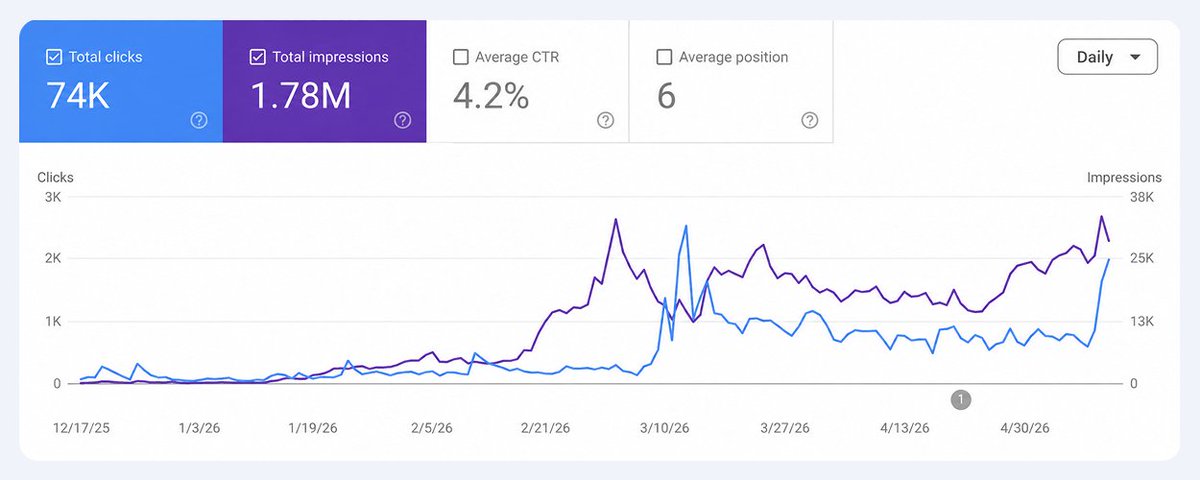
we grew @noimos_ai to $1m ARR in the first month after its full launch.
if i lost everything and had to start again from zero, here's exactly what i'd do:
1/ launch the smallest version as early as possible.
most founders wait too long to launch.
they convince themselves that the product needs to be more polished, more complete, or capable of handling more use cases.
i made the same mistake.
but before launch, most product decisions are still guesses.
the moment you release, real users start showing you what matters, what confuses them, and what needs to change.
once we launched @noimos_ai, the pace of development and improvement increased dramatically.
problems that were difficult to see internally became obvious as soon as people started using the product.
launch the smallest version that delivers one clear outcome.
real feedback will move the product forward much faster than another month of building in private.
2/ charge earlier than feels comfortable.
free users can tell you what they might use.
paying users show you what they need badly enough to pay for.
add a real price, offer a paid pilot, or require credit card details early.
(we require users to enter their credit card details when they sign up for @noimos_ai.)
this creates friction, but that friction is useful. it filters out casual signups and brings you closer to people with a real and urgent problem.
100 free users can give you 100 different feature requests.
one paying customer can show you which problem is valuable enough to build a business around.
interest is easy to collect.
payment is a much stronger signal.
3/ onboard the first customers yourself.
set up their accounts. import their data. answer their questions. watch them use the product.
don't just ask whether they like it.
observe where they hesitate, what they misunderstand, and how long it takes them to experience the first useful outcome.
the first customers are not only revenue.
they teach you how customers describe the problem, what they expect from the product, and what they actually need to succeed.
before trying to scale acquisition, prove that you can help the first 10 customers one by one.
4/ measure where users disappear—and talk to them.
track the entire journey:
traffic source → signup → activation → paid conversion → retention
when users stopped during onboarding, we emailed them a meeting link. i joined the calls, watched their screens, and helped them complete the setup.
we also contacted people who canceled and asked what they expected, where the experience fell short, and what they chose instead.
analytics finds the drop-off.
conversations reveal the reason.
5/ focus your acquisition channels, then find the next one before saturation.
don't try every channel at once.
choose a small number of channels where your customers already spend time. test them cheaply. scale the winners. build a system that can maintain their performance.
the process is:
test → scale → maintain
but maintaining a working channel doesn't mean you should stop exploring.
the easiest and highest-intent customers in a channel are usually acquired first. over time, the remaining audience becomes harder and more expensive to convert.
start testing the next channel before the current one is fully saturated.
keep your proven channels running while building the next source of growth.
6/ publish use cases, not feature announcements.
feature announcements explain what changed.
use cases show why it matters.
show the customer's problem, the workflow, and the outcome. make the benefit clear enough that the right person can immediately understand how the product would help them.
use-case content tends to convert better because it communicates the value before someone even tries the product.
while building @noimos_ai, we used it ourselves to research winning formats, analyze successful videos, and develop new variations.
our UGC generated more than 60m organic views in two months.
7/ improve retention while you scale acquisition.
retention is what makes growth compound.
when customers stay, every new cohort adds to the customers you already have. when they leave, acquisition only replaces the users you lost.
this doesn't mean waiting for perfect retention before acquiring anyone.
acquisition and retention should improve together.
keep bringing in enough users to learn. keep improving onboarding, activation, and the recurring value that makes them stay.
then increase acquisition as the product becomes better at retaining the customers it attracts.
growth compounds when each new customer adds to the base instead of filling the same hole again.
8/ automate only after you understand what works.
automation is useful after you understand the work.
before that, it can scale the wrong process and hide the information you still need to learn.
talk to customers manually before automating research.
create and review content yourself before automating production.
study the data yourself before delegating recurring analysis to an agent.
once the patterns are clear, automate the repetitive parts.
today, we use @noimos_ai internally for daily social listening and trend research, as well as weekly SEO and competitor analysis.
but the goal isn't to automate everything.
it's to automate repeatable work without automating away the learning.
if i had to start again, i'd keep the loop simple:
launch early.
get feedback from real customers—not just your own team.
do the work manually until you understand it.
then automate the parts that are proven and repeatable.
the faster you repeat that loop, the faster the product improves.
Agos Labs retweeted
How to get ignored in AI search in 2026:
- Counting citations as wins—even though around 40% never name the source brand
- Publishing only on your own site—while AI relies on third-party sources
- Testing one prompt in one model—and calling it AI visibility
How to get recommended by AI in 2026:
- Audit and fix how AI systems understand your site
- Track buyer-intent prompts across multiple models weekly
- Find where competitors win—and create content to close the gaps
NoimosAI handles all three
Agos Labs retweeted
Duolingo built a $1B/year business by mastering retention.
Here's how you can recreate it:
> Go to noimosai.com
> Enter your goal
> Import your user list
> It builds a personalized campaign
> Review and approve
> It will deliver messages tailored to user behavior
Agos Labs retweeted
Try it for free: noimosai.com/en
Agos Labs retweeted
Introducing Astra for Customer Retention & Growth.
Just describe your goal. NoimosAI autonomously creates and delivers personalized campaigns that keep customers engaged and coming back.
Maximize customer lifetime value. All on a single platform.
🤖 Made with AI
The past week brought a flood of major AI updates.
- GPT-5.6 Gets a ChatGPT Upgrade
- OpenAI’s Astra Advances 10 Open Problems
- Claude Code Sessions Can Now Talk
- Cloudflare Built a Browser for Agents
...and more
Here are the must-know updates to ensure you don't get left behind 🧵
1
2
485
The rapid pace of development across AI models, autonomous agents, and developer tooling continues to accelerate.
Follow @Agos_Labs, like this thread, and repost to stay updated on the latest AI news and breakthroughs.
1
22
NoimosAI is the world's first autonomous AI marketing team that proactively runs your marketing for every individual and company.
It knows how you work and what works best for you, getting smarter every day.
Try for free: noimosai.com/en
28