

a BTS Sentinel/Guide fest | mods⚡️(she/they) & 🌊 (any pron), 25+ | 🔞fest, minors DNI | all times in cst
- Tweets2.9K
- Following60
- Followers506
- Likes917




ALT White graphic with three hexagons at the top followed by texts "Guiding Light Fest," "pulling you out of the zone," and "Master Thread | Season 2".

ALT White square on dark magenta graphic. Title text says "stardust, broken down" with borders and hexagons. A photo and a bee on the right corner. Includes "Created by: Sentinel pal" and "Alias: paliampelo" and list of tags about the fic. Three hexagons at the lower left and text "guiding light fest" at the lower right corner.

ALT White graphic with purple hexagon and a yellow bee on background. Text "guiding light fest" followed by "WIP Wednesday" and "Share a photo of your guide's favorite sound(s)."

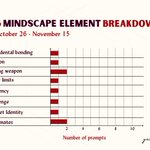
ALT A bar graph titled "Claiming Mindscape Element Breakdown" with "Week 25-27: October 26 - November 15". A total of 10 tropes is claimed, namely 'accidental bonding' 'canon' 'living weapons' 'new limits' 'regency' 'revenge' 'secret identity' and 'soulmates'. The text "guiding light fest" is at the lower left corner and different shades of red hexagons at the margins.

ALT White graphic with purple hexagon and a yellow bee on background. Text "guiding light fest" followed by "WIP Wednesday" and "Your mindscape at a glance."

ALT Graphic with stars on the background and text "Guiding light fest" at the top followed by text "Searching for starlight" and "task 9: Fill out the crossword."

ALT Graphic with stars on the background and text "Guiding light fest" at the top followed by a crossword puzzle.


ALT Graphic with stars on the background and text "Guiding light fest" at the top followed by text "Pre-ceremony registration" and "Like (and repost) to get your ID card!"

ALT Graphic with stars on the background and text "Guiding light fest" at the top followed by text "Searching for starlight" and "task 8: Share a mindscape that fits the below scent profile: Cinnamon Leaf, Nutmeg, & Myrrh."

ALT Dark magenta graphic with gold hexagon and a yellow bee on background. Text "guiding light fest" followed by "WIP Wednesday" and "Share a line that has the word sun in it."

ALT White square on dark magenta graphic. Title text says "To The Core" with borders and hexagons. A photo and a bee on the right corner. Includes "Created by: Sentinel Nele" and "Alias: Bandit4Life" and list of tags about the fic. Three hexagons at the lower left and text "guiding light fest" at the lower right corner.


ALT Lilac graphic with violet borders and a purple feather on the top followed by texts "BTS Beta Reader Services", "since 2021", and "Main Thread".

ALT Cream graphic with hexagons with different colors and header "Writing Tip Tuesday" followed by paragraph entitled "Writing Dialogue". Rest of the text reads, "Dialogue is the written representation of a conversation between two or more characters. It helps: Reveal character personality Advance the plot Build tension and conflict Add realism to storytelling Dialogue is essential for making your writing dynamic and engaging, especially in fiction and narrative forms. types of dialogue 1. Direct Dialogue Direct Dialogue is when a character’s exact spoken words are presented within quotation marks, allowing readers to hear their voice clearly. It makes conversations feel immediate and engaging. Example: “I can’t believe you did that,” she said, shaking her head. When to use: Conversations between characters Emotional or dramatic scenes Key plot moments Writing Tip: Keep it natural. Avoid overly formal language unless it fits the character." At the lower right corner reads, "guiding

ALT Cream graphic with hexagons with different colors and header "Writing Tip Tuesday" followed by paragraph entitled "types of dialogue". Rest of the text reads, "2. Indirect Dialogue Indirect Dialogue reports what a character said without quoting their exact words. It summarizes speech using phrases like “he said that” or “she told him” This type keeps narration smooth and concise. Example: She said that she was too tired to continue the journey. When to use: To speed up pacing To summarize long conversations When details are less important Writing Tip: Use this to avoid unnecessary repetition. 3. Inner Dialogue (Internal Monologue) Inner dialogue refers to a character’s private thoughts and feelings, presented directly to the reader without being spoken aloud. It helps reveal motivations, conflicts, and emotions. Example: Why did I say that? That was so embarrassing. This type of dialogue helps readers understand emotions and motivations. When to use: Character development Emotion

ALT Cream graphic with hexagons with different colors and header "Writing Tip Tuesday" followed by paragraph entitled "types of dialogue". Rest of the text reads, "4. Dramatic Dialogue Dramatic dialogue is used to build tension, reveal conflict, and heighten emotions between characters. Common in plays and intense scenes, it often includes sharp exchanges, pauses, or subtext, where what’s unsaid matters as much as the words spoken, keeping readers or audiences deeply engaged. Example: “If you walk out that door, don’t ever come back!” This dialogue creates tension and conflict. When to use: Climactic scenes Arguments or confrontations Emotional turning points Writing Tip: Keep it sharp and impactful—avoid long speeches. 5. Realistic (Natural) Dialogue Realistic (Natural) Dialogue refers to conversations that mimic how people actually speak in real life, complete with pauses, interruptions, contractions, and informal language. It avoids sounding overly polished or scripted, making chara

ALT Cream graphic with hexagons with different colors and header "Writing Tip Tuesday" followed by paragraph entitled "types of dialogue". Rest of the text reads, "Realistic dialogue adds authenticity to your writing. When to use: Casual conversations Character-driven stories Contemporary fiction Writing Tip: Don’t overdo fillers like “um” or “uh”; balance realism with readability. 6. Expository Dialogue Expository Dialogue is used to provide background information, context, or important details to the reader through character conversations. Instead of direct narration, writers reveal facts naturally within dialogue. For example, a character might explain past events or relationships, helping readers understand the story without breaking immersion. Example: “As you know, the war started ten years ago…” While useful, it can feel forced if not done carefully. When to use: World-building Background information Explaining complex ideas Writing Tip: Avoid making it sound unnatural—blend i

ALT White square on dark magenta graphic. Title text says "The Idea of Love" with borders and hexagons. A photo and a bee on the right corner. Includes "Created by: Sentinel Taay" and "Alias: 2019_0201" and list of tags about the fic. Three hexagons at the lower left and text "guiding light fest" at the lower right corner.

ALT A bar graph titled "Claiming Mindscape Element Breakdown" with "Week 23-24: October 12-25". A total of 10 tropes is claimed, namely 'accidental bonding' 'canon' 'living weapons' 'new limits' 'regency' 'revenge' 'secret identity' and 'soulmates'. The text "guiding light fest" is at the lower left corner and different shades of red hexagons at the margins.
![Cream background with hexagon at top and bottom margins, heading "Unclaimed Prompt" and "page 1" on upper right corner. Text says, "the bloody pen is the only thing near sentinel/guide X when he's found. DW: can be dark, bonus if its a rare(r) pair or poly/ot7 :] DNW: MCD, open/ambiguous/sad ending, 1st person pov, bp/cisswap, infantilization/age swap (including the members as kids), forced caretaking" and an image of a bee at the lower right corner.](https://pbs.twimg.com/media/HVVAuzbXIAAU4eD.jpg?name=orig)
ALT Cream background with hexagon at top and bottom margins, heading "Unclaimed Prompt" and "page 1" on upper right corner. Text says, "the bloody pen is the only thing near sentinel/guide X when he's found. DW: can be dark, bonus if its a rare(r) pair or poly/ot7 :] DNW: MCD, open/ambiguous/sad ending, 1st person pov, bp/cisswap, infantilization/age swap (including the members as kids), forced caretaking" and an image of a bee at the lower right corner.

ALT Graphic with stars on the background and text "Guiding light fest" at the top followed by text "Searching for starlight" and "task 6: Listen to No Such Thing as Silence by Agnes Obel and share a mindscape (fic) that fits it." and text "bonus:" and "If it’s a s/g fic."
ALT Graphic with stars on the background and text "Guiding light fest" at the top followed by text "Pre-ceremony registration" and "Like (and repost) to get your ID card!"
ALT Graphic with stars on the background and text "Guiding light fest" at the top followed by text "Searching for starlight" and "task 8: Share a mindscape that fits the below scent profile: Cinnamon Leaf, Nutmeg, & Myrrh."

ALT Dark magenta graphic with gold hexagon and a yellow bee on background. Text "guiding light fest" followed by "WIP Wednesday" and "Your mindscape at a glance."
ALT Cream graphic with hexagons with different colors and header "Writing Tip Tuesday" followed by paragraph entitled "Writing Dialogue". Rest of the text reads, "Dialogue is the written representation of a conversation between two or more characters. It helps: Reveal character personality Advance the plot Build tension and conflict Add realism to storytelling Dialogue is essential for making your writing dynamic and engaging, especially in fiction and narrative forms. types of dialogue 1. Direct Dialogue Direct Dialogue is when a character’s exact spoken words are presented within quotation marks, allowing readers to hear their voice clearly. It makes conversations feel immediate and engaging. Example: “I can’t believe you did that,” she said, shaking her head. When to use: Conversations between characters Emotional or dramatic scenes Key plot moments Writing Tip: Keep it natural. Avoid overly formal language unless it fits the character." At the lower right corner reads, "guiding
ALT Cream graphic with hexagons with different colors and header "Writing Tip Tuesday" followed by paragraph entitled "types of dialogue". Rest of the text reads, "2. Indirect Dialogue Indirect Dialogue reports what a character said without quoting their exact words. It summarizes speech using phrases like “he said that” or “she told him” This type keeps narration smooth and concise. Example: She said that she was too tired to continue the journey. When to use: To speed up pacing To summarize long conversations When details are less important Writing Tip: Use this to avoid unnecessary repetition. 3. Inner Dialogue (Internal Monologue) Inner dialogue refers to a character’s private thoughts and feelings, presented directly to the reader without being spoken aloud. It helps reveal motivations, conflicts, and emotions. Example: Why did I say that? That was so embarrassing. This type of dialogue helps readers understand emotions and motivations. When to use: Character development Emotion
ALT Cream graphic with hexagons with different colors and header "Writing Tip Tuesday" followed by paragraph entitled "types of dialogue". Rest of the text reads, "4. Dramatic Dialogue Dramatic dialogue is used to build tension, reveal conflict, and heighten emotions between characters. Common in plays and intense scenes, it often includes sharp exchanges, pauses, or subtext, where what’s unsaid matters as much as the words spoken, keeping readers or audiences deeply engaged. Example: “If you walk out that door, don’t ever come back!” This dialogue creates tension and conflict. When to use: Climactic scenes Arguments or confrontations Emotional turning points Writing Tip: Keep it sharp and impactful—avoid long speeches. 5. Realistic (Natural) Dialogue Realistic (Natural) Dialogue refers to conversations that mimic how people actually speak in real life, complete with pauses, interruptions, contractions, and informal language. It avoids sounding overly polished or scripted, making chara
ALT Cream graphic with hexagons with different colors and header "Writing Tip Tuesday" followed by paragraph entitled "types of dialogue". Rest of the text reads, "Realistic dialogue adds authenticity to your writing. When to use: Casual conversations Character-driven stories Contemporary fiction Writing Tip: Don’t overdo fillers like “um” or “uh”; balance realism with readability. 6. Expository Dialogue Expository Dialogue is used to provide background information, context, or important details to the reader through character conversations. Instead of direct narration, writers reveal facts naturally within dialogue. For example, a character might explain past events or relationships, helping readers understand the story without breaking immersion. Example: “As you know, the war started ten years ago…” While useful, it can feel forced if not done carefully. When to use: World-building Background information Explaining complex ideas Writing Tip: Avoid making it sound unnatural—blend i