

Founded in 1947 Clowns International is the oldest club for clowns & friends of clowns. We pride ourselves on networking, education & collaboration.
London, England
Joined December 2015
- Tweets1K
- Following559
- Followers660
- Likes721







Fellow Clowns & friends of clowns
We hope that you will be able to join us for our 78th Annual Grimaldi Service on Sunday, 4th of Feb at 3pm (clowns arrive from 12pm) at All Saints Church, Haggerston, E8 4EZ the service will be streamed online here trinitysaintsunited.co.uk

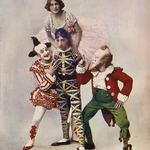
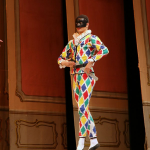
Happy Monday! Today we're finally bridging the gap between the Commedia and the clown!

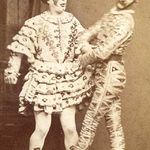
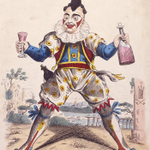
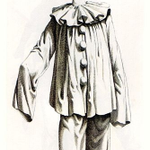
Giant colorful ruffled and patterned clothing, colored hair, and white and red face paint were all Joseph's contributions to the Clown. His clown became so popular his work inspired others to adopt and adapt similar traits in their own performances, both on and off the stage!

1
3
209

Happy Labor Day to those who celebrate! Let's enjoy our day off by picking up where we left off in our story about the history of the clown!
The Commedia Dell'arte enjoyed a long 200 year or so period of success because it was a highly accessible form of entertainment. Troupes could be made of elite professional actors or random comedic schmucks who wanted a nomadic life, traveling town to town for their performances.

Rise and shine, let's get to work! This is a portrait by Vern Orten of an unnamed (but very fashionable) working circus clown c.1954!

Happy History Monday everyone! Today we're going to start a long story going way, way back, to the very origin of clowns themselves: The Commedia Dell'arte! To start, we're going to 16th century Italy.

The rural and immigrant folks of the time were also often employed as servants to the ruling classes, and that's what Zanni characters are most often portrayed as. They are the main drivers of conflict and comedy in the commedia, through spoken jokes and physical comedy.
