

Exploring Korean, East Asian, Southeast Asian, and world history through records and images. Follow along and share your thoughts!
Joined August 2026
- Tweets3K
- Following3.6K
- Followers3.9K
- Likes13.9K



Pinned Tweet
내가 사랑하는 요시노야는 두 번 불탔고, 한 번 파산했다.
(제발 한국에 다시 와주세요! 제 돈 다 드릴게요ㅠㅠ)
일본에 가면 하루 한 끼는 꼭 먹는 규동 맛집이다. 일본에서는 하루 4~5끼를 먹었는데, 그중 한 끼는 늘 요시노야였다.
시작은 1899년 도쿄 니혼바시의 생선시장이었다. 마쓰다 에이키치는 바쁜 시장 사람들에게 규동을 팔았다. 당시에는 소고기와 양파 외에 죽순과 실곤약, 구운 두부도 들어갔다.
1923년 관동대지진으로 가게가 불탔다. 쓰키지로 옮겨 다시 장사했지만, 1945년 도쿄대공습으로 잿더미가 됐다. 전쟁이 끝나자 노점에서 다시 시작했다.
전국으로 뻗어나간 뒤에도 위기는 찾아왔다. 급속한 확장과 품질 저하, 자금난이 겹치면서 1980년 법정관리에 들어갔다. 부실 점포를 닫고 맛을 되찾으며 살아났다.
2004년에는 광우병으로 미국산 쇠고기 수입이 막히자 대부분의 점포에서 규동 판매를 중단했다. 돼지고기덮밥으로 버틴 끝에 2006년 ‘규동 부활제’를 열었다.
후쿠시마 원전 사고 이후에는 식재료가 논란의 중심에 섰다. ‘먹어서 응원하자’ 운동이 이어지던 2013년, 요시노야는 후쿠시마현에 현지 농가와 농업법인을 세워 쌀과 채소 생산에 나섰다.
회사는 검사와 기준 준수를 내세웠다. 후쿠시마산 사용에 대한 불안과 별개로, 고객에게 위험한 수준의 피폭이 발생했다는 근거는 확인되지 않는다.
그 덮밥 한 그릇에는 지진과 공습, 파산과 광우병, 원전 사고 이후의 선택까지 담겨 있었다.
생선시장의 작은 덮밥집은 어쩌다 일본 현대사를 이렇게 지나오게 됐을까?


China Backed Pol Pot. It Even Cut Support for Thailand’s Communists.
“You are basically correct.”
Mao said this to Pol Pot in June 1975.
The Cultural Revolution had killed an estimated 1.1–1.6 million people in 1966–1971 alone. Yet Mao refused to admit its failure.
The Khmer Rouge’s victory offered a foreign success to set against the disaster at home: proof that his revolutionary path could still work.
Cambodians paid the price. Nearly two million died under Khmer Rouge rule through execution, starvation, forced labor and disease in 1975–1979.
Mao died. Chinese support continued.
Vietnam’s growing ties with the Soviet Union made Pol Pot useful against both. When Vietnamese forces overthrew his regime in January 1979, Beijing kept backing his forces.
It even cut support for Thailand’s communist insurgents. Their China-based radio closed in 1979, while Bangkok provided supply routes for Chinese aid to the Khmer Rouge.
Thai revolutionaries could be abandoned so Pol Pot’s forces could keep fighting.
In August 1979, Deng told U.S. vice president Walter Mondale:
“we cannot exclude Pol Pot”
He argued that Pol Pot’s side was practically Cambodia’s only resistance force.
First came Mao’s revolutionary prestige. Then came strategy against Vietnam.
How many Cambodian lives had to be destroyed before this ally became indefensible?


China’s Attempt to Turn Thailand Communist — The Communist Insurgency
“How can communists not support other communists?”
Mao said this to Thailand’s prime minister in July 1975. Thai communist guerrillas were fighting to overthrow his government—and Beijing backed them.
Their station, the Voice of the People of Thailand, broadcast from China, praising Mao while guerrillas fought Thai troops.
This was a bloody war. A Thai study citing official figures records 10,504 deaths in 1965–1985: 5,916 government personnel and 4,588 insurgents. Civilian bystanders were excluded.
Thailand’s internal conflicts fueled the rebellion. China supported a movement seeking to replace its government with communist rule.
Yet in July 1975, Beijing established diplomatic relations with Bangkok and promised non-interference.
Support for Thai communists continued. China argued that relations between governments and between communist parties were separate.
It shook hands with the government while maintaining ties with those trying to overthrow it.
Then China’s priorities changed.
After Vietnam overthrew Pol Pot in 1979, Beijing needed Thai routes to keep supplying the Khmer Rouge. Bangkok became a valuable partner.
That year, the China-based insurgent radio fell silent. Chinese support receded as ties with Bangkok deepened.
Beijing changed partners. Thailand was left with the dead.
If backing an armed movement to overthrow Thailand’s government was not interference, what was it?


The Phong Nhị Massacre — Vietnamese Civilians Killed by South Korea’s Blue Dragon Brigade
On 12 February 1968, South Korean marines came under sniper fire in or near Phong Nhị, central Vietnam. One soldier was wounded.
The Blue Dragon Brigade’s 1st Company, 1st Battalion was operating in the village.
Nguyễn Thị Thanh was a child. Soldiers shot her in the abdomen. Her older brother was badly wounded. Their mother, older sister and younger brother were killed.
She survived multiple operations and about eight months in hospital.
In Phong Nhị and neighbouring Phong Nhất, 74 villagers were killed.
A U.S. report the following month described Phong Nhị as retaliatory killing after Korean troops received fire. It did not establish the full chain of orders. The sniper fire did not prove the civilians were responsible.
U.S. personnel helped the wounded, photographed the aftermath and investigated.
In 2020, Thanh sued South Korea. The government disputed its troops’ responsibility and argued that her claim was too late.
She won in February 2023. An appellate panel upheld the compensation ruling in January 2025.
As a Korean, I could have avoided this subject. But I could not look away.
Speaking for myself, I offer my heartfelt apology to the victims and survivors of these massacres, and their families.
What should acknowledging this massacre require beyond a court judgment?


Thảm sát Phong Nhị — Dân thường Việt Nam bị Lữ đoàn Rồng Xanh của Hàn Quốc sát hại
Ngày 12 tháng 2 năm 1968, lính thủy đánh bộ Hàn Quốc bị bắn tỉa trong hoặc gần Phong Nhị, miền Trung Việt Nam. Một binh sĩ bị thương.
Đại đội 1, Tiểu đoàn 1 của Lữ đoàn Rồng Xanh đang hoạt động trong làng.
Nguyễn Thị Thanh khi đó còn là một đứa trẻ. Bà bị bắn vào bụng. Anh trai bà bị thương nặng. Mẹ, chị gái và em trai bà bị sát hại.
Bà sống sót sau nhiều ca phẫu thuật và khoảng tám tháng nằm viện.
Tại Phong Nhị và làng Phong Nhất lân cận, 74 dân làng đã bị sát hại.
Một báo cáo của Mỹ vào tháng sau mô tả vụ sát hại ở Phong Nhị là hành động trả đũa sau khi quân Hàn Quốc bị bắn. Báo cáo không xác định đầy đủ chuỗi mệnh lệnh dẫn đến vụ việc. Việc có tiếng súng bắn tỉa không chứng minh rằng dân thường phải chịu trách nhiệm.
Quân nhân Mỹ đã giúp đỡ những người bị thương, chụp ảnh hiện trường sau vụ việc và tiến hành điều tra.
Năm 2020, bà Thanh kiện Hàn Quốc. Chính phủ tranh cãi về trách nhiệm của binh lính nước mình và lập luận rằng bà đã khởi kiện quá muộn.
Bà thắng kiện vào tháng 2 năm 2023. Tháng 1 năm 2025, tòa phúc thẩm giữ nguyên phán quyết buộc chính phủ bồi thường.
Là người Hàn Quốc, tôi có thể đã tránh đề cập đến chủ đề này. Nhưng tôi không thể ngoảnh mặt làm ngơ.
Với tư cách cá nhân, tôi xin chân thành gửi lời xin lỗi đến các nạn nhân, những người sống sót sau các vụ thảm sát này và gia đình của họ.
Ngoài phán quyết của tòa án, việc thừa nhận vụ thảm sát này cần đi kèm với những gì?
Japan Captured Them in Vietnam. Then Killed Them to Free Up Its Troops.
The prisoners had survived the fighting.
Their captors wanted to move on.
In March 1945, Japanese forces attacked French garrisons across Indochina. At Lạng Sơn in northern Vietnam, French and Vietnamese colonial troops were among those caught in the assault.
Captured French general Émile Lemonnier was ordered to make the remaining positions surrender.
He refused.
The Japanese beheaded him and the local civilian administrator, Camille Auphelle. Colonel Robert was also executed.
For hundreds of prisoners, capture offered no safety.
A study published by Japan’s National Institute for Defense Studies describes the execution of roughly 300–500 French POWs at Lạng Sơn.
Its explanation is chilling.
The Japanese unit had suffered heavy losses and was ordered to move to its next operation. Its commanders wanted to leave as few men as possible behind to guard prisoners. They also feared French troops still at large.
They decided to kill the prisoners.
The study describes killings with bayonets and military swords, calling the case an example of abuse for military expedience.
The victims were not only Europeans. France’s Defence Ministry also records the massacre of Vietnamese colonial troops during the Japanese takeover.
In November 1946, bodies were exhumed from mass graves at Lạng Sơn. The French military photographic archive identifies both French and Vietnamese victims killed by the Japanese in March 1945.
What did surrender mean when guarding prisoners was treated as a waste of troops?


Nhật Bản bắt giữ họ ở Việt Nam, rồi giết họ để rảnh tay điều quân.
Những tù binh này đã sống sót qua trận chiến.
Quân Nhật bắt giữ họ muốn tiếp tục tiến hành chiến dịch khác.
Tháng 3 năm 1945, quân Nhật tấn công các đồn trú của Pháp trên khắp Đông Dương. Tại Lạng Sơn, miền Bắc Việt Nam, binh lính Pháp cùng binh lính người Việt trong quân đội thuộc địa cũng bị cuốn vào cuộc tấn công.
Tướng Pháp Émile Lemonnier, sau khi bị bắt, được lệnh kêu gọi các cứ điểm còn lại đầu hàng.
Ông từ chối.
Quân Nhật chặt đầu ông cùng Camille Auphelle, viên chức dân sự địa phương. Đại tá Robert cũng bị xử tử.
Đối với hàng trăm tù binh, bị bắt không đồng nghĩa với an toàn.
Một nghiên cứu do Viện Nghiên cứu Quốc phòng Quốc gia Nhật Bản công bố ghi nhận việc khoảng 300–500 tù binh Pháp bị hành quyết tại Lạng Sơn.
Lý do được đưa ra khiến người ta lạnh người.
Đơn vị Nhật Bản này đã chịu tổn thất nặng nề và được lệnh chuyển sang chiến dịch tiếp theo. Các chỉ huy muốn để lại càng ít binh lính càng tốt để canh giữ tù binh. Họ cũng lo ngại những binh lính Pháp vẫn còn hoạt động bên ngoài.
Họ quyết định giết các tù binh.
Nghiên cứu mô tả các vụ giết người bằng lưỡi lê và kiếm quân dụng, đồng thời xem đây là một trường hợp ngược đãi tù binh nhằm phục vụ sự thuận tiện về mặt quân sự.
Nạn nhân không chỉ là người châu Âu. Bộ Quốc phòng Pháp cũng ghi nhận vụ thảm sát binh lính thuộc địa người Việt trong cuộc Nhật Bản lật đổ bộ máy cai trị của Pháp.
Tháng 11 năm 1946, các thi thể được khai quật từ những ngôi mộ tập thể ở Lạng Sơn. Kho lưu trữ ảnh quân sự Pháp xác định trong số những người bị quân Nhật sát hại vào tháng 3 năm 1945 có cả nạn nhân người Pháp lẫn người Việt.
Đầu hàng có ý nghĩa gì khi việc canh giữ tù binh bị xem là sự lãng phí binh lực?
Too Sick to Work. Beaten to Death in Thailand.
This was Hellfire Pass, in Kanchanaburi, Thailand, in 1943.
Under bamboo fires and oil lamps, starving prisoners hammered into solid rock.
The railway had a deadline. Their bodies were giving out.
Japanese forces were cutting a route through the rock for the Thai–Burma Railway, built to carry troops and supplies. British and Australian POWs were forced to work here. Asian civilian labourers also worked in the surrounding area.
During the notorious “Speedo” period, shifts could stretch to 18 hours.
Before work even began, prisoners might walk kilometres over steep, slippery slopes. Then came drilling, breaking rock and hauling rubble. Hunger and sickness did not necessarily excuse a man from work.
If the pace slowed, guards resorted to physical punishment.
Survivor Jack Chalker later described the place as “a living image of hell itself.” The fires illuminating exhausted men working through the night helped give Hellfire Pass its name.
The deaths were not all from starvation and disease.
At the memorial museum’s opening in 1998, Australian Prime Minister John Howard stated that 68 men had been beaten to death here for being too exhausted, weak or sick.
The cutting was completed in August 1943.
The railway was finished that October.
Today, visitors can walk between the rock walls the prisoners cut.
When a prisoner was too sick to work, how did that become a reason to kill him?


ป่วยเกินกว่าจะทำงาน ถูกทุบตีจนตายในประเทศไทย
ที่นี่คือช่องเขาขาด (Hellfire Pass) ในจังหวัดกาญจนบุรี ประเทศไทย เมื่อปี 1943
ท่ามกลางแสงจากกองไฟไม้ไผ่และตะเกียงน้ำมัน เชลยศึกที่อดอยากใช้ค้อนเจาะหินแข็ง
ทางรถไฟมีกำหนดเส้นตาย แต่ร่างกายของพวกเขากำลังหมดแรง
กองกำลังญี่ปุ่นกำลังตัดเส้นทางผ่านภูเขาหินเพื่อสร้างทางรถไฟสายไทย–พม่า ซึ่งสร้างขึ้นเพื่อขนส่งกำลังพลและเสบียง เชลยศึกชาวอังกฤษและออสเตรเลียถูกบังคับให้ทำงานที่นี่ แรงงานพลเรือนชาวเอเชียก็ทำงานอยู่ในพื้นที่โดยรอบเช่นกัน
ในช่วงเร่งงานที่รู้จักกันในชื่อ “Speedo” กะทำงานอาจยาวนานถึง 18 ชั่วโมง
ก่อนเริ่มงาน เชลยศึกอาจต้องเดินหลายกิโลเมตรผ่านทางลาดชันที่ลื่น จากนั้นก็ต้องเจาะหิน สกัดหิน และขนเศษหินออกไป ความหิวโหยและความเจ็บป่วยไม่ได้ทำให้ได้รับการยกเว้นจากงานเสมอไป
เมื่อทำงานช้าลง ผู้คุมก็ใช้การลงโทษทางร่างกาย
แจ็ก ชอล์กเกอร์ ผู้รอดชีวิตจากเหตุการณ์นี้ เคยบรรยายสถานที่แห่งนี้ว่าเป็น “ภาพนรกที่มีชีวิตอย่างแท้จริง” กองไฟที่ส่องให้เห็นชายผู้หมดแรงทำงานตลอดทั้งคืน ทำให้ช่องเขาขาดได้ชื่อว่า Hellfire Pass
ผู้เสียชีวิตไม่ได้มีสาเหตุมาจากความอดอยากและโรคภัยทั้งหมด
ในพิธีเปิดพิพิธภัณฑ์อนุสรณ์เมื่อปี 1998 จอห์น ฮาวเวิร์ด นายกรัฐมนตรีออสเตรเลีย กล่าวว่ามีชาย 68 คนถูกทุบตีจนเสียชีวิตที่นี่ เพราะเหนื่อยล้า อ่อนแรง หรือเจ็บป่วยเกินกว่าจะทำงานไหว
การตัดช่องเขาเสร็จสิ้นในเดือนสิงหาคม 1943
ทางรถไฟสร้างเสร็จในเดือนตุลาคมปีเดียวกัน
ทุกวันนี้ ผู้มาเยือนสามารถเดินผ่านแนวผาหินที่เหล่าเชลยศึกสกัดไว้ได้
เมื่อเชลยศึกคนหนึ่งป่วยเกินกว่าจะทำงานได้ เหตุใดอาการป่วยของเขาจึงกลายเป็นเหตุให้ถูกฆ่า?
Japan Hired a Thai Shopkeeper. He Used the Job to Help Its Prisoners.
Boonpong delivered supplies to Japanese-run camps along the Thai–Burma Railway.
He also secretly brought medicine to the men forced to build it.
The shopkeeper from Kanchanaburi worked with his wife, Surat, and daughter, Panee. Their supply business gave them access to camps where Allied prisoners suffered from hunger and disease.
They smuggled in food, money and batteries for illegal radios. A resistance network in Bangkok helped fund the supplies.
Boonpong also advanced money against prisoners’ watches and jewellery, keeping their valuables safe for them to reclaim after the war.
Japanese troops searched the family’s shop twice. His contract was eventually terminated.
The family kept helping prisoners in secret.
Then the war ended—and the direction of help reversed.
By 1950, former British prisoners heard that Boonpong was struggling financially. They began raising money. Former prisoners in Australia joined the effort.
The Australian government awarded his family £500 in recognition of their wartime help.
Boonpong said their work had been done “in the name of humanity” and deserved no reward.
When we remember the men who survived the Death Railway, how often do we remember the Thai family who helped them?


ญี่ปุ่นทำสัญญากับเจ้าของร้านชาวไทย เขาใช้โอกาสนี้ช่วยเหลือเชลยศึกในค่ายญี่ปุ่น
บุญผ่องนำเสบียงไปส่งยังค่ายที่ญี่ปุ่นควบคุมตามแนวทางรถไฟสายไทย–พม่า เขายังลักลอบนำยาไปให้ชายที่ถูกบังคับให้สร้างทางรถไฟสายนี้ด้วย
เจ้าของร้านจากกาญจนบุรีร่วมมือกับสุรัตน์ ภรรยาของเขา และพาณี ลูกสาวของเขา ธุรกิจจัดส่งเสบียงของครอบครัวทำให้พวกเขาเข้าถึงค่ายที่เชลยศึกฝ่ายสัมพันธมิตรต้องทนทุกข์จากความหิวโหยและโรคภัย
พวกเขาลักลอบนำอาหาร เงิน และแบตเตอรี่สำหรับวิทยุที่ถูกห้ามเข้าไปในค่าย เครือข่ายต่อต้านในกรุงเทพฯ ช่วยสนับสนุนเงินทุนสำหรับจัดหาเสบียงเหล่านั้น
บุญผ่องยังให้เงินล่วงหน้าแก่เชลยศึก โดยรับนาฬิกาและเครื่องประดับของพวกเขาไว้เป็นหลักประกัน และเก็บรักษาของมีค่าเหล่านั้นไว้ให้เจ้าของมาเอาคืนหลังสงคราม
ทหารญี่ปุ่นบุกค้นร้านของครอบครัวถึงสองครั้ง ในที่สุดสัญญาของเขาก็ถูกยกเลิก แต่ครอบครัวยังคงช่วยเหลือเชลยศึกอย่างลับ ๆ
จากนั้นสงครามก็สิ้นสุดลง และทิศทางของการช่วยเหลือก็เปลี่ยนไป
ภายในปี 1950 อดีตเชลยศึกชาวอังกฤษได้ข่าวว่าบุญผ่องกำลังประสบปัญหาทางการเงิน พวกเขาจึงเริ่มระดมทุน อดีตเชลยศึกในออสเตรเลียก็เข้าร่วมด้วย
รัฐบาลออสเตรเลียมอบเงิน 500 ปอนด์ให้ครอบครัวของเขา เพื่อยกย่องความช่วยเหลือในช่วงสงคราม
บุญผ่องกล่าวว่าสิ่งที่ครอบครัวทำไปนั้นทำ “ในนามของมนุษยธรรม” และไม่ควรได้รับรางวัลใด ๆ
เมื่อเรารำลึกถึงเหล่าชายผู้รอดชีวิตจากทางรถไฟสายมรณะ เรานึกถึงครอบครัวชาวไทยที่ช่วยเหลือพวกเขาบ่อยแค่ไหน?
“조선 인민을 위해 그 나라의 멸망을 축하한다.”
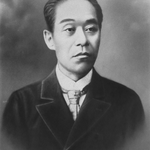
1885년 일본의 『시사신보』에 실린 논설 제목이다. 이 신문을 창간한 사람은 조선 개화파가 도움을 구했던 후쿠자와 유키치였다.
조선을 바꾸려던 이들은 왜 이런 인물을 찾아갔을까?
1882년 일본을 방문한 김옥균에게 후쿠자와는 유력한 협력자였다. 숙소를 마련해주고 일본 정계와 재계의 인물들을 소개했다. 유길준은 그가 세운 게이오 의숙에서 공부했고, 조선의 신문 발간에도 후쿠자와가 추천한 인물들이 참여했다.
그 도움은 실제였다. 그러나 조선의 개화파가 바란 미래와 후쿠자와가 생각한 조선의 미래가 같았던 것은 아니다.
1884년 갑신정변은 실패했고 김옥균은 일본으로 망명했다. 이듬해 『시사신보』에는 조선의 멸망을 백성의 행복과 연결하는 논설이 등장했다.
논설은 조선 정부가 백성의 생명과 재산을 지켜주지 못한다고 비판했다. 그러면서 영국이나 러시아의 지배를 받는 편이 오히려 백성에게 나을 수 있다고 주장했다. 영국이 점령한 거문도에서 주민에게 품삯을 지급한다는 사례까지 들었다.
조선의 악정을 고치는 대신, 외국의 지배를 해법으로 내놓은 것이다. 이것은 1910년 병합 이후의 글도 아니었다. 조선이 여전히 존재하던 때에 나온 주장이었다.
그런데 후쿠자와는 김옥균을 버리지 않았다. 망명 생활을 지원하고 일본 정부의 강제 격리에도 항의했으며, 김옥균이 암살된 뒤에는 자신의 집에서 추모 의례까지 치렀다.
한 사람의 조선인을 돕는 일과 조선이라는 나라의 존립을 존중하는 일은 같지 않았다.
조선의 자립을 바라던 개화파와 조선의 멸망까지 해법으로 제시한 논설. 그들은 과연 같은 미래를 바라보고 있었을까?


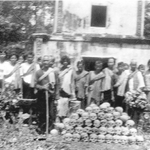
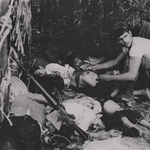
P1. A U.S. Marine helps recover victims’ bodies after the Phong Nhị massacre on 12 February 1968.
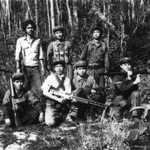
P2. Two female victims of the Phong Nhị massacre, photographed by U.S. Marine Corporal J. Vaughn on 12 February 1968.
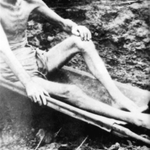
P3. Nguyễn Thị Thanh, a survivor of the massacre, speaks outside South Korea’s Supreme Court on 18 June 2025.
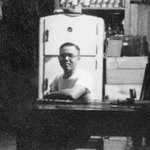
P4. A memorial in Vietnam commemorates the 74 victims of the Phong Nhị–Phong Nhất massacre.
JOHAN retweeted

쓰시마삵
Tsushima cat
주로 밤에 활동하며 직접 먹이를 잡아 먹는다. 몸집은 큰 편은 아니지만 뒷다리가 발달해 최대 3m까지 점프할 수 있다.
이름처럼 일본 나가사키현의 최북단 도서 지역인 쓰시마섬에 주로 서식한다.
19세기 이후 고양이나 다른 외래종의 유입으로 일본의 야생 삵 대부분이 절멸된 상태에서 이리오모테삵과 더불어 남아있는 2아종 중 하나로 1965년 이리오모테삵과 함께 공식적으로 유이하게 남아있는 것이 판명된 이후 1971년 일본 천연기념물로 지정되어 있으며, 1994년 희소 야생동물로 지정되어 보호받고 있다.
삵 특성상 모피랑 식육용도로 이용이 가능해 태평양 전쟁 당시 무분별한 포획과 전쟁 이후에도 해충구제와 벌목 등의 요인으로 개체수가 감소되었다. 1949년 사냥금지 지정과 1970년 보호종으로 지정된 이후 늘어나는 듯했지만 외래종인 고양이의 유입으로 인한 FIV(고양이 면역결핍바이러스) 감염이나 로드킬 등의 요인으로 1970년 당시 300마리 정도로 추정되던 개체수가 2010년 조사 당시에는 100마리 미만으로 줄어든 것으로 확인되었다.
이러한 이유로 1997년 일본 환경청에서 쓰시마삵의 보호와 조사연구를 목적으로 쓰시마 야생생물 보호센터를 개설하였고 이후 쓰시마시나 나가사키현에서 인공번식이나 자연보호/생태조사 등 다양한 활동을 진행하며 종 보존을 위해 노력하고 있다


Why Did Thailand Buy an Aircraft Carrier? Part of the Answer Was a Typhoon.
In 1989, Typhoon Gay struck the Gulf of Thailand.
The Thai navy sent ships and aircraft to search for fishermen and workers from offshore gas installations. But even its largest ships struggled with the seas.
The navy’s own history identifies those rescue difficulties as a reason for pursuing a large ship capable of carrying helicopters.
In 1997, Thailand commissioned HTMS Chakri Naruebet.
Its name, bestowed by King Bhumibol Adulyadej, means “Sovereign of the Chakri Dynasty.”
Built in Spain and roughly 183 metres long, it became the first aircraft carrier operated by a Southeast Asian nation.
It carried Harrier jets as well as helicopters. For Thailand, the ship also represented entry into a small club of aircraft-carrier operators.
But owning a carrier and sustaining its air wing were different challenges.
The Harriers were retired in 2006. The flight deck remained, with helicopters taking over its aviation role.
That did not end the ship’s usefulness.
In November 2025, the navy announced that Chakri Naruebet and helicopters were being sent to help people affected by flooding in southern Thailand.
The carrier’s cost and military value have long been debated. Yet disaster relief had been part of the case for acquiring it from the beginning.
When floods cut communities off, how much can a ship with helicopters, supplies and a command centre change the outcome?
What do you think of this ship’s value to Thailand?


Other Princes Searched for Rare Delicacies. He Won the Throne with Rice.
Vietnamese legend tells of a king who asked his sons to prepare offerings for their ancestors. The one whose offering pleased him would inherit the throne.
The other princes searched the mountains and seas for precious foods.
Lang Liêu, the poorest among them, turned to familiar ingredients: sticky rice, mung beans and pork.
He prepared two kinds of rice cakes.
One was square, wrapped in leaves, with a filling of mung beans and pork. It represented the earth.
The other was round, made from pounded sticky rice. It represented the sky.
The king chose Lang Liêu as his successor.
The square cake was bánh chưng. Its round companion was bánh giầy.
This is a legend associated with the sixth Hùng King, not a documented account of how the foods were invented. But the tradition it explains remains alive.
During Tết, Vietnam’s Lunar New Year, families still prepare bánh chưng and offer it to their ancestors. Leaves are folded, rice and fillings packed inside, and the cakes boiled for hours.
A royal succession story survives in something people can unwrap, share and eat.
For those who grew up with bánh chưng, what comes back first: its taste, or the people who made it with you?


“기병 수십만이 백제를 공격했다.” 중국 사서에 남은 기묘한 기록
『남제서』에는 북위가 기병 수십만을 보내 백제의 경내를 침범했지만 백제군이 격파했다는 기록이 있다. 백제는 동성왕, 고구려는 장수왕이 다스리던 때였다.
그런데 북위와 한반도의 백제 사이에는 고구려와 바다가 있었다. 그 많은 기병은 어디로 들어와 싸웠다는 것일까?
『삼국사기』에도 전투는 나온다. 동성왕 10년인 488년, “위나라가 군사를 보내 쳐들어왔으나 우리에게 패하였다”고 적었다. 다만 병력과 전투 장소는 밝히지 않았다.
중국 사서에는 더 뜻밖의 기록이 있다. 『송서』는 백제가 요서를 차지했다고 했고, 『양서』는 요서와 진평 두 군의 땅을 점거해 백제군을 설치했다고 전한다. 『남사』에도 비슷한 내용이 실렸다.
이것이 백제의 요서 진출설을 낳았다. 흔히 근초고왕대와 연결하지만, 해당 기록에 왕의 이름이나 정확한 진출 연도가 나오는 것은 아니다.
북위의 공격 기사도 서로 맞아떨어지지는 않는다. 『남제서』는 490년, 『자치통감』은 488년에 관련 사건을 배치했다. 『건강실록』에는 484년 북위가 백제를 공격해 백제왕을 크게 격파했다는, 승패가 반대인 기사까지 있다.
그래서 전장이 한반도가 아니라 중국 대륙의 백제 거점이었다는 해석이 나왔다. 반면 기록의 오류나 다른 전쟁이 반영됐을 가능성도 제기됐다. 어느 쪽이든 이 기사들만으로 대륙의 광대한 백제 영토를 그릴 수는 없다.
중국 사서 여섯 종에 기록이 있다고 해서 여섯 개의 독립된 증언인 것도 아니다. 후대 사서가 앞선 기록을 옮겼을 수 있기 때문이다.
한국 사서에는 없는 요서 진출 기록, 그리고 한중 사서에 남은 수수께끼 같은 전투. 우리는 이 기록들을 어떻게 바라봐야 할까?


