

Indian Police Service, 2006.
Exiled !!
Joined September 2015
- Tweets328
- Following649
- Followers9.9K
- Likes4.3K






Dharmendra singh retweeted

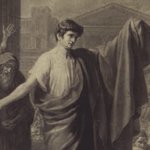
October 27, 1553. A Spanish physician who had published one of Europe's first accurate descriptions of the circulation of blood through the lungs was burned alive outside Geneva, with his own book chained to his leg.
He had been condemned to death by the Catholic Inquisition as well. Both sides wanted him dead, and the Protestants got him first.
Michael Servetus was born in Aragon around 1511 and trained in law and then medicine, and he was genuinely brilliant. His 1553 book Christianismi Restitutio contains a printed account of pulmonary circulation, blood going from the heart to the lungs and back, decades before William Harvey. The idea had appeared earlier in the work of the thirteenth century physician Ibn al-Nafis, and Servetus probably arrived at it independently.
He buried it in the middle of a theology book, which is how it was lost for a century.
Because what Servetus actually cared about was the Trinity, and he thought it was wrong.
His 1531 book De Trinitatis Erroribus argued the doctrine of the Trinity was not scriptural, and it also rejected infant baptism. Catholics and Protestants condemned it with equal enthusiasm, because in the 1530s denying the Trinity put you outside Christianity as literally everyone in Europe defined it.
So he changed his name to Michel de Villeneuve, settled in Vienne in France as a respected physician, and wrote in secret for twenty years.
In that time he had been writing to John Calvin.
He had initially hoped Calvin's reform project might have room for his ideas. It did not. They argued over the nature of God and the authority of scripture, and the exchanges got personal. By 1546 Calvin was describing him as a dangerous heretic and wrote to Guillaume Farel that if Servetus ever came to Geneva he would not leave alive.
That letter exists. That is the part that is hardest to defend.
In 1553 Christianismi Restitutio was published anonymously and the Catholic authorities in Vienne worked out who had written it. He was condemned to death in absentia and escaped.
And then, fleeing a Catholic death sentence, he went to Geneva.
Nobody has ever satisfactorily explained why. He was recognised in a church service and arrested.
The trial was run by Geneva's magistrates, not by Calvin, and that distinction matters, though it is thinner than Calvin's defenders would like. Calvin's allies gathered the evidence. Calvin supplied the letters and the theological case and argued publicly against him.
Servetus would not recant. His defence was that scripture alone should decide and the Trinity was not in it. He was convicted of blasphemy and heresy.
Calvin asked for him to be beheaded instead of burned, as the less painful death. The council refused.
I think that request is usually presented as more exculpating than it is. It is a request to kill him more efficiently, not a request to spare him.
He was burned on Champel Hill outside the city walls. The accounts describe green wood, which smokes and burns slow rather than hot, and a copy of his book bound to him, and a death that took a long time. Those details come from the standard accounts of the execution rather than from official record, so treat the specifics as the tradition rather than the file.
Calvin never expressed regret for it.
The reaction is the reason this one execution is remembered out of thousands.
Sebastian Castellio published Contra libellum Calvini in 1554 arguing that burning a man for his beliefs was contrary to the Gospel, and wrote the line that to kill a man is not to defend a doctrine, it is to kill a man. That is one of the founding texts of religious toleration in the West.
Other reformers split. Heinrich Bullinger backed the verdict. Lutheran leaders were cautious. Some Calvinists quietly distanced themselves.
And the argument did not go away, because Servetus's case put the awkward question directly. The Reformation had been built on the right of an individual conscience to read scripture and disagree with Rome. Geneva had just burned a man for reading scripture and disagreeing with Geneva.
In 1903 Calvinists in Geneva erected a monument to Servetus, acknowledging the execution as an error of their own tradition, 350 years late.
He was 42. He had worked out how blood moves through the lungs, and it was printed in a book that was used as kindling.

Dharmendra singh retweeted

What a beautiful video.
A mother and calf fell into a water tank. Both were rescued but during rescue the calf got separated from mother. Kurseong division staff brilliantly tracked the mother. It took 7 hours but they reunited them.
Reaction of mother in last !! Gods work.
Dharmendra singh retweeted

Hannah Arendt delivered this lecture, "Thinking and Moral Considerations," in 1971, several years after she had covered Adolf Eichmann's trial in Jerusalem. That trial left her with a nagging question: how could someone commit such horrific acts without being a monster or fanatic? She concluded Eichmann's defining trait was simply an inability to think — he relied on clichés and fell apart when none applied. This lecture is her attempt to work out whether moral judgment depends on this capacity to think.
To explore this, she turns to Socrates as her model of real thinking. He described himself three ways: a gadfly who wakes people up, a midwife who helps others examine their own ideas without ever supplying answers, and an electric ray that paralyzes others by first being paralyzed itself. Genuine thinking, in her view, doesn't produce fixed rules — it unsettles things, which is both its value and its risk, since that same unsettling can tip into nihilism if people mistake uncertainty for permission.
Her central insight is that thinking is really an inner conversation — a "two-in-one" dialogue with yourself. Conscience, she argues, isn't some built-in moral sense; it's just what happens when you're forced to face yourself in that inner dialogue. People who never pause for this conversation have nothing stopping them from doing terrible things, because there's no inner witness there to object.
She ends by linking thinking to judgment — our everyday ability to say "this is wrong" without consulting a rulebook. Thinking itself is quiet and produces no visible results, but in moments when society's norms collapse, people who've practiced this habit of inner questioning are more likely to recognize wrongdoing and refuse to go along with it.
cooperative-individualism.or…

8 साल पहले का लिखा-लिखाया.. आज पुण्य-तिथि है महाकवि निराला की ..
‘यह कवि अपराजेय निराला, जिसको मिला गरल का प्याला’ thewirehindi.com/34779/remem… via @thewirehindi

Dharmendra singh retweeted

विदा नाना पाटेकर। अलविदा।
(दृश्य: मराठी फ़िल्म “नटसम्राट” (2016, निर्देशक महेश मांजरेकर) में नाना। फ़िल्म में नाना ने वृद्ध हो चुके नाट्य अभिनेता गणपत रामचंद्र बेलवलकर “अप्पा” का अभिनय किया था। क्लिप मित्रवर @tweet_psr के सौजन्य से।)


Dharmendra singh retweeted

‘Iron Lady of Assam’ Sanjukta Parasor becomes first woman officer to lead CRPF’s CoBRA unit indianexpress.com/article/in…

Dharmendra singh retweeted

#Replug | आज हम जो बोल रहे हैं, न जाने हमें कहां-कहां से मिला है? भाषा के संसार में किसी एक का कुछ नहीं है. सभी कुछ सबका है.
✍️धर्मेंद्र सिंह
#हिंदी_दिवस
newslaundry.com/2020/09/14/h…

Dharmendra singh retweeted

मुक्तिबोध के निधन और उनके अंतिम संस्कार पर यह दुर्लभ रपट लिखी है मनोहर श्याम जोशी ने, जो शायद ‘दिनमान’ में प्रकाशित हुई थी। हमें वरिष्ठ कवि राजेंद्र उपाध्याय के सौजन्य से प्राप्त हुई है। मुक्तिबोध की पुण्य तिथि पर आप भी पढ़ सकते हैं-
===================
औंधी लटकी हुई बोतलें, उभरी हुई नसों में गुदी हुई सुइयाँ, गले में किए हुए छेद में अटकी हुई ऑक्सीजन की नलियाँ, इंजेक्शन और इंजेक्शन। भारत के अन्यतम डॉक्टर कोई ढाई महीने से रोगी की रक्तचाप थामे हुए थे। उस संज्ञशून्य देह और मौत के बुलावे के बीच, किसी तरह, किसी भी तरह एक आड़ बनाये हुए थे। ग्यारह सितंबर को शाम को छह बजे से उस आड़ में दरारें पड़ने लगीं, रक्तचाप गिरता गया, उल्टी साँस चलने लगी। रात नौ बजकर दस मिनट पर साँस का लड़खड़ाता साज ख़ामोश हो गया। गजानन माधव मुक्तिबोध का कठिन जीवन-संघर्ष समाप्त हो गया। नौ बजे कृष्णा सोबती ने कुछ फूल भिजवाए थे, उन्हें क्या मालूम था उनसे ही पहली पुष्पांजलि दी जायेगी’ उस व्यक्ति को जिसे मिला तो सब कुछ, मगर देर से। प्रकाशन-मूल्यांकन, स्नेह-सम्मान, सहायता-सहयोग – सब कुछ देर से।
फूल लेकिन विजयहार के नहीं, पुष्पांजलि के। यह कटुबोध भग्नाशा का, यह भाव मृतक की शय्या के चारो ओर खड़े हुए संबंधियों, मित्रों और बंधु-लेखकों के चेहरों पर चित्रित था। लेकिन अफ़सोस मनाते रहने के लिए अवकाश कहाँ था? तमाम इंतज़ाम करने को थे, अनेक औपचारिकताएं निपटाने को थीं। सब काम बंधु-लेखकों के ज़िम्मे था, क्योंकि पत्नी उड़ बड़े लड़के के अलावा मुक्तिबोध का अन्य कोई संबंधी उपस्थित नहीं था। घरवाले सभी नागपुर में थे, जहां एक ही दिन पहले यानी दस तारीख़ को मुक्तिबोध के पिता का देहांत हुआ था।
दूसरे दिन सवेरे मुक्तिबोध की मृत्यु का समाचार लोगों ने रेडियो से सुना, अख़बार में पढ़ा। समाचार अप्रत्याशित नहीं था, लेकिन प्रत्याशा ने उससे उपजी पीड़ा को किसी कदर कम नहीं किया, शायद बढ़ा ही दिया। तो वे तमाम कोशिशें आख़िर बेकार हुईं! बच्चन जी, जिन्होंने दिल्ली में मुक्तिबोध के उपचार की व्यवस्था कराने में बहुत योग दिया था, सुबह पहले ऑल इंडिया इंस्टिट्यूट ऑफ मेडिकल साइंसेज के अस्पताल में पहुँचे।
अगले दिन दो बजे सन्निधि (राजघाट) से शवयात्रा निकलनी थी। बारह बजे से ही वहाँ लोगों का आना शुरू हो गया। लोग विभिन्न पीढ़ियों के, विभिन्न पार्टियों के, विभिन्न दलों विभिन्न मतों के… सब एक जगह, एक साथ। और साहित्यिक तथा राजनीतिज्ञ ही नहीं कलाकार, अध्यापक, पत्रकार, सब एक जगह एक साथ एक ही दुख से बंधे हुए।
ठीक दो बजे काली गाड़ी सन्निधि के अहाते में दाखिल हुई। श्रीकान्त, शमशेर और रमेश मुक्तिबोध अस्पताल से कवि का शव लेकर पहुँचे। नीले कपड़ों में लिपटा हुआ शव बाहर दूब पर गुलमोहर के पेड़ के नीचे रख दिया गया।
उभरी हुई गाल कि हड्डियाँ, सिकुड़ी हुई खोपड़ी, पोपला मुँह, विगलित अंग; हर किसी ने देखा लेकिन किसी से देखा न गया। शव अर्थी पर रखा गया, फूलों से ढँक दिया गया। गुलाब, चमेली, आर्किड, हजारी। मृत कवि के लिए पुष्पांजलियाँ, प्रधानमंत्री की ओर से, शिक्षा उप-मंत्री की ओर से, महाराष्ट्र सरकार की ओर से, दक्षिण भारत हिन्दी प्रचार सभा की ओर से, हिन्दी साहित्य सम्मेलना की ओर से, भारतीय ज्ञानपीठ, राजकमल प्रकाशन, पीपुल्स पब्लिशिंग हाउस और टाइम्स ऑफ़ इंडिया प्रकाशनों की ओर से। मुक्तिबोध की पत्नी शांता बाई को अंजलि देने के लिए लाया गया। उनका बेटा रमेश मुक्तिबोध उन्हें सम्भाले हुए था। श्रीकान्त, माचवे जी, रेखा जैन और दूसरे स्नेहीजन स्वयं शोक-संतप्त होते हुए भी, उन्हें ढाढ़स बंधाने की चेष्टा कर रहे थे। शव देखकर शान्ता बाई फूट-फूट कर रो पड़ीं। शव से दृष्टि हटाकर उन्हें अपना सर अपने बेटे के सीने में छुपा लिया। इस करुण क्षण का तनाव लोगों से बर्दाश्त नहीं किया जा सका, कई फूट पड़े, कइयों की आँखें छलछला गईं। तभी तरुण रमेश मुक्तिबोध ने गंभीरता से अपनी माँ को समझाया-बुझाया, माँ से अंजलि दिलवायी और फिर अर्थी उठाने के व्यवहार में पिछले क्षण की वह तीव्र वेदना दब गई।
शव यात्रा सन्निधि से चली। कोई सौ-पचास लोग अर्थी के साथ थे।इतनी बड़ी राजधानी में सिर्फ़ साठ-सत्तर लोग। यह किसी राजनेता या व्यापारी की नहीं, एक कवि की शवयात्रा थी। सिर्फ़ साठ-सत्तर लोग, बुद्धिजीवी लोग, लेखक, अध्यापक, चित्रकार, पत्रकार। मुट्ठीभर लोग। ख़ामोश लोग। मौन में डूबी हुई शवयात्रा आगे बढ़ती गई। किसी ने नहीं कहा कि राम नाम सत्य है। हरेक ने शायद यही समझा कि सत्य यह अलगाव ही है, बिरादरी से बाहर होने की, अलग और अकेले होने की यह भावना ही एकमात्र सत्य है, आज के बुद्धिजीवी के लिए, आज के भारत में। तेज धूप, तपती हुई सड़क, कवि की अर्थी को कंधा देने के लिए आतुर साहित्यिक बंधु-बांधव। नये-पुराने साहित्यिक सब अलग, सब अकेले, सब यह जान समझे हुए कि आज अगर उनकी कहीं भी कैसी भी प्रतिष्ठा है तो वह शुद्ध साहित्यिक होने के नाते नहीं। शुद्ध साहित्य-सेवा को तो आज वे कंधा दे रहे हैं। राजघाट, शांतिवन… यमुना के किनारे-किनारे, सुने मथुरा मार्ग पर वह ख़ामोश जुलूस धीरे-धीरे आगे बढ़ता गया। कितनी ही पीढ़ियाँ, कितने ही आंदोलन, कितने ही आदर्श, आज थके-हारे कवि की अर्थी के पीछे सिर झुकाये चले जा रहे थे।
लाल किले के पार सहसा एक टैक्सी अर्थी के पास जाकर रुकी और उसमें से उतरे स. ही. वात्स्यायन ‘अज्ञेय’ और उनकी पत्नी कपिला। वात्स्यायनजी को इधर डॉक्टर ने पूर्ण विश्राम का आदेश दे रखा है। उनके इस तरह धूप में बाहर चले आने पर सबको आश्चर्य हुआ और आशंका भी। लौट जाने का अनुरोध किया गया, लेकिन वात्स्यायनजी नहीं माने। अज्ञेय, नेमीचन्द्र जैन, भारतभूषण और माचवे तार सप्तक के चार स्वर और वह एक पांचवाँ स्वर मुक्तिबोध का जो अब सदा के लिए मौन हो गया है। कितने आंदोलन, कितने आदर्श, नये और नायाब के कितने शोर! आख़िर किसलिए? इसी छिन्न-भिन्न पराजित सेना के लिए, जो आज अपने एक योद्धा का शव उठाये चुपचाप अकेली चली जा रही है?
यमुना का पुल, यमुना की धारा, लाल क़िले की फसोल, गर्द उड़ाती ट्रकें, अर्थी से गिरा हुआ, कोलतार पर खिला हुआ एक गुलाब। शव के पीछे चलते हुए हित्रकार मक़बूल फ़िदा हुसैन के नंग-पाँव, अर्थी उठाने वालों की भवों से टपकता हुआ पसीना, संस्कार वश अर्थी के पास अकार साइकिल से उतरते हुए ग्रामीण जन, लाल झंडा लेकर सड़क कूटते हुए मज़दूर, कोर डिप्लोमेटिक की कारों में सवार विदेशी रफ़्तार, गंदी बस्तियों की अचल जड़ ज़िन्दगी, कितने ही बिंब, कितने ही प्रतिबिंब जिन्हें सृजन के ‘तीसरे क्षण’ में किसी सशक्त और साधक कवि की कल्पना ही एक लड़ी में गूँथ सकती थी, मुक्तिबोध जैसे किसी कवि की कल्पना।
निगमबोध घाट, टीन के छप्पर तले चिता के लिए लकड़ियों का अंबार। बहुत से साहित्यिक और पत्रकार जो सन्निधि न जाकर सीधे यहीं आये थे। कुल मिलाकर यही कोई डेढ़-दो सौ लोग। मराठी भट्ट जी ने संस्कार विधि शुरू करायी। ऊँचा सुनने और ऊँचा ही बोलने वाले ब्राह्मण: एक ही रो में तेज़ी से श्लोक पूरा करना और फिर ‘आचमनम आचमनम’ आदि कहकर मराठी में रमेश मुक्तिबोध को निर्देश देना। माचवे जी बोले कि कहानी कविता सब कुछ नयी हो गयी, यह अंतिम संस्कार कब नया होगा!
Dharmendra singh retweeted

This passionate melodrama by Satyajit Ray, about four middle-class men on a heedless spree in a rural village, is a teeming panorama of social divisions and inequities. newyorker.com/culture/the-fr…

Dharmendra singh retweeted

The man in the details: A tribute to Sumit Sarkar, the historian who questioned history
telegraphindia.com/life/the-…

Dharmendra singh retweeted

The second-edition of the World Humanoid Games is under way in China.
The competition, which kicked off on Saturday, will run for five days and has already included a robot running faster than Usain Bolt's 100m sprint world record. Full story: bbc.in/45KuGwx
Dharmendra singh retweeted

Daniel Schwartz - The Politics of Hell
The Problem of Cooperation in Evil
À paraître en mars aux Harvard UP


Dharmendra singh retweeted
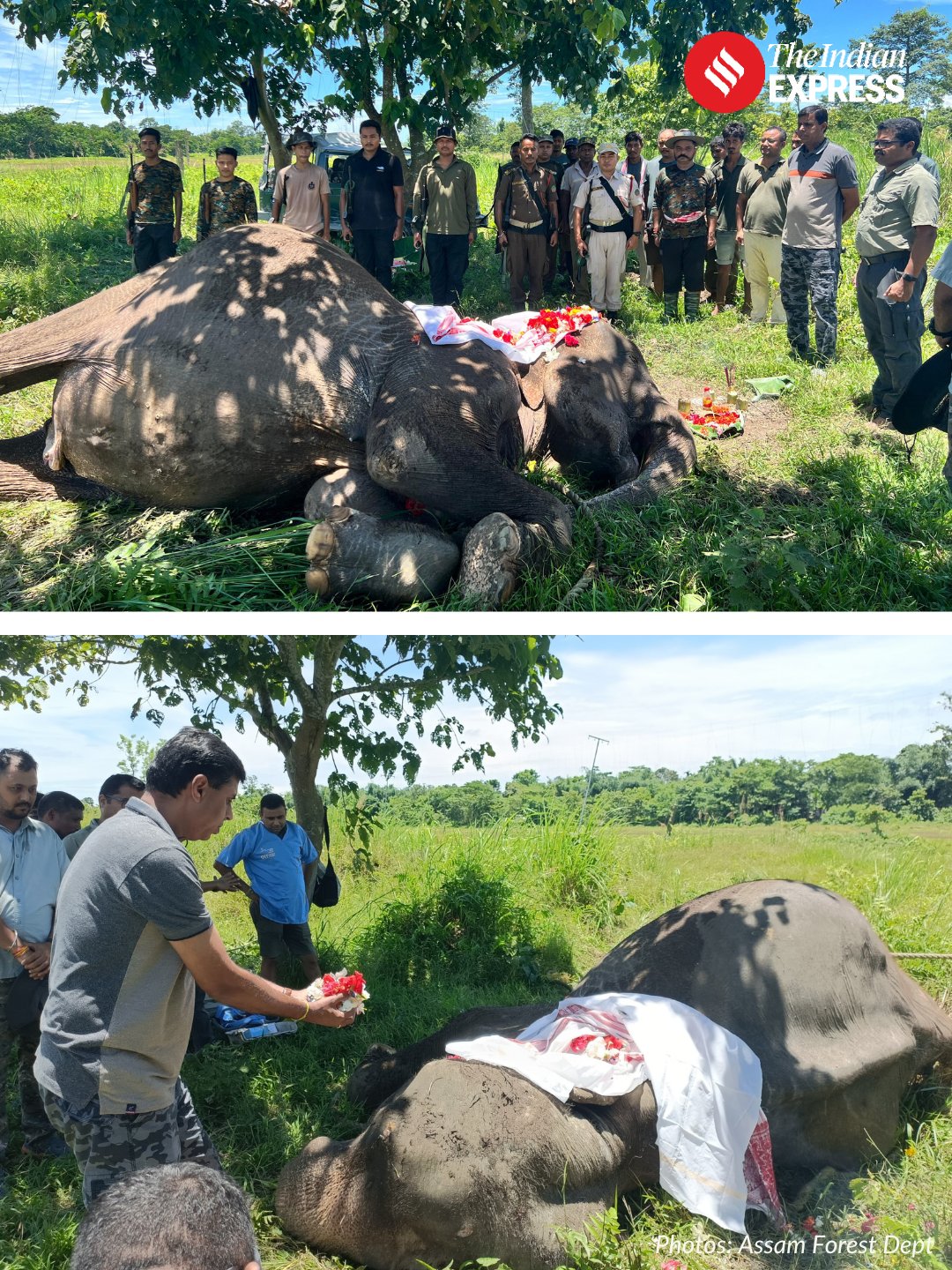
Assam Forest Minister Jayanta Mallabaruah paid tribute to Joymala, one of Kaziranga National Park's most celebrated patrol elephants, following her death after more than three decades of service.
Born in 1960 and inducted into Kaziranga's conservation efforts in 1992, Joymala participated in anti-poaching patrols, wildlife monitoring, rescue operations and forest protection duties for 34 years.
The Minister recalled the iconic 2004 incident when a tiger leapt over Joymala during a patrol, a moment that became one of the most recognised images associated with Kaziranga.
Despite receiving veterinary treatment for nearly a year, Joymala died on Saturday at the park's Agoratoli Range and was accorded a ceremonial Guard of Honour during her last rites. Her legacy continues through her offspring, several of whom remain in service as patrol elephants in Kaziranga.

Dharmendra singh retweeted
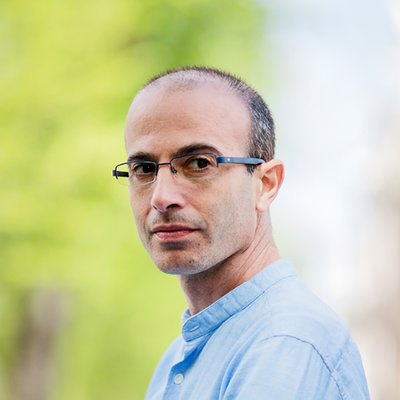
Yesterday I had the privilege of attending Marc Bloch's reburial ceremony at the Panthéon – Paris' monument to the most outstanding citizens of France. Bloch was honored not only as one of the greatest French historians, but also as a man who chose resistance over safety when his country fell into darkness.
Bloch fought in two World Wars, and received multiple awards for bravery. By the time the pro-Nazi Vichy regime came to power in 1940, Bloch was already recognized as perhaps the preeminent historian of medieval France. He continued to teach history, and during that time wrote 'Strange Defeat', a book explaining the French defeat in 1940, and 'The Historian’s Craft', a meditation on history and historiography. Bloch also joined the Résistance and became one of its leaders.
On March 8, 1944 Bloch was captured during a crackdown on the Résistance by the Nazis and their French collaborators. At the time, collaborationist French newspapers celebrated Bloch’s capture. They highlighted his Jewish identity, and referred to the historian as a traitor to France, describing the Résistance as a Jewish-Bolshevik terrorist organization. Bloch was imprisoned and tortured at the Gestapo headquarters in Lyon, and was executed on June 16, 1944, ten days after the Allied landing in Normandy.
I am a medievalist by training, and have been deeply influenced by Bloch. What moved me most about Bloch is his uncompromising commitment to truth. For him, history was never nostalgia or mythmaking, but a discipline of honesty – a way of resisting propaganda, prejudice, and the comfort of convenient fictions. For Bloch, truth was not just an intellectual position, but a spiritual practice. Anticipating his death at the hands of the Gestapo and the Vichy regime, the Jewish historian and freedom fighter left behind detailed instructions for his burial. He wrote:
“I have not asked to have read above my body those Jewish prayers to the cadence of which so many of my ancestors, including my father, were laid to rest. All my life I have striven to achieve complete sincerity in word and thought. I hold that any compromise with untruth, no matter what the pretext, is the mark of a human soul’s ultimate corruption. […] That is why I find it impossible, at this moment of my last farewell, when, if ever, a man should be true to himself, to authorize any use of those formulae of an orthodoxy to the beliefs of which I have ever refused to subscribe.
But I should hate to think that anyone might read into this statement of personal integrity even the remotest approximation to a coward’s denial. I am prepared, therefore, if necessary, to affirm here, in the face of death, that I was born a Jew: that I have never denied it, nor ever been tempted to do so. […] A stranger to all credal dogmas, as to all pretended community of life and spirit based on race, I have, through life, felt that I was above all, and quite simply, a Frenchman. A family tradition, already of long date, has bound me firmly to my country. I have found nourishment in her spiritual heritage and in her history. I can, indeed, think of no other land whose air I could have breathed with such a sense of ease and freedom. I have loved her greatly, and served her with all my strength. I have never found that the fact of being a Jew has at all hindered these sentiments. Though I have fought in two wars, it has not fallen to my lot to die for France. But I can, at least, in all sincerity, declare that I die now, as I have lived, a good Frenchman.”
By his request, a Latin epitaph was carved on Bloch’s grave: dilexi veritatem (“I have loved the truth”).
Watching Bloch's memory honored at the Panthéon yesterday did not feel like a tribute to the past as much as a challenge to the present. As dark clouds gather once again, how many of us today can demonstrate Bloch's level of integrity and fearlessness?

Dharmendra singh retweeted

Nietzsche and Wittgenstein drew on him. Einstein kept his portrait on the wall. Proust, Wagner, and Mahler fell under his spell. Yet in his lifetime Schopenhauer was almost entirely unread.
My piece for @EngelsbergIdeas on a slow road to recognition: engelsbergideas.com/notebook…

Dharmendra singh retweeted

80 साल के कैरोन रॉन्सले पिछले करीब एक दशक से जोधपुर की बावड़ियों और जल स्रोतों की सफ़ाई और संरक्षण का काम कर रहे हैं. आयरलैंड से आए इस बुज़ुर्ग ने राजस्थान के रेगिस्तानी शहर की जल विरासत को बचाने को अपना मिशन बना लिया है.
रिपोर्टर: राखी जैन
शूट: योगेश शर्मा
एडिट: अरीबा अंसारी
Dharmendra singh retweeted

मोकामा घाट: एक भूले हुए कॉर्बेट की तलाश में
पटना से करीब 90 किलोमीटर दूर, गंगा के दक्षिणी कछार पर बसा है मोकामा घाट। आज यहां से गुजरते हुए शायद ही कोई सोच सके कि कभी यह जगह उत्तर भारत के सबसे व्यस्त नदी-रेल संपर्क बिंदुओं में से एक थी। और यहीं, इसी धूल, धूप, गंगा और स्टीमर के बीच जिम कॉर्बेट ने अपनी जवानी के लगभग बीस साल बिताए थे।
मोकामा में जिम कॉर्बेट का घर ढूंढ़ना आसान नहीं है। सच तो यह है कि यहां के ज्यादातर लोग भी नहीं जानते कि दुनिया के सबसे प्रसिद्ध शिकारी, प्रकृतिप्रेमी और लेखक ने 1893 से 1913 तक अपना जीवन यहीं बिताया।
यह बात मुझे हमेशा हैरान करती है। जिस व्यक्ति पर दुनिया भर में किताबें लिखी जाती हैं, जिसके नाम पर राष्ट्रीय उद्यान है, जिसकी कहानियां पीढ़ियां पढ़ती रही हैं, उसकी मोकामा वाली स्मृतियां लगभग गुमनाम हैं।
कॉर्बेट यहां रेलवे में ट्रांजिट इंस्पेक्टर थे। लाखों टन माल को गंगा पार सिमरिया घाट तक पहुंचाने, स्टीमर संचालन और पूरे ट्रांजिट सिस्टम की जिम्मेदारी उनके कंधों पर थी। उनकी किताब माई इंडिया का अध्याय Life at Mokameh Ghat आज भी उस दौर के बिहार, उसके लोगों और गंगा किनारे के जीवन की सबसे जीवंत तस्वीरों में से एक है।
मैं कॉर्बेट का पुराना प्रशंसक हूं। उत्तराखंड के कालाडूंगी स्थित उनका घर पहले देख चुका हूं। उन्हें पढ़ते-पढ़ते केन्या के न्येरी में उनकी कब्र तक भी पहुंच चुका हूं। इसलिए मोकामा घाट का यह घर मेरे लिए सिर्फ एक इमारत नहीं था। यह उस लंबी, लगभग गोलाकार यात्रा का अगला पड़ाव था, जो बरसों पहले उनकी किताबों के पन्नों से शुरू हुई थी।
CRPF कैंप के भीतर बने संग्रहालय में करीब दो घंटे बिताए। पुराने कमरों, तस्वीरों और यादों के बीच चलते हुए बार-बार लगता रहा कि समय कितना निर्मम होता है। जिन गलियों में कभी कॉर्बेट चले होंगे, जिन घाटों से उन्होंने गंगा को देखा होगा, वहां अब उनकी मौजूदगी की आहट तक मुश्किल से सुनाई देती है।
मोकामा ने कॉर्बेट को बहुत कुछ दिया था। बदले में कॉर्बेट ने मोकामा को अपनी लेखनी में हमेशा के लिए दर्ज कर दिया। अफसोस सिर्फ इतना है कि जिस आदमी ने मोकामा को दुनिया के नक्शे पर जगह दी, उसे मोकामा ने लगभग भुला दिया।
बाकी कहानी फिर कभी।


Dharmendra singh retweeted

Honorary starter Gary Player (90) played in his first Masters in 1957.
Back then:
- The winner got $8,750
- Tom Watson was seven years old
- Fred Ridley was four
- Queen Elizabeth II was five years into her reign
- Dwight D. Eisenhower was the US president
- Harold Macmillan was the PM
- Elvis Presley was at No.1 with "All Shook Up"


