
Emergency physician | Epidemiology PhD | Medical Flashnotes app creator
Joined June 2019
- Tweets218
- Following166
- Followers238
- Likes1K


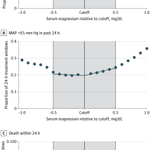
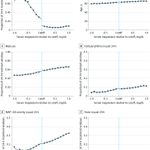



100% agree that we place too much emphasis on generic 'supportive care' and not enough on diagnosis + targeted interventions. But I think @PulmCrit hand waves away the robust study of supportive care by saying we can just do 'personalised resus based on physiology'. 1/2

In a heterogeneous group of critically ill patients, randomization to moderately different resuscitative endpoints is unlikely to matter (e.g., target MAP, oxygen saturation, pO2, pH, or pCO2).
A different resuscitative target might help a couple patients, hurt a few others, and won't affect most. The net effect is neutral.
What really matters is disease-oriented interventions targeting the underlying process (e.g., prompt correct diagnosis, correct antibiotics, source control).
And this is a good thing because it allows us to perform personalized resuscitation based on physiology and vibes (rather than rigidly targeting specific set of endpoints). #zentensivist
New universal MI definitions partly help clarify widespread confusion re. 'troponitis/troponemia/demand/type2mi' in the age of hsTrop, but despite 48 pages to define a disease, it still doesn't really tell us what to do with the endless stream of +ve trops in acute care. 1/5
But in practice, which trop elevations need confirmatory cath/imaging (as per text, "when it is feasible and appropriate based on the clinical status")? Most importantly, do those confirmatory tests identify a patient population that will benefit from some specific therapy? 4/5
Robert Goulden retweeted

The Five Laws of Medical Robotics A new blog post on the impending Robot Apocalypse. emcrit.org/emnerd/the-five-l…
🤖 Made with AI

We finally have a decision rule to guide CT head use >65 years old. The Canadian CT Head Rule says scan everyone >65yo. Many ED docs forget the inclusion criteria for CCTHR (LOC, amnesia, witnessed disorientation) and scan *every* >65yo with head injury (or worse, any fall). 1/6
The finding of no link between anticoag + significant TBI is just selection bias (lower threshold to scan, evidenced by 45% of pts being on AC, much higher than the source population). But it is notable that anticoag alone *without above criteria* is not an indication for CT. 5/6
Is active fever prevention after cardiac arrest necessary? Every guideline and reference source on this say yes (AHA, ILCOR, ESICM, AAN, UpToDate etc). Here's why the fatal fever theory is probably wrong, and why the era of post-arrest temperature control will likely soon end 1/7
Thankfully, the STEPCARE RCT - from the TTM team - is finally testing device-based fever control vs usual care, in 3500 post-arrest patients. Recruitment ended in May, the primary outcome is 6 month survival, so by the end of this year the truth will finally be known. 6/7