

I make the records and I make the pictures. Sometimes both at once. I don't just talk culture.
Joined March 2012
- Tweets3.6K
- Following1.8K
- Followers89.6K
- Likes2.6K







Quantize a shaker to 100 percent and the groove dies. So much of the bounce in Afrobeats lives in percussion sitting a few milliseconds behind the grid while the kick stays locked. Nudge the shaker late, leave the kick alone, and the same loop starts to walk.
On vertical video the app covers your frame. Captions, buttons and the username eat the bottom fifth and a strip down the right side. Frame product so the logo, the face and the price sit in the upper middle. Brands still park the best detail right where the like button lands.
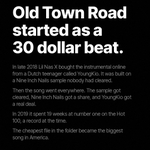
5 famous sounds and what they really are:
Lightsaber, projector motor plus TV buzz
T. rex roar, elephant, tiger, alligator
Jaws theme, two notes on repeat
Auto-Tune, maths from oil exploration
Amen break, six seconds from 1969
Your ears have been lied to beautifully.

Plenty of producers on the charts today learned on a cracked FL Studio and a laptop with a broken hinge. Plenty of editors learned off YouTube, videos downloaded on the midnight data plan.
Talent was never the scarce part. Access was.
Any studio that lets a kid sit in on a session is doing the real work.
Design your packaging for the dispatch bike, not the unboxing video. In rainy season a mailer can spend an hour in a box on the back of a bike on Ikorodu Road. Waterproof poly mailer, garment sealed in its own bag inside, card last. A soggy hoodie undoes the whole brand.
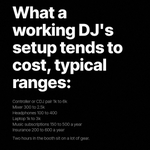
What a one day editorial shoot tends to cost, typical ranges:
Photographer 1k to 5k
Assistant 250 to 600
Hair and makeup 500 to 2k
Stylist 600 to 3k
Studio 400 to 2k
Retouching 300 to 1.5k
One clean photo is usually six invoices.
Most artists in music videos aren't actors, and directing them like actors is how you get stiff videos.
A trained actor can take a note like "you're heartbroken but hiding it" and turn it into something on their face. A singer hearing that note starts acting heartbroken, which means eyebrows, sighs and staring at the floor. On camera it reads as fake within two seconds.
What works is giving tasks, not emotions.
Don't say "look sad." Say "read this text on your phone and decide not to reply." The face does the rest, because the person is actually doing something. Untrained performers are great at doing and bad at showing.
Play the record loud. Every take, even the dialogue scenes, even the inserts. Artists come alive when they hear themselves. The minute playback stops they turn back into someone standing on a set waiting for instructions.
Keep the camera rolling between takes. Don't call cut and reset the room. Say "again from the top" and let them run it three times without stopping. The second and third passes, when they forget the camera is there, are where the usable material lives.
Shrink the audience. Managers, friends and label people crowding the monitor change the performance. The artist plays to them instead of the lens. Clear the eyeline and put the monitor somewhere the entourage can watch without being seen.
Give their hands a job. A cup, a steering wheel, a lighter, a phone. Hands with nothing to do are the first thing that makes an amateur look like an amateur.
Schedule their strength first. If the artist is magnetic performing to camera and wooden in a scripted scene, shoot the performance early while the energy is fresh, and keep the scripted moments short, wordless and cut tight.
Never show them the monitor in the middle of a scene. They'll spot a double chin or a bad angle and spend the rest of the day performing for their own face.
The best performance in a music video usually looks like nobody directed it. Somebody did. They just did it with tasks.
Producer said "one more take" at 9pm. It's 3am. The singer has since started a podcast, a skincare line and a beard.
Strong opinion: a great editor will save a bad shoot faster than a great camera will save a bad editor.
