

20+ years working w/athletes and unlocking potential | Lifelong learner of human performance | Eph 3:20-21 #maninthemaking | Co-Author of @CBATheBook
Liberty, MO
Joined June 2011
- Tweets2.2K
- Following477
- Followers682
- Likes5.3K



Jared Smith EdD retweeted

I love strength and conditioning. It’s something I’m deeply passionate about, and I understand the risks involved when unqualified individuals take responsibility for developing young athletes without the necessary education, experience, or understanding to guide them properly.
It’s disrespectful to families who trust you with their children, and it’s reckless when that lack of knowledge potentially jeopardizes a young athlete’s health and long-term development.
Working with kids is a responsibility that should never be taken lightly.
Jared Smith EdD retweeted

“Caring is cool. Nonchalance is a cop-out. Pour your heart and soul into what you love. You don’t get unlimited chances. Try hard. Give a damn.”
A central theme in The Way of Excellence: bit.ly/4uCzeQ7


Throwing the word "generally" in that response covers a lot...haha. I agree though...the extensive, albeit purposeful dynamic warmups are not ALWAYS necessary. They can be lengthy and eat up too much time.
1
1
631
Jared Smith EdD retweeted

Energy drinks are not healthy. Nor are the sugar-free.
Occasional use by a healthy adult is not a medical emergency, but they are a concentrated stimulant cocktail plus acids and additives that provide zero benefits to long-term health.
Typical energy drinks deliver:
❌A large fast dose of caffeine (often 80–300+ mg),
❌Guarana (extra caffeine), taurine, ginseng, L-carnitine, and high-dose B vitamins.
That combination is not the same as a cup of coffee. Acute effects in healthy adults include rises in systolic and diastolic blood pressure and cardiac output. 🫀
Reviews also report increased heart rate, sympathetic activation, and in some studies QTc prolongation an ECG change linked to arrhythmia risk.
Case reports and reviews have associated heavy use with palpitations, atrial fibrillation, ventricular arrhythmias, and rare events such as cardiac arrest, even in young people.
Healthy adults are generally considered able to tolerate up to about 400 mg of caffeine per day from all sources.
One large can, or two, can eat most of that budget, and extra sources (coffee, tea, pre-workout, chocolate) stack quickly.
Sensitive people, those with heart conditions, people on certain medications, and pregnant people have a lower safe threshold.
Sugar-free does not make them metabolically neutral. Removing sugar avoids a large calorie and glucose load, which is better than the sugary versions.
Mouse studies found that chronic intake of sugar-free energy drinks still produced metabolic-syndrome–like changes:
⚠️higher blood glucose
⚠️higher triglycerides
⚠️insulin resistance
⚠️more body fat without necessarily changing total body weight similar in direction to sugared energy drinks.
🐛Artificial sweeteners commonly used (sucralose, acesulfame-K, aspartame) are not calorie-free in their biological effects.
Evidence is mixed, but they have been linked to changes in gut bacteria, possible effects on glucose handling, and observational associations with cardiovascular and metabolic outcomes.
They also keep a very sweet taste preference going.
🚫 They are still hard on teeth
Sugar-free drinks skip the cavity-feeding sugar, but they are usually very acidic (often pH ~2.2–3.5).
🦷Enamel starts demineralizing around pH 5.5. Citric and phosphoric acids plus carbonation can erode enamel with frequent sipping. That damage is permanent; it is not the same as a cavity, but it is still real wear.
Everyday side effects that show up even in adults Common reported effects include insomnia, jitteriness, restlessness, GI upset, anxiety, and dependence-like use (you “need” one to function).
Sleep loss then feeds the next day’s craving for another can. Mixing with alcohol is particularly unwise: stimulants mask intoxication and raise risk of overdrinking and cardiac strain.
High-dose B vitamins in these drinks rarely correct a deficiency; they mostly make expensive urine.
Energy drinks are not healthy for children or adults.
Jared Smith EdD retweeted

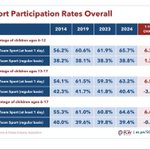
After sending our two kids (girl, boy) off to play college sports...
Here are my 10 PROTIPS for parents:
1. Focus on general athleticism early and often. Speed (land and water), jump, balance, catch, throw, and hit ball. You NEVER KNOW what sport your kid will end up loving and thriving in and being a good ATHLETE is far more rewarding over a lifetime than being a great _____ player.
2. FUN matters more than anything
3. Specialization and travel ball are completely overrated, especially prior to age 15.
4. Complaining about coaches or referees is loser behavior. Period.
5. Chilllll the fuck out on the sideline. Ever notice the calmest parents are the ones that actually played it? It's a process, not life or death.
6. Genetics wins. Your kid probably isn't elite. If they are, you'll know it because they'll completely dominate literally every game of every sport they try, and not just because they matured faster than others (the trap).
7. Getting "exposure" outside of your general region is almost always worthless. Don't tear your family up so a coach that'll be fired next year can see them at 14u 500 miles from home.
8. Always remember -- regardless what coaches say -- the kid who scores the most plays the most and gets the ball the most.
9. When watching on TV, focus on a player instead of the ball. How they move, work to get open, positive body language, etc.
10. The process > outcome. Focus on the fun... learn to compete... work to improve yourself... make friends and enjoy the ride.
They call it PLAYING for a reason!
Jared Smith EdD retweeted

Dear all high school sports social media pages,
STOP USING CHATGPT TO MAKE CONTENT.
Jared Smith EdD retweeted
Student-athletes: sleep is part of your training. 😴
Regularly getting <7–8 hours/night is associated with a 1.7x greater risk of injury, faster fatigue, and greater perceived effort.
Even one weekend of poor sleep can negatively impact reaction time & performance into Monday/Tuesday.
🎯 Your goal: 9–11 hours/night. Remove the obstacles keeping you from sleeping and recover like you train. nutritionwithwendi.com/blog/…
Jared Smith EdD retweeted
One of the wildest phenomenons I come across in the weight room are families who think their child doesn’t need structured, qualified S&C.
I worked in one of the premier facilities in Spain pro athletes flock from all over to be a part of because they understood the value of it. But at the youth level it often gets overlooked.
Jared Smith EdD retweeted

Put your kids into competitive situations and let them deal with difficulty and struggle.
Resilience will emerge and it will serve them for life.
Not many of us get to say that we work with a 2 time #WCWS champion. Congrats to @ashton_maloney and her teammates at @TexasSoftball WHAT A SEASON!!!
88


All the gear is “cool” and “fun” for the kids. Is it a bit much, 1000% yes but let them enjoy the game. The gear is a part of it.
103
The product that’s in high demand is the whole youth sports package. Club/travel ball, leagues, tournaments, and of course the gear (anything our culture and these mega corporations can deem necessary for our kids to compete at a high level).
1
42
Jared Smith EdD retweeted
You should not be giving your children energy drinks.

🚨Energy drinks and youth athletes🚨
Children, teens, and young athletes avoid energy drinks, citing potential health risks and the lack of performance benefits.
Caffeine Overload
-Many energy drinks contain high levels of caffeine (often 200-300+ mg per can)
-Increase heart rate and blood pressure
-Cause jitteriness, anxiety, or poor sleep
-Hurt focus and recovery
**Using an energy drink for fuel is like rearranging furniture on a sinking ship
No Substitution for Nutrition
No energy drink can replace proper fueling, hydration, or sleep. Athletes need real food, hydration, and balanced meals to perform and recover optimally.
Hidden Ingredients
Energy drinks often contain herbal stimulants (like guarana, yohimbine, or ginseng), sugar alcohols, and other ingredients that cause GI distress.
Better Alternatives
-Water + electrolytes
-Coconut H20 or cherry juice for fuel
-Chocolate milk post-workout
-Coffee in moderation (for older athletes)
-Carbohydrate-rich snacks for energy
Fuel with food first. Energy drinks are a shortcut with a cost—especially for developing athletes.
nutritionwithwendi.com/blog/…
