

Researching Ancestors Everywhere – Helping You Discover Family History, No Matter Where the Journey Leads.
Fairfax, VA
Joined March 2016
- Tweets1.6K
- Following501
- Followers911
- Likes315



Two FxGS events today: German surname variations at 1 PM at Pohick Regional Library, and Open Genealogy Night at 7 PM in City of Fairfax Library, Room 214. Bring a question. fxgs.org/content.aspx?club_i… #GenealogyCommunity #FxGS

9
New research direction? Update your FxGS special interest group selections to match! Page 18 of the November newsletter shows you how. Sign in at fxgs.org/ and choose the groups you want to hear from. #FxGS #FamilyHistory
11
Tomorrow at FxGS: free research tools plus a hands-on look at Google NotebookLM. Nov. 14, 10 AM to noon, Dunn Loring Volunteer Fire and Rescue Department. No registration required. fxgs.org/content.aspx?club_i… #GenealogyTech #FxGS
2
22
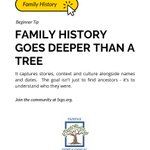
What's the difference between 'family history' and 'genealogy'? Both describe the same pursuit — tracing your roots — but family history often goes deeper, capturing stories, context, and culture alongside names and dates.
At FxGS, we help you do both. fxgs.org

Family history is more than names and dates. Explore traditions, stories, food, music, and cultural heritage through Smithsonian Folklife—and add richer context to your research.
folklife.si.edu/
#FamilyHistory #Folklife #CulturalHeritage
10
Behind every military record is a person whose service shaped a family story. This Veterans Day, preserve the dates and the memories. Whose service story are you researching? archives.gov/research/milita… #VeteransDay #MilitaryGenealogy

10
Land records — deeds, patents, and plats — can document an ancestor's life long before and after a census year. They show neighbors (often relatives), property values, and migration patterns.
Virginia land records are held at the Library of Virginia.

12
Three ways to begin this week: Irish Genealogy SIG Nov. 10, Beginner SIG Nov. 11, and free research tools Nov. 14. Which gathering matches your next step?fxgs.org/ #FamilyHistory #FxGS

14
Keep the conversation going between FxGS meetings! Our members-only Facebook group is a place to ask questions and share discoveries. See page 8 of your November newsletter for joining instructions, then introduce yourself! #FxGS #GenealogyCommunity
1
13
Every family historian begins with a question. Why did they move? Who is in the photo? Where did the surname begin? What question are you trying to answer now? Share only what feels comfortable. fxgs.org/ #GenealogyCommunity #FxGS

A research plan sounds formal, but it's simply a written list of what you know, what you want to find out, and where you'll look next. It keeps you focused — and reminds you what you've already tried.
FxGS members learn to build one in our sessions. fxgs.org

1
8
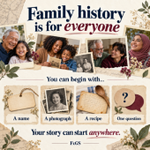
Family history has no age requirement and no single cultural starting point. Begin with one name, photo, recipe or question. What first made you curious about your family? fxgs.org/content.aspx?club_i… #FamilyHistoryForEveryone #FxGS

9
The Virginia Room at the City of Fairfax Regional Library is one of the region's best resources for local genealogical research — and FxGS has a long-standing relationship with their team.
Visit: 10360 North Street, Fairfax, VA
Learn more at fxgs.org

Your next family history idea is in your inbox! The November FxGS newsletter features vital records, a book exchange, archive tips, and ways to connect. Members, check your email and pick an article to explore!
fxgs.org/
#FxGS #FamilyHistory

FxGS November: eight dates, nine events. Irish SIG: Nov. 10, 2 PM at Pohick Regional Library. Explore the calendar: fxgs.org/content.aspx?action… #FxGS

Cemeteries preserve family and community stories—not just names and dates.
On your next visit, photograph markers, note nearby burials, record the location, and verify details with other sources.
Research carefully. Remember respectfully.
fxgs.org
1
25
The U.S. census changed significantly over the decades. The 1850 census listed every household member by name for the first time. By 1880, it included relationships. By 1940, it added education and income.
Knowing what each census contains saves research time.

One of the best things you can do before searching any database: write down everything you already know. Names, approximate dates, places, family stories — even the fuzzy ones. This becomes your research plan.
FxGS can help you build one. fxgs.org

16
Building a family archive starts with knowing what you have.
Today’s FxGS Archive SIG explores how to gather, sort, assess, and care for family materials—from photos and letters to fragile or private records.
Preservation starts with thoughtful choices.
fxgs.org

16