

Computational Neuro-Spatial Intelligence & Cognitive Environment Designer
Ethiopia, Europe & US
Joined December 2020
- Tweets1.1K
- Following127
- Followers398
- Likes3.3K

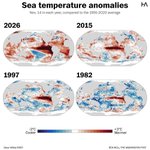




Ethiopia has no coastline (STC) yet the ocean writes our rains. A warming Pacific gave us the 2026–27 El Niño; a warming Indian Ocean shifts the belg & kiremt rains. When the ocean heats, we drought, we flood. The sea is far away. Its consequences are not.
#ElNino #COP31 #COP32

The oceans have warmed rapidly over the past 2 decades. The impacts of warming oceans are far-reaching, affecting marine ecosystems, biodiversity & the ocean’s role as a carbon sink.
#StateOfClimate for #COP31: bit.ly/stateofclimateCOP31

HamiltAn retweeted
Professor Mindaralew Zewdie – a philosopher silenced by power, yet immortalized by legacy.
Fired from AAU in 1993 by the TPLF junta for his intellectual influence.
His books “Deem the Doom Redeeming” & “God per Capita” echo with deep moral clarity.
In this clip, he defines RENEGADE (ባንዳ) with unmatched precision - I’ve never encountered the term expressed in Amharic so powerfully. He portrayed it perfectly.
A voice for generations.
#MindaralewZewdie
#Ethiopia
#AcademicFreedom
#Philosophy
#TruthMatters
HamiltAn retweeted

🇪🇹 𝗔𝗦𝗦𝗔𝗕 𝗜𝗦 𝗘𝗧𝗛𝗜𝗢𝗣𝗜𝗔𝗡 (𝗣𝗔𝗥𝗧 𝗧𝗛𝗥𝗘𝗘) 🇪🇹
𝟭𝟴𝟴𝟯: 𝗜𝗧𝗔𝗟𝗬'𝗦 𝗧𝗥𝗘𝗔𝗧𝗬 𝗪𝗜𝗧𝗛 𝗧𝗛𝗘 "𝗦𝗨𝗟𝗧𝗔𝗡 𝗢𝗙 𝗔𝗦𝗦𝗔𝗕" 𝗡𝗘𝗘𝗗𝗘𝗗 𝗔𝗡 𝗘𝗧𝗛𝗜𝗢𝗣𝗜𝗔𝗡 𝗞𝗜𝗡𝗚'𝗦 𝗔𝗣𝗣𝗥𝗢𝗩𝗔𝗟. 𝗔𝗡𝗗 𝗜𝗧𝗔𝗟𝗬 𝗔𝗚𝗥𝗘𝗘𝗗 𝗧𝗛𝗘 𝗞𝗜𝗡𝗚 𝗪𝗢𝗨𝗟𝗗 𝗦𝗘𝗧 𝗪𝗛𝗔𝗧 𝗜𝗧 𝗣𝗔𝗜𝗗 𝗙𝗢𝗥 𝗧𝗛𝗘 𝗥𝗢𝗔𝗗.
In Part One we followed Eritrea's claim to its first page: deeds whose originals nobody has found, Arabic versions that probably never existed in writing, and papers to which Ethiopia was not a party. In Part Two we read how an unelected government signed Assab away without even naming it. Now the third page, from 1883. 𝗜𝘁 𝗶𝘀 𝘁𝗵𝗲 𝗼𝗽𝗽𝗼𝘀𝗶𝘁𝗲 𝗶𝗻 𝗲𝘃𝗲𝗿𝘆 𝘄𝗮𝘆. 𝗧𝗵𝗲 𝗼𝗿𝗶𝗴𝗶𝗻𝗮𝗹𝘀 𝗲𝘅𝗶𝘀𝘁. 𝗧𝗵𝗲 𝗔𝗿𝗮𝗯𝗶𝗰 𝘃𝗲𝗿𝘀𝗶𝗼𝗻 𝗲𝘅𝗶𝘀𝘁𝘀, 𝘄𝗶𝘁𝗵 𝘁𝗵𝗲 𝘀𝘂𝗹𝘁𝗮𝗻'𝘀 𝘀𝗲𝗮𝗹 𝗼𝗻 𝗶𝘁. 𝗔𝗻𝗱 𝗮𝗻 𝗘𝘁𝗵𝗶𝗼𝗽𝗶𝗮𝗻 𝗸𝗶𝗻𝗴 𝗶𝘀 𝗮 𝗽𝗮𝗿𝘁𝘆.
Two questions for this part. 𝗪𝗵𝗼𝘀𝗲 𝗮𝗽𝗽𝗿𝗼𝘃𝗮𝗹 𝗱𝗶𝗱 𝗜𝘁𝗮𝗹𝘆'𝘀 𝘁𝗿𝗲𝗮𝘁𝘆 𝘄𝗶𝘁𝗵 𝘁𝗵𝗲 "𝗦𝘂𝗹𝘁𝗮𝗻 𝗼𝗳 𝗔𝘀𝘀𝗮𝗯" 𝗻𝗲𝗲𝗱? 𝗔𝗻𝗱 𝘄𝗵𝗼𝗺 𝗱𝗶𝗱 𝘁𝗵𝗲 𝘁𝗿𝗲𝗮𝘁𝘆 𝗲𝗺𝗽𝗼𝘄𝗲𝗿 𝘁𝗼 𝘀𝗲𝘁 𝘄𝗵𝗮𝘁 𝗜𝘁𝗮𝗹𝘆 𝗽𝗮𝗶𝗱 𝗳𝗼𝗿 𝘁𝗵𝗲 𝗿𝗼𝗮𝗱 𝗳𝗿𝗼𝗺 𝗔𝘀𝘀𝗮𝗯?
𝗠𝗮𝗿𝗰𝗵 𝟭𝟴𝟴𝟯. Italy's envoy, Count Pietro Antonelli, draws up a treaty with Mahammad Hanfadhe, the Afar sultan of Awsa, whose country lay between the coast and the Ethiopian highlands. Hertslet's Map of Africa by Treaty, compiled by the Librarian of Britain's Foreign Office, titles it a treaty with "𝘁𝗵𝗲 𝗦𝘂𝗹𝘁𝗮𝗻 𝗼𝗳 𝗔𝘀𝘀𝗮𝗯, Mohamed Hanfari, Chief of the Danakils." Under the title: "(𝗔𝗽𝗽𝗿𝗼𝘃𝗲𝗱 𝗯𝘆 𝘁𝗵𝗲 𝗞𝗶𝗻𝗴 𝗼𝗳 𝗦𝗵𝗼𝗮, 𝟮𝟮𝗻𝗱 𝗠𝗮𝘆, 𝟭𝟴𝟴𝟯.)" Article IX: "Convention 𝘁𝗼 𝗯𝗲 𝘀𝘂𝗯𝗺𝗶𝘁𝘁𝗲𝗱 𝗳𝗼𝗿 𝘁𝗵𝗲 𝗔𝗽𝗽𝗿𝗼𝘃𝗮𝗹 𝗼𝗳 𝘁𝗵𝗲 𝗞𝗶𝗻𝗴 𝗼𝗳 𝗦𝗵𝗼𝗮, 𝗮𝗻𝗱 𝘁𝗼 𝗯𝗲 𝗿𝗮𝘁𝗶𝗳𝗶𝗲𝗱 𝗮𝘁 𝗦𝗵𝗼𝗮 by an Italian Representative." At the foot, under the sultan's seal: "(𝗦𝗲𝗮𝗹 𝗼𝗳 𝘁𝗵𝗲 𝗞𝗶𝗻𝗴 𝗼𝗳 𝗦𝗵𝗼𝗮.)"
We are lawyers now. 𝗔 𝘁𝗿𝗲𝗮𝘁𝘆 𝘁𝗵𝗮𝘁 𝗺𝘂𝘀𝘁 𝗯𝗲 𝘀𝘂𝗯𝗺𝗶𝘁𝘁𝗲𝗱 𝗳𝗼𝗿 𝘀𝗼𝗺𝗲𝗼𝗻𝗲'𝘀 𝗮𝗽𝗽𝗿𝗼𝘃𝗮𝗹 𝗶𝘀 𝗻𝗼𝘁 𝗰𝗼𝗺𝗽𝗹𝗲𝘁𝗲 𝘄𝗶𝘁𝗵𝗼𝘂𝘁 𝗶𝘁. This one named whose approval it needed: 𝘁𝗵𝗲 𝗞𝗶𝗻𝗴 𝗼𝗳 𝗦𝗵𝗼𝗮, 𝗠𝗲𝗻𝗲𝗹𝗶𝗸.
𝟭𝟴 𝗔𝗽𝗿𝗶𝗹 𝟭𝟴𝟴𝟯. The sultan seals the Arabic version. Its ninth article reads: "𝗧𝗵𝗲𝘀𝗲 𝗮𝗿𝘁𝗶𝗰𝗹𝗲𝘀 𝗮𝗿𝗲 𝗶𝗻 𝗮𝗰𝗰𝗼𝗿𝗱𝗮𝗻𝗰𝗲 𝘄𝗶𝘁𝗵 𝘁𝗵𝗲 𝘄𝗶𝗹𝗹 𝗼𝗳 𝗞𝗶𝗻𝗴 𝗠𝗶𝗻𝗶𝗹𝗶𝗸." Below it: "Seal: Sultan Mahammad Hanfadhe. Seal: King Minilik of Shewa." 𝗦𝗼 𝗠𝗲𝗻𝗲𝗹𝗶𝗸'𝘀 𝘄𝗶𝗹𝗹 𝗶𝘀 𝗻𝗮𝗺𝗲𝗱 𝗶𝗻 𝘁𝗵𝗲 𝗔𝗿𝗮𝗯𝗶𝗰 𝘃𝗲𝗿𝘀𝗶𝗼𝗻 𝗯𝗲𝗮𝗿𝗶𝗻𝗴 𝘁𝗵𝗲 𝘀𝘂𝗹𝘁𝗮𝗻'𝘀 𝘀𝗲𝗮𝗹, 𝗻𝗼𝘁 𝗼𝗻𝗹𝘆 𝗶𝗻 𝗠𝗲𝗻𝗲𝗹𝗶𝗸'𝘀 𝗼𝘄𝗻 𝗔𝗺𝗵𝗮𝗿𝗶𝗰 𝘃𝗲𝗿𝘀𝗶𝗼𝗻. Look at the foot of that page: beside the sultan's small seal sits Menelik's great round seal, ringed in Ge'ez letters.
𝟮𝟬 𝘁𝗼 𝟮𝟮 𝗠𝗮𝘆 𝟭𝟴𝟴𝟯, 𝗔𝗻𝗸𝗼𝗯𝗲𝗿. The sultan had sealed. Was that enough? No. Antonelli carried it up to Ankober, Menelik's capital. Menelik's Amharic version is dated 20 May. Antonelli signed on 22 May. Acta Aethiopica, the edition that publishes the originals, gives the reason: the sultan "𝗿𝗲𝗰𝗼𝗴𝗻𝗶𝘇𝗲𝗱 𝘁𝗵𝗲 𝗮𝘂𝘁𝗵𝗼𝗿𝗶𝘁𝘆 𝗮𝗻𝗱 𝘁𝗵𝗲 𝗶𝗻𝘁𝗲𝗿𝗲𝘀𝘁 𝗠𝗶𝗻𝗶𝗹𝗶𝗸 𝗵𝗮𝗱 𝗿𝗲𝗴𝗮𝗿𝗱𝗶𝗻𝗴 𝘁𝗵𝗲 𝗿𝗼𝘂𝘁𝗲𝘀 𝘁𝗼 𝘁𝗵𝗲 𝗰𝗼𝗮𝘀𝘁." In the editors' words, Antonelli "𝗺𝘂𝘀𝘁 𝗵𝗮𝘃𝗲 𝗱𝗲𝗰𝗶𝗱𝗲𝗱 𝘁𝗼 𝗽𝗼𝘀𝘁𝗽𝗼𝗻𝗲 𝗵𝗶𝘀 𝘀𝗶𝗴𝗻𝗶𝗻𝗴 𝘂𝗻𝘁𝗶𝗹 𝗠𝗶𝗻𝗶𝗹𝗶𝗸 𝗵𝗮𝗱, 𝘀𝗼 𝘁𝗼 𝘀𝗽𝗲𝗮𝗸, 𝗿𝗮𝘁𝗶𝗳𝗶𝗲𝗱 𝘁𝗵𝗲 𝘁𝗿𝗲𝗮𝘁𝘆 𝗯𝘆 𝗮𝗽𝗽𝗹𝘆𝗶𝗻𝗴 𝗵𝗶𝘀 𝘀𝗲𝗮𝗹 𝘁𝗼 𝗮𝗹𝗹 𝘁𝗵𝗿𝗲𝗲 𝘃𝗲𝗿𝘀𝗶𝗼𝗻𝘀." Menelik's Amharic version says it plainly: the treaty "𝗮𝗰𝗰𝗼𝗿𝗱𝘀 𝘄𝗶𝘁𝗵 𝘁𝗵𝗲 𝘄𝗶𝗹𝗹 𝗼𝗳 𝗞𝗶𝗻𝗴 𝗠𝗶𝗻𝗶𝗹𝗶𝗸, 𝘁𝗵𝗲 𝗞𝗶𝗻𝗴 𝗼𝗳 𝗘𝘁𝗵𝗶𝗼𝗽𝗶𝗮." 𝗜𝗻 𝗽𝗹𝗮𝗶𝗻 𝘄𝗼𝗿𝗱𝘀: 𝗠𝗲𝗻𝗲𝗹𝗶𝗸 𝘀𝗲𝗮𝗹𝗲𝗱 𝗳𝗶𝗿𝘀𝘁. 𝗜𝘁𝗮𝗹𝘆'𝘀 𝗲𝗻𝘃𝗼𝘆 𝘀𝗶𝗴𝗻𝗲𝗱 𝗮𝗳𝘁𝗲𝗿 𝗵𝗶𝗺.
𝗗𝘂𝗿𝗶𝗻𝗴 𝘁𝗵𝗲 𝘀𝗮𝗺𝗲 𝗻𝗲𝗴𝗼𝘁𝗶𝗮𝘁𝗶𝗼𝗻𝘀, 𝗼𝗻 𝟮𝟭 𝗠𝗮𝘆, Italy signs a second treaty, this time with Menelik himself. Article 10 names the road: "𝘁𝗵𝗲 𝗿𝗼𝘂𝘁𝗲 𝗯𝗲𝘁𝘄𝗲𝗲𝗻 𝗔𝘀𝗲𝗯 𝗮𝗻𝗱 𝗦𝗵𝗲𝘄𝗮." Then it says who decides what Italy pays for it:
"𝗞𝗶𝗻𝗴 𝗠𝗶𝗻𝗶𝗹𝗶𝗸 𝘀𝗵𝗮𝗹𝗹 𝗱𝗲𝘁𝗲𝗿𝗺𝗶𝗻𝗲 𝘁𝗵𝗲 𝗳𝗲𝗲 𝘁𝗼 𝗯𝗲 𝗽𝗮𝗶𝗱 𝘁𝗼 𝘁𝗵𝗲 𝗴𝗼𝘃𝗲𝗿𝗻𝗼𝗿 𝗼𝗳 𝗔𝘄𝘀𝗮 𝗯𝘆 𝘁𝗵𝗲 𝗴𝗼𝘃𝗲𝗿𝗻𝗺𝗲𝗻𝘁 𝗼𝗳 𝗜𝘁𝗮𝗹𝘆 𝘀𝗼 𝘁𝗵𝗮𝘁 𝘁𝗵𝗲 𝘀𝗮𝗶𝗱 𝗿𝗼𝘂𝘁𝗲 𝗿𝗲𝗺𝗮𝗶𝗻𝘀 𝗮𝗰𝗰𝗲𝘀𝘀𝗶𝗯𝗹𝗲. 𝗪𝗵𝗲𝗻𝗲𝘃𝗲𝗿 𝘁𝗵𝗲 𝘁𝗲𝗿𝗺𝘀 𝗳𝗼𝗿 𝗽𝗮𝘆𝗺𝗲𝗻𝘁 𝗲𝘅𝗽𝗶𝗿𝗲 𝘁𝗵𝗲 𝗸𝗶𝗻𝗴 𝘀𝗵𝗮𝗹𝗹 𝗱𝗲𝘁𝗲𝗿𝗺𝗶𝗻𝗲 𝘁𝗵𝗲 𝘆𝗲𝗮𝗿𝗹𝘆 𝗽𝗮𝘆𝗺𝗲𝗻𝘁 𝘁𝗼 𝘁𝗵𝗲 𝗴𝗼𝘃𝗲𝗿𝗻𝗼𝗿 𝗼𝗳 𝗔𝘄𝘀𝗮."
Read it again. Italy pays. The governor of Awsa receives. 𝗠𝗲𝗻𝗲𝗹𝗶𝗸 𝗱𝗲𝗰𝗶𝗱𝗲𝘀 𝗵𝗼𝘄 𝗺𝘂𝗰𝗵, 𝗮𝗻𝗱 𝗱𝗲𝗰𝗶𝗱𝗲𝘀 𝗮𝗴𝗮𝗶𝗻 𝗲𝘃𝗲𝗿𝘆 𝘁𝗶𝗺𝗲 𝘁𝗵𝗲 𝘁𝗲𝗿𝗺𝘀 𝗿𝘂𝗻 𝗼𝘂𝘁.
The same treaty divides the work around that road. Article 9 puts Italy on "𝘁𝗵𝗲 𝘀𝗶𝗱𝗲 𝗼𝗳 𝘁𝗵𝗲 𝘀𝗲𝗮" and Shewa on "𝘁𝗵𝗲 𝗶𝗻𝘁𝗲𝗿𝗻𝗮𝗹 𝗿𝗼𝘂𝘁𝗲𝘀". 𝗔𝗻𝗱 𝗔𝗿𝘁𝗶𝗰𝗹𝗲 𝟭𝟭 𝗴𝗶𝘃𝗲𝘀 𝗠𝗲𝗻𝗲𝗹𝗶𝗸'𝘀 𝗽𝗲𝗼𝗽𝗹𝗲 𝗮 𝗽𝗹𝗮𝗰𝗲 𝗮𝘁 𝗔𝘀𝗲𝗯 𝗶𝘁𝘀𝗲𝗹𝗳: Italy's king must see to it that Shewans who come to Aseb "receive land without the paying of money".
Why does a seal matter so much? 𝗟𝗼𝗼𝗸 𝗮𝘁 𝗦𝘂𝗲𝘇. In November 1854, Egypt's ruler Said Pasha granted Ferdinand de Lesseps the concession for the Suez Canal. Egypt was then part of the Ottoman Empire, so the deal was not final until the Ottoman Sultan approved it. His firman came on 19 March 1866, twelve years later. 𝗧𝗵𝗲 𝘀𝗲𝗮𝗹 𝗮 𝗱𝗲𝗮𝗹 𝗺𝘂𝘀𝘁 𝘄𝗮𝗶𝘁 𝗳𝗼𝗿 𝘁𝗲𝗹𝗹𝘀 𝘆𝗼𝘂 𝘄𝗵𝗼𝘀𝗲 𝘀𝗮𝘆 𝗶𝘁 𝗻𝗲𝗲𝗱𝘀. 𝗧𝗵𝗲 𝗿𝗼𝗮𝗱 𝗳𝗿𝗼𝗺 𝗔𝘀𝘀𝗮𝗯 𝘄𝗮𝗶𝘁𝗲𝗱 𝗳𝗼𝗿 𝗠𝗲𝗻𝗲𝗹𝗶𝗸'𝘀.
𝗕𝘂𝘁 𝗶𝘀 𝘁𝗵𝗶𝘀 𝗼𝗻𝗹𝘆 𝗮𝗯𝗼𝘂𝘁 𝗮 𝗿𝗼𝗮𝗱? 𝗛𝗲𝗿𝗲 𝗶𝘀 𝗵𝗼𝘄 𝗜𝘁𝗮𝗹𝗶𝗮𝗻 𝘄𝗿𝗶𝘁𝗲𝗿𝘀 𝗼𝗳 𝘁𝗵𝗲 𝘁𝗶𝗺𝗲 𝗱𝗲𝘀𝗰𝗿𝗶𝗯𝗲𝗱 𝘁𝗵𝗲 𝗔𝗳𝗮𝗿 𝗼𝗿𝗱𝗲𝗿 𝗮𝗿𝗼𝘂𝗻𝗱 𝗔𝘀𝘀𝗮𝗯. In an 1884 study of the Afar of Assab (we posted it on 25 October), Scaramucci and Giglioli record Ibrahim, "capo di Assab" (chief of Assab), as a subordinate of the Sultan of Raheita. They name the Afar's "𝗰𝗮𝗽𝗼 𝘀𝘂𝗽𝗿𝗲𝗺𝗼" (supreme chief) as Mohammet Anfari of Aussa, and write: "𝗶𝗹 𝗴𝗼𝘃𝗲𝗿𝗻𝗼 𝗱𝗲𝗶 𝗗𝗮𝗻𝗮𝗸𝗶𝗹 𝗵𝗮 𝗰𝗲𝗻𝘁𝗿𝗼 𝗮𝗱 𝗔𝘂𝘀𝘀𝗮" (the government of the Afar has its centre at Aussa). 𝗔𝗻𝗳𝗮𝗿𝗶 𝗶𝘀 𝗛𝗮𝗻𝗳𝗮𝗱𝗵𝗲: 𝘁𝗵𝗲 𝘀𝗮𝗺𝗲 𝘀𝘂𝗹𝘁𝗮𝗻 𝘄𝗵𝗼𝘀𝗲 𝟭𝟴𝟴𝟯 𝘁𝗿𝗲𝗮𝘁𝘆 𝗜𝘁𝗮𝗹𝘆 𝗰𝗮𝗿𝗿𝗶𝗲𝗱 𝘁𝗼 𝗔𝗻𝗸𝗼𝗯𝗲𝗿 𝗳𝗼𝗿 𝗠𝗲𝗻𝗲𝗹𝗶𝗸'𝘀 𝘀𝗲𝗮𝗹.
They will say: "Shewa was not Ethiopia." The Amharic text answers in its own words: "𝗞𝗶𝗻𝗴 𝗠𝗶𝗻𝗶𝗹𝗶𝗸, 𝘁𝗵𝗲 𝗞𝗶𝗻𝗴 𝗼𝗳 𝗘𝘁𝗵𝗶𝗼𝗽𝗶𝗮." Shewa was a kingdom of Ethiopia under Emperor Yohannes IV, and six years later Menelik himself was crowned Emperor.
𝗡𝗼𝘄 𝗰𝗮𝗿𝗿𝘆 𝟭𝟴𝟴𝟯 𝗳𝗼𝗿𝘄𝗮𝗿𝗱. In Part Two, CSIS reported in 1991 that Sultan Ali Mirah of Awsa, on the same throne Hanfadhe sat on, "𝘀𝗲𝗲𝗺𝘀 𝗶𝗻𝘁𝗲𝗻𝘁 𝗼𝗻 𝘁𝗵𝗿𝗼𝘄𝗶𝗻𝗴 𝗵𝗶𝘀 𝗹𝗼𝘁 𝗶𝗻 𝘄𝗶𝘁𝗵 𝗔𝗱𝗱𝗶𝘀 𝗔𝗯𝗮𝗯𝗮, 𝗻𝗼𝘁 𝗔𝘀𝗺𝗮𝗿𝗮." Two years later, an unelected Ethiopian government recognised Eritrea in a declaration of about 450 words that does not contain the word "Assab". 𝗜𝗻 𝟭𝟴𝟴𝟯, 𝗜𝘁𝗮𝗹𝘆 𝘄𝗮𝗶𝘁𝗲𝗱 𝗳𝗼𝗿 𝗮𝗻 𝗘𝘁𝗵𝗶𝗼𝗽𝗶𝗮𝗻 𝗸𝗶𝗻𝗴'𝘀 𝘀𝗲𝗮𝗹. 𝗜𝗻 𝟭𝟵𝟵𝟯, 𝗠𝗲𝗹𝗲𝘀'𝘀 𝗴𝗼𝘃𝗲𝗿𝗻𝗺𝗲𝗻𝘁 𝗱𝗶𝗱 𝗻𝗼𝘁 𝗲𝘃𝗲𝗻 𝘄𝗿𝗶𝘁𝗲 𝘁𝗵𝗲 𝗻𝗮𝗺𝗲.
𝗠𝘆 𝗿𝗲𝗮𝗱𝗶𝗻𝗴: in 1883 Menelik had what the editors call "the authority and the interest" regarding "the routes to the coast", and the treaties wrote it down. Two questions, two answers. Whose approval did the treaty with the "Sultan of Assab" need? 𝗠𝗲𝗻𝗲𝗹𝗶𝗸'𝘀. Whom did the treaty empower to set what Italy paid for the road from Assab? 𝗠𝗲𝗻𝗲𝗹𝗶𝗸. Any account of Assab that leaves Menelik out of these arrangements is incomplete. Eritrea's claim begins with deeds whose originals nobody has found. 𝗧𝗵𝗲𝘀𝗲 𝗼𝗿𝗶𝗴𝗶𝗻𝗮𝗹𝘀 𝗲𝘅𝗶𝘀𝘁, 𝗶𝗻 𝗜𝘁𝗮𝗹𝘆'𝘀 𝗼𝘄𝗻 𝗮𝗿𝗰𝗵𝗶𝘃𝗲, 𝗮𝗻𝗱 𝗮𝗻 𝗘𝘁𝗵𝗶𝗼𝗽𝗶𝗮𝗻 𝗸𝗶𝗻𝗴'𝘀 𝘀𝗲𝗮𝗹 𝗶𝘀 𝗼𝗻 𝘁𝗵𝗲𝗺.
𝗜𝘁𝗮𝗹𝘆 𝗵𝗮𝗱 𝗮 𝗳𝗹𝗮𝗴 𝗼𝗻 𝘁𝗵𝗲 𝗯𝗲𝗮𝗰𝗵. 𝗠𝗲𝗻𝗲𝗹𝗶𝗸 𝗵𝗮𝗱 𝘁𝗵𝗲 𝘀𝗲𝗮𝗹 𝗮𝗻𝗱 𝘁𝗵𝗲 𝗽𝗿𝗶𝗰𝗲.
Read it yourself 👇
Hertslet, The Map of Africa by Treaty, 3rd ed. (1909), vol. II, No. 112, pp. 447-448
archive.org/details/mapofafr…
Acta Aethiopica IV: Colonial Powers and Ethiopian Frontiers 1880-1884 (Rubenson et al., Lund, 2021), doc. 118, pp. 144-149 (originals: ASMAI 7/1-1, no. 17), and doc. 122, arts. 9-11, pp. 154-156
library.oapen.org/bitstream/…
Scaramucci and Giglioli, Archivio per l'Antropologia e la Etnologia XIV (1884), pp. 37-38
babel.hathitrust.org/cgi/pt?…
CSIS Africa Notes No. 127, 27 Aug 1991, p. 7 (see Part Two)
Suez Canal: concession, Nov 1854; Sultan's firman, 19 Mar 1866
globalsecurity.org/military/…
#Ethiopia #Eritrea #Assab #Aseb #RedSea #HornOfAfrica #EastAfrica #Afar


H A P P Y
G U N D E T V I C T O R Y D A Y
150 years ago today, our heroes stood on their own mountains and shattered Egypt's army. They came to conquer - we answered with victory.
Respect our heroes.
Ethiopia remains unbroken.
#Gundet150
#Ethiopia
November 16, 1875
Egypt marched from the Red Sea coast to conquer Ethiopia, & at Gundet Emperor Yohannes IV's forces destroyed that expedition. More than a mere battle - it was sovereignty defended, an invasion answered.
Ethiopia remains!
#Gundet150
#150YearsOfባንዳ

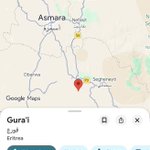
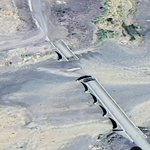
Google can't drive you from Asmara to Assab via Eritrea. It sends you 970 km through Ethiopia - 16 hours 34 minutes via Mekelle, Semera. And the bridge to Assab? Destroyed purposefully in 2021.
Ownership matters
#AssabEthiopia


#COP32
Ethiopians, the call is ours to answer. Join the 35-by-35 Electrification Pledge - electricity to 35% of energy by 2035. We pioneered #GreenLegacy planted billions of trees, & we host #COP32 in 2027.
Lead by example.
Let's engage now.
#COP31
#COP32Presidency

The COP31 Presidency invites countries and non-state actors to join the 35-by-35 Global Electrification Pledge and express their support for the global effort to accelerate electrification.
No formal signature or additional reporting is required.
To express your support, please contact:
📩 [email protected]
#COP31Türkiye #COP31Antalya #COP31Presidency


After Gundet, Cairo vowed "But our brave soldiers shall be avenged!" March 1876 - Egypt marched back to Gura, with 15,000 men, artillery, loser Confederate generals & Ethiopia defeated them again!
Twice beaten. Twice taught!
After 150 years they’re still learning
#Gundet150

Egypt's Costliest Gift
Egypt brought 2,500 Remington rifles & 14 cannon to conquer Ethiopia. Ethiopia kept them all. 😎 (UNESCO GHA) The most expensive gift Cairo ever delivered. 150 years on, Egypt is still pouring its arsenal nonstop.
Nothing changed.
#Gundet150

NOVEMBER 1875
Egypt's commander wrote to Emperor Yohannes demanding "indemnity" pay, or we march on your capital. Survived U.S. General Loring's memoir (1884) records "The King made no reply."
No tribute. No fear. No words.
He answered at Gundet instead.
#Gundet150

ETHIOPIA IS LIFE
Two of every three litres Eritrea drinks begin in Ethiopia. The Setit rises on our highlands - 90%+ of its catchment is ours. Even a country that warred with us lives on our water. Ethiopia is the heartbeat, the life, survival of the Horn & beyond.
#Ethiopia

