





One of the central challenges in precision oncology is identifying targets that are much more abundant on cancer cells than on healthy cells, and that therapies can physically reach and bind to.
Carcinoembryonic antigen-related cell adhesion molecule 6 (CEACAM6) combines both characteristics: it is overexpressed in several solid tumors and is located on the cell surface, where it can be accessed by targeted therapies.
CEACAM6 is a cell-surface glycoprotein expressed in some normal epithelial and myeloid cells.[1] In several solid tumors, however, its expression becomes dysregulated and can increase substantially, including in pancreatic, lung, colorectal, gastric, and breast cancers.[1–4]
Importantly, its relevance extends beyond expression alone; elevated CEACAM6 has been associated with tumor progression, invasion, metastasis and poorer survival across multiple cancer types.[2,3,5,6]
Its location on the outer cell surface also makes CEACAM6 accessible to targeted therapeutic approaches. Antibodies and antibody-based conjugates can be designed to recognize CEACAM6 on tumor cells, creating opportunities for more targeted treatment strategies.[1,4]
The combination of cell-surface accessibility, differential expression and a role in aggressive tumor biology makes CEACAM6 a compelling target for the development of precision cancer therapies.
#PrecisionOncology #TargetedTherapy #CancerBiology #Oncology #CancerResearch #TranslationalMedicine #LungCancer #BreastCancer #CEACAM6 #Tumor #Cancer
AI can now analyze vast biological datasets, generate hypotheses and propose new drug candidates. It is already accelerating cancer research in ways that were unimaginable a decade ago.
But scientific discovery is more than pattern recognition.
Some of oncology's most important breakthroughs, from cisplatin to checkpoint immunotherapy to the first KRAS-targeted therapy, began when scientists questioned accepted assumptions or followed findings that did not fit existing models.
Our latest blog article explores what AI is transforming in cancer research, where biological insight and scientific judgment remain essential, and why the future of oncology will depend on combining both.
Read the full article: helixbiopharma.com/blog/will…
#CancerResearch #Oncology #CancerBiology #TranslationalMedicine #Biotechnology #MedicalInnovation #FutureOfMedicine #LifeSciences

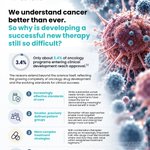
We understand cancer biology better than ever; but translating that knowledge into successful new therapies remains extraordinarily challenging.
One large analysis of clinical trials estimated that only 3.4% of oncology drug development programs entering clinical trials ultimately reached approval.
The reasons go well beyond scientific discovery: advances in existing treatments, increasingly precise patient populations, complex treatment strategies, and higher expectations for clinical benefit all add to the challenges of bringing new cancer therapies to patients.
And despite decades of progress, substantial unmet needs remain across oncology.
Addressing these challenges requires more than promising science; it demands a clear understanding of disease biology, thoughtful patient selection, and clinical development strategies designed to demonstrate meaningful improvements in patient outcomes.
At Helix BioPharma, we believe the future of oncology therapies will lies in combining scientific insight with smarter development decisions to translate therapeutic potential into real clinical benefit.
#Oncology #CancerResearch #PrecisionOncology #TranslationalMedicine #TargetedTherapy #PersonalizedMedicine #Biotechnology #MedicalInnovation #FutureOfMedicine

Oncology drug development has a difficult mandate: move promising therapies forward faster while maintaining rigorous standards for safety and clinical benefit.
The challenge is substantial. An estimated 3.4% of oncology drug candidates entering clinical development ultimately reach approval, among the lowest success rates across therapeutic areas [1].
More efficient development strategies can help improve how promising therapies are identified and evaluated. In a meta-analysis of 570 phase II oncology trials, biomarker-guided approaches were associated with response rates of 31%, compared with 10.5% for non-personalized strategies [2].
Adaptive trial designs and master protocols, including basket, umbrella and platform trials, can allow researchers to evaluate multiple hypotheses more efficiently and adapt studies as evidence emerges [3,4,6]. Expedited regulatory programs and earlier interaction with regulators can help address development questions sooner [5]. AI and advanced computational approaches are also being explored across trial design, patient selection, recruitment, and data analysis [7].
These approaches are not about weakening the evidentiary standard, but about reducing avoidable delays, improving decision-making and concentrating resources on therapies with the strongest potential to benefit patients.
Faster oncology development means generating the right evidence more efficiently and delivering meaningful innovation to patients sooner.
#Oncology #CancerResearch #PrecisionOncology #TranslationalMedicine #PersonalizedMedicine #MedicalInnovation #FutureOfMedicine #Biotechnology

A single cancer cell can display thousands of proteins, but very few of them justify years of drug development.
Target selection depends on a combination of factors: does the molecule contribute to the disease, is its expression meaningfully higher in tumor than in healthy tissue, can the chosen therapeutic modality reach it, and is it present in a clinically relevant patient population? For targeted therapies, tumor specificity is particularly important because on-target, off-tumor activity can create significant toxicity.
CEACAM6 is one example of a target that has drawn growing interest against these criteria. It is overexpressed across several epithelial cancers and associated with poorer outcomes, signals through pathways involved in proliferation, invasion and angiogenesis, has been linked to reduced chemosensitivity, and has also been implicated in immune evasion through interaction with CEACAM1 on activated T cells.
Its cell-surface expression also makes it accessible to targeted therapeutic approaches.
What makes a strong target valuable is that it is not tied to a single technology. CEACAM6 has been explored through antibody-drug conjugates, nanobody-based formats, targeted nucleic acid delivery, and immunoconjugates designed to modify the acidic tumor microenvironment rather than directly kill tumor cells.
The most effective therapeutic strategies do not begin with a modality. They behind with biology that is understood well enough to determine where, and how, to intervene.
At Helix BioPharma, our work begins with that principle: understanding tumor biology deeply enough to identify where intervention may matter most, and designing therapeutic strategies around it.
For a deeper look at CEACAM6 as a therapeutic target, explore our presentation from World ADC London 2026:
helixbiopharma.com/wp-conten…
#CancerBiology #Oncology #CancerResearch #TranslationalMedicine #TargetedTherapy #PrecisionOncology #MedicalInnovation #Biotechnology #FutureOfMedicine
Cancer accounted for roughly 35% of all new FDA drug approvals in 2025. Yet progress across oncology remains uneven.
Where new therapies emerge depends on more than clinical need. The biology must offer a viable point of intervention, clinical evidence must be feasible to generate, and the development path must be capable of sustaining the investment required to reach patients.
Rare cancers bring these pressures into particularly sharp focus. Collectively, they account for approximately one quarter of cancer diagnoses worldwide, yeat each individual disease may affect only a small number of patients. This can make research, trial recruitment, and development more difficult even where unmet need is substantial.
Orphan-drug frameworks were created to change part of that equation. Through development incentives and closer regulatory engagement, they can make focused development programs viable for patient populations that may not fit conventional large-market models.
Our latest blog article examines why some areas of oncology remain underserved, how biology, clinical development, and economics interact, and how orphan-drug policy has reshaped what is possible in smaller patient populations. It also looks at one setting where these challenges converge: relapse after allogeneic stem cell transplantation in acute leukemia, an area Helix BioPharma is actively targeting through its development pipeline.
Read the full article: helixbiopharma.com/blog/why-…
#Oncology #CancerResearch #CancerBiology #TranslationalMedicine #MedicalInnovation #HealthcareInnovation #FutureOfMedicine #Biotechnology #LifeSciences

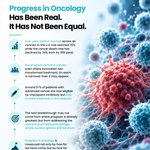
Oncology has made extraordinary progress, but that progress has not reached every patient equally.
Five-year relative survival across all cancers has reached 70% in the United States, with the cancer death rate falling 34% from its 1991 peak, averting an estimated 4.8 million deaths.¹
Yet outcomes still differ dramatically by disease: five-year survival is 98% in prostate cancer and 95% in melanoma, compared with 28% in lung cancer, 22% in liver and esophageal cancers, and 13% in pancreatic cancer.¹
Even where innovation has transformed treatment, its reach often remains limited. Approximately 57% of patients with advanced or metastatic cancer are now eligible for immune checkpoint inhibitors, but only about 20% are expected to respond.²
The gaps are not random. They are concentrated in cancers that remain difficult to detect early, lack clear molecular targets, develop treatment resistance, or leave patients with few options once standard therapies fail.³
The next generation of meaningful oncology innovation must extend progress into these settings where unmet need remains highest.
Because progress in oncology is measured not only by how far we have come, but by how far it reaches.
#Oncology #CancerResearch #CancerBiology #TranslationalMedicine #MedicalInnovation #FutureOfMedicine #Biotechnology #LifeSciences

For much of modern oncology, drug development centered on the individual molecule: identify a target, develop a therapy, and determine whether it improves outcomes.
But the value of a cancer therapy is rarely determined by the molecule alone.
Tumors are heterogeneous and constantly evolving, patients move through increasingly complex treatment pathways, and therapeutic response can depend on factors ranging from tumor biology and prior treatment to dose, sequence, and combination strategy.
This is changing how oncology drugs are developed: increasingly, the goal is to understand where, when, how, and for whom it can deliver the greatest benefit.
This may mean selecting patients based on the biology most likely to respond. It may mean combining complementary mechanisms, optimizing dose and treatment sequence, or identifying a clinical setting in which a therapy can address a specific unmet need.
Importantly, meaningful innovation does not always require replacing the existing standard of care. A new therapy may create value by enhancing an established treatment, helping overcome a mechanism of resistance, or extending benefit to patients for whom current approaches remain insufficient.
The molecule still matters. But increasingly, so does the strategy built around it.
This is also how we think about development at Helix BioPharma: not only what a therapy can do in isolation, but where it can add the most value within a treatment pathway.
Because in oncology, developing the drug is only part of the challenge; understanding how best to use it matters too.
#CancerResearch #Oncology #PrecisionOncology #CancerBiology #PersonalizedMedicine #TranslationalMedicine #TargetedTherapy #MedicalInnovation #FutureOfMedicine #LifeSciences

A breakthrough in the laboratory is only the first step of a much longer journey.
Between scientific discovery and patient impact lies a long and complex path: preclinical development, clinical trials, manufacturing, regulatory review, financing, and access.
Each step matters. Because even compelling science only creates value for patients if it can successfully make it through that journey.
This is why translation is itself a critical part of innovation: turning scientific potential into something that can be developed, validated, manufactured, approved, and ultimately delivered to the patients who need it.
Discovery creates possibility. Translation turns it into impact.
#Oncology #CancerResearch #TranslationalMedicine #Biotechnology #LifeSciences #MedicalInnovation #HealthcareInnovation #FutureOfMedicine
A cancer therapy can successfully target the tumor cell and still face another obstacle: the environment surrounding it.
The tumor microenvironment (TME) can influence immune-cell infiltration and activity, drug penetration, tumor metabolism, and ultimately treatment response. This is changing the way researchers think about cancer therapy.
In our latest blog article, we explore how the TME has evolved from a biological concept into an increasingly important therapeutic focus, from immune suppression and stromal barriers to tumor metabolism and extracellular acidity, and why the future of precision oncology may depend on understanding the tumor as an ecosystem.
Read more: helixbiopharma.com/blog/the-…
#CancerResearch #Oncology #TumorMicroenvironment #CancerBiology #ImmunoOncology #PrecisionOncology #TargetedTherapy #MedicalInnovation #FutureOfMedicine

When leukemia returns after an allogeneic stem-cell transplant, the therapeutic challenge changes.
The transplant can generate a graft-versus-leukemia (GvL) effect, in which donor-derived immune cells recognize and attack residual leukemia cells. When relapse occurs, one of the key questions is therefore how to restore or strengthen this immune response against the disease.
Current treatment options may include targeted therapies, salvage treatment, modification of immunosuppression, donor lymphocyte infusion, cellular therapies and, in selected patients, a second transplant. Yet durable disease control remains a significant unmet need in this rare, difficult-to-treat setting.
At Helix BioPharma, we are developing LEUMUNA™, an investigational oral small-molecule immune modulator designed to strengthen the donor-derived GvL response against recurrent disease. For patients whose leukemia returns after allogeneic stem-cell transplantation, restoring immune control of the disease represents an important therapeutic approach to explore.
This Rare Cancer Day, we are highlighting the need to keep advancing new therapeutic approaches for patients facing post-transplant relapse.
#CancerResearch #Oncology #PrecisionOncology #CancerBiology #TranslationalMedicine #MedicalInnovation #HealthcareInnovation #FutureOfMedicine #Biotechnology #LifeSciences

Helix BioPharma is pleased to announce the appointments of Karen Krumeich, Jamieson Bondarenko, CFA, CMT, Charmaine Lykins, MBA, and Dirk Brockstedt, Ph.D. to our Board of Directors, with Karen Krumeich also appointed Chair of the Board and Audit Committee.
The appointments are part of a planned Board renewal and significantly strengthen Helix’s leadership, adding complementary expertise across biotechnology, finance and capital markets, commercialization, and corporate governance.
The renewed Board is structured to support Helix’s next phase, with a clear focus on pipeline advancement, disciplined execution, and long-term growth.
Read the full press release here: helixbiopharma.com/fy2026/he…
#HelixBioPharma #BoardofDirectors #Oncology #CapitalMarkets #Finance #Biotech #CorporateGovernance

In 2006, landmark research in colorectal cancer showed that the type, density and location of immune cells within a tumor could provide important information about patient outcomes. A few years later, researchers described distinct immune profiles, including what became known as “hot”, “altered” and “cold” tumors.
At the center of this complexity is the tumor microenvironment (TME): the ecosystem of immune cells, stromal cells, blood vessels, extracellular matrix, signaling molecules, and metabolic conditions that surrounds and interacts with the tumor.
The TME does more than provide a backdrop for cancer growth. It can influence immune activity, drug penetration, tumor metabolism, and ultimately how a tumor responds to treatment. This understanding is reshaping therapeutic thinking.
Rather than focusing exclusively on destroying malignant cells, emerging strategies are also seeking to change the conditions that allow tumors to survive and resist therapy. Approaches under investigation include reducing immune suppression, increasing T-cell infiltration, remodeling the extracellular matrix, and altering tumor metabolism, with the broader goal of making tumors more susceptible to treatment, including immunotherapy.
The aim is increasingly twofold: target the cancer itself while creating a TME in which treatment can work more effectively.
This represents an important evolution in oncology, from viewing cancer primarily as a collection of malignant cells to understanding it as a dynamic ecosystem that can itself be therapeutically modified.
At Helix BioPharma, we believe strategically modulating the tumor microenvironment has the potential to complement leading immuno-oncology therapies and, ultimately, contribute to better outcomes for patients.
#CancerResearch #Oncology #PrecisionOncology #TumorMicroenvironment #CancerBiology #TumorHeterogeneity #TranslationalMedicine #TargetedTherapy #MedicalInnovation #Biotechnology #FutureOfMedicine

Relapse is not the return of the same leukemia.
When leukemia returns, it often carries the same diagnosis; biologically, however, it may be a very different disease.
At diagnosis, leukemia is rarely made up of a single, uniform population of cells. Instead, it consists of multiple subclones with distinct genetic characteristics. While treatment eliminates the most sensitive cells, resistant subclones can survive and continue to evolve.
Over time, these surviving cells may acquire additional mutations, become the dominant cell population, and reshape the biology of the disease. In T-cell acute lymphoblastic leukemia (T-ALL), for example, mutations present at frequencies below 5% at diagnosis have been shown to become dominant at relapse.
This means that relapsed leukemia may no longer respond to therapies that were effective at diagnosis. It also explains why repeat molecular profiling is increasingly important when the disease returns. Understanding the biology of relapse can help guide treatment decisions based on the leukemia that exists today — not the one that existed months or years earlier.
This is why modern oncology increasingly relies on re-biopsy, genomic profiling, and continuous monitoring at relapse. The goal is not to treat the cancer that existed years ago, but to understand the disease as it exists today.
Relapse is not simply leukemia coming back; it’s leukemia evolving.
At Helix BioPharma, we believe lasting progress begins with understanding how cancer changes over time, and designing therapies that account for that complexity.
#CancerResearch #Oncology #PrecisionOncology #CancerBiology #TumorHeterogeneity #GenomicMedicine #CancerGenomics
#PersonalizedMedicine #TranslationalMedicine #TargetedTherapy #Biotechnology #LifeSciences #MedicalInnovation #HealthcareInnovation
#FutureOfMedicine #LungCancer #NSCLC #NonSmallCellLungCancer #BreastCancer #Oncology
Not every advance in oncology starts with a new molecule.
From precision radiopharmaceuticals and metronomic chemotherapy to fluorescence-guided surgery and personalized endocrine therapy, many of today’s most meaningful advances are improving how established therapies are delivered, dosed, and applied.
At Helix BioPharma, we believe innovation is measured not only by what is new, but by what improves outcomes for patients.
To learn more, read our latest blog here: helixbiopharma.com/blog/some…
#CancerResearch #Oncology #PrecisionOncology #CancerBiology #TumorHeterogeneity #GenomicMedicine #CancerGenomics
#PersonalizedMedicine #TranslationalMedicine #TargetedTherapy #Biotechnology #LifeSciences #MedicalInnovation #HealthcareInnovation
#FutureOfMedicine #LungCancer #NSCLC #NonSmallCellLungCancer #BreastCancer #Oncology

Why does it take so long to develop a cancer therapy?
Because showing that something works in the laboratory is only the first step.
A compound may kill cancer cells in vitro (in cells studied outside the body), but cancer in the human body is far more complex. Researchers first need to determine whether that effect holds up in vivo (in a living organism), where a tumor is interacting with blood vessels, immune cells, stromal tissue, metabolism and other features of the tumor microenvironment.
Even then, preclinical models cannot fully reproduce human disease. A therapy that performs well in a cell culture or animal model may behave differently in patients because of differences in tumor biology, drug exposure, toxicity, immune response or resistance mechanisms.
This translational challenge is one of the central difficulties of cancer research: moving from a controlled experimental system to the biological complexity of a patient.
Researchers therefore need to build the evidence step by step. Does the proposed target play a meaningful role in the disease? Does intervening against it produce the intended biological effect in increasingly representative models? Can the therapy reach the tumor at an effective concentration? Is that exposure safe? And which patients are most likely to have the biology that makes them responsive?
Biomarkers, molecular profiling and patient-selection strategies can then help connect a therapeutic mechanism with the patients most likely to benefit.
And the questions continue beyond biology. A therapy must be manufactured reproducibly, tested through increasingly rigorous clinical studies, meet regulatory standards and, ultimately, be delivered in a way that allows patients to access it.
This is why cancer drug development is rarely a straight line from discovery to approval. It is a process of repeatedly testing whether an observation made in one setting remains true as the biological and clinical context becomes more complex.
Cancer itself makes that translation especially difficult. Tumors evolve, develop resistance, contain multiple cellular populations and interact continuously with their surrounding microenvironment. A therapy that works against one biological state may not work against another.
This is why modern oncology increasingly asks which therapy is most appropriate for which patient, which biology it should target, at which stage of disease, and in which treatment context.
This World Cancer Research Day, we recognize not only the discoveries that begin the journey, but also the years of translational research required to turn a promising scientific observation into a treatment that can meaningfully benefit patients.
#CancerResearch #Oncology #TranslationalMedicine #MedicalInnovation #HealthcareInnovation #FutureOfMedicine #LifeSciences

Scientific discovery doesn’t always begin with finding new biology; sometimes it begins with a deepening understanding of biology we are already familiar with.
As research advances, biological targets that were once viewed simply as disease markers can reveal previously unrecognized roles in cancer progression, treatment resistance, and interaction with the tumor microenvironment. These new insights can fundamentally change how researchers think about therapeutic intervention.
CEACAM6 (carcinoembryonic antigen-related cell adhesion molecule 6) illustrates this evolution. Once primarily associated with cell adhesion, it is now recognized as a multifunctional protein involved in several hallmarks of cancer, making it an increasingly attractive therapeutic target.
Rather than viewing established biology as fixed, modern oncology continues to revisit it with new tools, new questions, and a deeper understanding of the disease.
At Helix, this philosophy underpins the development of our lead candidate, Tumor Defense Breaker™, L-DOS47, which uses CEACAM6 as a means of delivering urease directly to the tumor microenvironment to address one of cancer’s defining biological features: tumor acidosis.
Sometimes, meaningful innovation comes from uncovering new therapeutic possibilities within biology we through we already understood.
#CancerResearch #Oncology #PrecisionOncology #CancerBiology #TumorHeterogeneity #GenomicMedicine #CancerGenomics
#PersonalizedMedicine #TranslationalMedicine #TargetedTherapy #Biotechnology #LifeSciences #MedicalInnovation #HealthcareInnovation
#FutureOfMedicine #LungCancer #NSCLC #NonSmallCellLungCancer #BreastCancer #Oncology
Innovation in oncology isn’t always about discovering a new molecule. Increasingly, it’s also about optimizing how existing and emerging therapies are used.
Dose, schedule, route of administration, sequencing, and combination strategies can all influence clinical outcomes.
Lower-dose metronomic chemotherapy illustrates this principle. Rather than administering treatment at the maximum tolerated dose, metronomic approaches use continuous low-dose administration to maintain anti-tumor pressure while reducing treatment burden. Clinical reviews have reported meaningful clinical benefit in selected breast cancer settings, including clinical benefit rates of up to 68%.
The same principle extends beyond dosing. Oral and subcutaneous formulations can reduce treatment burden, improve convenience and support adherence, while optimized sequencing and combination strategies may help maximize therapeutic benefit.
As our understanding of cancer biology continues to evolve, so too does our understanding of how therapies should be used. Meaningful innovation increasingly depends not only on developing better medicines, but also on deploying them more intelligently.
#CancerResearch #Oncology #PrecisionOncology #CancerBiology #TumorHeterogeneity #GenomicMedicine #CancerGenomics #PersonalizedMedicine #TranslationalMedicine #TargetedTherapy #Biotechnology #LifeSciences #MedicalInnovation #HealthcareInnovation #FutureOfMedicine #LungCancer #NSCLC #NonSmallCellLungCancer #BreastCancer #Oncology
Some of modern oncology’s most important advances have come from identifying the molecular drivers of cancer and developing therapies against them. But identifying a target is only one part of the biological picture.
Tumors exist within complex and changing environments. Cancer cells interact with immune and stromal cells, blood vessels, the extracellular matrix, and local metabolic conditions. These relationships can evolve as the disease progresses and under the selective pressure of treatment, influencing therapeutic response, resistance, and the durability of disease control.
Advances in systems biology, single-cell analysis, and spatial technologies are making it increasingly possible to study these interactions in context rather than examining individual molecular alterations in isolation. This is expanding the questions we can ask around newly identified targets: Which patients are most likely to benefit? What biological conditions influence a target’s relevance? Which resistance mechanisms may emerge? And could combinations or treatment sequencing alter the response?
The result is a more integrated view of cancer biology, bringing together molecular targets with immune biology, metabolism, the tumor microenvironment, biomarkers, resistance mechanisms, and, ultimately, therapeutic strategy.
For drug development, the implication is important: understanding what to target remains essential, but so does understanding the biological system in which that target operates.
#CancerResearch #Oncology #CancerBiology #PrecisionOncology #TumorHeterogeneity #CancerGenomics #TargetedTherapy #TranslationalMedicine #MedicalInnovation #Biotechnology #LifeSciences #FutureOfMedicine

When biology is understood, development becomes more predictable.
In drug development, novelty often attracts attention. But the evidence tells a more nuanced story.
First-in-class therapies have an overall Phase I-to-approval success rate of approximately 9%. By comparison, programs built on established biology and validated mechanisms consistently demonstrate higher success rates in later-stage development. For example, repurposed therapies achieve Phase II success rates of ~25% versus ~10% for new molecular entities, and Phase III success rates of ~65% versus ~50%.
The reason is straightforward: established biology reduces uncertainty. Known mechanisms of action, existing human safety data, validated targets, and biomarker-guided patient selection enable better-informed decisions earlier in development, helping to reduce the risk of costly late-stage failures. In non-small cell lung cancer (NSCLC), for example, biomarker-driven approaches have demonstrated trial success rates of 62%, compared with 11% in non-biomarker-selected populations.
When a single failed clinical program can cost $800 million–$1.4 billion, reducing uncertainty is not a conservative strategy; it is both a scientific and economic imperative.
At Helix BioPharma, we believe meaningful innovation begins with a strong biological foundation. By building on what’s already understood, we can focus resources on solving the questions that matter most for patients and accelerate the path to meaningful clinical outcomes.
#CancerResearch #Oncology #PrecisionOncology #CancerBiology #TumorHeterogeneity #GenomicMedicine #CancerGenomics #PersonalizedMedicine #TranslationalMedicine #TargetedTherapy #Biotechnology #LifeSciences #MedicalInnovation #HealthcareInnovation #FutureOfMedicine #LungCancer #NSCLC #NonSmallCellLungCancer
#BreastCancer #Oncology #OralTherapy