

Postdoc @Stanfordethics @StanfordHAI. PhD @STSCornell. Sociologically minded STS-er ✍︎ ML/AI in medicine; public engagement in science & AI.
- Tweets55
- Following646
- Followers203
- Likes239
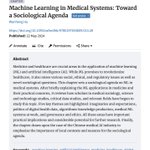








ALT Over the last half century, technological innovation has rapidly transformed how people understand their health and wellbeing, manage their health, and the healthcare they receive in clinical settings. These technologies (and their developers) proffer myriad promises: wearable health technologies promise the ability for everyday people to know and intervene upon their health risks; genomic technologies promise ever more precise therapeutic interventions; non-invasive diagnostic screening tests promise to detect early disease to enable swift intervention; AI promises more rapid, accurate, and streamlined care. There is a sense that technology has transformed what constitutes biomedicine and the ways in which people experience health and illness. Indeed, medical sociologists and science and technology studies (STS) scholars have characterized shifts in the landscape of biomedicine in the late 20th century, attending to the shifting drivers of medicalization (Conrad 2005, 2007) and how th


ALT Cover of the SKAT newsletter with the Chair's Column and image of Montreal, and a table of content on the side.


