

Grow your way. We equip organizations to thrive through the confident application of technology.
300 Queen St Brisbane QLD
Joined April 2012
- Tweets5.1K
- Following1.5K
- Followers677
- Likes18
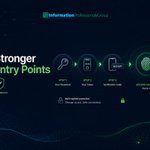


Modern authentication goes beyond basic logins by combining multiple proof elements. Selecting appropriate methods for different user groups strengthens entry controls without adding unnecessary complexity. #Authentication #AccessMethods #CyberEntry

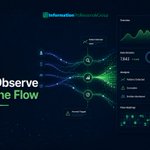
Examining network traffic reveals how information moves between systems. Spotting unusual volumes or directions early supports quicker adjustments and keeps operations running smoothly. #NetworkAnalysis #TrafficMonitoring #CyberFundamentals

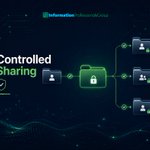
File sharing platforms ease teamwork but need precise permissions and encrypted transfers. Check recipients and access times. #FileSharing #SecureTransfer #CyberPractices

Cyber Trivia: Alan Turing, born 23 June 1912, pioneered computing and code-breaking concepts shaping today's secure algorithms. Visit informpros.com #CyberTrivia #AlanTuring #TechPioneers

Automation and AI boost efficiency but need oversight on inputs, outputs, and decisions. Thoughtful integration maximizes benefits. Visit informpros.com #AIConsiderations #AutomationSecurity #TechIntegration

Digital threats evolve constantly. Stay adaptive with ongoing reviews of configurations and response frameworks. Visit our website informpros.com #EvolvingThreats #AdaptiveReadiness #CyberOutlook

Endpoints are entry points in distributed setups. Tailored controls and monitoring contain issues at the source, ensuring network stability. Visit our website informpros.com #EndpointStrategies #DeviceProtection #CyberEndpoints

Data classification organises info by sensitivity, guiding storage, sharing, and protection. Focus resources where it matters. Visit informpros.com #DataClassification #InformationHandling #CyberOrganisation

Insider dynamics are risks from within an organisation, intentional or accidental. Clear roles and monitoring prevent wider impact. Visit our website informpros.com #InsiderDynamics #InternalRisk #CyberAwareness

Firewalls are checkpoints that filter network activity by rules. Regularly review these rules to match needs and block unnecessary paths. Visit our website informpros.com #FirewallBasics #NetworkControl #CyberPerimeters

Mobile devices extend workplace reach but challenge access and storage. Updates, remote control, and policies maintain control and flexibility. Visit informpros.com #MobileSecurity #DeviceManagement #CyberMobility

King's Birthday honors service and connection. Tim Berners-Lee's birthday recalls the Web's creation, reminding us to safeguard trust across networks. Visit informpros.com #KingsBirthday #TimBernersLee #WebFoundations

During software creation, verifying each phase spots weaknesses before live deployment. Input validation and code reviews ensure dependable apps. Visit informpros.com #SecureDevelopment #CodePractices #SoftwareSafety

The Domain Name System turns web addresses into numbers. Validated servers and encrypted queries prevent harmful redirects. Visit informpros.com #DNSSecurity #CyberFundamentals #NameResolution

Western Australia Day honors dedication and rest. Clear digital boundaries ensure smooth workflows and less exposure. Visit informpros.com #WesternAustraliaDay #DigitalBoundaries #CyberPractices

As digital landscapes shift, adaptable habits and regular reviews help organisations respond to new risks. Visit informpros.com #AdaptiveHabits #CyberAwareness #MayRecap

Reconciliation Week highlights diverse perspectives. Digital inclusion means accessible training, clear policies, and meeting varied user needs. Visit informpros.com #ReconciliationWeek #InclusivePractices #CyberCulture

Proper system configuration means choosing defaults, disabling unused features, and applying security settings to resist probing. Visit informpros.com #SystemConfiguration #SecureSetup #CyberFundamentals

The principle of least privilege grants only necessary access, limiting risks if accounts are compromised. Visit our website informpros.com #LeastPrivilege #AccessPrinciples #SecurityMethods

Cyber Trivia: Gary Kildall's 1970s CP/M OS shaped how computers manage tasks and protect info. Visit informpros.com #CyberTrivia #TechHistory #OperatingSystems
