

Sri Kanchi Kamakoti Peetam, Kanchipuram was established by Sri Adi Shankaracharya more than 2500 years ago.
Kanchipuram, India
Joined May 2015
- Tweets15.1K
- Following0
- Followers33.4K
- Likes0




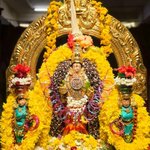

ShriMatham Brindavanam's Morning Pooja Darshan Parābhavaḥ Saṁvatsaraḥ Saumyaḥ Vasaram 28th Oct 2026 xitter.cf/i/broadcasts/1yxBePXpd…


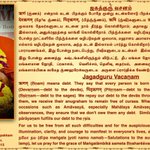
The Vedās alone are our pramāṇa (authoritative) scripture. The Vedās are known as apauruṣeya (not written by any person). If a person creates something, it is called pauruṣeya. For example, when someone carves a sculpture, he is the śilpi. If a person writes a book, he is its author. But no one wrote the Vedās. As they are the very breath of Īśvara, the Vedās have existed eternally as apauruṣeya. One of their names is Śruti (that which is heard), and they have been preserved from parampara to parampara, as a Śruti.
The Vedās' meaning has been presented in forms ordinary people can understand. The Purāṇas and Itihāsas convey the meaning in a way that common people, and those who may not possess sūkṣmabuddhi (subtle intellectual abilities), can comprehend. We come to understand the teachings of the Vedās through the Purāṇas, the Itihāsas, the Nīti Śāstras (ethical scriptures), and our nitya anuṣṭhānas. There are many Purāṇas, and almost all are in Samskṛta bhāṣā. Hara Hara Śaṅkarā Jaya Jaya Śaṅkarā Nārāyanā #kamakoti #JagadguruVacanam

Sri Sankara Arts & Science College, Enathur, #Kanchipuram - Sri Jayendra Saraswathi Swamigal Auditorium & Sri Sankara Vijayendra Saraswathi
Swamigal Advanced Skill Development Centre will be blessed and inaugurated by Pujyashri Shankaracharya Swamigal on Wednesday, the 28th October, 2026. #kamakoti


ShriMatham Brindavanam's Morning Pooja Darshan Parābhavaḥ Saṁvatsaraḥ Bhaumaḥ Vasaram 27th Oct 2026 xitter.cf/i/broadcasts/1pJdRDqVX…

ShriMatham Brindavanam's Morning Pooja Darshan Parābhavaḥ Saṁvatsaraḥ Bhaumaḥ Vasaram 27th Oct 2026 xitter.cf/i/broadcasts/1vJpPNyyE…

By becoming worthy recipients of the anugraha and āśīrvāda of the Pitṛ-devatās, one's vaṃśavṛddhi (growth and continuity of the lineage) proceeds auspiciously. One is blessed with healthy progeny who possess dharma cintana when there is no pitṛ-doṣa.Our Sanātana Dharmā has pūjā vidhanas (prescribed norms) for the three forms of pūjās: देवता (devatā), ऋषि (ṛṣi), and पितृ (pitṛ). We perform pūjā to devatās. For example, we perform the Candramoulīśvara pūjā. It is devatā-ārādhana. We must also receive the blessings of the ṛṣis. For that, niyamās are important, such as taking a snānam, performing sandhyāvandanam, observing maunam, and following āhāra-niyamās (dietary disciplines). These observances include rules on which foods may or may not be consumed during particular months, and regulations concerning naivedyas; one should not eat brinjal gotsu on Pradoṣam. All these are āhāra-niyamas and ācāra-niyamas (rules of conduct and discipline).
If you view them as harsh, they may appear as restrictions. But if you view them positively, you refer to them as regulations that guide us. If you view them with bhati, they become expressions of respect. In summary, our Dharmā honors the Devatās, the Ṛṣis, and the Pitṛs by prescribing guidelines and disciplines. Thus, our desa reveres all three. Sanātana Vaidika Hindu Dharmā nurtures a culture that honors them and is endowed with traditions and practices that honor them. Hara Hara Śaṅkarā Jaya Jaya Śaṅkarā #kamakoti #JagadguruVacanam

ShriMatham Brindavanam's Morning Pooja Darshan Parābhavaḥ Saṁvatsaraḥ Induḥ Vasaram 26th Oct 2026 xitter.cf/i/broadcasts/1qxvvejVR…

ShriMatham Brindavanam's Morning Pooja Darshan Parābhavaḥ Saṁvatsaraḥ Induḥ Vasaram 26th Oct 2026 xitter.cf/i/broadcasts/1mxPaZyOb…

Lie Evening Darshan 25.10.2026 xitter.cf/i/broadcasts/1RKjpbmkE…

Whether it is music, dance, prasangā, or even the Rāmāyaṇa śloka, everything is a gift from the ṛṣis. In the Bhārata deśa, the ṛṣis, who are tapasvīs and discovered everything, including dhyāna ślokās and upāsanā‑mārgās, wrote bhāṣyās, gave us the Saṃskṛta bhāṣā, and the culture known as saṃskṛti. Because these came from the ṛṣis, they carry authenticity.
If someone presents certain ideas out of self-interest or in haste, we should examine them carefully and ascertain their truthfulness. However, this culture has come down to us as a treasure bestowed by the ṛṣis, who transmitted it without selfish motives, haste, craving for fame, or wealth. Therefore, this tradition is not a patent. Rather, the Hindu Sanātana Dharma is something to be understood patiently. is a subject that requires patient study, reflection, and understanding. The Ṛṣis have conferred this tradition to us with a pure manas. As you mentioned earlier, citing न कर्मणा (na karmaṇā—not by action) and शुद्धसत्त्वाः (śuddhasattvāḥ), that state of śuddhasattva means a pure manas. தூய்மை (tūymai—purity), தாய்மை (tāymai—maternal tendernesstāymai), and வாய்மை(vāymai—truthfulness ) are of great importance, and all these three qualities are exalted in India. The ṛṣis handed down this culture to us with such a pure manas. Hara Hara Namaḥ PārvatīPataye | Hara Hara Māhādevā | #kamakoti #JagadguruVacanam

भज रे बहु-रूप-चित्सुखेन्द्रं बहुशः सह्य-गुहा-तपस्स्वतन्द्रम् ।
प्रशम-प्रणयात् प्रशान्त-चारं परम् आनन्द-युजं च पाप-दूरम् ॥
Today is the Aradhana of Pujyashri Chitsukhanandendra Saraswati Shankaracharya Swamigal, the 36th Peethadipathi of Shri Kanchi Kamakoti Peetham. He attained mukti at Kanchi on Hevilambi Ashvayuja Purnima (757 CE).

#திருவொற்றியூர் 2வது வருஷ வேத சம்மேளனம் 25.10.2026 சங்கராசார்யபுரம் 32தெற்கு மாட வீதி திருவொற்றியூர் xitter.cf/i/broadcasts/1AKEmvgoO…

ShriMatham Brindavanam's Morning Pooja Darshan Parābhavaḥ Saṁvatsaraḥ Bhānuḥ Vasaram 25th Oct 2026 xitter.cf/i/broadcasts/1nxeLMgZR…

கரூர் மாவட்டம் நெரூர் அ/மி சதாசிவ பிரம்மேந்திரர், காசி விஸ்வநாதர் திருக்கோயில் மகா கும்பாபிஷேக விழா xitter.cf/i/broadcasts/1nxeLMgDn…

திருவொற்றியூர் 2வது வருஷ வேத சம்மேளன உபன்யாஸம் ஹோம மற்றும் பூஜா திரவ்யங்கள் | ரா.ஸ்ரீகிருஷ்ண கனபாடி xitter.cf/i/broadcasts/1qKVmyjmk…

ShriMatham Brindavanam's Evening Pooja Darshan Parābhavaḥ Saṁvatsaraḥ Sthira Vasaram 24th Oct 2026 xitter.cf/i/broadcasts/1YxNrbwZV…


ShriMatham Brindavanam's Morning Pooja Darshan Parābhavaḥ Saṁvatsaraḥ Sthira Vasaram 24th Oct 2026 xitter.cf/i/broadcasts/1PJqrNOOD…
