

Bitcoin education that doesn't suck. Learn Bitcoin: The Journey, Rabbit Holes, Glossary. Free. Ad-free. No Tracking. Open source. Bitcoin only. No bullshit.
Joined October 2023
- Tweets869
- Following2
- Followers354
- Likes432





Every fall, the “it’s over” calls that came with it, and how long each climb back took: learnbitcoin.com/rabbit-hole…

Checked it against daily closes. True, so far:
2011: -92.7%
2013-15: -84.5%
2017-18: -83.8%
2021-22: -76.7%
2025-26: -53.1%, still open
Odd detail: -53.1% is exactly how deep the summer 2021 dip went, and that one hit a new high three months later.


Good outcome for Binance customers. And a useful reminder: the best time to try a withdrawal is while withdrawals work. For a few days last week, they didn’t.
Bitcoin runs on them too. The reward halves every 210,000 blocks, so the supply is 210,000 × 50 × (1 + ½ + ¼ + ...) = 21 million.
Chart idea: supply vs. the calendar. Blocks have averaged about 9.6 minutes since 2009, so the chain runs ~37,000 blocks (about 259 days) ahead of a strict 10-minute clock. The 2024 halving landed in April, not late December. On schedule by height, eight months early by date.
How many coins already have their key showing, updated weekly: chainquery.com/reports/quant…
Why a panicked mass migration would be the worst response: learnbitcoin.com/rabbit-hole…

Today, moving coins to a fresh address is the best quantum defense you have.
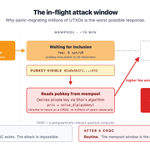
After a quantum computer shows up, moving them is the risk. Spending puts your public key in the mempool until the next block, and Google’s March paper put cracking one key at about 9 minutes.

The scale, per yesterday’s snapshot: 7.13M BTC (35.4% of supply) already has its public key on chain. About 5.19M is from address reuse, which owners can still fix by moving. The other 1.93M is exposed by design: Satoshi-era P2PK coins, many with lost keys, and taproot outputs.
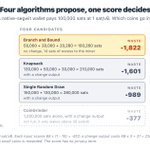
The part that surprises people: there are no balances. Your wallet spends whole earlier coins, like bills. Pay 0.3 BTC from a 1 BTC coin and the transaction makes two new coins, 0.3 for them and about 0.7 back to you as change. Whatever’s left over is the fee.
One row missing:
2008: no price. No coins, no blocks, no network. Just a nine-page PDF Satoshi emailed to a cryptography mailing list at 2:10pm Eastern, 18 years ago today.
The genesis block was still two months away.

The first reply on the mailing list came two days later, from James A. Donald: “We very, very much need such a system, but the way I understand your proposal, it does not seem to scale to the required size.”
Eighteen years in, people are still arguing about that one.
Who wrote them, which ones had a date on them, and how they scored: learnbitcoin.com/rabbit-hole…
The count stops in April 2024 because the list’s keeper, 99Bitcoins, stopped adding to it. The critics didn’t stop.
Bitcoin turns 18 today. Satoshi sent out the whitepaper on Halloween, 2008.
Fitting, because it’s been buried at least 477 times since. Every tombstone in this video is a real obituary, dropped in the year it ran.
Watch where they pile up. Hint: not at the bottoms.
The math is brutal. Bitcoin is down about 4.6% since this time yesterday, $81K to $77K. On a 25x long, a 4% drop wipes out the whole deposit, and the exchange liquidates you a little before that. Someone holding spot just has a red day.
Worth adding why the descriptor matters so much. Two seeds can sign, but every address in the wallet is built from all three public keys. Lose one seed without a descriptor backup and there’s no way to rebuild the addresses. Keep a copy with each key.
A Binance balance isn’t coins with your name on them. It’s a number in Binance’s database, backed by pooled wallets.
“Customer funds not affected” means Binance will fill the $6.3B hole with its own money so that number stays whole. Good news. Still a promise, though.

Multisig in 35 seconds.
Three keys from three different makers, any two sign. Lose one, spend with the other two. Steal one, steal nothing. A bug in one brand breaks nothing.
The part people skip: back up the wallet descriptor. Without it, two seeds can’t find the coins.