








Which congenital malformation is characterized by downward displacement of the cerebellar vermis, tonsils, and the medulla through the foramen magnum?


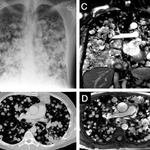
🩺 Most likely diagnosis: Renal cell carcinoma with pulmonary ("cannonball") metastases
Why?
The triad strongly points to metastatic renal cell carcinoma (RCC):
Hematuria → classic presenting symptom of RCC
Hemoptysis → due to lung metastases
Weight loss → constitutional symptom of malignancy
Chest X-ray/CT: Cannonball metastases → multiple, well-circumscribed round pulmonary nodules, classically seen with hematogenous spread from RCC
High-yield USMLE pearls
Classic triad: Hematuria + flank pain + palpable abdominal mass (seen in a minority of patients)
Most common paraneoplastic syndromes:↑ EPO → polycythemia
↑ PTHrP → hypercalcemia
↑ Renin → hypertension
↑ ACTH
Associated with:Smoking
Obesity
Hypertension
Von Hippel–Lindau syndrome (clear cell RCC)
🚨 Cannonball pulmonary metastases + hematuria = think renal cell carcinoma until proven otherwise.

🩺 Most likely diagnosis: Kawasaki disease (mucocutaneous lymph node syndrome)
The combination of:
High-grade fever (≥5 days)
Bilateral nonpurulent conjunctivitis
Lower extremity edema (erythema/edema of hands and feet)
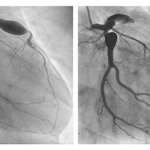
Coronary artery aneurysms on coronary angiography
is classic for Kawasaki disease.
Key features
Fever for ≥5 days (essential criterion)
Bilateral non-exudative conjunctivitis
Oral mucosal changes (strawberry tongue, cracked lips)
Polymorphous rash
Cervical lymphadenopathy
Extremity changes (hand/foot edema, erythema, later periungual desquamation)
Most feared complication
Coronary artery aneurysms due to medium-vessel vasculitis
Can lead to thrombosis, myocardial infarction, or sudden death
Treatment
IVIG (within the first 10 days of illness, ideally as soon as diagnosed)
High-dose aspirin during the acute phase, followed by low-dose aspirin until inflammation resolves and coronary arteries normalize (or longer if aneurysms persist)


