

Software developer, C++, JS, Python Likes Sci-Fi, Horror, EBM, Industrial GPG key: CE1CB9B988738F94
Joined April 2011
- Tweets23.7K
- Following659
- Followers461
- Likes23K




Martin Jakl retweeted
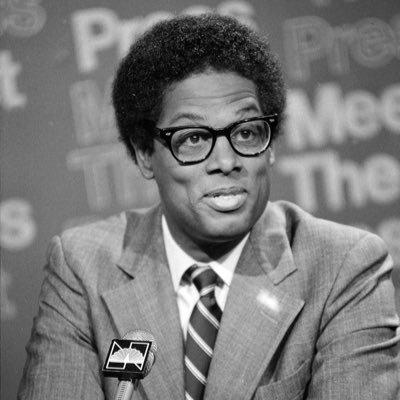
"Activism is a way for useless people to feel important, even if the consequences of their activism are counterproductive for those they clam to be helping and damaging to the fabric of society as a whole."
— Thomas Sowell


Martin Jakl retweeted

1⃣🇩🇪🧑⚖️👮⚔️🗽 Berlínská policie včera zadržela @docbrandenburg o odvezla jej do útěkové vazby. Tu na něj soud uvalil v souvislosti s kauzou urážení berlínských politiků. Sporných urážek bylo více, ale všechny jsou v podobném duchu jako tato, která je stále na @X přístupná:
This quoted post is unavailable.


Martin Jakl retweeted

i own a relatively new (2025) samsung tv.
i kept getting weirdly targeted ads.
i tried reversing the firmware but it was aes encrypted and no keys unless tear it apart and do uart/jtag magic.
zero days it is. root shell on new samsung TVs!
discovered PRIVACY HORROR. write up?

Martin Jakl retweeted

On my way to the office this morning, I passed a group of young people protesting, a Palestinian flag draped over their shoulders.
And I asked myself a question I can't shake: why does this generation always fall into the same trap? No matter the history. No matter the context. Even the ones from wealthy families, who went to the best schools, who were dealt every good card. Always the same trap.
I don't think it's stupidity. I think it's a mechanism. And a mechanism can be taken apart, piece by piece.
A. The observation: everything the state touches becomes unaffordable.
Look at economist Mark Perry's famous chart, the one people call "the chart of the century." It tracks US prices since 2000.
At the top, what explodes: hospital services, college tuition, textbooks, childcare, housing. Increases of +100%, +150%, up to +250%, far above general inflation.
At the bottom, what collapses: TVs, software, phones, toys, clothing. A TV today costs a fraction of what it did in 2000, for an infinitely better product.
Look at what separates the two groups. It isn't technology. It isn't complexity. It's one variable: how much the state is involved.
At the top, sectors that are subsidized, regulated, shielded from competition, where the state funds demand and blocks supply. At the bottom, sectors where companies fight every single morning to serve you better and cheaper.
B. The mechanism: why it's systematic.
When the state subsidizes demand without freeing supply, prices rise. Every time. Guaranteed student loans, and universities raise tuition. Housing aid plus blocked building permits, and rents skyrocket. Administered healthcare, and bureaucracy eats the budget before it ever reaches the patient.
In France it's even more vicious, because the price doesn't disappear: it hides. You never see the hospital bill, you pay it through payroll contributions. You never see the cost of school, you pay it through taxes. Public spending at 57% of GDP, one of the heaviest tax burdens in the world, more than €3.4 trillion in debt. And the result? Overflowing ERs, falling PISA scores, young people who can't afford to live in the city where they work.
The market didn't fail in these sectors. It was never allowed in.
C. Suffering demands a culprit.
A 22-year-old lives all of this in their bones. They can't find a place to live. Their degree either buries them in debt or opens no doors. The future feels blocked. That suffering is real, and I don't deny it for a second.
But human beings can't stand suffering without a culprit. They need a face. A scapegoat.
And this is where everything is decided: who taught them how to read the world?
D. Whoever tells the story picks the villain.
Schools are public. Universities are public. Culture runs on grants. Film goes through funding committees. Public broadcasting shapes the narratives. The people handing down the interpretive framework are, overwhelmingly, paid by the very system that creates the problem.
Do you really think that system is going to name itself as the culprit?
No. It names the capitalist. The boss. The landlord. "The rich." The multinational. The commercial West. Same role, same casting, every time.
E. One lens, a thousand causes.
And this brings me back to that flag. A generation taught to read every situation through a single lens, oppressor on one side, rich, Western, capitalist, oppressed on the other, will apply that lens everywhere. To housing. To climate. To conflicts on the other side of the world. The cause changes, the lens stays. That's why the trap is always the same: it's not the cause that draws them in, it's the way of thinking that was installed in them.
F. The perfect inversion.
Here's the irony. Capitalism is the force that drove down the price of almost everything it touched. The state is the force that blew up the price of almost everything it captured. And young people blame the first for the crimes of the second.
It's like blaming the firefighter for the fire because you saw him at the scene.
G. The ballot box confirms it.
In the US, a few weeks out from the midterms, a large share of urban young voters is getting ready to vote Democrat for more state, more spending, more regulation. New York elected a self-described socialist mayor, carried by young voters, on promises of rent freezes and city-run grocery stores. Rent freezes, the policy that has made housing scarcer everywhere it's been tried. The cure that worsens the disease.
In France, it's the same play in two acts. Part of the youth votes for the radical left, which promises more state. Another part votes for the center, which promises to "manage" the state well, and has dug the debt deeper than ever. Two different ballots, one shared assumption: the problem is the market, the solution is the state.
H. The way out.
These young people aren't stupid. They're right to be angry. They're just aiming at the wrong target.
The day they understand that their rent, their tuition and their hospital are expensive precisely because the state runs them, their anger will change direction. They'll stop protesting against those who create. They'll start protesting against those who capture.
That day, the greatest intellectual scam of our time will be over.

Martin Jakl retweeted

What is the cause of the riots, looting, and fires in Paris?
18%Russia
35%Climate change
33%Islamophobia
15%The far right
977 votes • Final results Martin Jakl retweeted

All this facial recognition software in France really kept people safe and stopped crime. 🤨


Martin Jakl retweeted

Pol Pot – What Happens When a True Believer Takes Power.
He learned it in Paris. And he thought it was for real – not just the moral posturing of irresponsible French intellectuals in their Parisian cafés.
That was the difference. And the difference was two million dead.
Most communist leaders were opportunists. They used the ideology to seize power, and once they had it, the ideology bent to serve the power. Stalin was a gangster with a philosophy. Mao was a warlord with a manifesto. They killed millions – but in the service of control, not conviction.
Pol Pot was a true believer. And that made him the most dangerous kind.
In the early 1950s, as a scholarship student in Paris, he encountered the French Communist Party, the Marxist study circles, the cafés of the Latin Quarter where the ideas circulated among students who would never face the consequences of taking them seriously. The French intellectuals produced these ideas from comfortable apartments – moral posturing, civilizational performance, the gesture of opposition without the risk of implementation. They never intended it to be taken literally.
Pol Pot took it literally.
He returned to Cambodia with the complete theory in his head and the absolute conviction that it was correct. And when he took power in April 1975, he did not wait. Within days – within days – he ordered the complete evacuation of Phnom Penh. Two million people expelled from the capital on foot, at gunpoint, regardless of age or condition. Hospitals emptied. Patients wheeled out on their beds into the street. Because the city was the problem – the center of capitalism, corruption, bourgeois contamination. An honest communist works in the fields. So everyone would work in the fields.
Then he abolished money. Completely. Overnight. The most total implementation of Marxist economics ever attempted – no currency, no markets, no private property, no trade. The economy would be organized by the Angkar – the Organization, which knew what people needed and would provide it. This is what the theory says. He did what it said.
Year Zero. The past abolished. The educated eliminated – they carried the old consciousness in their heads. The family destroyed – it created loyalties that competed with the collective. Glasses confiscated – wearing them suggested literacy, which suggested education, which suggested bourgeois contamination. The killing fields were not a deviation from the theory. They were its conclusion, applied by a man who had read the texts carefully and believed them completely.
Between 1975 and 1979, approximately two million Cambodians died – a quarter of the entire population. Executed, starved, worked to death.
The French intellectuals who produced the ideas that formed him were never held responsible. Sartre continued to write. The cafés continued to operate. In the universities of Paris and Berkeley and Columbia, professors explained that Cambodia was a deviation, an excess, a misapplication.
It was not a deviation. It was the experiment. The answer to the question: what happens when you take the theory seriously and have the power to implement it without constraint?
The intellectuals who taught him went home for dinner. He went home to Cambodia.
That is the difference between posturing and belief. And it is why ideas have consequences – especially the ones that are never meant to be taken seriously.


From Plato to Bernie and AOC – A Brief History of Communism
Twenty-four centuries, one idea. It always starts the same way and always ends the same way.
1. Plato, 380 BC. The world is badly made, the wise should redesign it, and the rulers may lie to the people for their own good – he called it the noble lie. Property abolished among the guardians, the family abolished with it. Everything since is a version of it, with progressively worse writing and progressively higher body counts.
2. The millenarian sects. Property abolished, the chosen in charge, purification required – a thousand years before capitalism existed. The idea needs no economy to appear.
3. Rousseau, 1762. Man is good, institutions corrupt him, so institutions must be remade. The General Will – the collective desire of the people, which the correct leader can identify and implement regardless of what individual people actually want. The philosophical foundation of every subsequent revolution that murdered people in the name of their own liberation. Whoever refuses to obey shall be forced to be free. Rousseau personally abandoned all five of his children to the orphanage. He wrote extensively about the correct upbringing of children. This is a pattern.
4. Kant and Hegel. Kant splits the world as we see it from the world as it is. Hegel adds that history is going somewhere. Together they supply the phrase that ends every argument: the wrong side of history.
5. 1789, French Revolution. The idea gets a country. Virtue is the goal, and virtue turns out to need enforcement. Four years from liberation to the guillotine and the Terror.
6. Marx, 1848. The same idea in a scientific costume – now you weren’t arguing for it, you were reading the future. Written by a man who had never worked in a factory, funded by a man who owned one.
7. Lenin, 1917. The vanguard party: a small group of professionals who know what the workers need better than the workers do. Delivered to Russia in a sealed train by a German general who wanted Russia out of the war. He got that, and more.
8. Stalin, Mao, Pol Pot. What it looks like when it wins. Terror as government, and a lie so complete that people lost the ability to tell what they thought from what they had to say. Tens of millions dead in China, a quarter of the population in Cambodia. Not a deviation. The same premise, applied with enthusiasm. Collectivization, the gulag, the Great Leap, the killing fields – roughly a hundred million dead in one century. Each time preceded by intellectuals explaining why this time would be different.
9. The Frankfurt School. The workers in the West refused to revolt, so the explanation changed: the problem is cultural, and Western civilization itself is the oppressor and has to be deconstructed. Everything to be criticized, nothing to be built.
10. Gramsci, Spinelli, Dutschke and 1968. Don’t storm the parliament – get a job in the editorial office. Power in the West rests on consent, and consent is made in schools and newspapers – so take those instead. The long march through the institutions. The generation that failed in the streets became the professors, editors and judges. It worked, which is why elections now change the government but not the direction.
1989 – the system collapses, the archives opened, and in the Western universities almost nobody changed their mind. A faith, not a theory.
11. Bernie and AOC. Same idea, new clothes, and nobody left who has read the source material. Free everything, paid for by the billionaires. Honeymooned in the Soviet Union in 1988 – three years before it collapsed – and came back impressed. Three houses. Net worth in the millions of dollars. Democratic socialists. The reasoning is Plato’s, the aesthetic is TikTok.
From Plato to Bernie and AOC: Even communism isn’t immune to decay…
What follows
12. The lie is not a side effect. It is the system.
13. Where truth is handed out instead of found, anyone who insists on finding it is in the way.
14. It survives because it protects positions, not beliefs. Ask who is best for the job and every protected position is at risk. Ask who belongs in the room and the same people stay in it for life.
15. The managerial class is the nomenklatura. Same selection, same script, same immunity to results. Only the letterhead changed.
16. Where everything needs permission, permission becomes the currency – and whoever knows the apparatus rules, whoever wins the election.
17. Silence is not ignorance. It is knowledge plus a calculation: speaking costs everything, silence is free.
18. Underneath, it runs on two fuels: envy and fear. Envy supplies the motive – someone else has what you don’t, and the system promises to take it. Fear supplies the compliance – everyone can see what happens to those who say the wrong thing. Neither has anything to do with justice, and neither ever built anything.
19. The idea never learns, because the error is not in the implementation. It is in the premise: that the "wise" can plan the lives of the many better than the many can plan their own.
20. The answer is not a better plan for society. It is refusing to let anyone hold the pen.
Reality is not negotiable. Say so out loud, build things that work, and hand them to your children.
Tell the truth. Have courage. And build.


Martin Jakl retweeted

Docela rád bych viděl ten spis, abych si udělal názor nezávisle na GIBS! S podobným případem mám takovou historku ⚖️:
Když jsem ještě dělal pro stát a musel chodit na školení pořádaná ministerstvem spravedlnosti a následně složit zkoušku, abych byl státní zástupce, tak nám dávali různé případy z praxe, abychom je rozebírali nebo psali vlastní koncepty rozhodnutí podle spisu. Jeden případ se týkal potyčky mezi policistou a pejskařem.
Situace byla následující:
1) Podplukovník šel úplně ožralý z večírku na policejním prezidiu. Byl tak ožralý, že když později na místo přijela policejní hlídka, tak jim nesmyslně vyhrožoval, že je svlékne z uniformy.
2) Podplukovaník se cestou potkal s pejskařem, začali se hádat a později prát. Každý říkal, že si začal ten druhý. Žádný další svědek u toho nebyl.
3) Nebyl jsem u toho a nemůžu činit definitivní soudy. Kdybych však byl nucen vybrat si útočníka mezi úplně ožralým podplukovníkem a bezvýznamným pejskařem, co šel o půlnoci venčit voříška, věděl bych, na koho ukázat jako na pravděpodobnějšího agresora.
Orgánové samozřejmě obvinili pejskaře a nestranný soud ho spravedlivě odsoudil. 😁
A tohle nám dávali na školení jako ukázkový případ, JAK SE TO MÁ DĚLAT SPRÁVNĚ! 😂🙈
Při zpětném pohledu se tahle příhoda dá brát jako varování, jak funguje systém. Také to nakonec po pár letech dopadlo tím, že jsem dal výpověď. Pá-pá!
Martin Jakl retweeted

Strašně závidím nadšeným příznivcům současné koalice, kteří jsou přesvědčeni, že tato kope za jejich zájmy a dělá to dobře. Stejně tak závidím nadšeným příznivcům současné opozice, kteří si myslí, že bude-li tato zvolena, bude kopat za jejich zájmy a dělat to dobře. Obecně, závidím někomu, kdo si myslí že má někoho, kdo ho reprezentuje. Já nikoho takového nemám.
Rozdíl mezi současnou koalicí a opozicí osobně vnímám jako převážně estetický. Víceméně je to věc osobní sympatie. Na Babišovi mi nejvíc nevadí jeho politické činy, ale jeho hlasový projev. Jestliže to hodím současné opozici, přijde mi trochu špatné to dělat protože alternativa neumí sestavit srozumitelnou větu, chtěl bych nějaké průkaznější důvody.
Poslední vládu, která dělala věci podle mého názoru aspoň trochu přijatelně, vedl @MirekTopolanek . Od té doby to dělají všichni zcela špatně. A to v dokonalé vyrovnanosti. Nedá se ani říct, že by to jedna dělala víc špatně a jedna míň špatně. Dělají to jenom jinak špatně.
Po mnoho let platí, že pokud udělá vláda něco dobře, pak nemám nejmenší důvod věřit, že to udělala schválně. Že je to projevem nějaké systematičnosti, názoru, ideologie nebo doktríny. Je to čistě náhodou nebo rovnou ze špatných důvodů, kdy jeden konkrétní krok je sice náhodou dobře, ale všechno kolem je špatně a tudíž to blbě skončí. Nebo spíš to neskončí nijak a bude se to plácat odnikud nikam, protože když náhodou a omylem něco udělají správně, udělají to málo.
Typickým příkladem pro současnou vládu je zrušení "koncesionářských poplatků". Tomu bych tleskal, kdybych měl nejmenší důvod optimisticky předpokládat, že cílem je omezit fungování státních médií a ideálně je postupně zrušit. Kdyby šlo o nějaký program, kdy se zrušením televizní daně z hlavy půjde v ruku v ruce nějaká seriózní debata, co mají státní média dělat a jak zařídit, aby toho bylo co nejméně a stálo to co nejméně peněz (ideálně výhledově nic a nic). Jenomže ve výsledku se to uplácá tak, že do černé díry státních médií poteče pořád zhruba podobné množství peněz, protože StarDance nelze zrušit i kdyby na chleba nebylo. Jediná trochu pozitivní věc snad bude, že padne mýtus nezávilosti státních médií na státu, protože už bude prostě neudržitelné tu iluzi nadále krmit. Což mi ovšem přijde trochu málo. To add insult to injury, "pravicová" ODS, která o zrušení televizní daně tiše uvažuje desetiletí, se postaví proti - protože musí být proti ze symbolických důvodů - namísto aby řekla ano, udělejte to, ale pořádně.
Typickým příkladem pro minulou vládu byl její postoj k válce na Ukrajině. Správný, ale... Nic nenaznačuje tomu, že by vyplynul ze skutečného přesvědčení o nebezpečnosti Ruska pro ČR a nutnosti jej zastavit. Podle všeho se jednalo o klasickou preventivní předposranost ve stylu "musíme to udělat, protože co by tomu řekli lidi". Takže se udělalo hodně věcí, hlavně hubou. Symbolicky. Ano, je hezké, že Fiala jel zčerstva na Ukrajinu. Ale ta praktická pomoc byla podle hesla "příliš málo, příliš pozdě". Hlavně aby to moc nestálo, hlavně aby to moc nebolelo a hlavně abychom tím nikoho moc nenaštvali, například lidi co nás stejně nevolí. No, a dopadlo to jak muselo: volby kvůli tomu stejně projeli. A nová vláda po volbách sice změnila rétoriku, ale praktické změny stejně skoro neudělala, protože je nepraktické rušit to naprosté minimum, co se skutečně stalo.
Moudré rady přirovnávají hlasování ve volbách k výběru autobusové linky. Žádná tě neodveze přesně tam kam chceš, tak nasedni do té, která tě poveze aspoň přibližně správným směrem. Problém nastává ve chvíli, kdy všechny linky jedoucí kolem jedou směrem zcela špatným. Občas, ojediněle, náhodou (a většinou kvůli nějaké uzavírce) se nějaká přiblíží směrem, který by mi vyhovoval, ale dopředu nelze říct, která to bude a kde.
Mou politickou filozofii asi nejlépe vystihuje výrok, který literární postavě Lazara Longa vložil do úst Robert Anson Heinlein:
"Politické škatulkování – třeba na royalisty, komunisty, demokraty, lidovce, fašisty, liberály, konzervativce a podobně – nikdy nevyjádří to nejpodstatnější kritérium.
Lidská rasa se z politického hlediska člení na ty, co chtějí mít ostatní pod kontrolou, a na ty, co takovou touhu nemají. Ti první jednají z těch nejvyšších pohnutek, aby dosáhli co největší dobro pro co nejpočetnější masy. Ti druzí jsou od pohledu podezřelí a s ostatními špatně vycházejí. Jsou ale mnohem lepšími sousedy než ti první."
Tragédie, se kterou Heinlein nepočítal, je, že dobří sousedé došli.


Martin Jakl retweeted

THE GREAT EUROPEAN CONFISCATION
Europe deindustrialized, ramped up social welfare expenditure, and welcomed low quality and low IQ mass immigration.
Now, EU countries are bankrupt and preparing for asset seizure.
Don’t believe me?
The European Commission is literally publishing research on how to collect more taxes without letting you leave!
That’s why they want to register all your assets in a central EU register to “help with financial transparency”.
Your bank accounts, shares, cars, precious metals, works of art, and Bitcoin... register it all to “fight money laundering”.
By 2027, the EU will force banks outside the EU to stop providing banking services to clients established or situated in the European Union, unless the bank operates a licensed branch in the relevant member state.
So eventually, they will know everything you own, and they will try to seize it.
Eventually may be soon.
First taxing the exit, then taxing you globally (like the US already does.)
It won’t matter where you live in the world… as a European citizen, the EU will tax you!
France already proposed global taxation for the National Budget of 2026.
It's the only way for them to drain all the high skilled Europeans who are physically leaving due to the EU's anti-business regulation.
Your passport is their last resort.
A mobility freeze, similar to what they did in 2020 with endless lockdowns and exit denials, is comparable to an asset seizure.
Both are state infringements on freedom.
So setup residency on a tax-friendly jurisdiction and get your family a second citizenship.
Cash is king, but passport is queen.


