

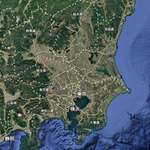




関東全体で東京が一つしかない → 多分中国の都市づくりと感覚が違うと思いますが……首都圏は、この衛星写真のように山ではない場所(関東平野)にびっしりと建物を敷きつめているので、個別に町を作るというのとは少し違います

4
本当にインターネットが壊れそうになってて笑えない

OpenAI has posted their own VP ≠ VNP proof in response to Anthropic's, and says their result 'was obtained on November 6, 2026.' Two weeks ago. The ETH papers were also released in an similar oneupmanship fashion. As with Anthropic's result, no name on the paper (my guess is this was GPT-Aeon). Also like Anthropic: no announcement, no blog post, no tweet.
This is a significant result, yet both OpenAI and Anthropic chose to simply dump it online with no comment. I was listening to a Scott Aaronson interview this morning where he said this specific result would update him toward 'a solution to P ≠ NP by the AIs might really be around the corner.'
To me this is more evidence for my argument that both OpenAI and Anthropic are sitting on a dragon's hoard of scientific results they are not releasing to the public. The first massive 700+ paper OpenAI GitHub dump took five weeks for their model to generate. It's been seven weeks since then, and their internal model has continued to improve. They said they had it working on 4,000 problems. How many have been solved in the last seven weeks? Based on the last release, 1,000+ is not unreasonable.
I will quote OpenAI Chief Scientist Jakub Pachocki from the blog post 'Perplexity and Intelligence,' posted 48 hours ago:
'We have recently witnessed unprecedented acceleration in another domain. For more than a year, we have been posing open problems in mathematics to our models as one of the ways of evaluating them. Once we upgraded to a model of log-perplexity ~0.76, it started producing groundbreaking results. For many of us that have previously worked in mathematics and adjacent fields, seeing the resolutions to questions we've long thought about coming out of the model one after another in a single Slack thread felt deeply surreal.'
There have also been, of late, multiple rumors about breakthroughs in cryptography that I have been reluctant to post about for obvious reasons. Specifically, there have been rumors of an encryption breakthrough at Anthropic. What I personally took from the big OpenAI math release was that all encryption will be cracked much sooner than people are expecting, and that the rate of scientific discoveries will continually increase as we continue to scale up. No, not will increase, *has increased*. At both labs. We just don't know about it yet. Because unless you work at those labs, the current frontier is completely invisible. But it won't stay that way forever. Or to put it another way: prepare yourself for revelations.

1
23
うーん……日本でベリーダンスのショーを何回か見たことあるんだけど、みんなあんな感じのへそ出しでキラキラした衣装で踊ってたんだよな……
アラブの伝統衣装っていうより、舞台用の「bedlah」みたいな感じ
556
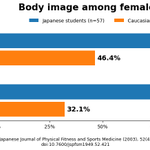
True, a larger butt doesn't necessarily mean being overweight. Japanese women tend to have smaller hips due to differences in fat distribution. Perhaps larger butts are more associated with weight gain in Japan, which may influence preferences.
34
1980年代,日本就面临美国的经济压力,包括汽车出口限制、《广场协议》和《日美半导体协议》。
1990年代泡沫经济破裂后,日本企业反而积极进入中国市场。
2007年,中国已成为日本最大的贸易伙伴。
118
We don't. Japanese surveys actually show that many men prefer larger butts. Japan just has a stronger preference for slim body types overall, especially among women themselves.

1
3
2,228

