

https://teapawt.org/t.co/5GjWHJqJDo
日本 神奈
Joined February 2018
- Tweets14.3K
- Following1.9K
- Followers1K
- Likes67K





Pinned Tweet
御年81歳。しかし、杞憂だった。3時間立ちっぱなし、ノンストップで己の言葉だけで熱弁を奮い続けた。それは堕落した横浜市政への怒りが噴き上がるマグマのように。そして、未来を見据え溢れ出る尽きないアイデアと脳内に構築された都市デザインに圧倒された。どうかこの人を横浜市長に。#山本理顕 – at Yokosuka-shi, Kanagawa


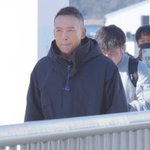
山本太郎さん、51歳のお誕生日おめでとうございます。昨年1月に開催された横須賀での「増税ダメ❤️絶対デモ」の、誰もいない歩道橋を歩いてスタート地点に向かうこの時の目が強く印象に残っています。今はどうかお身体を大切に。

Video grapher takahiko inoue retweeted
山本太郎さん、51歳のお誕生日おめでとうございます。昨年1月に開催された横須賀での「増税ダメ❤️絶対デモ」の、誰もいない歩道橋を歩いてスタート地点に向かうこの時の目が強く印象に残っています。今はどうかお身体を大切に。


Video grapher takahiko inoue retweeted

"Comfort women" is a euphemism used during World War II for tens of thousands and by many estimates up to 200,000 or more—of women and girls forced into sexual slavery by the Imperial Japanese military between 1932 and 1945. Held in military-run or military-regulated brothels known as "comfort stations" across Japanese-occupied territories, the victims came largely from Korea and China, as well as Taiwan, the Philippines, Indonesia, Malaysia, Burma, Japan, and other areas...
Military comfort stations began around 1932 and expanded sharply after atrocities such as the 1937 Rape of Nanking. Military leaders claimed the stations would boost troop morale, curb sexually transmitted diseases, and reduce random assaults and international criticism. While some women were trafficked through existing commercial networks early on, many were abducted or lured with false promises of jobs as factory workers, waitresses, or nurses. Women were confined to comfort stations, subjected to strict schedules and repeated sexual violence, monitored for disease, and rarely allowed to leave without permission.
. . .
During Japan’s war in China and across Asia, women and girls were placed in a system of military sexual slavery created for Japanese troops. Some were deceived. Others were abducted or taken through coercion and violence. Chinese women were among its victims.
Photographs from that world can be unsettling precisely because they often look so ordinary.
A soldier stands beside women. People look toward a camera. There may be no battlefield, no visible wound, nothing in the frame that immediately announces what existed beyond it.
But survivor testimony tells another story.
Chinese women later described being taken from their homes, confined in military “comfort stations,” beaten and repeatedly sexually assaulted. Some were still teenagers. One survivor, Li Xiumei, testified that she was 15 when Japanese soldiers seized her from her home. She said her mother later died by suicide while Li remained captive. Li survived with lasting injuries.
For many women, surviving the war did not end the suffering.
Some returned carrying physical injuries, infertility, trauma and the stigma attached not to the men who had abused them, but to the women who had been abused. Many victims died from disease, violence, suicide, or wartime combat. Survivors—including women enslaved as children or young teenagers, such as Narcisa Claveria in the Philippines and Peng Zhuying in China—endured lasting physical and psychological trauma.
For decades after the war, many survivors hid their pasts due to shame, fear, and social stigma in their home communities. Public testimonies beginning in the early 1990s brought global attention to the issue. While Japan issued official statements and agreements—such as the 1993 Kono Statement and a 2015 bilateral arrangement with South Korea—disputes over historical responsibility, apologies, reparations, and textbooks continue to affect regional diplomacy and advocacy.
That is what makes photographs associated with the “comfort women” system so difficult to look at.
We see a few seconds preserved by a camera.
What the photograph cannot show is what happened before the shutter opened, what happened after it closed, or how many years some of these women carried those moments in silence.
And sometimes the most haunting thing about a historical photograph is not what we can see.
It is everything the people inside it survived that the camera could not record.
#archaeohistories

Video grapher takahiko inoue retweeted

うわああ! デカいの来た!

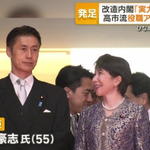
【関文科相に政治資金規正法違反の疑い】自宅家賃420万円を政治資金で支出していた
記事はこちら↓
bunshun.jp/articles/-/93953?…
#週刊文春

Video grapher takahiko inoue retweeted

これほど頷いた言葉はない。
#佐々木寛教授(政治学者・平和学者)
「〈無能〉な政治家は戦争で仕事をする。戦争で自分の権力を維持する。だから彼女(#高市早苗 )は戦争及び戦争を煽ることで権力を維持しているので〈無能〉だと思う」
#高市早苗は憲政史上最悪の総理大臣

Video grapher takahiko inoue retweeted

高市不正選挙で負けたけど、くしぶち万里前議員を応援し、支持します!その余波が旧れいわ新選組を混乱させています。くしぶち万里さんもアンチれいわの誹謗中傷攻撃に負けず、旧れいわの政策を引き継ぎ戦ってください!期待しています!
Video grapher takahiko inoue retweeted

これは当時野党であった維新が「核共有」の文言を参議院選の公約(22年)に盛り込んだことを念頭に批判して、国会議員会議の声明にまとめられたもの。
核共有・核シェアリング、つまり米国の核兵器の日本持ち込み配備は、明らかに「非核三原則」に反する政策。
いまの、安保3文書に「持ち込ませず」の例外を明記しようとする政府の動きに直結する。「緊急時」をどう判断するのか、そこに際限はなくなる。
しかし、見てほしい。すでにNATO加盟国の議員からは「『核兵器がシェア』されることはあり得ない。核保有国の兵器が押し付けられるだけで、押しつけられた側には何の権限も与えられない」と私のスピーチに対してすぐにコメントがあった。
つまり、敵国からの攻撃目標となるリスクだけが極めて高まるということ。
来週11/30から、核兵器禁止条約の第1回再検討会議がニューヨークで始まる。
このあいだ日本を訪れたICANのメンバーは、核攻撃を唯一経験した日本が「非核三原則」の堅持にどのような決断を下すのか、世界が注目している、と語っていた。
日本政府はオブザーバー参加して、こうした世界のリアルな声をまずは聴くべきではないか?
いまや、核兵器禁止条約に署名・批准している国々は100カ国を超えている。
日本は「拡大抑止」で米国追随するのではなく、ヒロシマ・ナガサキに同じ思いを持つ国々と手を結び、非核の国として、核廃絶を掲げる外交にしっかりと舵を切るとき。
そのターニングポイントにきている。
非核三原則に例外はいらない。
#非核三原則
#核兵器は持たずつくらず持ち込ませず
#核兵器禁止条約
reiwa-shinsengumi.com/commen…


Video grapher takahiko inoue retweeted

不勉強でした。今回のAPECで注目された、第59代のメキシコ大統領、クラウディア・シェインバウム(Claudia Sheinbaum Pardo 1962-)さん。さっそくWikipediaで概要を調べました(笑)。何よりも彼女は、エネルギー・環境学者でもあります。
政治へのデビューは、2018年7月1日に行われた市長選挙。女性およびユダヤ系として初めてのメキシコシティ市長となりました。その時の政策は、「犯罪との戦いや行き過ぎた開発を抑制するためのゾーニング法の施行」だったそうです。2022年には、歴代のメキシコシティ市長として初めて、市内で開催されたプライドパレードに参加。教育分野では、就学前の児童から中等学校生徒までの120万人を対象にした「ミ・ベカ・パラ・エンペサール」奨学金制度を創設しました。
2024年10月に大統領となり、薬物流入や不法移民を理由としたアメリカの関税引き上げに対し、トランプ大統領にキッパリ、「脅しも関税も、移民や薬物摂取の問題を解決することにはならない」と書簡を書いたと言います。APEC CEOサミットや首脳会議の場では「プラン・メキシコ」や「共有された繁栄」に言及し、単なる生産量だけでなく人々の豊かさや幸福につながる発展モデルの重要性を訴えました。
日本もこういうリーダーが生まれる社会にできればと思います。


Video grapher takahiko inoue retweeted

「奥田さんを本気で支えてほしい」
月ちゃんは、
自分でマイクを握り、
最後にこの一言を党に託した。
訴えのあと、司会のやはた副代表を
見つめる表情が忘れられない。
声を拾ったのはゲストの辻村ちひろさん。
「奥田さんも僕の大切な仲間」
深く敬意を表したい。
党本部へ。
私たちは一緒に戦いたい。
「仲間」と言うなら、
「奥田さんが話に応じない」ではなく、
なぜそうなったのかを考えてほしい。
#いのちの党
Video grapher takahiko inoue retweeted

これまでの日本の政治が
どんだけ間違ってたか
どんだけ可能性を奪ったか
これ以上なく明確に
突きつけてるグラフ
もう変えようよ

Video grapher takahiko inoue retweeted

うちら一人ひとりが奥田ふみよの広報になって支えるしかない。彼女の口が塞がれたら終了だよ。なし崩し的に改憲されて緊急事態条項が成立する。

Video grapher takahiko inoue retweeted

「自民党はね、れいわ新選組を怖かったと思うの。正しいから。」
2026.11.23 いのちひろば in郡山
▶ youtu.be/G9FzC5aBLF4?t=15m52…
(協力者投稿)


Video grapher takahiko inoue retweeted

he's not neutral, he's a zio


Video grapher takahiko inoue retweeted

【山本理顕】横浜花博の跡地はテーマパークから水田復活へ【横浜市長選2026】 #山本理顕 #やまもとりけん #横浜市長選 #横浜市長選2026 #横浜市長選挙 #横浜花博 #greenexpo2027
Video grapher takahiko inoue retweeted

駅前で保守党がビラ配りと旗揚げをしていたので叱りました。そそくさと退散。外出時はアクリルパネル常備(笑)浜松に保守党はいらん
#保守党プロテスト
#日本保守党はもういらん