

Your go-to for sustainable coffee solutions. Eco-friendly brewing tools to paper pods. We promote products & orgs brewing a healthier tomorrow, 1 cup at a time.
Joined February 2025
- Tweets258
- Following241
- Followers32
- Likes2






Pinned Tweet
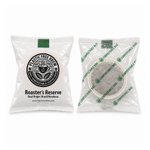
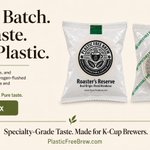
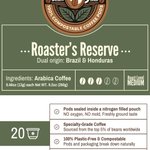
Plastic-free coffee pods for your Keurig®. Each one is individually nitrogen-sealed, so every cup tastes fresh ground. Unwrap freshness, one cup at a time.
Roaster's Reserve: Brazil meets Honduras. Chocolate depth, bright fruit.
plasticfreebrew.com
Decaf is not caffeine-free. The FDA puts a typical 8 oz cup of decaf at 2 to 15 mg, versus 113 to 247 mg in a 12 oz regular brewed coffee.
So an afternoon decaf is a small amount, not zero. Good to know if you track it.
Saturday ritual: make the first cup for someone else.
Ask how they take it, even if you already know. Then make yours.
PlasticFreeBrew retweeted

syzygy tip of the day: check the bag for a roast date, not just a best by date. Coffee tastes its best roughly one to four weeks after roasting, while the aromatics are still lively. A best by date can be a year out and tells you nothing about how fresh the beans really are.
PlasticFreeBrew retweeted

“Microwave safe” doesn’t mean plastic won’t release particles when heated.
A 2023 study found microwaving plastic baby food containers released millions of microplastics.
In my house, we transfer food to microwave-safe glass or ceramic before heating.

Myth: stainless steel makes coffee taste metallic.
A clean, food-grade stainless mug should not add flavor. When coffee tastes off in steel, the usual culprit is built-up coffee oils. A warm baking soda soak clears most of it.
Brewed coffee is roughly 98% water. If your tap water tastes off, your coffee will too.
Before you change beans or grind, try the same coffee with filtered or good-tasting spring water. It is the cheapest taste upgrade most people never make.
Not every plastic swap is worth the same effort. If you are picking one place to start, start where it is hot.
A cold water bottle and a cup of near-boiling coffee are different situations. Mug, travel lid, pod body: the hot contact points are worth looking at first.
Weekend rule: brew first, inbox second.
Finish the cup before you open email or social. Coffee tastes better when it is not competing with a screen.
Myth: espresso has more caffeine than drip because it tastes stronger and more concentrated.
A single shot is a small drink. A full mug of drip usually delivers more total caffeine. Intensity is not the same as dose.
Once coffee is ground, surface area jumps and oxygen works faster. Whole beans buy you time. Pre-ground races the clock on the counter.
That is why nitrogen-flushed, individually wrapped pods can taste brighter than an open bag of grounds that has been sitting open for days. Sealed until you brew.
"BPA-free" means one chemical is not in the plastic. It does not mean hot coffee is avoiding plastic contact.
If the contact surface is what you care about, look at what the drink actually sits against: ceramic, steel, glass, or a plastic body. The label and the brew path are different questions.
Small weekend upgrade: warm the mug first.
Fill it with hot water while the coffee brews, dump it, then pour. A cold ceramic mug pulls heat out of the first few sips fast. A warm one lets the cup taste the way it was meant to.
Myth: dark roast has more caffeine because it tastes stronger.
Roasting does not add caffeine. By weight, light and dark roasts land close together. By the scoop, light roast often edges ahead because the beans are denser. Bold flavor comes from the roast, not the buzz.
A best-by date on coffee tells you when it stops being sellable. The roast date tells you when it was at its best. Those can be a year apart.
Oxygen is what moves the clock. That is why we nitrogen-flush and individually wrap every pod, so each cup stays sealed until the moment you brew it.
Most insulated travel mugs are stainless inside. The lid is usually plastic, and the lid is the part your coffee passes through on every sip.
If you are already thinking about what touches hot coffee, the lid is an easy one to notice. Steel or glass sip paths exist, and so does the simple move of pouring into a ceramic mug once you get to your desk.
Weekend coffee works better when you decide the cup the night before. Mug on the counter. Beans or pods ready. One less decision at 8am.
The ritual is not a 20-step pour-over. It is making the first cup feel intentional.
"Recyclable" and "better contact surface" are different questions. A pod can be technically recyclable and still be a polypropylene body sitting against hot water under pressure.
If your goal is less plastic against the brew, start with materials at the contact point, not the recycling logo on the box.
Coffee starts losing the aromatics you paid for the moment grounds meet open air. That is why bag coffee can taste flat by week two even when the roast looked great on day one.
Individually wrapped, nitrogen-flushed pods keep each serving sealed until the moment you brew. Convenience without the stale-bag compromise.
The plastic that matters in coffee is the surface that stays against hot liquid while you drink. Packaging around the bag or the lid on a takeaway cup is a different question.
A ceramic or steel mug cuts that contact short. If you use single-serve, look at the pod body next. Polypropylene is still the default for most pods. Paper-based options exist when you want a different contact surface.