

Registered charity and non-profit organisation, focused on assertive outreach & harm reduction. RCN: 20206746 CHY: 23218
Dublin & Tipperary
Joined June 2020
- Tweets1.2K
- Following332
- Followers1.2K
- Likes1.1K

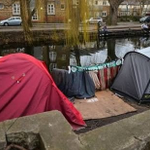




Three organisations. One shared commitment. 💜💙💜
We're delighted to announce that Streetlink Homeless Support, Caring Is Sharing and Meath Homeless Outreach are joining forces in a shared commitment to supporting our homeless communities across County Dublin and County Meath.
This coming together is an important step forward in strengthening our outreach, expanding our support networks, and ensuring that some of the most vulnerable people in our society receive the care, dignity and support they deserve.
We also extend a very warm welcome to Gina Ward of Caring is Sharing and Councillor Alan A Lawes of Meath Homeless Outreach , who are joining the Board of Streetlink Homeless Support.
Our first day of joint services
Yesterday marked our first day working together, and here is what we achieved:
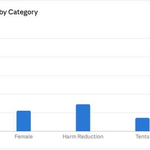
🔹 195 on-street engagements with rough sleepers and individuals living in food poverty (132 men and 63 women)
🔹 16 tents distributed
🔹 35 sleeping bags distributed
🔹 Over 70kg of food distributed to those living in food poverty
🔹 22 harm reduction requests supported
We bring together experience, commitment and a shared belief that nobody should be left behind or forgotten.
Together, we look forward to building stronger services, reaching more people, and making a real difference in the lives of those who need our support most.
Standing together for our homeless communities. 💙
#homeless #dublin #meath #ireland


Eighteen Thousand and Sixty-Five:
That number arrived late on a Friday evening, the hour when bad news is sent out to die quietly. It was 18,065, the highest figure ever recorded, and not a single person in the country should have been able to read it and go back to their dinner.
Of those people, 12,168 are adults and 5,897 are children, packed into 2,821 families. That is 180 more than the month before, and 659 more children than a year ago. Child homelessness is climbing at 12.5 per cent a year while the official language stays calm and well ironed.
The People Who Are Not in the Number
Remember this before you remember anything else: 18,065 is not the whole story. It is the floor.
These figures count only people in State-funded emergency accommodation. They do not count the rough sleepers bedded down in doorways and under bridges. They do not count the couch surfers, passed from sofa to sofa until the welcome runs out. They do not count the families crammed into overcrowded homes that were never built to hold them, the people in domestic violence refuges, or the people in private or non State funded hostels.
We meet many of these people every night, in the cold, in the dark, on the wrong side of the arithmetic. They are invisible to the spreadsheet but not to us. Whatever figure the Government reads out next month, the true number is higher, and every person missing from the count is still a person.
The Plan on Paper
This week the Government unveiled "Aire", a 43-action that promises to progress every action within twelve months. It says that "a hotel room or a family hub is not a home." We agree. But a child cannot sleep in a policy, and a mother cannot cook dinner in a press launch. Twelve months is a very long time to spend in a single room with your whole family. Those children will be a year older, a year further behind and a year more certain that nobody is coming.
More than four in ten adults in emergency accommodation are now women. This is a collapse that has been dressed up as a trend.
We are tired of statistics that read like weather reports. This is not weather. Every one of those numbers is a decision somebody made, or a decision somebody refused to make.
Pádraig Drummond, volunteer CEO of Streetlink Homeless Support, said:
"Every month the figure goes up, the statement goes out, the sympathy gets handed round, and by Monday it's business as usual. Meanwhile we're out in the dark with flasks and sleeping bags, handing a child's winter coat to someone whose home is a single room. And the people we meet on the street, on the sofas, in the doorways, aren't even in the number. Eighteen thousand people is not a crisis you manage. It's a failure you answer for. Stop publishing plans and start handing out keys."
#homeless #homelessness #dublinireland #Ireland @CatuIreland


51
FINGLAS ASSAULT UPDATE
A further update on the horrific assault of a homeless man in Finglas.
The victim is extremely fortunate to be alive. He remains in hospital suffering from serious injuries, including bruising to the brain, a perforated lung, a fractured rib cage and internal bleeding. As of 10pm last night, doctors were still unable to establish the source of the internal bleeding.
This man was subjected to a brutal assault by several individuals and was subsequently left lying there for approximately 14 hours without medical attention.
Let that sink in. Fourteen hours.
During that time, there were no visits from State homeless services, no meaningful intervention from outreach personnel and, to our knowledge, no attendance from anyone representing the services that are supposed to protect and support some of the most vulnerable people in our communities.
We have serious questions that demand answers. Has a formal investigation been initiated? Are the circumstances surrounding this attack being properly examined? Who is taking responsibility for ensuring that people living in homeless encampments are not simply left to fend for themselves?
This incident also exposes a fundamental failure in how homeless outreach is delivered in Ireland.
Homeless outreach cannot simply mean turning up occasionally, making a few rounds, ticking a box and moving on. Paying the occasional visit to an encampment is not an adequate outreach service. Effective outreach requires consistent engagement, meaningful relationships, proper welfare checks, risk assessment and the ability to identify when someone is in immediate danger.
People sleeping rough are not invisible. They are not disposable. Their lives are not worth any less because they do not have a front door, an address or somewhere safe to sleep.
In modern Ireland, we should not have to ask whether a person must nearly lose their life before anybody notices they are in danger.
A life without a home is still a life. And it deserves protection, dignity and justice.
Pádraig Drummond, CEO of Streetlink Homeless Support, said:
"This is precisely why we have been calling for a fundamental rethink of how homeless outreach services operate. Outreach cannot be reduced to occasional visits and box-ticking exercises. You cannot adequately safeguard somebody by simply passing through an encampment every few days and hoping everything is alright.
Real outreach means consistent, face-to-face engagement, knowing the people you are working with, understanding their circumstances and recognising when something is wrong. It means having the resources, personnel and accountability to intervene before a situation becomes a tragedy.
Someone was brutally assaulted and left without medical assistance for approximately 14 hours. We need answers, we need accountability, and we need a serious examination of the failures that allowed this to happen."
Homelessness must never become a death sentence, and being without a home must never mean being without protection.
Streetlink Homeless Support will continue to raise these concerns. We are calling for answers, accountability and an outreach system that puts human lives before administrative targets.
#StreetlinkHomelessSupport #Homelessness #Finglas #HomelessOutreach #Accountability #HousingCrisis #dublín #Ireland


FINGLAS M50/N2 HOMELESS ENCAMPMENT
A man beaten with planks and metal bars. Nine people still without homes. Four years of engagement. How much longer must people wait?
Streetlink Homeless Support is raising the alarm following a serious incident of violence at the homeless encampment near the M50/N2 interchange in Finglas, Dublin, where one of our clients was brutally assaulted last night.
When our team arrived at the camp this morning, we found the man suffering significant injuries. According to the information available to us, he had been attacked by several individuals and beaten with wooden planks and metal bars. He had sustained injuries to his head, chest and legs and was experiencing difficulty breathing, with suspected broken ribs affecting his chest and back.
Dublin City Fire and Ambulance attended the scene, provided emergency first aid and transported him to Connolly Hospital in Blanchardstown for medical treatment.
Dr Richard Healy, Chairperson of Streetlink Homeless Support, said:
“After four years of engagement, nine people remain living in appalling conditions beneath a motorway, and now one of our clients has been seriously assaulted. Dublin spends hundreds of millions of euro on homelessness services, yet we must ask what that expenditure is actually delivering for people on the ground. Engagement without housing is not a solution, and public money must deliver real outcomes. These people deserve safety, healthcare and a place to call home, not another year of waiting.”
This is a deeply disturbing incident. But it must not be treated as an isolated emergency, disconnected from the conditions in which people are being forced to live.
This is not simply a story about one man being assaulted. It is a damning reminder of what happens when people are left to survive in unsafe conditions, without the security of a home and without adequate access to essential supports.
Four years of engagement. Nine people still without homes.
Streetlink Homeless Support has been engaging with people living at this encampment for more than four years. Throughout that period, the location and the circumstances of those living there have been brought to the attention of the Dublin Region Homeless Executive (DRHE) and homelessness services.
Yet, as of this morning, nine individuals remain unhoused at the site, according to Streetlink's current information.
They are living in conditions that can only be described as an environmental and public health hazard, a makeshift encampment surrounded by accumulated rubbish, vermin and unsanitary conditions, exposed to the elements and lacking the basic security and facilities that most people take for granted.
This is not a newly discovered problem. The encampment beneath the M50/N2 interchange has already been documented in national media. In June 2025, The Irish Times reported on residents living amid rats, rubbish, needles and human excrement, with some having remained there for years. The report also documented the involvement of outreach services and the DRHE's awareness of the location.
Public awareness is not the issue. Awareness among the relevant services is not the issue.
The question is why, after years of engagement, people are still living in these conditions.
How many assessments, referrals, outreach visits and meetings does it take before meaningful action is taken?
Engagement cannot become a substitute for progress. Recording that people are sleeping rough is not the same as securing them a home. Offering contact with a service is not the same as ensuring access to healthcare, appropriate accommodation and sustained support.
If nine people remain trapped in these circumstances after years of engagement, the authorities must explain what has been done, what barriers remain and what concrete action will now be taken.
Public expenditure demands public accountability
Ireland spends hundreds of millions of euro every year responding to homelessness in Dublin. Official figures supplied to the Dáil show that Exchequer funding for Dublin's homeless accommodation and related services reached approximately €318.9 million in 2025, compared with €217.5 million in 2020.
Focus Ireland's analysis of 2024 expenditure further found that 88.4% of Dublin's Section 10 homelessness service spending went towards emergency accommodation.
These figures raise serious questions about the balance between managing homelessness and ending it.
Streetlink recognises that homelessness services operate under significant pressure and that frontline outreach workers are not responsible for every failure within the housing system. Many workers and volunteers make extraordinary efforts to support people in difficult circumstances.
However, public funding must be judged not only by the amount allocated or spent, but also by the outcomes it achieves for the people it is intended to serve.
When nine people remain unhoused at a known encampment, when the location has been the subject of years of engagement, and when a resident is now being taken to hospital following a serious assault, the public is entitled to demand answers.
Where has the intervention failed?
What accommodation options have been offered to these nine individuals? What barriers have prevented them from accessing appropriate housing? What health and social supports have been made available? What measurable outcomes have the responsible agencies achieved at this location?
We are not alleging that funding has been misappropriated. We are demanding transparency about what public expenditure is delivering and why people remain exposed to such dangerous living conditions despite the resources committed to homelessness services.
Homelessness is not a safe alternative to housing
No individual should have to live beneath a motorway interchange, surrounded by vermin and waste, with no secure front door to close against violence and no safe place to recover when injured.
People experiencing homelessness are entitled to dignity, safety and access to healthcare. They should not have to wait for a serious assault, a medical emergency or a preventable death before their circumstances receive the urgency they deserve.
The incident at Finglas must prompt more than another round of expressions of concern. It must trigger a coordinated and immediate response from the DRHE, the relevant local authorities, health services and the organisations responsible for supporting those living at the site.
Streetlink is calling for:
An immediate review of the nine residents' circumstances, including individual assessments of their accommodation, health and support needs.
A clear accommodation plan with deadlines, setting out how the responsible authorities intend to move each person out of unsafe living conditions and into suitable, secure accommodation.
Urgent access to healthcare and ongoing support, including appropriate assessment of physical injuries, mental-health needs and any other medical or social-care requirements identified by the individuals themselves.
A formal review of four years of engagement at the site, identifying the interventions undertaken, the outcomes achieved, the obstacles encountered and the reasons nine people remain unhoused.
Transparency regarding public expenditure and service delivery, including the resources allocated to outreach, accommodation and support, and the measurable outcomes achieved for people sleeping rough in this area.
A coordinated safety and environmental response, addressing the accumulation of rubbish, vermin and other hazards without simply displacing residents to another unsafe location.
We cannot continue to accept this as normal
Streetlink Homeless Support will continue to work with people experiencing homelessness, providing practical assistance, advocacy and support wherever possible. We will continue to raise concerns when people are left in conditions that threaten their health, dignity and safety.
But voluntary outreach cannot replace a functioning housing and healthcare response. Charities cannot independently resolve a crisis that requires sustained action from statutory agencies, adequate housing provision and accountable public expenditure.
The man taken to hospital this morning is a person, not a statistic. The other eight individuals living alongside him are not statistics either. They are people whose circumstances demand a meaningful response, not another year of waiting.
The Finglas encampment has been visible, documented and known to services for years. Yet people remain exposed to conditions that no one should be expected to endure.
Four years of engagement must lead to more than four years of survival. Public money must deliver more than reports, referrals and repeated promises. And people experiencing homelessness must not be left waiting for a crisis to prove that their lives matter.
Streetlink Homeless Support is calling on the DRHE and the relevant authorities to act now, account for the lack of progress and provide a clear, time-bound plan to ensure that the people living at this encampment can access safe accommodation and the support they need.
A tent beneath a motorway is not a home. Survival is not a housing policy. And leaving people in danger is not an acceptable outcome.
@JamesBrowneTD


A man’s body was found at a Clondalkin recycling facility on Saturday, the same plant where Andrew Haire was found in July. Gardaí are still investigating and he hasn’t been identified.
We already know the pattern.
We have repeatedly condemned the Dublin Regional Homeless Executive for failing to extend homeless services, including emergency 24-hour outreach during adverse weather warnings. Over the past three days, those warnings have been in place, yet people have still been left without access to the support and shelter they desperately need after 2am.
How many more people must die before this is treated as the emergency it is? A refuse bin should never become someone’s last refuge from the streets.
We need answers, accountability and immediate action. The Dublin Regional Homeless Executive must explain why round-the-clock emergency outreach is not available when people are most vulnerable. Homelessness is not a death sentence, and these deaths must not become an accepted consequence of a system that leaves people with nowhere to turn.
No one should have to climb into a wheelie bin to survive the night. No one should be left to die because the services they need have closed their doors.
Our sincere condolences go out to the deceased and to their family and friends. May they find strength and comfort in the difficult days ahead. May those who have died be remembered with dignity, and may we never lose sight of the humanity of those still forced to endure life on our streets.
#homeless #dublin #irealnd
shorturl.at/7EduO

Numbers don't tell the whole story, but they tell part of it.
We're now past the halfway point of 2026, and we wanted to take a moment to share what our outreach team has been doing, night after night, across Dublin's streets.
So far this year, our team has made 2,711 welfare check engagements, 2,158 with men and 553 with women. That's 2,711 separate moments where someone stopped, asked how a person was doing, and made sure they weren't facing the night alone.
Alongside that, we've carried out 727 harm reduction exchanges, naloxone and Ventizolve provision, safer-use supplies, and honest conversations aimed at keeping people alive and connected to care, regardless of where they're at in their journey.
We've also distributed 360 tents and 415 sleeping bags, practical, immediate protection for people who have nowhere else to shelter tonight.
Add it up, and that's over 4,200 individual points of contact in 2026 alone.
But we want to be really clear about something: these aren't just numbers on a spreadsheet. Every single one of those 4,213 entries is a real person. Someone with a name our outreach workers know. A face they recognise and look out for. A life that matters just as much as anyone else's, regardless of circumstance, regardless of what led them to the street.
Behind every welfare check is a conversation. Behind every harm reduction exchange is a chance at another day. Behind every tent and sleeping bag is one less night spent exposed to the elements.
This is what consistent, compassionate outreach looks like in practice, not a single dramatic rescue, but thousands of small, steady acts of care, repeated night after night, week after week, for an entire year.
None of this happens without the people who make it possible: our outreach workers, our volunteers, our partner organisations, and everyone who donates, shares, or simply takes the time to see the person in front of them rather than looking away.
We've got the rest of the year ahead of us, and our team will be back out there tonight, because the work doesn't pause, and neither do we.
Solidarity, saves lives. 💜💙💜
#StreetlinkDublin #homeless #dublin #ireland #addiction #harmreduction


65
A welfare check isn't a form to fill in. It's a conversation, a cup of tea, a familiar face checking in.
Here's what one night on outreach looked like:
📍 Areas covered: Dublin 1, 3, 5, 7, 9, 13 and 17
🤝 84 engagements — 68 men, 16 women
⛺ 7 tents and 11 sleeping bags distributed
What's in the outreach bag: harm reduction supplies, including life-saving Naloxone and Ventizolve for those at risk of opioid overdose.
What our vehicle carries: tents, sleeping bags, clean clothing, and emergency first-aid supplies.
Behind every one of those 84 engagements is a name, a story, and a team member who took the time to stop and ask: are you okay tonight?
Solidarity Saves Lives. 💜💙💜


Every night, our outreach team walks the streets of Dublin, not to move people on, but to make sure no one is forgotten.
We check in. We listen. We bring tea, warm clothes, and harm reduction supplies to those who need them most. For some, we're the only familiar face they'll see that night.
This month, we're opening up about what we do and why it matters, from welfare checks and harm reduction, to key working and advocacy. Because ending homelessness starts with showing up, night after night.
Follow along this month to see the full picture of our work. 🧡
#StreetlinkDublin #Homelessness #OutreachWorks #SeenAndSupporte #dublin #ireland

1
43
🚨 Carry Hope. Carry Ventizolve. 🚨
An opioid overdose doesn't have to mean death.
Ventizolve is a life-saving naloxone nasal spray that can temporarily reverse the effects of a known or suspected opioid overdose, giving someone the precious time they need until emergency medical help arrives.
💙 Recovery starts with survival.
💙 Every overdose reversed is another chance at recovery.
💙 You can't recover if you don't survive.
Know the signs. Carry the spray. Save a life.
Don't panic. Spray. Stay. Call 112/999.
#NaloxoneSavesLives #Ventizolve #HarmReduction #Streetlink #SolidarityNotCharity #dublin #ireland
1
76
DEAD RECKONING
How the State Learned to Count Everything Except the Bodies
Streetlink Homeless Support briefing on the Department of Housing's June 2026 figures.
There is a number on page two of the Department's June report, sitting there in a nice clean sans-serif font like it's a football score: 17,482. That's how many human beings, 11,862 adults, 5,620 children, the State admits, are sleeping in emergency accommodation this month, paid for with your tax money and handed out by the private sector like party favours. It's presented the way the Central Statistics Office presents rainfall data. Calm. Bureaucratic. Filed and forgotten by Friday evening.
We are not calm about it. We don't think you should be either.
The Numbers They're Proud Of
Start with the shape of it. Of the 11,862 adults in the system, 7,288, 61.4% are single adults with nobody. Nearly a third of the total, 5,620, are children who never got a say in any of this. Family homelessness alone accounts for 10,194 people, parents and kids stacked into hotel rooms and "family hubs," a euphemism doing a lot of heavy lifting.
Dublin carries 8,216 of the adult total on its own, 69.3% of the entire national figure sitting in one region, because that's where the jobs are and that's where the rents have gone feral.
And here's the tell: 8,503 adults, 71.7% of every single adult in the system, are in Private Emergency Accommodation. Hotels. B&Bs. Commercial premises repurposed at commercial rates, paid for by the State, run for profit, with "visiting supports" instead of anyone actually living on site. This isn't a housing system with a private annex. It is the private sector, wearing a state lanyard.
What the Spreadsheet Won't Say
Here's the paragraph the Department will never publish, so we will.
This count does not include you if you're sleeping on your sister's sofa. It does not include you if you're in your car, in a tent behind the Aldi, in a squat, in a relationship you're too afraid to leave because the alternative is nothing. The PASS system counts people who have already made it through the door of a State-funded bed. The hidden homeless, couch-surfers, rough sleepers outside the funded network, people bouncing between friends, don't get a line item. They get nothing. Even the Department's own separate rough sleeper count for Dublin, 136 people found sleeping rough in one week in April, sits in a different report entirely, disconnected from the headline 17,482, as if the people in doorways belong to a different country's statistics.
Two national totals. Two separate press releases. One homelessness crisis, quietly split down the middle so neither number looks as bad as the truth.
The Deaths That Don't Get a Column
A Department report has rows for citizenship, gender, age band, region, accommodation type. It does not have a row for "died this month." It should.
In late July, a 35-year-old man, well known to homeless and addiction services in both Cork and Dublin, was found dead at a recycling facility in Clondalkin, having apparently sought shelter in a large commercial wheelie bin before it was collected and processed. Gardaí launched a criminal investigation. It has happened before. People sleeping in bins, in skips, in the gaps of infrastructure the rest of us never have to think about, because there was nowhere else left that was warm and out of the rain.
There is no line in this report for that. There's no line for any death in emergency accommodation, on the street, or in the "hidden" homeless population this document doesn't measure. A State that can count citizenship to the decimal point, 49.7% Irish, 19.0% EEA/UK, 31.3% Non-EEA, tallied region by region, has decided that whether people survive the system isn't data worth collecting nationally. You can find out how many 65-year-olds are in a hotel in Roscommon. You cannot find out, from this document, how many people died homeless in Ireland this month. That absence is a choice.
Exits? Sure. Into Whose Pocket?
The Department wants credit for 720 adults who "exited" emergency accommodation in Q1 2026 and 825 who were "prevented" from entering it. Look at how those exits actually happened.
Of the adults prevented from entering emergency accommodation, 47.5% went through the private rented sector, HAP, RAS, the State handing your rent to a landlord instead of building you a home. Local authority lettings, actual public housing, accounted for barely a fifth of preventions. Direct council housing as a share of exits fell year on year, from 38.8% to 34.0%, while AHB and "Long-Term Supported Accommodation", increasingly the vehicle through which approved housing bodies (many financed by the same investment capital circling this market for yield) manage tenancies, grew to 46.3%.
Read it plainly: the State's flagship "solutions" to homelessness increasingly run through the private market it refuses to regulate, rather than around it. Every HAP cheque is a subsidy to a landlord who set the price. Every AHB unit financed on institutional capital is a housing solution with a shareholder attached. This isn't accidental. It's policy, dressed up as pragmatism, and it has handed pricing power over human shelter to the same funds and landlords who caused the shortage they're now profiting from solving.
A Word From Streetlink
"You cannot means-test your way out of a housing crisis you built by refusing to build houses," said Dr Richard Healy, Volunteer Chairperson of Streetlink Homeless Support.
"Every month we get a report with pie charts and percentages, and every month it's the same story wearing a different tie, record numbers, and a State that responds by writing bigger cheques to landlords and vulture funds instead of laying a single brick of public housing. Behind the 17,482 there are children doing their homework on a hotel bed, and men dying in bins because there was nowhere else to go that night. That is not a housing market functioning imperfectly. That is a housing market functioning exactly as designed, for the people who own it, not the people who need it. We didn't get here by accident, and we won't get out of it by subsidy. We need public homes, built and owned by the State, at a scale this country has been too cowardly to attempt since the 1950s. Anything less is just managing the emergency room while the fire keeps burning."
What We're Actually Asking For
Not another task force. Not another "record investment" press release that turns out to be a rebranded HAP allocation. We want:
✅A public housebuilding programme at the scale of the crisis, not the scale of the political comfort zone.
✅An end to the State's reliance on Private ✅Emergency Accommodation as a permanent fixture rather than a genuine emergency measure.
✅Real rent controls with teeth, not the current system landlords route around within a fiscal quarter.
✅National, mandatory recording of homeless deaths, in emergency accommodation and on the street, published alongside the monthly PASS figures, not buried, not siloed, not left to journalists to piece together from Garda statements.
✅Recognition, in the headline national figures, of the hidden homeless, the couch-surfers and rough sleepers this report currently disappears.
Seventeen thousand, four hundred and eighty-two people are the ones the State is willing to count this month. We don't know how many more there are. Neither, it seems, does the Department of Housing, and after this many years, we no longer believe that not knowing is an accident.
assets.gov.ie/static/documen…
#homelesscrisis #ireland #homeless #homelessdeaths.
@JamesBrowneTD @fiannafailparty @FineGael

2
443
❤️ Back at SuperValu Finglas Today! ❤️
A huge thank you to everyone who stopped by yesterday. The response from the people of Finglas was incredible. Your generosity, kindness, and community spirit were on full display. It was a fantastic example of working-class solidarity, people looking after people.
Today we're back at SuperValu Finglas with Caring Is Sharing from 11:00am to 5:00pm for our bucket collection and food drive.
Remember, 100% of all donations go directly towards:
🔹StreetLink Homeless Support's proactive outreach services across County Dublin.
🔹Caring Is Sharing's Wednesday Night Soup Kitchen at the GPO.
If you didn't get a chance to call by yesterday, we'd love to see you today. Come along, say hello, have a chat, and help us continue supporting those most in need within our communities.
Together, we prove that when communities stand together, no one stands alone.
📍 SuperValu Finglas
🕚 Today | 11:00am – 5:00pm
Solidarity, Not Charity. ❤️✊
🔹 PayPal: paypal.me/streetlink
🔹 iDonate: iDonate.me/streetlink
Bank Transfer.
Bank: Bank of Ireland
Account Name: Streetlink Homeless Support
🔹IBAN: IE58 BOFI 9006 9055 5043 96
🔹BIC: BOFIIE2D
#homeless #foodpoverty #Finglas #dublin #ireand

1
124
Service Update
Streetlink Homeless Support would like to advise our service users and supporters that there will be no proactive outreach operating from Monday 13/07/2026 until Thursday 16/07/2026.
We sincerely apologise to all of our service users for any inconvenience this may cause and appreciate your understanding during this short interruption to our outreach service.
Our volunteers will be fully operational again from Friday 17/07/2026, and we look forward to continuing to provide support across County Dublin.
If you see someone sleeping rough during this period, please continue to notify us through our social media channels. While proactive outreach will be paused, we will respond where possible.
Thank you for your continued support and understanding.
#homeless #dublin #ireland

47
🧡 Fundraising for a cause this year? Choose Streetlink Homeless Support!
Is your workplace, club, or family organising a fundraiser, marathon, bake sale, or charity walk? We'd be so grateful if you'd consider Streetlink Homeless Support as your chosen charity.
We're a volunteer-run, peer-led registered charity providing proactive homeless outreach across Co. Dublin , and we receive no state funding. Every service we run depends entirely on public donations and community support.
Whether it's a 5K, a coffee morning, a dress-down day at work, or a sponsored challenge, your fundraiser could directly help us stay out on the streets, supporting people who need it most.
📩 Get in touch to find out more or let us know you're fundraising for us, we'd love to support you too! Email: [email protected]
#homless #dublín #ireland #HomelessOutreach #FundraiseForGood #CoDublin @followers See less
“We welcome the Committee’s recommendations and urge the Government not to allow this report to become another document that is praised, parked and forgotten.” - Dr Richard Healy.
Streetlink Homeless Support Statement on the Joint Committee on Drugs Use Recommendations:
Streetlink welcomes the publication of the Joint Committee on Drugs Use Final Report and supports its recommendations for a comprehensive, health-led and evidence-based approach to drug use and addiction in Ireland.
International evidence increasingly shows that treating problematic drug use primarily as a public health issue rather than a criminal justice issue can reduce harm, save lives and strengthen communities when accompanied by investment in treatment, housing and community support. The Joint Committee itself recognises this reality and proposes an approach that addresses trauma, homelessness, exclusion and health inequality together rather than in isolation.
Countries that have adopted similar approaches demonstrate measurable benefits. In Portugal, following decriminalisation and investment in treatment and harm reduction, overdose deaths and HIV transmission linked to injecting drug use fell significantly while problematic drug use did not increase in the way many feared. Switzerland’s expansion of supervised consumption and treatment pathways has been associated with reduced public consumption, improved health outcomes and greater social stability. These examples show that compassionate policy and public safety are not competing goals, they reinforce one another.
Ireland has often acknowledged international evidence only after years of delay. Time and again, major social and public health reforms have arrived after prolonged periods of consultation, pilot projects and repeated recommendations from experts, communities and people with lived experience. Drug policy now risks following that same pattern. The Citizens’ Assembly made recommendations. A Joint Committee was established to examine them. That Committee has now strengthened and expanded those recommendations. The question is no longer whether evidence exists, it is whether the Government is prepared to act on it.
A health-led approach is not about being permissive towards drug use. It is about recognising that criminalisation alone has not resolved addiction, street homelessness, overdose risk or intergenerational trauma. It is about shifting resources toward treatment, prevention, housing, harm reduction and recovery while continuing to tackle organised criminality and exploitation.
Streetlink Homeless Support Chairperson, Dr Richard Healy:
"From our work on the streets, we know that addiction rarely exists in isolation, it intersects with homelessness, trauma, poverty and unmet health needs. Countries that invested in health-led responses have shown that better outcomes are possible. Ireland has an opportunity to stop reacting years behind emerging evidence and start leading with courage. We welcome the Committee’s recommendations and urge the Government not to allow this report to become another document that is praised, parked and forgotten."
On Decriminalisation for Personal Possession and Harm Reduction
Streetlink Homeless Support supports the Joint Committee’s recommendation to move toward decriminalisation of possession for personal use as part of a broader health-led response.
Decriminalisation does not mean legalisation and it does not remove consequences or accountability. Rather, it shifts the response to personal possession away from criminal penalties and toward healthcare, treatment, outreach and support. Supply, trafficking and organised criminality remain criminal matters.
For people experiencing homelessness and exclusion, criminalisation can create additional barriers to recovery. Criminal records, fear of engagement with services, repeated fines, enforcement actions and disengagement from healthcare can deepen instability rather than reduce harmful use. A harm reduction approach recognises that people are more likely to engage with treatment and improve outcomes when they are met with accessible services, dignity and practical support.
International evidence suggests that decriminalisation, when implemented alongside investment in treatment, housing, prevention and community services, can reduce overdose deaths, improve service engagement and reduce the long-term social harms associated with problematic drug use. The Joint Committee itself concluded, having considered international evidence, that decriminalisation for personal possession is not likely to result in increased overall consumption and recommended that Ireland implement a health-led response while continuing to address public safety concerns through appropriate local measures.
Importantly, decriminalisation should not be viewed as a standalone reform. Its success depends on the Government delivering the treatment capacity, mental health supports, housing pathways, harm reduction services and community investment that make recovery possible. Without that infrastructure, legal reform alone cannot achieve the outcomes people deserve.

1
69
Streetlink Proactive Outreach, Dublin Inner City
Last night, Streetlink’s voluntary, peer-led outreach team was on the streets across Dublin’s north and south inner city, providing compassionate, non-judgemental support to people sleeping rough. Our teams visited homeless camps and street-based sleeping sites across Dublin 1, 2, 3, 4, 7 and 8, focusing on welfare checks, harm reduction, and building trust with those who are too often forgotten.
Over the course of the night, Streetlink outreach volunteers engaged with a total of 134 individuals. This included 76 men and 35 women (trans inclusive).
Our teams worked across both sides of the Liffey:
58 engagements took place on the south side of the city
76 engagements took place on the north side
Each of these contacts represents a real person, someone facing the trauma of homelessness, often layered with addiction, mental health challenges, stigma, and social exclusion. Our priority throughout was to offer safety, dignity, and practical support.
To help people manage the immediate realities of sleeping rough, our team distributed, 20 sleeping bags & 13 tents.
These items are not a solution to homelessness, but they are often the thin line between life and death in harsh weather and dangerous environments. Our volunteers also carried out welfare checks, ensuring that people had basic supplies, knew where they could access further supports, and felt seen and heard.
Harm Reduction and Overdose Prevention
Harm reduction is at the core of Streetlink’s work. Last night, our team responded to 14 harm reduction requests, providing support and information to people at high risk.
We distributed Naloxone and Ventizolve to those at risk of opioid overdose, ensuring that life-saving medication is in the hands of people most likely to witness or experience an overdose. Alongside this, volunteers provided training on:
✅How to identify the signs of an opioid overdose
✅The correct medical response to an overdose
✅The safe and effective use of opioid suppressors (Naloxone/Ventizolve)
This work directly prevents deaths and empowers people in homeless communities to look out for one another.
Every act of solidarity, whether big or small, translates directly into safety, comfort, and survival for people on the streets.
Who We Are & How You Can Support
Streetlink is a voluntary, peer-led registered charity. We receive no state funding. Our proactive outreach and harm reduction services exist solely because members of the public choose to stand in solidarity with people experiencing homelessness and addiction.
We rely entirely on public donations to keep our work on the streets and to keep people alive.
You can support our mission by donating at:
Solidarity, Not Charity.
✅ PayPal: paypal.me/streetlink
✅ iDonate: iDonate.me/streetlink
Bank Transfer
Bank: Bank of Ireland
Account Name: Streetlink Homeless Support
✅IBAN: IE58 BOFI 9006 9055 5043 96
BIC: BOFIIE2D
#homeless #ireland #dublin #harmreduction #addictionrecovery @followers @topfans
(Below are just some of the harrowing situations our outreach team dealt with last night.)

ALT 1. The area covered by Streetlink’s proactive outreach team, and just one of the many sad situations we had to deal with throughout the night. 2. It was past 2 a.m. when we came across this man, recently released from hospital into homelessness, asleep in a flower bed, too late to call State services for emergency accommodation. Still, the question must be asked: where were State services, or worse, was this situation, like many others, simply ignored?


Streetlink Homeless Support welcomes extension of licence for Ireland’s pilot Supervised Injecting Facility.
Streetlink Homeless Support warmly welcomes the decision by Minister for Public Health, Wellbeing and the National Drugs Strategy, Jennifer Murnane O’Connor TD, to grant a twelve‑month extension to the licence for Ireland’s pilot Supervised Injecting Facility (SIF) at the Riverbank Centre, Merchants Quay Ireland, in Dublin city centre.
The facility, which opened in December 2024 and is now licensed to operate until 21 June 2027, provides a safe, clean and medically supervised setting where people can inject drugs under the care of trained professionals. Since opening, it has seen:
✅22,000 attendances (approximately 350 per week)
✅1,800 individual clients (approximately 150 per week)
✅380 non‑fatal overdose interventions
These outcomes clearly demonstrate the demand for, and effectiveness of, the service in reducing the harms associated with injecting drug use, including overdose risk, transmission of blood‑borne viruses, and public drug use.
Strong support for supervised injecting facilities across Ireland
Streetlink Homeless Support strongly supports the continued operation of the pilot SIF in Dublin and the development of similar harm‑reduction services in other parts of the country, particularly in cities where the need is greatest.
Our experience on the ground is that supervised injecting facilities:
✅Reduce the visibility of open drug use
✅Lower the volume of drug‑related litter in public spaces
✅Improve safety and dignity for people who use drugs
✅Enhance the safety and amenity of local communities, residents, workers and businesses
We believe all major Irish cities experiencing high levels of drug use should have access to equivalent services as part of a comprehensive public health response.
Impact observed by Streetlink in Dublin 1 and surrounding areas,
Since the opening of the SIF at Riverbank House, Streetlink’s proactive outreach teams have observed a massive reduction in on‑street consumption and public discarding of used drug‑related paraphernalia in the immediate environs.
In particular:
Ormond Lane, once one of Streetlink’s busiest locations for proactive outreach in the Dublin 1 area, has seen a very significant decline in visible public injecting and related harm.
Over the past two year, Ormond Lane has largely shifted from being a nightly point of intensive engagement to a location where our teams now conduct observational “drive‑bys”, with little to no direct engagement required.
Similar improvements have been noted in parts of Smithfield and the broader Dublin 1 area, where the concentration of public consumption and associated litter has reduced in line with the availability of a safe, supervised space nearby.
These changes have brought tangible benefits both to people who use drugs, who now have safer options, and to local residents, businesses and visitors, who experience less visible drug use and discarded equipment in their streets and lanes.
Importance of the policy review and future planning
Streetlink acknowledges that the twelve‑month extension will allow the Department of Health to complete a policy review of the establishment, licencing and operation of supervised injecting facilities, including consideration of the final independent evaluation due in late 2026 and the making of detailed regulations under the Misuse of Drugs (Supervised Injecting Facilities) Act 2017.
We believe this review is an important opportunity to:
✅Embed supervised injecting facilities as a stable component of Ireland’s health‑led response to drug use
✅Plan for the expansion of such services to other high‑need urban areas
✅Ensure that community engagement, evaluation, and clinical governance remain at the heart of service design and delivery
Streetlink stands ready to contribute our frontline experience and data on public injecting and drug‑related litter trends to support evidence‑based policymaking.
Dr Richard Healy, Chairperson of Streetlink Homeless Support, said:
“Streetlink Homeless Support warmly welcomes the Minister’s decision to extend the licence for Ireland’s pilot supervised injecting facility. On the streets, we can see the difference it is making: since the service opened, our outreach teams have observed a dramatic fall in public consumption and discarded equipment in areas like Ormond Lane, Smithfield and across much of Dublin 1. Supervised injecting facilities are first and foremost about saving lives and reducing harm for some of the most marginalised people in our society, but they also deliver real benefits for local communities, residents and businesses. On that basis, Streetlink strongly supports the continuation of the Dublin facility and the development of similar services in other Irish cities where there is clear need and demand.”
@MerchantsQuayIR Drugs.ie
#dublin #ireland #addictionrecovery #harmreduction #harmreductionishealthcare


The purpose of the licence is to provide a dedicated facility to reduce the harms associated with injecting drug use. gov.ie/en/department-of-heal…

2
222
DROP THE RENT HIKES!
MONDAY, 6 JULY | 5:45PM
CITY HALL, DUBLIN 2
The rent machine is back in motion.
Across Ireland, councils are raising rents, or quietly preparing the ground for them. Private landlords continue to squeeze tenants for every last cent while ordinary people are expected to shoulder the burden of a housing system in permanent crisis.
Enough.
This protest is not just aimed at Dublin City Council. It is a warning to every local authority considering rent hikes and every landlord treating homes like cash machines.
Tenants are not an ATM.
The average taxpayer is not an ATM.
Working people are not an ATM.
Rents are already too high across the board.
Workers are paying more. Families are paying more. Pensioners are paying more. Young people are locked out of housing altogether. Homelessness continues to rise while those responsible for housing policy offer little beyond excuses and another demand for payment.
Meanwhile, public housing tenants are being told to dig deeper into their pockets despite years of underinvestment, delayed regeneration projects, deteriorating conditions, and broken promises.
The message from those in power seems simple: pay more and expect less.
We reject it.
Because this is not just a housing issue.
Rent is a working-class issue.
Housing is a working-class issue.
Homelessness is a working-class issue.
The people who build this city, clean it, drive it, maintain it, care for it and keep it running should not be punished for simply needing somewhere to live.
Councils and landlords alike must understand that there is a limit to what people can bear. Every rent increase pushes households closer to hardship, debt, insecurity and, for some, homelessness.
The housing crisis was not created by tenants, yet tenants are constantly expected to pay the bill.
This protest is about drawing a line in the sand.
It is about defending working-class communities from policies that make life harder while delivering less.
It is about demanding homes before profits, people before balance sheets, and dignity before rent hikes.
Bring your neighbours.
Bring your workmates.
Bring your family.
Bring your anger.
Because if councils and landlords believe they can keep reaching into the pockets of ordinary people without resistance, they have badly misread the mood of this city.
Pádraig Drummond, Trustee of Streetlink, said:
"The housing crisis has become a giant transfer of wealth from working people to those who already have the most. Whether it's a council rent hike or another increase from a private landlord, the result is the same: less security for ordinary households and more pressure on communities already stretched to breaking point. Tenants and taxpayers are not an ATM. Housing exists to provide homes, not endless opportunities to extract more money from the people who can least afford it."
DROP THE RENT HIKES.
DEFEND WORKING-CLASS COMMUNITIES.
MONDAY 6 JULY | 5:45PM | CITY HALL, DUBLIN 2
@CatuFingal @CATUdbn @CatuIreland
#Housingcrisis #homeless #dublin #ireland

Streetlink Homeless Supports – Assertive Outreach Weekly Report
Over the course of last week, Streetlink Homeless Supports operated assertive outreach across three routes, engaging directly with people sleeping rough and people who use drugs. Across these routes, our volunteers recorded a total of 240 on-street engagements, comprising 187 men and 53 women (trans inclusive).
Basic Needs & Survival Equipment Distributed
Our team focused on meeting immediate survival needs for those who remain without access to safe or secure accommodation. Over the week, Streetlink volunteers distributed:
67 tents
55 sleeping bags
These items are often the only protection people have from the elements, and they remain a critical part of our work in reducing harm and preventing further deterioration in health and wellbeing for people on the streets.
Harm Reduction & Overdose Prevention.
Harm reduction is at the core of Streetlink’s approach to outreach with people who use drugs. During last week’s shifts:
The team responded to 29 harm reduction requests, providing information, resources and practical support to reduce the risks associated with drug use.
Volunteers provided Naloxone (intramuscular) and Nyxoid 1.8 mg and Ventizolve (naloxone nasal sprays), commonly known as Narcan, to 8 individuals identified as being at high risk of overdose.
In addition to distributing medication, our volunteers delivered overdose awareness and response training to those in need. This included:
How to recognise the signs of an opioid overdose, the immediate first aid actions required to respond to an overdose and the correct procedures for administering both intramuscular naloxone and nasal naloxone (Nyxoid and Ventizolve) as opioid overdose reversal medications
By equipping people who use drugs, peers, and community members with these skills, Streetlink helps to create a community-based safety net around those most at risk, increasing the chances that an overdose will be identified early and responded to effectively.
Who We Are
Streetlink Homeless Supports is a volunteer-based, peer-led, registered charity. We receive no state funding. Our outreach, harm reduction, and overdose prevention work is entirely powered by the commitment of volunteers and the solidarity of the public.
We cannot continue to provide these services without your support. Streetlink relies 100% on public donations to run our outreach routes, to purchase tents and sleeping bags, and to maintain a supply of lifesaving overdose reversal medications.
If you are in a position to do so, please consider supporting our work by donating at the links below.
Solidarity, Not Charity!
🔹 PayPal: paypal.me/streetlink
🔹 iDonate: iDonate.me/streetlink
Bank Transfer.
Bank: Bank of Ireland
Account Name: Streetlink Homeless Support
IBAN: IE58 BOFI 9006 9055 5043 96
BIC: BOFIIE2D
@drugsdotie

71
🔥DROP THE RENT HIKE🔥
📍 Dublin City Hall
🕠 Today 5:30pm
🏠 Homes for people, not profit
✊ Time to fight back.
#dublin #ireland #homeless #HousingCrisis