

Number 1 careers podcast. Learn critical communication skills from Stanford lecturer Matt Abrahams and global experts
Stanford, CA
Joined January 2023
- Tweets476
- Following7
- Followers1.1K
- Likes566






Great communication isn't a talent you're born with. It's a skill you can build. Matt Abrahams shares his 3 keys to communicating with clarity and confidence on Finding Mastery. Which do you need most? findingmastery.com/podcasts/…
Most meetings fizzle out instead of finishing. Matt Abrahams has a better close: wrap with gratitude, restate the goal, and spell out the next steps so everyone leaves with clarity. Then keep it alive with shared notes and a quick follow-up. fastersmarter.io
Meetings aren't the only way to communicate. Ask: what's the best way to convey this? Sometimes it's a team discussion. But updates? Plenty of ways to share those without pulling everyone together. Protect your calendar and meet only when it adds value. fastersmarter.io
Want more useful input? Stop asking for feedback and start asking for advice. Adam Grant says feedback is backward-looking (what you did wrong yesterday), while advice is forward-looking (what to change tomorrow). One small swap changes what you get back. fastersmarter.io
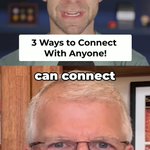
Want to connect with someone? First figure out how. Adam Grant names three wavelengths: allies who share a mission, pals who share interests, and companions who share genuine care. The move is matching your approach to the connection you're after. fastersmarter.io
Nervous before a big moment? Don't reach for your phone, take a walk. Oliver Aust says movement beats checking emails, which only gets your blood racing. It's the first step in his BMW framework: body, mind, words. Full episode: fastersmarter.io
The most memorable communication isn't the most polished. It's the most human. Astro Teller says when you're honest, specific, and real, even stories about getting things wrong become exciting and meaningful, because people see themselves in them. fastersmarter.io
We spend most of our lives learning, so why do we make failure so shameful? Astro Teller says being wrong is the exact moment learning happens, and avoiding it means avoiding growth. Destigmatize failure and tighten your learning loops. fastersmarter.io
A text says the words. A voice note carries the warmth. Rachel Greenwald tells @FasterSmarter her most connected friend communicates almost entirely through voice notes. It's the happy medium: personal and emotional, but on your own time. fastersmarter.io
What makes a message feel genuinely human, and how do you use that to persuade? Find out tomorrow. Matt Abrahams is hosting The Human Edge live with @MasterClass Certificates, free, on October 14 at 8:30 a.m. PT.
Last chance to register: fastersmarter.io/masterclass.

The best people don't just make a good impression. They bring out a better version of you. Matchmaker Rachel Greenwald's single question for any connection: what side of you did they bring out? Playful and confident? Good sign. Notice who does it for you. fastersmarter.io
Here is your chance to ask Matt Abrahams your toughest communication question.Join Matt and @MasterClass for a free live Ask Matt Anything, built around his Strategic Communication certificate program. October 14 at 8:30 a.m. PT.
Reserve your spot at fastersmarter.io/masterclass.
Our instinct in conflict is to respond fast and tense. Matt Abrahams says the response should come last. He shares his CLEAR framework: check yourself, listen, explore, acknowledge, respond. Acknowledging isn't agreeing, it's "I heard you." fastersmarter.io
The updated Think Faster, Talk Smarter is here, packed with new material. Matt Abrahams walks through what's new, including fresh chapters on handling conflict in the moment and staying human in the age of AI. Same practical tools, even more of them. fastersmarter.io
Free live event on October 14. Join Matt Abrahams and MasterClass Certificates for The Human Edge: How to Persuade in the Age of Digital Communication. 8:30 to 9:30 a.m. PT. Learn what makes communication human, and how to use it.
Register free: fastersmarter.io/masterclass

The tricky dance of building a brand: listen to the market without chasing every opinion. @DanielLubetzky says ignore the market and you can fail, but change for everyone and you lose yourself. The fix is guardrails: know what you stand for, stay true. fastersmarter.io
Total certitude doesn't build trust. Curiosity does. @daniellubetzky, who has seen hundreds of Shark Tank pitches, tells Matt Abrahams the founders he leans in to trust are the ones who admit when they don't have the answer. Say "I don't know" and mean it. fastersmarter.io
In a world where AI can polish anything, how do you prove your words came from you? With Lorraine K. Lee, Matt Abrahams shares his TRUST framework: lived experience, real-time thinking, personal evidence, your own style and perspective. Sound human. fastersmarter.io
How do you share strong feelings without seeming overly emotional? Matt Abrahams' two steps: first, name it ("this is me being upset") to create space from the emotion. Then channel it into a story or data so people actually hear you. Full episode: fastersmarter.io
A mistake almost everyone makes: winging the ending. Matt Abrahams says the moment you signal "in conclusion," people check out, so your close has to count. Structure it around your goal: what you want people to know, feel, and do. End on purpose. fastersmarter.io