







Diana retweeted

美しすぎるサービングスプーン!
こちらは明治時代(1868〜1912年)に輸出工芸品として制作された純銀製のサービングスプーンです。自然な枝ぶりを模した持ち手など、当時の日本の超絶技巧が惜しみなく注ぎ込まれています。
Credit :The Old Corkscrew


Diana retweeted

Irving Ramsey Wiles (1861-1948 American figurative and portrait painter)
"The green cushion"


Diana retweeted

In 1893, Baron Nikolaus Dumba commissioned Gustav Klimt to make two paintings for the music room of his palace. This study 'Schubert at the Piano,' is a key work in Klimt’s career; it represents a link between his realist phase and an Impressionist style of painting.

Diana retweeted

男前な女性ですね。彼女はオペラ「フィガロの結婚」の美少年ケルビーノ役を演じている人です。このケルビーノは手あたり次第に女性に惚れまくる困ったキャラ。伝統的に女性が演じる習慣がありました。画像はジャック=エミール・ブランシュの「モーツアルトのケルビーノ」(1905)でした。


"There are, no doubt, many ways of being honest or virtuous, and the monograph on virtue is exclusively based on this social axiom.
A man first sins against his conscience; then he conspicuously sins against that delicate bloom of honor, the loss of which does not mean general disrepute; finally he fails distinctly in honesty; but though he falls into the hands of the police, he still is not yet amenable to the assizes; and even after the disgrace of being condemned by a jury, he may be respected on the hulk if he maintains the sort of honor that exists among villains, and which consists in telling no tales, in always playing fair, in sharing every risk".
Honore de Balzac
(The middle classes)
1854


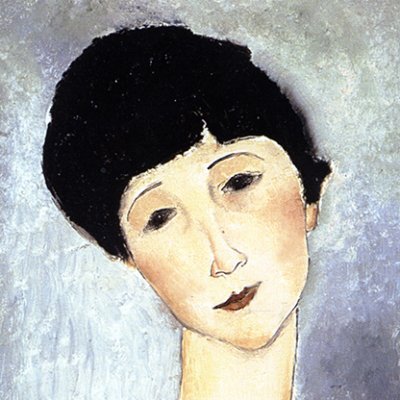

"In order to discuss any matter, two men must understand each other to begin with. What pleasure is there in saying sharp things to anyone who does not feel them? The doctor and the priest had too much good taste, and had seen too much good company, not to observe its rules; they could therefore carry on the little warfare that is so necessary to conversation. Each hated the other's opinions, but they esteemed each other's character. If such contrasts and such sympathies are not the essential elements of intimacy, must we not despair of society, especially in France, since antagonism is indispensable to it? Contrariety of characters, not antagonism of opinions, is what gives rise to antipaties".
Honore de Balzac (Ursule Mirouet) 1841