

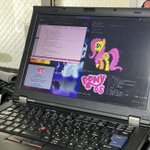


All joking aside, a lot went into porting Ponysay to Kuroko for this and I’ll do a write up on it soon.


6
All of this comes alongside the biggest upstream changeset in the history of the project. Spoiling the magic a bit, this isn't just the Misaka build from ToaruOS 2 - a lot has happened since then.
1

After much fighting with caches, other cores are now running. Still no way to interact yet, but there’s an extra long weekend ahead for me!

1
2


I had been meaning to upload a video of Doom with working sound under HVF (the AC'97 audio chipset is a little out of place, but technically possible?) but got distracted hunting down some lock bugs. youtube.com/watch?v=NcMya7Cb…
1
2
VM has the wrong time because I forgot to uncomment the RTC code for QEMU after working on the RPi (which has no RTC), so it's hardcoded to have a boot time of last Tuesday.
1
1
I have put together a preview build of ToaruOS for ARMv8. It's still experimental, and only for QEMU's "-m virt", but it's got Doom. github.com/klange/toaruos/re…

Vintage Doom overflow bug yields a segfault due to different object layout in my aarch64 build! `finetangent` is at the end of the binary and the address space immediately after it is unmapped.

5

11 Years of ToaruOS: screenshots dating back to the start of development in January 2011
This is expanded from an old Imgur album. I found several early screenshots from an old laptop backup, and added many new shots of 2.0.
gist.github.com/klange/f427a…

With 2.0 out, I am going to step away from OS-dev for a while. With the new kernel, I feel like I've met my goals for the project, righting the 'wrongs' of 1.x and building a much more suitable educational reference.
Going forward, I want to focus on Kuroko.
I have been doing #AdventOfCode in the language, making various improvements and fixes as needed, and it's really brought back a lot of the enjoyment that has been fading with OS-dev.
1
1