

Invasive Ecology (InEco) Laboratory - research into the ecology of invasive species and aquatic and terrestrial invertebrates and plants
- Tweets348
- Following482
- Followers791
- Likes3.8K




ALT Nitellopsis obtusa confirmed from over 100ha in Lough Sheelin

ALT Hydro acoustic signature of starry stonewort infestation Nitellopsis obtusa in Lough Sheelin

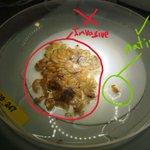
ALT Shrimp sampling in Lough Sheelin confirms that most of the amphipods are made up of native species such as Gammarus duebeni and Gammarus lacustris.

ALT littoral habitats along the Shannon catchment in Ireland being invaded by the demon shrimp Dikerogammarus haemobaphes. It is rapidly displacing our native aquatic shrimps like this one Gammarus duebeni

ALT Dikerogammarus haemobaphes aquatic invasive species spreading in Ireland

ALT Dikerogammarus haemobaphes in lakes in Shannon catchment

ALT sampling littoral habitats in Ireland tracking the impact of Quagga mussels and Demon shrimp

ALT Dreisennid mussels in lakes in Ireland

ALT Dikerogammarus haemobaphes in the Shannon catchment in Ireland

ALT Dikerogammarus haemobaphes in stoney substrate

ALT Mulkear river co Limerick surveyed for demon shrimp

ALT lower Shannon catchment in Limerick

ALT Fish caught by rod to assess the diet of perch

ALT gut contents of perch in the canal. shrimps almost exclusively made up of the demon shrimp Dikerogammarus haemobaphes.

ALT perch mostly small but some nice size fish in the canal

ALT Fish survey in the canal assessing if perch are feeding on the new invasive shrimp Dikerogammarus haemobaphes

ALT Sample of starry stonewort Nitellopsis obtusa in Lough Sheelin

ALT This large macroalgae Nitellopsis obtusa can be distinguished from our native species by the star shaped white bulbils

ALT acoustic image of starry stonewort infestation ~1.2m tall outcompeting native plants (invasive in Ireland Nitellopsis obtusa)

ALT Starry stonewort the invasive macroalgae entangled on a pike lure. Fragments can spread to new water bodies. It's a species that transforms native plants communities and changes nutrient cycling in lakes.

ALT Dikerogammarus haemobaphes in Lough Ree. In the process of invading and expanding it's range and a indance in the Shannon catchment

ALT The demon shrimp collected among the rocky substrates in Lough Ree in the Shannon river catchment in Ireland


ALT Dikerogammarus haemobaphes recorded on the canal in Co. Kildare

ALT Demon shrimp Dikerogammarus haemobaphes recorded in canal in Co Kildare


ALT Smiling woman in a black suit beside pull-up poster with animal illustrations


ALT Zebra mussels in Lough Sheelin


ALT Skunk cabbage Lysichiton americanus in riparian habitat on River Liffey in 2021

ALT Native plants growing back in 2025 after five years of control of skunk cabbage.

ALT Riparian habitat along River Liffey in 2025 after control of skunk cabbage

ALT Skunk cabbage along River Liffey in 2021 before mechanical controls applied


