
Vice-President in Charge of Research and Development at Wait Capital.
Austin, TX
Joined May 2018
- Tweets43K
- Following346
- Followers7.5K
- Likes6.3K
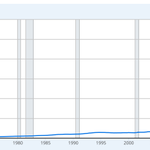
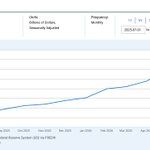




My guess is Warsh's Fed 1 small rate increase is it. Warsh will attempt to prolong the bubble using this "quiet not QE-QE" until the market is catastrophically high and after the bust in 2027 we will be back at 1%. Because we all agree that 0% was maybe a bit too low for all those years under the clown Yellen.

Wait Capital retweeted

Ben Horowitz on what he expects in AI over the next 8 to 12 months.
He thinks the infrastructure for AI is wrong, and it reminds him of the early days of cloud computing. Back then, everyone thought they could put their existing software on the other side of the wire. It didn't work, and everything got rebuilt: storage, networking, operating systems, virtualization, containers.
This is why he expects the same with AI:
1. The workload. A database query is predictable. An AI query could run for a week, and the systems to manage those requests don't exist yet.
2. The chips. Nvidia's GPUs were built for video games. Ben calls them power-hungry and low-yield for what they do today.
3. The models. Training them means sucking down all the data on the internet, and he doubts that is where we end up.
His conclusion: from the model on down, everything is going to change, and there will be a lot of opportunity in that.
Full breakdown here: theaiopportunities.com/p/ben…
If you build or invest in AI, I go deeper on this in AI Market Fit: theaiopportunities.com/
Nasdaq futures down about 14% from early October highs. Historically the "inflation fighters" at the Fed have intervened around -15% for major indices so as to prevent a more damaging crash.
$SMH only down 25% in the last month, beginning in early October, when it was not a bubble.
The economy is being propped up by the AI build out and over-investment (debt) in AI. But the Dems somehow are going to slow that down, so the market rockets higher.
Something seems a little off with this new thesis.
Wait Capital retweeted

Tired of the election map? The yellow states are the states where you can legally own an otter.

Wait Capital retweeted

Americans are eating out far less than they used to.
Share who eat a meal at a restaurant at least once a week, per Gallup:
2019: 53%
2021: 43%
2022: 47%
2026: 39%
That’s lower than in 2021, during the pandemic.
The bullish thesis is almost entirely about "stocks up in november after midterms" which is not very compelling to me.
