





starting to see Bittensor as more than a blockchain project. Its bigger experiment is coordinating specialised digital resources through open participation, measurable performance and incentives. combination is worth understanding.
@HackQuestIN @imanishbarnwal @AbhirupTweetOn
7
The subnet model opens an interesting design space: different networks can define different tasks, evaluation methods and standards of useful output. It’s a reminder that decentralised AI does not have to be one-size-fits-all. @HackQuestIN @imanishbarnwal @AbhirupTweetOn
5
Testnets are valuable because they let builders understand network workflows before handling real economic stakes. Running through miner registration and setup has made the Bittensor architecture feel much more practical. @HackQuestIN @imanishbarnwal @AbhirupTweetOn
6
A useful lesson from exploring Bittensor: token incentives need good evaluation mechanisms. Rewards can attract contributors, but reliable scoring and meaningful competition are what help keep a network useful over time. @HackQuestIN @imanishbarnwal @AbhirupTweetOn
7
Validators are not just network participants; they help assess the quality of miners’ contributions. This feedback loop is a key part of how a subnet can encourage useful work instead of rewarding activity alone. @HackQuestIN @imanishbarnwal @AbhirupTweetOn
10
I’m learning to look beyond the word “decentralised.” The real questions are: What work is being done? How is quality measured? Who verifies the output? Bittensor’s miner–validator model makes these questions central. @HackQuestIN @imanishbarnwal @AbhirupTweetOn
9
Subnets make Bittensor especially interesting. Each subnet can focus on a specific digital task, creating room for different teams to build, compete and improve specialised services. A modular approach to an open AI economy. @HackQuestIN @imanishbarnwal @AbhirupTweetOn
One idea I’m taking from Bittensor: incentives can shape how an open network behaves. Miners contribute work, validators evaluate it, and rewards help coordinate participation. The mechanism is as important as the technology. @HackQuestIN @imanishbarnwal @AbhirupTweetOn
5
Bittensor is changing how I think about AI infrastructure. Instead of relying on one central provider, it creates an open network where participants contribute useful digital services and are rewarded for value. @HackQuestIN @imanishbarnwal @AbhirupTweetOn
4
Introducing PatchProof — a Bittensor subnet idea where AI miners analyze vulnerabilities and verify security patches.
Validators test the fixes and reward the most reliable security intelligence.
Find it. Fix it. Prove it.
@AbhirupTweetOn @imanishbarnwal @HackQuestIN
3
Running a Bittensor Miner is more than earning incentives.
It's a hands-on way to understand:
→ Subnets
→ Network requests
→ AI workloads
→ Miner performance
→ Bittensor incentives
@HackQuestIN @AbhirupTweetOn @imanishbarnwal
#Bittensor #TAO #Miners #AI
4
Getting started with Bittensor means understanding wallets and hotkeys.
Wallets manage your accounts,keys.
Hotkeys identify your participation on the network.
Understanding key management is essential before running a Bittensor Miner.
@HackQuestIN @imanishbarnwal @AbhirupTweetOn
3
Bittensor isn't just about TAO.
It's an ecosystem of:
Subnets
Miners
Validators
AI services
Incentive mechanisms
Now it's time to go from learning to building.
#Bittensor #TAO #DecentralizedAI
@AbhirupTweetOn @HackQuestIN @imanishbarnwal
9
Bittensor = Decentralized AI + Subnets + Miners + Validators + Incentives + TAO Each component plays a role in creating an open network for machine intelligence. Simple concept. Deep architecture. #Bittensor #TAO #AI
@HackQuestIN @imanishbarnwal @AbhirupTweetOn
5
Want to learn Bittensor?
Start with:
1. Bittensor basics
2. TAO 3. Subnets
4. Miners
5. Validators
6. Incentives
7. Wallets & Hotkeys
8. Run a testnet miner
Learn → Build → Experiment.
#Bittensor #TAO #Web3 @HackQuestIN @AbhirupTweetOn @imanishbarnwal
6
Theory is useful.
Running a Bittensor Miner is better.
Hands-on experience changes how you understand the protocol.
@HackQuestIN
@imanishbarnwal @AbhirupTweetOn
#Bittensor #Miner #TAO
7
Why am I learning Bittensor?
Because it combines:
AI
Blockchain
Distributed systems
Incentive mechanisms
It's a practical example of how decentralized networks can coordinate machine intelligence.
Still learning.
#Bittensor #Ai
@HackQuestIN @imanishbarnwal @AbhirupTweetOn
9
Bittensor is exploring a decentralized approach to AI. Instead of one central provider: Multiple participants
Specialized Subnets
Miners
Validators
Blockchain incentives
A different way to coordinate machine intelligence.
@HackQuestIN @AbhirupTweetOn @imanishbarnwal
13
The core idea behind Bittensor: Contribute → Evaluate → Incentivize → Improve Miners provide outputs. Validators evaluate them. The subnet's incentive mechanism helps reward useful contributions. #Bittensor #TAO #AI
@HackQuestIN @imanishbarnwal @AbhirupTweetOn
12
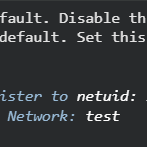
Registered my first miner on the Bittensor testnet.
Now it’s time to build, test, and learn. ⚡
#Bittensor #TAO #AI #Web3 #Subnet
@HackQuestIN @AbhirupTweetOn @imanishbarnwal

8