

Founder of ClickSlice, the 'SEO Agency of the Year 2025' winner 🏆. Ready to break your paid ads dependancy? Book your free call below👇
London, England
Joined October 2020
- Tweets7.5K
- Following199
- Followers15K
- Likes5.1K


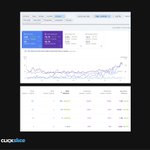


Your Black Friday page should already be live.
Not on 20 November. Now.
- One permanent URL, reused every year (no /black-friday-2026)
- Linked from your homepage and nav
- Indexed before the rush, not during it
Google needs time to find it, trust it and rank it.
4 weeks is tight. 1 week is too late.


Joshua George | Ecom SEO & AEO retweeted
Their new website was ready to launch.
It would have wiped out their rankings.
A UK fireworks retailer came to us mid-redesign. The project was behind schedule, and nobody was watching the SEO.
When we reviewed the new templates, headings were gone, internal links were gone, and important content had been removed.
Nobody did it on purpose. Designers design. Developers build. SEO falls through the gap.
Here's what we did before launch:
We took over project coordination and got the timeline back on track.
We audited the new templates and put back every SEO element that was missing.
We ran a full pre-launch check covering indexing rules, schema, metadata, URLs and canonicals.
We caught noindex tags that had crept back onto core pages and fixed them within 48 hours. Affected rankings were fully back within 7 days.
Then we moved on to growth: stronger collection pages, better internal linking, new niche product pages.
The result: page 1 for every core term, including keywords that used to sit on page 10. Organic now drives 66% of site traffic.
A redesign should make your site better, not invisible.

Joshua George | Ecom SEO & AEO retweeted
3,000 products live.
1,200 indexed.
That gap tells you more than any keyword tool.
Before we talk content with a new client, we:
- Crawl the whole site
- Compare it with what's actually indexed in Search Console
- Check page speed on category pages
No point planning content if Google can't reach half your products.
A competitor in the top 3 doesn't mean the keyword is hard.
Open their page.
Look for:
- Outdated design
- Thin content
- Missing schema
A weak page in a strong position means the real ceiling is lower than the difficulty score says.
Don't out-muscle strong pages. Outclass weak ones.
3,000 products live.
1,200 indexed.
That gap tells you more than any keyword tool.
Before we talk content with a new client, we:
- Crawl the whole site
- Compare it with what's actually indexed in Search Console
- Check page speed on category pages
No point planning content if Google can't reach half your products.
Joshua George | Ecom SEO & AEO retweeted
The fastest growth came from pages that didn't exist yet.
A UK sauce brand had demand it wasn't capturing.
People were searching for specific sauce types. The brand sold them. But it had no collection pages for those searches.
We:
- Ran a full technical audit first
- Built new niche collection pages around that demand
- Added a monthly blog linking back to them
- Built relevant links every month
Organic traffic to collection pages: +628% (3 months vs the 3 before).
Check what your customers search for that you don't have a page for.
We've seen 5-hop redirect chains from an old URL to the live page.
Every hop leaks authority.
After 2 or 3 redesigns, your best old links are barely passing anything.
Crawl your old URLs. Point every one straight at the final page.
Most website migrations lose rankings.
One of our clients moved to Shopify and lost zero.
The checklist:
- Crawl the old site and save every URL
- 301 redirect every old URL to its closest new page
- Keep the titles, content and internal links that were ranking
- Submit the new sitemap in Google Search Console at launch
- Check redirects, indexability and technical SEO issues immediately
- Monitor rankings and organic traffic over the following weeks
A new site can look completely different. The key is making sure you don't lose the SEO foundations that made the old one successful.
Joshua George | Ecom SEO & AEO retweeted
Your filters are competing with your own collection pages.
Size. Colour. Price.
Every filter combination can create a new URL.
If they're not handled with canonicals or proper parameter rules, you end up with thousands of near-identical pages fighting for the same rankings.
It's the technical issue that surprises clients most in our strategy sessions.
Quick check:
Search site:yourdomain .com and look for ?colour= or ?size= URLs.
If Google has indexed them, you've found a leak.
If your agency asks basic discovery questions on the strategy call, they've already wasted your time.
Before we're in the room, we've:
- Pulled your Search Console data
- Run the full audit
- Mapped your top 20 competitors
The session isn't for thinking.
It's for stress-testing conclusions against what only you know about your business.
Your best ranking opportunity is probably sitting on your site right now. You just don't realise it.
There's a page with backlinks, indexation, and some traffic, but it's underperforming.
Most brands skip it and build something new, because that feels like progress.
Wrong move.
That page already has equity Google is willing to build on. A targeted improvement will almost always outrank a brand-new page, and faster.
Start with the pages closest to conversion. That's the fastest route to revenue.
Only build new when:
- A customer question or commercial query has nothing on your site answering it
- One page is trying to serve two conflicting search intents and needs splitting
We broke this down on our latest Slice & Dice episode:
- What actually happens in a real strategy session before we show a client anything
- The technical issues that surprise people most
- How to sequence your roadmap so you're not spreading budget too thin
Link to the episode in replies.
Joshua George | Ecom SEO & AEO retweeted
Most website migrations lose rankings.
One of our clients moved to Shopify and lost zero.
The checklist:
- Crawl the old site and save every URL
- 301 redirect every old URL to its closest new page
- Keep the titles, content and internal links that were ranking
- Submit the new sitemap in Google Search Console at launch
- Check redirects, indexability and technical SEO issues immediately
- Monitor rankings and organic traffic over the following weeks
A new site can look completely different. The key is making sure you don't lose the SEO foundations that made the old one successful.
If ChatGPT doesn't recommend your AEO agency, why would it recommend you?

Apparently everyone's an AEO agency now.
Went to Ecom Expo last month with Callum, our Head of Sales.
We exhibited there back in 2023, so it's always good to go back, keep our feet on the ground and see where the industry's heading.
3 things stood out:
1. It was a lot smaller than 3 years ago.
Not sure what that says about the ROI for exhibitors.
2. Agencies I'd never heard of are suddenly "GEO and AEO agencies". Popped up overnight.
AI search is real. A new banner doesn't make you an expert in it.
3. The best chats were with agencies that have been around for years.
Sharing what they're working on and what's working for us.
No gatekeeping, just agency helping agency.
Anyone can rebrand overnight, results take a bit longer.


Joshua George | Ecom SEO & AEO retweeted
Your best ranking opportunity is probably sitting on your site right now. You just don't realise it.
There's a page with backlinks, indexation, and some traffic, but it's underperforming.
Most brands skip it and build something new, because that feels like progress.
Wrong move.
That page already has equity Google is willing to build on. A targeted improvement will almost always outrank a brand-new page, and faster.
Start with the pages closest to conversion. That's the fastest route to revenue.
Only build new when:
- A customer question or commercial query has nothing on your site answering it
- One page is trying to serve two conflicting search intents and needs splitting
We broke this down on our latest Slice & Dice episode:
- What actually happens in a real strategy session before we show a client anything
- The technical issues that surprise people most
- How to sequence your roadmap so you're not spreading budget too thin
Link to the episode in replies.