

Biosignal infrastructure for human-aware technology
Bengaluru, IN
Joined July 2021
- Tweets555
- Following70
- Followers507
- Likes134





Pinned Tweet
Nexstem is now Anthriq.
A new name that reflects what we’ve grown into: building foundational infrastructure for human-aware technology.
Same DNA. Clearer direction.
Read more in our Press Release: anthriq.com/post/nexstem-is-…
𝐘𝐨𝐮𝐫 𝐁𝐫𝐚𝐢𝐧 𝐈𝐬𝐧'𝐭 𝐎𝐧𝐞 𝐎𝐫𝐠𝐚𝐧. 𝐈𝐭'𝐬 𝐓𝐰𝐨 𝐋𝐢𝐧𝐞𝐚𝐠𝐞𝐬 𝐓𝐡𝐚𝐭 𝐍𝐞𝐯𝐞𝐫 𝐌𝐢𝐱.
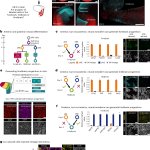
The textbook view is that the brain grows from one shared pool of embryonic progenitor cells, which later branch into forebrain, midbrain, and hindbrain.
A Stanford Medicine study in Nature Neuroscience challenges that view.
Lineage tracing in mouse embryos shows two separate progenitor populations appearing at the same time during gastrulation. One builds the front of the brain, and the other builds the back.
🔍 𝐖𝐡𝐚𝐭 𝐭𝐡𝐢𝐬 𝐫𝐞𝐬𝐞𝐚𝐫𝐜𝐡 𝐢𝐦𝐩𝐥𝐢𝐞𝐬:
The brain may be a composite organ, assembled from two lineages that are committed to their fates from the start.
💡 𝐊𝐞𝐲 𝐭𝐚𝐤𝐞𝐚𝐰𝐚𝐲𝐬:
🎯 Otx2-expressing anterior cells form only the forebrain and midbrain. Gbx2-expressing posterior cells form only the hindbrain. The two populations don't cross over.
🎯 Each lineage has its own chromatin landscape from early on. This explains why years of attempts to convert forebrain precursors into hindbrain cells failed.
🎯 Starting from the correct posterior lineage, the team grew electrically active human hindbrain motor neurons (rhombomere 5/6), a cell type that had been hard to produce in the lab.
🎯 The same dual-origin pattern appears in chickens, zebrafish, and acorn worms, which suggests it has been conserved for about 550 million years.
📌 𝐖𝐡𝐲 𝐭𝐡𝐢𝐬 𝐦𝐚𝐭𝐭𝐞𝐫𝐬:
The hindbrain controls breathing, swallowing, and facial movement. These functions fail in ALS and spinal muscular atrophy, and living human brainstem tissue can't be sampled. Lab-grown hindbrain neurons give researchers a human model to study these diseases. The hindbrain also contains the satiety circuits that GLP-1 drugs act on, so the model could help explain how those drugs work in human cells.
🔗 𝐑𝐞𝐚𝐝 𝐦𝐨𝐫𝐞: shorturl.at/jA8WH
#DevelopmentalBiology #StemCells #ALS #Neuroscience #BrainEvolution #Brainstem #Anthriq

𝐇𝐚𝐯𝐞 𝐲𝐨𝐮 𝐫𝐞𝐚𝐝 𝐈𝐬𝐬𝐮𝐞 #𝟔 𝐨𝐟 𝐍𝐞𝐮𝐫𝐨𝐭𝐞𝐜𝐡 𝐏𝐮𝐥𝐬𝐞 𝐒𝐩𝐨𝐭𝐥𝐢𝐠𝐡𝐭?
𝐓𝐡𝐞 𝐋𝐢𝐠𝐡𝐭 𝐒𝐰𝐢𝐭𝐜𝐡, 𝐭𝐡𝐞 𝐈𝐦𝐩𝐥𝐚𝐧𝐭, & 𝐭𝐡𝐞 𝐇𝐞𝐚𝐝𝐩𝐡𝐨𝐧𝐞.
A Nobel for the tool that lets us switch neurons, and two very different bets on how to reach the brain.
1. Peter Hegemann went looking for how pond algae sense light and, with Georg Nagel, found channelrhodopsin, the protein every optogenetics experiment now starts with.
2. Karl Deisseroth put it into mammalian neurons and gave neuroscience millisecond control over specific cells. Together, their work took the 2026 Nobel Prize in Physiology or Medicine.
3. On the business side, Paul Le Floch’s Axoft is building implants 10,000x softer than polyimide: first-in-human cases, a $55M Series A, and trials expanding into China.
4. And Ramses Alcaide’s Neurable is skipping surgery entirely, putting EEG into headphones and licensing it to device makers.
🔗 𝐑𝐞𝐚𝐝 𝐭𝐡𝐞 𝐟𝐮𝐥𝐥 𝐢𝐬𝐬𝐮𝐞: shorturl.at/y77LS
#NeurotechPulse #Neurotech #Neuroscience #BCI #Anthriq #Optogenetics #NobelPrize #Neuromodulation #DigitalHealth

𝐘𝐨𝐮𝐫 𝐁𝐫𝐚𝐢𝐧 𝐂𝐞𝐥𝐥𝐬 𝐌𝐚𝐲 𝐍𝐨𝐭 𝐁𝐞 𝐃𝐲𝐢𝐧𝐠 𝐅𝐫𝐨𝐦 𝐓𝐚𝐮, 𝐛𝐮𝐭 𝐅𝐫𝐨𝐦 𝐭𝐡𝐞 𝐈𝐦𝐦𝐮𝐧𝐞 𝐀𝐭𝐭𝐚𝐜𝐤 𝐈𝐭 𝐓𝐫𝐢𝐠𝐠𝐞𝐫𝐬.
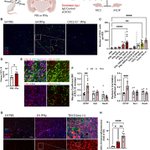
In Alzheimer's and other tauopathies, tau tangles build up inside neurons, and then neurons die. A growing body of evidence suggests the tangles may not do most of the killing. The immune response to them may.
A team at WashU Medicine, publishing in Neuron, identified how damaging T cells find their way into the brain, and showed that blocking that route protects brain tissue in mice.
🔍 𝐖𝐡𝐚𝐭 𝐭𝐡𝐢𝐬 𝐫𝐞𝐬𝐞𝐚𝐫𝐜𝐡 𝐢𝐦𝐩𝐥𝐢𝐞𝐬:
Neurodegeneration in tauopathy can be slowed without removing tau and without getting a drug into the brain.
💡 𝐊𝐞𝐲 𝐭𝐚𝐤𝐞𝐚𝐰𝐚𝐲𝐬:
🎯 When tau builds up, the brain releases a chemical signal called CXCL10. T cells carry a receptor, CXCR3, that follows this signal into brain tissue.
🎯 Blocking CXCR3 with an antibody (every 5 days for 3.5 months) cut brain-infiltrating T cells by about 50% and preserved about 40% more tissue in memory regions.
🎯 Treated mice did better on memory tests, even though tau tangle levels were the same as in untreated mice.
🎯 The antibody stayed at the brain's borders. It reduced activated T-cell populations and microglial MHC-II without broadly shutting down inflammation.
📌 𝐖𝐡𝐲 𝐭𝐡𝐢𝐬 𝐦𝐚𝐭𝐭𝐞𝐫𝐬:
Current Alzheimer's antibodies target amyloid. They modestly slow decline but don't stop ongoing cell loss, and they offer nothing for tauopathies without amyloid. A therapy that works from outside the brain avoids the blood-brain barrier problem entirely. T-cell-targeting drugs already exist for autoimmune conditions such as MS, which gives a practical route to testing. These results are in mice, and safety in humans is still an open question.
🔗 𝐑𝐞𝐚𝐝 𝐦𝐨𝐫𝐞: shorturl.at/OB7Sq
#Alzheimers #Neuroimmunology #Tauopathy #Neurodegeneration #TCells #DrugDiscovery #Anthriq

𝐍𝐞𝐮𝐫𝐨𝐬𝐜𝐢𝐞𝐧𝐜𝐞 𝐀𝐟𝐭𝐞𝐫𝐡𝐨𝐮𝐫𝐬.
Neuroscience folks in Boston, let's meet.
Some of the best ideas in science don't come from the lab. They come from a conversation with someone outside it, like a researcher from a different field, a founder building the tools you use, or a fellow PhD student facing the same problems you are.
Come join us at 𝐍𝐞𝐮𝐫𝐨𝐬𝐜𝐢𝐞𝐧𝐜𝐞 𝐀𝐟𝐭𝐞𝐫𝐡𝐨𝐮𝐫𝐬, a casual meet & greet for researchers, students, and industry professionals in neuroscience and neurotech.
Expect introductions, good conversations, and plenty of chances to meet people outside your usual circle. You might leave with a new collaborator, a mentor, or a fresh perspective on your next step.
Register via the link below to know more about the event!
𝐑𝐞𝐠𝐢𝐬𝐭𝐞𝐫 𝐇𝐞𝐫𝐞: luma.com/g2ihoqx4
#Sfn26 #Boston #NeuroscienceCommunity #BostonEvents #Networking #Anthriq
#NeuroTwitter #AcademicTwitter #SciTwitter #MedTwitter

𝐍𝐞𝐮𝐫𝐨𝐭𝐞𝐜𝐡 𝐄𝐧𝐭𝐫𝐞𝐩𝐫𝐞𝐧𝐞𝐮𝐫𝐬𝐡𝐢𝐩 𝐟𝐨𝐫 𝐄𝐚𝐫𝐥𝐲 𝐂𝐚𝐫𝐞𝐞𝐫 𝐑𝐞𝐬𝐞𝐚𝐫𝐜𝐡𝐞𝐫𝐬.
Most neuroscientists have asked themselves whether their research could become something more than a paper.
Many shelve it. Grants, papers, the next experiment.
But some people chased it, and built companies, devices, and careers out of a question they couldn't let go of.
At SfN this year, we're putting them in a room with you. Come join us for a meet and greet on:
𝐅𝐫𝐨𝐦 𝐁𝐞𝐧𝐜𝐡 𝐭𝐨 𝐁𝐮𝐬𝐢𝐧𝐞𝐬𝐬: 𝐍𝐞𝐮𝐫𝐨𝐭𝐞𝐜𝐡 𝐄𝐧𝐭𝐫𝐞𝐩𝐫𝐞𝐧𝐞𝐮𝐫𝐬𝐡𝐢𝐩 𝐟𝐨𝐫 𝐄𝐚𝐫𝐥𝐲 𝐂𝐚𝐫𝐞𝐞𝐫 𝐑𝐞𝐬𝐞𝐚𝐫𝐜𝐡𝐞𝐫𝐬.
📍 Hall E - NNE Space #3, Walter E. Washington Convention Center
🗓 Sunday, Nov 15 - 7 P.M Onwards
Just honest conversations with people who've made the jump, and peers figuring out if they want to.
𝐑𝐞𝐠𝐢𝐬𝐭𝐞𝐫 𝐇𝐞𝐫𝐞: luma.com/fsm93xda
#SfN26 #Neuroscience2026 #SfN #Neurotech #NeurotechEntrepreneurship #EarlyCareerResearchers #PhDLife #Postdoc #AcademiaToIndustry #BenchToBusiness #Neuroscience #Anthriq

𝐇𝐚𝐯𝐞 𝐲𝐨𝐮 𝐫𝐞𝐚𝐝 𝐈𝐬𝐬𝐮𝐞 #𝟒𝟐 𝐨𝐟 𝐍𝐞𝐮𝐫𝐨𝐭𝐞𝐜𝐡 𝐏𝐮𝐥𝐬𝐞?
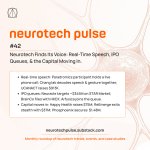
𝐍𝐞𝐮𝐫𝐨𝐭𝐞𝐜𝐡 𝐅𝐢𝐧𝐝𝐬 𝐈𝐭𝐬 𝐕𝐨𝐢𝐜𝐞: 𝐑𝐞𝐚𝐥-𝐓𝐢𝐦𝐞 𝐒𝐩𝐞𝐞𝐜𝐡, 𝐈𝐏𝐎 𝐐𝐮𝐞𝐮𝐞𝐬, & 𝐭𝐡𝐞 𝐂𝐚𝐩𝐢𝐭𝐚𝐥 𝐌𝐨𝐯𝐢𝐧𝐠 𝐈𝐧.
Paradromics' first Connexus participant spoke with her grandchildren on a live phone call. Separately, MergeLabs signed Butterfly Network, Inc. as its ultrasound chip supplier, and Neuracle Lifesciences, BrainCo Inc and Arfysica Innovation all joined the IPO queue.
On the capital side, HappyHealth raised $75M, ReEmerge, Inc. exited stealth with a $37M Series A, and PHOSPHOENIX secured €1.3M for its cortical vision prosthetic.
This issue's case study spotlight features INSIGHTEC, whose Exablate Neuro uses MR-guided focused ultrasound to treat tremor without a single incision.
🔗 𝐑𝐞𝐚𝐝 𝐭𝐡𝐞 𝐟𝐮𝐥𝐥 𝐢𝐬𝐬𝐮𝐞: shorturl.at/iPIOd
#NeurotechPulse #Neurotech #Neuroscience #BCI #Anthriq #DigitalHealth #FocusedUltrasound

𝐘𝐨𝐮𝐫 𝐌𝐞𝐦𝐨𝐫𝐲 𝐓𝐞𝐬𝐭 𝐒𝐜𝐨𝐫𝐞𝐬 𝐭𝐡𝐞 𝐀𝐧𝐬𝐰𝐞𝐫𝐬. 𝐘𝐨𝐮𝐫 𝐒𝐩𝐞𝐞𝐜𝐡 𝐑𝐞𝐯𝐞𝐚𝐥𝐬 𝐭𝐡𝐞 𝐁𝐫𝐚𝐢𝐧 𝐁𝐞𝐡𝐢𝐧𝐝 𝐓𝐡𝐞𝐦.
In a standard memory test, a clinician reads you a short story and asks you to retell it. You get one point for each detail you recall. Everything else you say is ignored, including how your sentences are built, what you repeat, and when you say "I forgot her name."
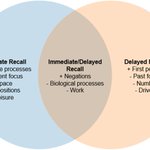
Researchers at Boston University analyzed that ignored speech. Using natural language processing on voice recordings from 710 people in the Long Life Family Study, they found that the way people retell a story carries diagnostic signal on its own.
🔍 𝐖𝐡𝐚𝐭 𝐭𝐡𝐢𝐬 𝐫𝐞𝐬𝐞𝐚𝐫𝐜𝐡 𝐢𝐦𝐩𝐥𝐢𝐞𝐬:
A memory test records more than a score. It also captures how a person organizes information, holds onto it, and checks their own errors.
💡 𝐊𝐞𝐲 𝐭𝐚𝐤𝐞𝐚𝐰𝐚𝐲𝐬:
🎯 Twelve linguistic features separated people with cognitive impairment from those without. These included losing the story's key details, adding off-task comments, simpler sentence structure, and repeating fragments.
🎯 The team combined these features into one speech score. On its own, it classified impairment almost as accurately as traditional scoring (AUC-PR 0.77 vs. 0.81).
🎯 A higher speech score was linked to lower cognitive screening scores across an average of 7 years of follow-up.
🎯 The features map onto distinct processes: learning, retention, and self-monitoring. This could help separate different types of impairment, not only detect it.
📌 𝐖𝐡𝐲 𝐭𝐡𝐢𝐬 𝐦𝐚𝐭𝐭𝐞𝐫𝐬:
Gold-standard cognitive tests need trained specialists to give and score them. If speech from the same test can be scored automatically, the assessment could move into primary care or onto a phone, and catch changes earlier. The authors note the method still needs validation in other clinical and community groups.
🔗 𝐑𝐞𝐚𝐝 𝐌𝐨𝐫𝐞: shorturl.at/EgVp4
#Neuroscience #Alzheimers #CognitiveDecline #NLP #DementiaScreening #BrainHealth #Anthriq

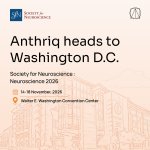
𝐀𝐧𝐭𝐡𝐫𝐢𝐪 𝐡𝐞𝐚𝐝𝐬 𝐭𝐨 𝐒𝐟𝐍'𝟐𝟔! 🧠
This November, we're heading to Washington, D.C. for Society for Neuroscience'26 & we can't wait to meet the people shaping what comes next in brain science.
Find us at 𝗕𝗼𝗼𝘁𝗵 𝟴𝟯𝟬 at the 𝗪𝗮𝗹𝘁𝗲𝗿 𝗘. 𝗪𝗮𝘀𝗵𝗶𝗻𝗴𝘁𝗼𝗻 𝗖𝗼𝗻𝘃𝗲𝗻𝘁𝗶𝗼𝗻 𝗖𝗲𝗻𝘁𝗲𝗿, 𝟭𝟰–𝟭𝟴 𝗡𝗼𝘃𝗲𝗺𝗯𝗲𝗿.
If you're working on biosignals, neural interfaces, or neurotech translation, let's connect!
𝗘𝘃𝗲𝗻𝘁 𝗗𝗲𝘁𝗮𝗶𝗹𝘀:
📍𝗕𝗼𝗼𝘁𝗵 𝟴𝟯𝟬 𝗪𝗮𝗹𝘁𝗲𝗿 𝗘. 𝗪𝗮𝘀𝗵𝗶𝗻𝗴𝘁𝗼𝗻 𝗖𝗼𝗻𝘃𝗲𝗻𝘁𝗶𝗼𝗻 𝗖𝗲𝗻𝘁𝗲𝗿
🗓 𝟭𝟰–𝟭𝟴 𝗡𝗼𝘃𝗲𝗺𝗯𝗲𝗿, 𝟮𝟬𝟮𝟲
See you in D.C.!
#SfN26 #Neuroscience2026 #Neurotech #Biosignals #BCI #SocietyforNeuroscience

𝐆𝐥𝐢𝐨𝐛𝐥𝐚𝐬𝐭𝐨𝐦𝐚 𝐦𝐚𝐲 𝐣𝐮𝐬𝐭 𝐡𝐚𝐯𝐞 𝐛𝐞𝐞𝐧 𝐡𝐢𝐝𝐢𝐧𝐠 𝐭𝐡𝐨𝐮𝐬𝐚𝐧𝐝𝐬 𝐨𝐟 𝐭𝐫𝐞𝐚𝐭𝐦𝐞𝐧𝐭 𝐭𝐚𝐫𝐠𝐞𝐭𝐬 𝐟𝐫𝐨𝐦 𝐬𝐭𝐚𝐧𝐝𝐚𝐫𝐝 𝐬𝐞𝐪𝐮𝐞𝐧𝐜𝐢𝐧𝐠 𝐭𝐨𝐨𝐥𝐬.
Researchers from the University of Hong Kong's Clinical Neuroscience Consortium and the Hong Kong Genome Institute applied long-read single-cell RNA sequencing — instead of the conventional short-read method — to more than 210,000 individual cells from 27 glioblastoma patients.
Because short-read sequencing fragments genetic material, it has never been able to fully reconstruct the complete gene variants (isoforms) present in individual tumor cells. Long-read sequencing can.
🔍 𝐖𝐡𝐚𝐭 𝐭𝐡𝐢𝐬 𝐫𝐞𝐬𝐞𝐚𝐫𝐜𝐡 𝐢𝐦𝐩𝐥𝐢𝐞𝐬:
The therapeutic targets that mattered most in glioblastoma may have been structurally invisible to the technology researchers were using all along; not biologically absent, but methodologically undetectable.
💡 𝐊𝐞𝐲 𝐭𝐚𝐤𝐞𝐚𝐰𝐚𝐲𝐬:
🎯 The team identified 6,524 previously unannotated gene isoforms, with 179 found exclusively in tumor cells and completely absent from healthy tissue
🎯 A subset of these tumor-specific isoforms is predicted to bind strongly to MHC class I molecules; the machinery that presents abnormal proteins to the immune system
🎯 That binding profile qualifies them as neoantigens: targets a personalized cancer vaccine could train the immune system to recognize
🎯 The team also mapped surface–intracellular target pairs in seven patients, opening the door to dual-specific ligand-based therapies
🎯 This is the first validated analytical framework for applying clinical long-read single-cell sequencing at this scale in neuro-oncology
📌 𝐖𝐡𝐲 𝐭𝐡𝐢𝐬 𝐦𝐚𝐭𝐭𝐞𝐫𝐬:
This doesn't change treatment today; surgery, radiation, and chemotherapy remain standard of care. But it hands the field a validated method and a substantially expanded library of tumor-specific targets for next-generation personalized vaccines and immunotherapies, in a cancer where treatment resistance is largely driven by cellular diversity that older sequencing methods simply couldn't see.
🔗 𝐑𝐞𝐚𝐝 𝐌𝐨𝐫𝐞: sl1nk.com/lo6zvzd
#Neuroscience #Glioblastoma #CancerVaccine #Genomics #BrainCancer #Immunotherapy #Anthriq

𝐁𝐞𝐲𝐨𝐧𝐝 𝐭𝐡𝐞 𝐇𝐞𝐚𝐫𝐭𝐛𝐞𝐚𝐭: 𝐖𝐡𝐚𝐭 𝐄𝐂𝐆 𝐑𝐞𝐯𝐞𝐚𝐥𝐬 𝐀𝐛𝐨𝐮𝐭 𝐭𝐡𝐞 𝐁𝐫𝐚𝐢𝐧.
Your brain and heart are in constant conversation. New research shows a simple heart sensor, the kind already sitting on millions of wrists, can now read that conversation well enough to estimate mental strain almost as accurately as an EEG cap. Explore the evidence behind this emerging field.
𝐑𝐞𝐚𝐝 𝐌𝐨𝐫𝐞: shorturl.at/eWJea
#ECG #HeartBrainAxis #Neurocardiology #Neurotech #WearableTech #EEG #MentalHealth #CognitiveLoad #DeepTech #Anthriq

𝐁𝐞𝐲𝐨𝐧𝐝 𝐭𝐡𝐞 𝐇𝐞𝐚𝐫𝐭𝐛𝐞𝐚𝐭: 𝐖𝐡𝐚𝐭 𝐄𝐂𝐆 𝐑𝐞𝐯𝐞𝐚𝐥𝐬 𝐀𝐛𝐨𝐮𝐭 𝐭𝐡𝐞 𝐁𝐫𝐚𝐢𝐧.
Your brain and heart are in constant conversation. New research shows a simple heart sensor, the kind already sitting on millions of wrists, can now read that conversation well enough to estimate mental strain almost as accurately as an EEG cap. Explore the evidence behind this emerging field .
𝐑𝐞𝐚𝐝 𝐌𝐨𝐫𝐞: shorturl.at/eWJea
#ECG #HeartBrainAxis #Neurocardiology #Neurotech #WearableTech #EEG #MentalHealth #CognitiveLoad #DeepTech #Anthriq

𝐓𝐚𝐤𝐢𝐧𝐠 𝐁𝐫𝐚𝐢𝐧 𝐑𝐞𝐬𝐞𝐚𝐫𝐜𝐡 𝐁𝐞𝐲𝐨𝐧𝐝 𝐭𝐡𝐞 𝐋𝐚𝐛.
A model that decodes one person's hand gestures at 0.93 can fall to chance on the next person, with nothing in the pipeline reporting a fault.
That gap, between a clean lab recording and a device that holds up in the field, was the subject of Dr. Soumya's talk at the Signals workshop hosted by the 𝗡𝗲𝘂𝗿𝗼𝗰𝗼𝗴𝗻𝗶𝘁𝗶𝗼𝗻 𝗟𝗮𝗯 at Christ University, Bangalore, last Friday.
His argument was that fidelity is a budget rather than a goal. Every channel dropped, every gel electrode swapped for a dry one, every move out of a shielded room buys something a product needs.
Some of that spend is recoverable through calibration and most of it is not, and knowing which is which is most of the work in product development.
Drawing on Anthriq's own EMG and brain age programmes, he showed that the failures almost always sat upstream of the model. Electrode placement, the recording protocol, the instrument itself.
That is the case for getting research hardware into people's hands early, while the protocol is still being decided rather than after the data is collected. It is also why we build what we build.
#Neurotech #EEG #BrainComputerInterface #DeepTech #MedicalDevices


𝐌𝐮𝐬𝐜𝐥𝐞 𝐢𝐬 𝐧𝐨𝐰 𝐚 𝐫𝐞𝐜𝐨𝐠𝐧𝐢𝐳𝐞𝐝 𝐞𝐧𝐝𝐨𝐜𝐫𝐢𝐧𝐞 𝐨𝐫𝐠𝐚𝐧 — 𝐚𝐧𝐝 𝐢𝐭'𝐬 𝐬𝐢𝐠𝐧𝐚𝐥𝐢𝐧𝐠 𝐝𝐢𝐫𝐞𝐜𝐭𝐥𝐲 𝐭𝐨 𝐏𝐚𝐫𝐤𝐢𝐧𝐬𝐨𝐧'𝐬-𝐯𝐮𝐥𝐧𝐞𝐫𝐚𝐛𝐥𝐞 𝐧𝐞𝐮𝐫𝐨𝐧𝐬.
A team led by Dr. Miguel Germán Borda reviewed 129 studies to map how exercise-induced muscle signaling affects Parkinson's disease progression. The central finding: contracting muscle releases hormone-like molecules called "exerkines" that travel through the bloodstream and act directly on dopamine-producing neurons in the substantia nigra — the region Parkinson's destroys.
🔍 𝐖𝐡𝐚𝐭 𝐭𝐡𝐢𝐬 𝐫𝐞𝐬𝐞𝐚𝐫𝐜𝐡 𝐢𝐦𝐩𝐥𝐢𝐞𝐬:
Exercise's benefit in Parkinson's isn't just about mobility or symptom management — it's a biochemical, neuroprotective pathway with an identifiable signaling mechanism, not a vague "stay active" recommendation.
💡 𝐊𝐞𝐲 𝐭𝐚𝐤𝐞𝐚𝐰𝐚𝐲𝐬:
🎯 Sarcopenia (age-related muscle loss) independently predicts worse Parkinson's outcomes — more falls, faster cognitive decline, reduced independence
🎯 Key exerkines identified include BDNF, IGF-1, irisin, cathepsin B, myostatin, and GDF15 — each released into circulation during muscle contraction
🎯 These molecules exert antioxidant and anti-inflammatory effects directly on dopaminergic neurons, improving mitochondrial function and stress resilience
🎯 Multimodal programs — combining aerobic, resistance, and balance training — produced the strongest improvements in gait, mood, cognition, and quality of life
🎯 Grip strength is emerging as a simple, measurable biomarker for tracking disease progression
📌 𝐖𝐡𝐲 𝐭𝐡𝐢𝐬 𝐦𝐚𝐭𝐭𝐞𝐫𝐬:
This elevates exercise from a supportive lifestyle recommendation to a mechanistic, nonpharmacological intervention with a defined biological pathway. As clinicians look for early, low-risk interventions to slow neurodegeneration, muscle-brain crosstalk offers a therapeutic angle that's already actionable — no new drug required, just structured, sustained movement.
🔗 𝐑𝐞𝐚𝐝 𝐌𝐨𝐫𝐞: sl1nk.com/6o3p56v
#Neuroscience #Parkinsons #Neuroprotection #Exercise #Dopamine #BrainHealth #Anthriq

𝐄𝐌𝐆 𝐚𝐧𝐝 𝐌𝐨𝐭𝐨𝐫 𝐈𝐧𝐭𝐞𝐧𝐭: 𝐃𝐞𝐜𝐨𝐝𝐢𝐧𝐠 𝐌𝐨𝐯𝐞𝐦𝐞𝐧𝐭 𝐁𝐞𝐟𝐨𝐫𝐞 𝐈𝐭 𝐇𝐚𝐩𝐩𝐞𝐧𝐬
Even after a stroke, spinal injury, or amputation, the brain often still sends the signal to move. Surface EMG is learning to read it before the movement ever happens. Explore the evidence across sEMG sensing, deep-learning decoding, and real-world prosthetic and rehab control.
𝐑𝐞𝐚𝐝 𝐌𝐨𝐫𝐞: shorturl.at/RqAex
#EMG #sEMG #Neurotech #Neuroprosthetics #MotorIntent #GestureRecognition #BCI #Neuroscience #WearableTech #DeepTech #Anthriq

𝐇𝐚𝐯𝐞 𝐲𝐨𝐮 𝐫𝐞𝐚𝐝 𝐈𝐬𝐬𝐮𝐞 #𝟓 𝐨𝐟 𝐍𝐞𝐮𝐫𝐨𝐭𝐞𝐜𝐡 𝐏𝐮𝐥𝐬𝐞 𝐒𝐩𝐨𝐭𝐥𝐢𝐠𝐡𝐭?
𝐓𝐡𝐞 𝐒𝐜𝐢𝐞𝐧𝐭𝐢𝐬𝐭𝐬 𝐖𝐡𝐨 𝐁𝐮𝐢𝐥𝐭 𝐁𝐂𝐈'𝐬 𝐄𝐯𝐢𝐝𝐞𝐧𝐜𝐞 𝐁𝐚𝐬𝐞.
This edition features four researchers this time: the people behind the trial, the model, the theory, and the law the rest of neurotech builds on.
1. Leigh Hochberg runs the longest BrainGate clinical trial since before "BCI" was a category, actively producing results the field measures itself against.
2. Frank Guenther's model of how children learn to speak has quietly become the scaffolding under most real-time speech-decoding neuroprosthetics.
3. Andrew Schwartz's lab got a paralyzed woman feeding herself with a robotic arm years before "neuroprosthetic" was a term.
4. And Rafael Yuste went from helping launch the BRAIN Initiative to chairing the NeuroRights Foundation; now writing the rulebook for the field he helped start.
🔗 𝐑𝐞𝐚𝐝 𝐭𝐡𝐞 𝐟𝐮𝐥𝐥 𝐢𝐬𝐬𝐮𝐞: l1nq.com/eyq6ltk
#NeurotechPulse #Neurotech #Neuroscience #BCI #BrainComputerInterface #NeuroRights #Anthriq

𝐓𝐡𝐞 𝐜𝐞𝐥𝐥𝐮𝐥𝐚𝐫 𝐫𝐞𝐚𝐬𝐨𝐧 𝐩𝐬𝐲𝐜𝐡𝐞𝐝𝐞𝐥𝐢𝐜𝐬 𝐦𝐚𝐤𝐞 𝐞𝐯𝐞𝐫𝐲𝐭𝐡𝐢𝐧𝐠 𝐟𝐞𝐞𝐥 𝐜𝐨𝐧𝐧𝐞𝐜𝐭𝐞𝐝.
A new theoretical framework from researchers at the University of Tartu, published in Neuroscience & Biobehavioral Reviews, moves psychedelic science down from whole-brain imaging to the level of a single cell type: layer V pyramidal neurons.
These neurons have two functionally distinct branches — basal dendrites that process direct, local sensory input, and apical dendrites that gather distant, contextual signals like memories and expectations. Psychedelics act on serotonin 2A receptors concentrated on the apical side.
🔍 𝐖𝐡𝐚𝐭 𝐭𝐡𝐢𝐬 𝐫𝐞𝐬𝐞𝐚𝐫𝐜𝐡 𝐢𝐦𝐩𝐥𝐢𝐞𝐬:
Most psychedelic research has explained effects at the network level — how large-scale brain regions synchronize during a trip. This framework explains where that global shift actually originates: a shift in how individual neurons weigh local versus contextual input.
💡 𝐊𝐞𝐲 𝐭𝐚𝐤𝐞𝐚𝐰𝐚𝐲𝐬:
🎯 5-HT2A receptors sit densely on apical dendrites — the exact part of the neuron responsible for gathering context, not raw sensory detail
🎯 Psychedelics weaken the local/basal signal and strengthen the contextual/apical signal, tipping neuronal firing toward relational processing
🎯 Because layer V neurons are the cortex's main output channel, this contextual signal gets broadcast widely — explaining the hyperconnectivity seen on brain scans
🎯 The model, termed "apical hypercontextualisation," accounts for synesthesia, dissolving mental boundaries, and why "set and setting" so strongly shape a trip — because internal expectations get amplified into perception itself
🎯 It reframes the core psychedelic effect: not enhanced sensory information, but enhanced connection between representations
📌 𝐖𝐡𝐲 𝐭𝐡𝐢𝐬 𝐦𝐚𝐭𝐭𝐞𝐫𝐬:
Grounding psychedelic action in specific dendritic compartments gives psychiatry a mechanistic target rather than a phenomenological description. As psilocybin and related compounds move through trials for depression, addiction, and anxiety, this cellular model offers a concrete hypothesis for how these drugs "loosen" rigid thought patterns — and where future therapeutics might intervene.
🔗 𝐑𝐞𝐚𝐝 𝐌𝐨𝐫𝐞: l1nq.com/6rko104
#Neuroscience #Psychedelics #Psilocybin #Serotonin #MentalHealth #Psychopharmacology #Anthriq

𝐓𝐡𝐞 𝐚𝐠𝐢𝐧𝐠 𝐛𝐫𝐚𝐢𝐧 𝐡𝐚𝐬 𝐚 𝐛𝐥𝐢𝐧𝐝 𝐬𝐩𝐨𝐭 𝐟𝐨𝐫 𝐝𝐞𝐜𝐥𝐢𝐧𝐞: 𝐥𝐚𝐧𝐠𝐮𝐚𝐠𝐞.
A new MIT–Boston University brain imaging study compared adults aged 17–39 to adults aged 41–80 on two systems: the language network and the "multiple demand network" (the general-purpose system behind working memory and problem-solving). The multiple demand network showed the expected age-related decline in synchronization and activation strength. The language network showed almost none.
🔍 𝐖𝐡𝐚𝐭 𝐭𝐡𝐢𝐬 𝐫𝐞𝐬𝐞𝐚𝐫𝐜𝐡 𝐢𝐦𝐩𝐥𝐢𝐞𝐬:
Cognitive aging isn't a single, uniform process. It challenges the assumption that "the aging brain" declines as one system; instead, specialization itself may determine how resistant a network is to age-related wear.
💡 𝐊𝐞𝐲 𝐭𝐚𝐤𝐞𝐚𝐰𝐚𝐲𝐬:
🎯 Older adults (41–80) showed activation patterns in language regions nearly identical to younger adults (17–39) — same spatial distribution, same intensity
🎯 When exposed to unusual grammar or unfamiliar words, both age groups showed the same spike in neural sensitivity, indicating the underlying language processing mechanism is unchanged
🎯 The multiple demand network, by contrast, showed reduced synchronization, weaker activation, and smaller magnitude of response with age — confirming it as the more vulnerable system
🎯 Researchers argue this resilience stems from how the language network operates: it accumulates knowledge (vocabulary) over a lifetime rather than relying on flexible, general-purpose processing capacity
🎯 Vocabulary size continues to increase with age, giving older adults a cumulative "data" advantage that offsets other cognitive changes
📌 𝐖𝐡𝐲 𝐭𝐡𝐢𝐬 𝐦𝐚𝐭𝐭𝐞𝐫𝐬:
This reframes what we should expect from the aging brain — highly specialized, knowledge-accumulating systems may be structurally protected in ways that flexible, capacity-limited systems are not.
For clinical practice, it also gives a clearer baseline for distinguishing normal aging from pathological decline: if language function drops off in an older adult, that's a red flag precisely because it's not supposed to.
🔗 𝐑𝐞𝐚𝐝 𝐌𝐨𝐫𝐞: l1nq.com/f1fy07h
hashtag#Neuroscience hashtag#AgingBrain hashtag#CognitiveDecline hashtag#BrainHealth hashtag#Neurolinguistics hashtag#MIT hashtag#Anthriq
