

A non-profit, accredited organization providing worldwide rescue, rehabilitation, release and lifetime sanctuary for bats in need.
- Tweets7.6K
- Following100
- Followers20.8K
- Likes1.3K





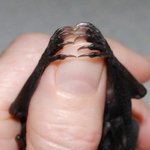




ALT (Part 1 of 4) This is Basil, and this photo was taken just hours before his death. He arrived severely dehydrated and lethargic, unable to even open his eyes or lift his head. The finder boasted about how she "rehabilitated wild animals all the time" while Basil lay limp and in pain in the hand of one of our staff members. He was denied proper care for days despite being only a few miles from our facility and the help he so desperately needed. He was denied the milk formula he should've had, he was denied the comfort and company of other pups his own age, and he was denied the chance to ever fly free. This bat died because a member of the public wanted to pretend to be a wildlife rehabilitator. Some folks may argue that people like this mean well, and sometimes that may be the case. In a few parts of the country there isn't a wildlife rehabilitator for hundreds of miles or more, and people are left in an impossible position when they find an animal in need of help. (Continued)
ALT (Part 2 of 4) But far too often resources are only a quick internet search away, and still they decide that they know better. Perhaps it is false self-confidence, or simply selfishness, but ultimately it is the animal that suffers the consequences and pays the price, and it is us, actual wildlife rehabilitators, who care for these animals until the end and mourn their loss. (Continued)

ALT (Part 3 of 4) With the resources available today, there is no excuse for those who decide to care for wild animals themselves. Wildlife rehabilitators already do an impossible job- long hours, little to no funding, oftentimes no pay, and constant heartbreak. Please do not make our jobs harder by dropping wild animals at our front door after you've decided you are done playing with them. It is unnecessary, cruel, and illegal. Basil did not survive the night, despite multiple rounds of emergency fluids and hydrolyzed protein. Due to the finders handling him with bare hands, Basil would likely have been required to be euthanized regardless for rabies testing. Both our local health department, as well as Texas Parks and Wildlife, have been alerted to this situation and steps are being taken to ensure this individual does not have any more wild animals in their care. (Continued)

ALT (Part 4 of 4) If you are aware of someone caring for wild animals without a permit, please reach out to your local state agency to make a report. If you find a bat, NEVER handle them with bare hands- doing so is a death sentence for them. (End)


