

google & youtube ads for dtc brands
Australia
Joined March 2020
- Tweets34.2K
- Following1.2K
- Followers76.6K
- Likes16.1K






Jackson Blackledge retweeted
whoever runs your ads should be obsessed with finding new stuff to test.
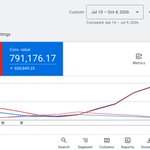
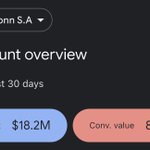
this brand’s a good example of why you need to push harder on cold traffic on google.
without the prospecting strategies we've implemented
this brand would’ve been capped at $100k/mo spend max
don’t work with anyone who doesn’t put in the effort to scale cold traffic.
seen too many accounts where the last agency made 2-4 changes per month
complete waste of money

Jackson Blackledge retweeted
one thing i've been doing this year more is brainstorming sessions with my a-players
every week, i get the best people on the team together and ask them questions like:
what would you do differently?
where are we leaving money on the table?
what should we be doing more of?
what am i missing?
these guys are in the weeds every single day and see things i don't
they have their own ideas, opinions, and ways of solving problems
and some of the best ideas come out when i give them room to think instead of telling them what to do
the bigger your team gets, the more you should be learning from them
whoever runs your ads should be obsessed with finding new stuff to test.
this brand’s a good example of why you need to push harder on cold traffic on google.
without the prospecting strategies we've implemented
this brand would’ve been capped at $100k/mo spend max
don’t work with anyone who doesn’t put in the effort to scale cold traffic.
seen too many accounts where the last agency made 2-4 changes per month
complete waste of money
one thing i've been doing this year more is brainstorming sessions with my a-players
every week, i get the best people on the team together and ask them questions like:
what would you do differently?
where are we leaving money on the table?
what should we be doing more of?
what am i missing?
these guys are in the weeds every single day and see things i don't
they have their own ideas, opinions, and ways of solving problems
and some of the best ideas come out when i give them room to think instead of telling them what to do
the bigger your team gets, the more you should be learning from them
just dropped a video on what we consider when building google shopping campaigns
key decisions we make to drive more sales from shopping traffic
- feed optimization
- merchant center setup
- how to optimize your offers for shopping traffic
- which product images to use
- how to get multiple spots on one search result
search "Jackson Blackledge" on youtube to watch it

we’re spending tens of millions on google ads every month for ecom brands.
i did a quick analysis to figure out what moved the needle the most for our clients this year so far.
here’re a few of my takeaways:
1. test landing pages on google like how you test creatives on meta
your landing pages are one of the biggest (if not the biggest) factors in your performance.
and the same way you’d test creatives on meta…
you should be testing landing page variations, angles, and formats on google to:
- lower acquisition costs
- improve conversion rates
- scale to new levels of spend
- capture new traffic sources from different customer avatars, problems, and use cases
2. reach more potential customers
google is so much more than BOF Search, Shopping, and retargeting.
sell to colder traffic (youtube ads, TOF search, MOF/comparison, native style ads, etc)
go after different use cases, avatars, problems, and angles
build dedicated landing pages for different channels and angles to keep your funnel congruent.
just like on meta, if you truly want to scale on google, never stop looking for new customers to sell to.
3. match your funnel to how people buy on each placement
people care about different things depending on where they see your ads.
take Shopping, for example.
price matters a ton here. and showing a good deal can make a huge difference in CTR.
so you can promote a lower-priced product to get more people to click and buy
then upsell them to higher-priced products later in the funnel.
the same applies to other channels and placements.
figure out what people care about, then match your offer, creative, and landing page to it.
the better you understand this, the higher CTR and conversion rate you’ll get and the more you’ll scale.
4. get serious about your product feed & gmc
shopping is the money placement for ecom.
and your feed + gmc are 2 of the biggest things you can control.
don’t be lazy and optimize your titles, images, descriptions, attributes, etc.
duplicate your feed to target different search intents and show up for more queries.
go to 'Store Quality' in merchant center and aim for “exceptional”. set up product reviews, seller ratings and promotions properly.
5. take advantage of changes in demand
search volume and demand change throughout the year
it could be seasonal, like hoodies in winter, or holidays and sales events like BFCM and Christmas.
it could also be a growing trend, like right now, more people searching for ways to deal with burnout.
spot these changes early and build campaigns around them.
target relevant keywords, create ads and landing pages that match what people are looking for, and position your products around that demand.
you can get a massive jump in revenue if you catch these changes at the right time.
Google Ads is a whole different beast compared to a few years ago.
and the brands that figure out these 5 things will have a massive advantage going forward.
we made a guide on how we scale brands past $1m/mo on google with prospecting campaigns.
grab it here:
echelonn.io/resources/prospe…
this is the perfect example of how to build a google account optimized for new customer
42x more weekly spend by expanding further and further up the funnel
if you’re looking to scale on google, this is a must read


we’re in the middle of 4 massive shifts in google ads right now
brands that take advantage of them early will make millions.
if you don’t make a move now, the market will force you to.


these days i don't really care what our competitors do anymore.
used to get annoyed seeing people stealing our offers, ads, content, etc
but i've realized it's just part of growing a business.
the bigger you grow, the more people will try to imitate you
they can copy everything they see from the outside.
but they can’t copy your team, systems, case studies, testimonials, connections, etc.
end of day, that’s what clients truly care about.
don’t stress. focus on your game
made this brand $2.46m last q4
up $1.96m vs. the previous agencies
people seriously underestimate how much you can do with google during q4
there’re a ton of levers you can pull to significantly make more $$$
from deciding which products to push
to updating creatives and copy across search, shopping, pmax, demand gen
to knowing which new campaigns to launch
to which assets go live during each phase of Q4
to how you manage budget & bidding
get these things right and you can easily be looking at 2x, 3x, or even more profit

make more money
not to impress other ppl
but to increase the quality of your life and the lives of the ones you care about
support your fam, help the boys, inspire others, etc
life is short; don’t waste time on people who don’t deserve it.
deleting soon
a collection of the best LPs to use for demand gen/youtube ads rn
our landing page team has swiped these to scale to $10k-$40k/day spend
many brands have spent well into the 7 figures
giving it away for the next 48 hrs
like + comment "swipe" and I’ll send it over
(follow so i can DM)
$7k to $58k/week spend
onboarded this brand 2 months ago
plugged in our prospecting strategies and the account instantly took off
added new search campaigns around different angles and products
feed duplication pushed shopping and pmax further
rolled out native-style image ads and hit 6 figures within weeks
now, over 93% of their sales come from prospecting
google is a beast for driving incremental rev if you set up properly

@ ecom brands
here’s every keyword type you should be running on Google Ads:
INFORMATIONAL SEARCHES:
> target people who have a problem your product can solve
> examples: "how to lose weight after 50", "magnesium glycinate benefits"
> huge search volume and cheaper CPCs but much harder to crack
> send to advertorials or listicles with soft CTAs
COMPARISON SEARCHES:
> target shoppers comparing options or figuring out what to buy
> examples: "best noise cancelling headphones", "top rated mattress 2026"
> great for prospecting. works in pretty much any industry out there.
> send to “top x products” pages that make your offer look like the best choice
BRANDED TERMS:
> target people searching your brand or product name
> examples: "Nike", "Nike shoes”, "Air Force 1"
> easiest money you’ll make on google
> send to homepages for brand searches, category pages for a product category, product pages for specific items
> should only take up a small part of your budget
PRODUCT CATEGORY SEARCH
> target buyers looking for a specific product type
> examples: "buy iPhone 15 Pro", "standing desk online", "women’s dress"
> high priority. get these running from day one
> send to product pages that match the terms they search for
COMPETITOR TERMS:
> target people searching for your competitor's brand names
> examples: “[competitor]”, "[competitor] alternative"
> medium priority. test once your core campaigns are profitable
> can work well if competitors have solid branded search volume & weak google setup
> send to “us vs them” or “top products” pages that frame your brand as the better option
start with branded and product category searches first.
they give you the best roi and don’t require a complicated funnel to work.
once that’s dialed, start layering in other types.
you'll need dedicated landing pages for them, but the TAM is way bigger.
and if you’re serious about scaling google ads, you gotta figure out how to make them work.

we put together a cheatsheet on how we’re helping brands make 7 figures/month on search ads.
grab it here:
echelonn.io/resources/search…

how we generated €11.7M in google ads revenue for a brand last Q4:
(a breakdown of the full timeline of how we prepared, optimized, and scaled the account)
the hardest part about scaling in Q4 is knowing when to push.
increase budgets too early, and you risk spending a lot before demand picks up.
wait too long, and you miss some of the biggest revenue opportunities of the year.
you've also got a bunch of stuff to manage at once:
- seasonal campaigns and creatives
- promotional offers
- bidding targets
- budgets across different markets
for this brand, we started getting everything ready well before Black Friday.
by the time the big sales weeks came around, we had everything in place to scale.
here are the 4 things we did that moved the needle the most:
phase 1 (early to mid october): clean up the account before scaling
first, we went through the campaigns to see where money was being wasted.
that included:
- adding negative keywords to cut irrelevant searches
- pausing weaker campaigns
- moving budgets to campaigns with more room to grow
we also made a major change to our bidding strategy.
a few weeks before Black Friday, we raised target ROAS across a lot of our prospecting campaigns.
the goal was to improve efficiency before we started pushing budgets aggressively.
now, we were in a much better position to start scaling.
- - -
phase 2 (late october): launch Black Friday campaigns
in late October, we rolled out dedicated Black Friday Pre-Sale asset groups across our pmax campaigns.
we did this across multiple countries, including the US, UK, Australia, New Zealand, and Canada.
each asset group had around 45 assets, including:
- Black Friday headlines and descriptions
- square, landscape, and portrait images
- YouTube videos
- new audience signals
we kept our existing evergreen asset groups running alongside these.
this allowed us to introduce seasonal creatives without messing with what was already working
around the same time, we launched a new pmax campaign for the holiday season.
this had its own landing page, creatives, and search themes
we wanted to pick up all that extra seasonal demand beyond our usual angles.
and the account started picking up:
week of October 20: €31.8k
week of November 10: €116k
a 3.65x increase in weekly conversion value in just 3 weeks.
- - -
phase 3 (pre bfcm): scale budgets and roll out new sale creatives
once we saw how well the account was performing, we started increasing budgets across the campaigns.
on November 10, we increased budgets by 20% across a large number of campaigns.
this included pmax, Search, Shopping, and DSA across multiple countries.
we also pushed out another round of Black Friday creatives.
we continued to roll out separate asset groups for different phases of the event.
each had a bunch of different headlines, descriptions, images, and videos.
we also updated our Search ads with the latest Black Friday offers.
so we had multiple things happening at once.
- more budget going into the existing campaigns.
- fresh seasonal creatives getting introduced into pmax.
- updated offers running across Search and other placements.
phase 4 (bfcm week and post bfcm): scale aggressively during BFCM
as Black Friday got closer, we started pushing spend much harder.
we already had the campaigns, offers, and creative assets in place.
so the focus was on getting as much volume as we could while keeping the account profitable.
between November 24 and 29, we made several rounds of budget increases.
we doubled budgets across a large number of campaigns.
the important thing to understand here is that your ROAS will often drop when you scale this aggressively.
that's fine as long as the extra sales are bringing in enough profit.
once the peak passed, we started pulling spend back.
we also cleaned things up:
- removed old asset groups
- refreshed our cyber week creatives
- adjusted budgets and bidding targets
the week after Black Friday, we did another €203.9k in conversion value at 6.69x ROAS.
and even in the second week of December, we were still doing over €160k.
===
by the end of Q4:
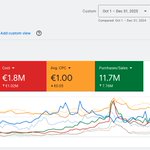
€11.7M in google ads revenue
€1.8M in ad spend
6.52x ROAS
€7.76M more sales value than the previous year.
our ROAS improved by 1.41x while spending roughly €1M more.
the biggest lesson here is that your Black Friday results depend heavily on what you do in the weeks leading up to it.
we spent October cleaning up the account, tightening bidding, launching seasonal campaigns, and getting our Black Friday assets ready.
so when demand picked up, we were ready to spend a lot more and make the most of it.

i’ve put our full q4 google ads playbook into a checklist.
we used it to help brands scale 3–5x yoy last year.
grab it here:
echelonn.io/resources/q4-202…