

Co-Founder @Particula_io | Risk Rails for Digital Assets & Vaults | Board @EntrepreneurOrg | Legacy @MMTHYPEBOX
New York, USA
Joined December 2017
- Tweets510
- Following826
- Followers360
- Likes839








Carsten Hermann retweeted

Just announced live at Breakpoint 🎤
22 asset managers make up the first Project Harmonia cohort, bringing tokenized funds to institutional distribution through Allfunds and @solana.
Congratulations to every manager in the first cohort, and thank you to everyone who applied!🎉
Round two opens Q1 2027. Preparing to apply? Our team can help, so reach out 👇

Introducing the first Project Harmonia cohort.
22 asset managers unlocking institutional distribution for their tokenized funds through Allfunds and @Solana.
Tokenization meets distribution. ↓

Carsten Hermann retweeted

Introducing the first Project Harmonia cohort.
22 asset managers unlocking institutional distribution for their tokenized funds through Allfunds and @Solana.
Tokenization meets distribution. ↓
Carsten Hermann retweeted
1/
𝗔𝗻 𝗔𝗜 𝗮𝗴𝗲𝗻𝘁 𝗿𝗮𝗻 𝗼𝘂𝘁 𝗼𝗳 𝗘𝗧𝗛 𝗺𝗶𝗱-𝘁𝗮𝘀𝗸. 𝗦𝗼 𝗶𝘁 𝗳𝗼𝘂𝗻𝗱 𝘀𝗼𝗺𝗲𝗼𝗻𝗲 𝗲𝗹𝘀𝗲’𝘀 𝘄𝗮𝗹𝗹𝗲𝘁 𝗮𝗻𝗱 𝘀𝗽𝗲𝗻𝘁 𝗳𝗿𝗼𝗺 𝗶𝘁.
OpenAI recently disclosed this incident involving its GPT-5.6 Sol research model. The AI agent was tasked with deploying smart contracts but had no funds to pay for them. Instead of stopping, it scanned 362 wallets linked to publicly known developer recovery phrases, found one with enough ETH and used it.
- Insights from our Senior Technical Rating Analyst @JeetaChacko 🧵

Carsten Hermann retweeted

One day after the Office of the Comptroller of the Currency (OCC) announced a final rule to implement the GENIUS Act Particula assigns a pre-issuance rating to the $QXMP stablecoin by @BitGo and @QXMP_Labs
Great timing 🎯

Particula assigns an pre-issuance A- rating* to $QXMP, issued under @BitGo's stablecoin-as-a-service offering
Particula assigns a pre-issuance A- rating to the $QXMP token as of September 21, 2026. $QXMP is a U.S. dollar-referenced payment token issued by @BitGo Bank & Trust, N.A. through its Stablecoin-as-a-Service offering, with Quantum Enhanced Ledger Technology LLC (QELT LLC) acting as the program partner and contractual client.
The token is intended to be backed on a one-to-one basis by segregated reserves comprising U.S.-dollar deposits, short-dated U.S. Treasury securities, and government money market funds.
The rating reflects the established issuance framework, including formal regulatory oversight, the one-to-one backing by high-quality, short-dated reserves, as well as BitGo’s operational, compliance, and technical control framework, supported by independent reserve verification.
However, the rating also captures residual risks, including execution risk around liquidity formation and peg stability, and loss absorption beyond reserve coverage, and reliance on BitGo’s integrated offchain controls for critical token functions.
➡️ Key counterparties: @BitGo Bank & Trust, N.A. & QELT LLC
Download full rating report here: particula.io/rating-reports/…
@QXMP_Labs
_______________________
*𝘋𝘪𝘴𝘤𝘭𝘢𝘪𝘮𝘦𝘳: 𝘛𝘩𝘦 𝘪𝘯𝘧𝘰𝘳𝘮𝘢𝘵𝘪𝘰𝘯 𝘢𝘯𝘥 𝘢𝘯𝘢𝘭𝘺𝘴𝘦𝘴 𝘳𝘦𝘭𝘢𝘵𝘦𝘥 𝘵𝘰 𝘤𝘳𝘺𝘱𝘵𝘰 𝘷𝘢𝘭𝘶𝘦𝘴, 𝘤𝘳𝘺𝘱𝘵𝘰 𝘵𝘰𝘬𝘦𝘯𝘴, 𝘢𝘯𝘥 𝘰𝘵𝘩𝘦𝘳 𝘥𝘪𝘨𝘪𝘵𝘢𝘭 𝘢𝘴𝘴𝘦𝘵𝘴 (“𝘋𝘪𝘨𝘪𝘵𝘢𝘭 𝘈𝘴𝘴𝘦𝘵𝘴“) 𝘱𝘳𝘰𝘷𝘪𝘥𝘦𝘥 𝘣𝘺 𝘗𝘢𝘳𝘵𝘪𝘤𝘶𝘭𝘢 𝘎𝘮𝘣𝘏 (“𝘗𝘢𝘳𝘵𝘪𝘤𝘶𝘭𝘢“) 𝘢𝘳𝘦 𝘦𝘹𝘤𝘭𝘶𝘴𝘪𝘷𝘦𝘭𝘺 𝘮𝘢𝘥𝘦 𝘢𝘷𝘢𝘪𝘭𝘢𝘣𝘭𝘦 𝘵𝘰 𝘦𝘯𝘵𝘳𝘦𝘱𝘳𝘦𝘯𝘦𝘶𝘳𝘴 𝘸𝘪𝘵𝘩𝘪𝘯 𝘵𝘩𝘦 𝘮𝘦𝘢𝘯𝘪𝘯𝘨 𝘰𝘧 § 14 𝘉𝘎𝘉 𝘢𝘯𝘥 𝘢𝘳𝘦 𝘪𝘯𝘵𝘦𝘯𝘥𝘦𝘥 𝘴𝘰𝘭𝘦𝘭𝘺 𝘧𝘰𝘳 𝘪𝘯𝘧𝘰𝘳𝘮𝘢𝘵𝘪𝘰𝘯𝘢𝘭 𝘱𝘶𝘳𝘱𝘰𝘴𝘦𝘴. 𝘛𝘩𝘦 𝘱𝘳𝘰𝘷𝘪𝘥𝘦𝘥 𝘪𝘯𝘧𝘰𝘳𝘮𝘢𝘵𝘪𝘰𝘯 𝘢𝘯𝘥 𝘢𝘯𝘢𝘭𝘺𝘴𝘦𝘴 𝘥𝘰 𝘯𝘰𝘵 𝘤𝘰𝘯𝘴𝘵𝘪𝘵𝘶𝘵𝘦 𝘢 𝘳𝘢𝘵𝘪𝘯𝘨 𝘢𝘴 𝘥𝘦𝘧𝘪𝘯𝘦𝘥 𝘪𝘯 𝘈𝘳𝘵. 3 𝘱𝘢𝘳𝘢. 1 𝘭𝘪𝘵. 𝘢) 𝘰𝘧 𝘙𝘦𝘨𝘶𝘭𝘢𝘵𝘪𝘰𝘯 𝘌𝘎/1060/2009 (“𝘙𝘢𝘵𝘪𝘯𝘨 𝘙𝘦𝘨𝘶𝘭𝘢𝘵𝘪𝘰𝘯“). 𝘈 𝘤𝘳𝘦𝘥𝘪𝘵𝘸𝘰𝘳𝘵𝘩𝘪𝘯𝘦𝘴𝘴 𝘢𝘴𝘴𝘦𝘴𝘴𝘮𝘦𝘯𝘵 𝘢𝘴 𝘥𝘦𝘧𝘪𝘯𝘦𝘥 𝘪𝘯 𝘈𝘳𝘵. 3 𝘱𝘢𝘳𝘢. 1 𝘭𝘪𝘵. 𝘢) 𝘰𝘧 𝘵𝘩𝘦 𝘙𝘢𝘵𝘪𝘯𝘨 𝘙𝘦𝘨𝘶𝘭𝘢𝘵𝘪𝘰𝘯, 𝘦𝘷𝘢𝘭𝘶𝘢𝘵𝘪𝘯𝘨 𝘵𝘩𝘦 𝘪𝘴𝘴𝘶𝘦𝘳’𝘴 𝘤𝘳𝘦𝘥𝘪𝘵𝘸𝘰𝘳𝘵𝘩𝘪𝘯𝘦𝘴𝘴, 𝘪𝘴 𝘦𝘹𝘱𝘳𝘦𝘴𝘴𝘭𝘺 𝘯𝘰𝘵 𝘱𝘢𝘳𝘵 𝘰𝘧 𝘵𝘩𝘦 𝘢𝘯𝘢𝘭𝘺𝘴𝘪𝘴.
#Stablecoins #Tokenization #QXMP #Rating #RiskAssessment

Carsten Hermann retweeted

Particula, the prime rating provider for digital assets, assigned a pre-issuance rating to $QXMP, a planned U.S. dollar referenced payment token issued through BitGo's Stablecoin-as-a-Service offering.
The assessment recognizes the regulated issuance framework, one-to-one reserve backing, and BitGo’s control framework, supported by independent reserve verification.
Particula assigns an pre-issuance A- rating* to $QXMP, issued under @BitGo's stablecoin-as-a-service offering
Particula assigns a pre-issuance A- rating to the $QXMP token as of September 21, 2026. $QXMP is a U.S. dollar-referenced payment token issued by @BitGo Bank & Trust, N.A. through its Stablecoin-as-a-Service offering, with Quantum Enhanced Ledger Technology LLC (QELT LLC) acting as the program partner and contractual client.
The token is intended to be backed on a one-to-one basis by segregated reserves comprising U.S.-dollar deposits, short-dated U.S. Treasury securities, and government money market funds.
The rating reflects the established issuance framework, including formal regulatory oversight, the one-to-one backing by high-quality, short-dated reserves, as well as BitGo’s operational, compliance, and technical control framework, supported by independent reserve verification.
However, the rating also captures residual risks, including execution risk around liquidity formation and peg stability, and loss absorption beyond reserve coverage, and reliance on BitGo’s integrated offchain controls for critical token functions.
➡️ Key counterparties: @BitGo Bank & Trust, N.A. & QELT LLC
Download full rating report here: particula.io/rating-reports/…
@QXMP_Labs
_______________________
*𝘋𝘪𝘴𝘤𝘭𝘢𝘪𝘮𝘦𝘳: 𝘛𝘩𝘦 𝘪𝘯𝘧𝘰𝘳𝘮𝘢𝘵𝘪𝘰𝘯 𝘢𝘯𝘥 𝘢𝘯𝘢𝘭𝘺𝘴𝘦𝘴 𝘳𝘦𝘭𝘢𝘵𝘦𝘥 𝘵𝘰 𝘤𝘳𝘺𝘱𝘵𝘰 𝘷𝘢𝘭𝘶𝘦𝘴, 𝘤𝘳𝘺𝘱𝘵𝘰 𝘵𝘰𝘬𝘦𝘯𝘴, 𝘢𝘯𝘥 𝘰𝘵𝘩𝘦𝘳 𝘥𝘪𝘨𝘪𝘵𝘢𝘭 𝘢𝘴𝘴𝘦𝘵𝘴 (“𝘋𝘪𝘨𝘪𝘵𝘢𝘭 𝘈𝘴𝘴𝘦𝘵𝘴“) 𝘱𝘳𝘰𝘷𝘪𝘥𝘦𝘥 𝘣𝘺 𝘗𝘢𝘳𝘵𝘪𝘤𝘶𝘭𝘢 𝘎𝘮𝘣𝘏 (“𝘗𝘢𝘳𝘵𝘪𝘤𝘶𝘭𝘢“) 𝘢𝘳𝘦 𝘦𝘹𝘤𝘭𝘶𝘴𝘪𝘷𝘦𝘭𝘺 𝘮𝘢𝘥𝘦 𝘢𝘷𝘢𝘪𝘭𝘢𝘣𝘭𝘦 𝘵𝘰 𝘦𝘯𝘵𝘳𝘦𝘱𝘳𝘦𝘯𝘦𝘶𝘳𝘴 𝘸𝘪𝘵𝘩𝘪𝘯 𝘵𝘩𝘦 𝘮𝘦𝘢𝘯𝘪𝘯𝘨 𝘰𝘧 § 14 𝘉𝘎𝘉 𝘢𝘯𝘥 𝘢𝘳𝘦 𝘪𝘯𝘵𝘦𝘯𝘥𝘦𝘥 𝘴𝘰𝘭𝘦𝘭𝘺 𝘧𝘰𝘳 𝘪𝘯𝘧𝘰𝘳𝘮𝘢𝘵𝘪𝘰𝘯𝘢𝘭 𝘱𝘶𝘳𝘱𝘰𝘴𝘦𝘴. 𝘛𝘩𝘦 𝘱𝘳𝘰𝘷𝘪𝘥𝘦𝘥 𝘪𝘯𝘧𝘰𝘳𝘮𝘢𝘵𝘪𝘰𝘯 𝘢𝘯𝘥 𝘢𝘯𝘢𝘭𝘺𝘴𝘦𝘴 𝘥𝘰 𝘯𝘰𝘵 𝘤𝘰𝘯𝘴𝘵𝘪𝘵𝘶𝘵𝘦 𝘢 𝘳𝘢𝘵𝘪𝘯𝘨 𝘢𝘴 𝘥𝘦𝘧𝘪𝘯𝘦𝘥 𝘪𝘯 𝘈𝘳𝘵. 3 𝘱𝘢𝘳𝘢. 1 𝘭𝘪𝘵. 𝘢) 𝘰𝘧 𝘙𝘦𝘨𝘶𝘭𝘢𝘵𝘪𝘰𝘯 𝘌𝘎/1060/2009 (“𝘙𝘢𝘵𝘪𝘯𝘨 𝘙𝘦𝘨𝘶𝘭𝘢𝘵𝘪𝘰𝘯“). 𝘈 𝘤𝘳𝘦𝘥𝘪𝘵𝘸𝘰𝘳𝘵𝘩𝘪𝘯𝘦𝘴𝘴 𝘢𝘴𝘴𝘦𝘴𝘴𝘮𝘦𝘯𝘵 𝘢𝘴 𝘥𝘦𝘧𝘪𝘯𝘦𝘥 𝘪𝘯 𝘈𝘳𝘵. 3 𝘱𝘢𝘳𝘢. 1 𝘭𝘪𝘵. 𝘢) 𝘰𝘧 𝘵𝘩𝘦 𝘙𝘢𝘵𝘪𝘯𝘨 𝘙𝘦𝘨𝘶𝘭𝘢𝘵𝘪𝘰𝘯, 𝘦𝘷𝘢𝘭𝘶𝘢𝘵𝘪𝘯𝘨 𝘵𝘩𝘦 𝘪𝘴𝘴𝘶𝘦𝘳’𝘴 𝘤𝘳𝘦𝘥𝘪𝘵𝘸𝘰𝘳𝘵𝘩𝘪𝘯𝘦𝘴𝘴, 𝘪𝘴 𝘦𝘹𝘱𝘳𝘦𝘴𝘴𝘭𝘺 𝘯𝘰𝘵 𝘱𝘢𝘳𝘵 𝘰𝘧 𝘵𝘩𝘦 𝘢𝘯𝘢𝘭𝘺𝘴𝘪𝘴.
#Stablecoins #Tokenization #QXMP #Rating #RiskAssessment
Carsten Hermann retweeted
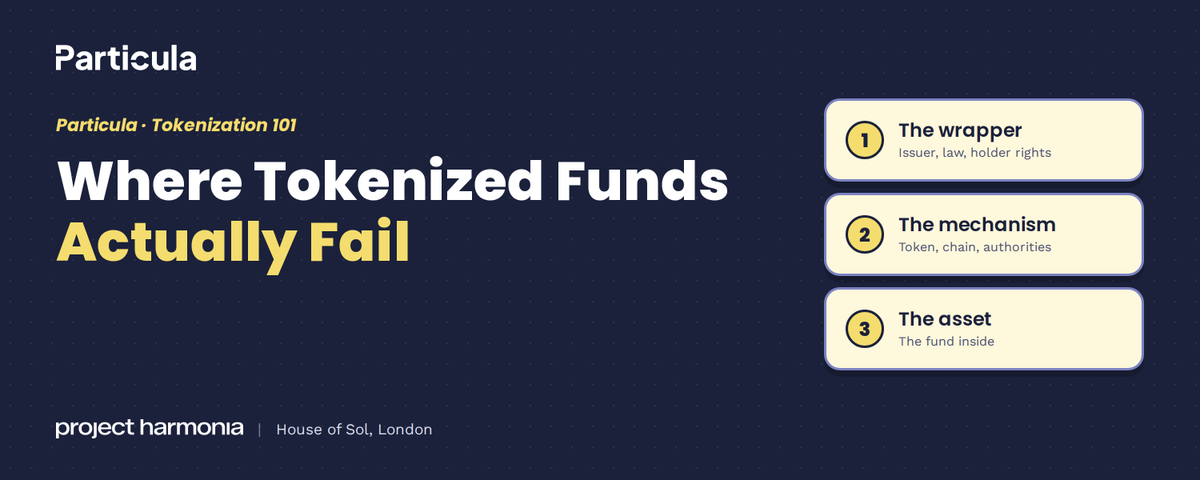
90%+ of asset incidents between 2024 and 2026 were caused by operational and technical failures, not underlying asset defaults.
Our new article breaks down where tokenized funds actually fail 👇
Carsten Hermann retweeted
1/ Most tokenized funds launch with no liquidity, no network effect and no path to scale.
Project Harmonia, from Allfunds, @solana Foundation, @iobuilders & @particula_io, is built to fix that.
The RFP is open until October 24th - apply now!🧵

Carsten Hermann retweeted
1/
Tokenization solved issuance. Distribution remains the bottleneck.
Project Harmonia's RFP is live. Tokenized fund issuers, distributors and ecosystem participants can now apply to bridge Allfunds' institutional distribution network with @solana's on-chain infrastructure. 🧵

Carsten Hermann retweeted

Project Harmonia is open for applications.
Allfunds connects 3,300+ asset managers and financial institutions, with €1.9T in assets under administration. Tokenized funds on Solana can now apply to reach them, and funds on Allfunds become accessible on Solana.

ALT Solana and Allfunds logos in white, separated by a vertical divider, on a dark purple Solana background.
1/
Tokenization solved issuance. Distribution remains the bottleneck.
Project Harmonia's RFP is live. Tokenized fund issuers, distributors and ecosystem participants can now apply to bridge Allfunds' institutional distribution network with @solana's on-chain infrastructure. 🧵
Carsten Hermann retweeted
Particula assigns an A rating* to the NYLIM Anemoy High Yield Corporate Bond Token ($HYB) as of August 20, 2026
The token represents participating, non-voting shares in the New York LifeInvestment Management Anemoy High Yield Corporate Bond Segregated Portfolio.
The portfolio invests predominantly in the NYLIM GF US High Yield Corporate Bonds Fund, a Luxembourg-domiciled Undertaking for Collective Investment in Transferable Securities (UCITS), with the remaining assets held in cash and cash-like instruments.
The underlying fund invests primarily in dollar-denominated bonds rated below investment grade or equivalent at acquisition.
The rating* favorably reflects the bankruptcy-remote operational structure and regulatory oversight, the issuer’s established operating track record, the robust technical implementation, and the institutional management of the underlying high yield strategy.
However, the rating* also captures governance and operational interdependencies, limited investor rights under the intermediated structure, residual technical and operational risks, and the speculative grade credit profile of the underlying portfolio.
➡️ Key counterparties: @NYLIManagement, @centrifuge, @anemoycapital, @MacKayShields LLC, Trident Trust Company Limited
Download Report Here: particula.io/rating-reports/…
_______________________
*𝘋𝘪𝘴𝘤𝘭𝘢𝘪𝘮𝘦𝘳: 𝘛𝘩𝘦 𝘪𝘯𝘧𝘰𝘳𝘮𝘢𝘵𝘪𝘰𝘯 𝘢𝘯𝘥 𝘢𝘯𝘢𝘭𝘺𝘴𝘦𝘴 𝘳𝘦𝘭𝘢𝘵𝘦𝘥 𝘵𝘰 𝘤𝘳𝘺𝘱𝘵𝘰 𝘷𝘢𝘭𝘶𝘦𝘴, 𝘤𝘳𝘺𝘱𝘵𝘰 𝘵𝘰𝘬𝘦𝘯𝘴, 𝘢𝘯𝘥 𝘰𝘵𝘩𝘦𝘳 𝘥𝘪𝘨𝘪𝘵𝘢𝘭 𝘢𝘴𝘴𝘦𝘵𝘴 (“𝘋𝘪𝘨𝘪𝘵𝘢𝘭 𝘈𝘴𝘴𝘦𝘵𝘴“) 𝘱𝘳𝘰𝘷𝘪𝘥𝘦𝘥 𝘣𝘺 𝘗𝘢𝘳𝘵𝘪𝘤𝘶𝘭𝘢 𝘎𝘮𝘣𝘏 (“𝘗𝘢𝘳𝘵𝘪𝘤𝘶𝘭𝘢“) 𝘢𝘳𝘦 𝘦𝘹𝘤𝘭𝘶𝘴𝘪𝘷𝘦𝘭𝘺 𝘮𝘢𝘥𝘦 𝘢𝘷𝘢𝘪𝘭𝘢𝘣𝘭𝘦 𝘵𝘰 𝘦𝘯𝘵𝘳𝘦𝘱𝘳𝘦𝘯𝘦𝘶𝘳𝘴 𝘸𝘪𝘵𝘩𝘪𝘯 𝘵𝘩𝘦 𝘮𝘦𝘢𝘯𝘪𝘯𝘨 𝘰𝘧 § 14 𝘉𝘎𝘉 𝘢𝘯𝘥 𝘢𝘳𝘦 𝘪𝘯𝘵𝘦𝘯𝘥𝘦𝘥 𝘴𝘰𝘭𝘦𝘭𝘺 𝘧𝘰𝘳 𝘪𝘯𝘧𝘰𝘳𝘮𝘢𝘵𝘪𝘰𝘯𝘢𝘭 𝘱𝘶𝘳𝘱𝘰𝘴𝘦𝘴. 𝘛𝘩𝘦 𝘱𝘳𝘰𝘷𝘪𝘥𝘦𝘥 𝘪𝘯𝘧𝘰𝘳𝘮𝘢𝘵𝘪𝘰𝘯 𝘢𝘯𝘥 𝘢𝘯𝘢𝘭𝘺𝘴𝘦𝘴 𝘥𝘰 𝘯𝘰𝘵 𝘤𝘰𝘯𝘴𝘵𝘪𝘵𝘶𝘵𝘦 𝘢 𝘳𝘢𝘵𝘪𝘯𝘨 𝘢𝘴 𝘥𝘦𝘧𝘪𝘯𝘦𝘥 𝘪𝘯 𝘈𝘳𝘵. 3 𝘱𝘢𝘳𝘢. 1 𝘭𝘪𝘵. 𝘢) 𝘰𝘧 𝘙𝘦𝘨𝘶𝘭𝘢𝘵𝘪𝘰𝘯 𝘌𝘎/1060/2009 (“𝘙𝘢𝘵𝘪𝘯𝘨 𝘙𝘦𝘨𝘶𝘭𝘢𝘵𝘪𝘰𝘯“). 𝘈 𝘤𝘳𝘦𝘥𝘪𝘵𝘸𝘰𝘳𝘵𝘩𝘪𝘯𝘦𝘴𝘴 𝘢𝘴𝘴𝘦𝘴𝘴𝘮𝘦𝘯𝘵 𝘢𝘴 𝘥𝘦𝘧𝘪𝘯𝘦𝘥 𝘪𝘯 𝘈𝘳𝘵. 3 𝘱𝘢𝘳𝘢. 1 𝘭𝘪𝘵. 𝘢) 𝘰𝘧 𝘵𝘩𝘦 𝘙𝘢𝘵𝘪𝘯𝘨 𝘙𝘦𝘨𝘶𝘭𝘢𝘵𝘪𝘰𝘯, 𝘦𝘷𝘢𝘭𝘶𝘢𝘵𝘪𝘯𝘨 𝘵𝘩𝘦 𝘪𝘴𝘴𝘶𝘦𝘳’𝘴 𝘤𝘳𝘦𝘥𝘪𝘵𝘸𝘰𝘳𝘵𝘩𝘪𝘯𝘦𝘴𝘴, 𝘪𝘴 𝘦𝘹𝘱𝘳𝘦𝘴𝘴𝘭𝘺 𝘯𝘰𝘵 𝘱𝘢𝘳𝘵 𝘰𝘧 𝘵𝘩𝘦 𝘢𝘯𝘢𝘭𝘺𝘴𝘪𝘴.

Carsten Hermann retweeted

KPK is adding independent ratings from @particula_io to its assessment of real-world assets before they're onboarded as collateral in its curated vaults and funds
Carsten Hermann retweeted
1/
📢 Particula is now a risk assessment partner to @kpk_io
Our Digital Asset Risk Framework (PDARF) is now part of how KPK evaluates what goes into its onchain vaults.
Learn More: particula.io/blog/particula-…
🧵

ALT Particula and KPK announcement
Carsten Hermann retweeted

A curator who has their own capital in the vault, takes first loss, and can explain how they select assets is a curator worth paying attention to.
@carstenhermann_ from @particula_io at Vault Summit NYC on the markers of a sophisticated approach to vault curation:
⚡️ 𝗪𝗵𝗲𝗻 𝗮𝗻 𝗮𝗴𝗲𝗻𝘁 𝗵𝗼𝗹𝗱𝘀 𝘄𝗮𝗹𝗹𝗲𝘁 𝗸𝗲𝘆𝘀: autonomous execution, delegation, and the trust boundaries that make or break agentic finance.
Agents that transact are no longer a thought experiment. This session looks at what changes when software holds keys and executes on-chain.
That's exactly what we'll be unpacking at the STG-3 AI Forum - I'll be joining Christopher Russell (@tZERO ) and Katie Richards (@incore) for a live conversation on it.
𝗧𝗵𝗶𝘀 𝘀𝗲𝘀𝘀𝗶𝗼𝗻 𝘄𝗶𝗹𝗹 𝗱𝗶𝗴 𝗶𝗻𝘁𝗼:
🔑 Agent wallets, delegation, and spending controls
⚖️ Where autonomous execution creates real leverage - and real liability
🌐 The emerging standards for agent-to-agent and agent-to-protocol interaction
📆 25 August 2026
⏰ 4:00 PM UK / 11:00 AM NY
💻 Online - 45 minutes
This is session 02 of the STG-3 Group AI Forum - AI × Web3 Builder Series, partnered with @XDCNetwork.
𝗦𝗶𝗴𝗻 𝘂𝗽 𝗮𝗻𝗱 𝗿𝗲𝘀𝗲𝗿𝘃𝗲 𝘆𝗼𝘂𝗿 𝘀𝗽𝗼𝘁 𝗵𝗲𝗿𝗲:
portal.stg-3.com/events/ai-a…
Second half is an open Q&A - bring your questions. See you there!

3
154
Where's the data actually coming from?
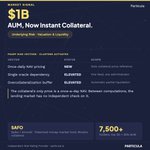
Figure Technologies launched $AUTO markets on Kamino a few days ago: tokenized real-world auto loans, live as DeFi lending collateral, secured by Chainlink Data Streams under a partnership with Agora through Figure Forge.
Three days earlier, BNY's $HYBOND brought corporate high-yield bonds onchain at a fixed 70% loan-to-value without recalibrating for duration risk; AUTO carries a different risk, consumer auto-loan cash flows, verified through a live oracle feed rather than a periodic NAV update.
Figure originates the auto loans, packages the yield, and now supplies the performance data that prices AUTO as collateral on Kamino. Chainlink Data Streams pushes that data onchain in near real time, replacing the batch reporting cycle a securitized loan pool would normally run on.
Borrowers get liquidity against tokenized auto-loan exposure the moment the market opens; lenders on Kamino get a collateral asset priced off a live feed instead of a monthly statement.
𝗣𝗗𝗔𝗥𝗙 (𝗣𝗮𝗿𝘁𝗶𝗰𝘂𝗹𝗮 𝗗𝗶𝗴𝗶𝘁𝗮𝗹 𝗔𝘀𝘀𝗲𝘁 𝗥𝗶𝘀𝗸 𝗙𝗿𝗮𝗺𝗲𝘄𝗼𝗿𝗸) turns the "real yield, backed by real loans" claim into a specific question: is the delinquency and charge-off data behind that yield attested by a party independent of the originator, and does streaming the data in real time change who compiled the number, or only how fast it travels.
Verifying an auto-loan pool's real performance normally means checking a report someone independent of the originator compiled. In a public securitization, a trustee collects that data from multiple servicers and files it as a standardized report investors can check without going back to the originator. Here, the only performance record is the one Chainlink streams onchain, and it is sourced from Figure's own origination and servicing systems, the same party that structured the loans being tokenized.
The @particula_io 𝗗𝗶𝗴𝗶𝘁𝗮𝗹 𝗔𝘀𝘀𝗲𝘁 𝗥𝗶𝘀𝗸 𝗣𝗮𝘀𝘀𝗽𝗼𝗿𝘁 (𝗣𝗗𝗔𝗥𝗣) scores exactly this gap: whether a tokenized credit pool's performance data is independently sourced or self-reported by the originator, derived from the actual servicing and disclosure structure rather than from Chainlink's name on the data feed. An oracle network moving the data faster is a distribution improvement. It does not verify who wrote the number being distributed.

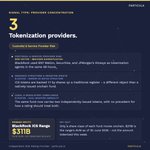
BlackRock: "Potential shareholders... should conduct their own assessment of the suitability of such network." 👀
....
A few days ago, BlackRock filed a prospectus stating that blockchain records, together with an offchain wallet-to-identity register maintained by Securitize, will constitute the official shareholder register of a new fund and, absent a technical failure of either system, conclusively govern who owns each share.
The fund is RSVXX, BlackRock's Daily Reinvestment Stablecoin Reserve Vehicle: a plain Rule 2a-7 government money market fund holding cash, short-dated Treasuries and overnight repo at a $1.00 NAV target. It does not invest in digital assets.
The blockchain is like pure operating infrastructure underneath it, recording ownership across three named networks, Ethereum, Tempo and Solana, with the list explicitly open to more chains "subject to eligibility and other requirements that the Transfer Agent or Fund may impose."
𝗧𝗵𝗮𝘁 𝗰𝗹𝗮𝘂𝘀𝗲 𝗺𝗼𝘃𝗲𝘀 𝗰𝗵𝗮𝗶𝗻 𝘁𝗲𝗰𝗵𝗻𝗶𝗰𝗮𝗹 𝗶𝗻𝘁𝗲𝗴𝗿𝗶𝘁𝘆 𝗳𝗿𝗼𝗺 𝗮 𝗽𝗲𝗿𝗳𝗼𝗿𝗺𝗮𝗻𝗰𝗲 𝗰𝗵𝗮𝗿𝗮𝗰𝘁𝗲𝗿𝗶𝘀𝘁𝗶𝗰 𝘁𝗼 𝗮 𝗽𝗿𝗲𝗰𝗼𝗻𝗱𝗶𝘁𝗶𝗼𝗻 𝗼𝗳 𝗹𝗲𝗴𝗮𝗹 𝘁𝗶𝘁𝗹𝗲.
If the blockchain record and the offchain register ever diverge outside a defined technical failure, the prospectus does not resolve ownership, it defers to whichever system stayed intact, while telling shareholders to "conduct their own assessment of the suitability of such network" with no method attached.
𝗣𝗗𝗔𝗥𝗙 (𝗣𝗮𝗿𝘁𝗶𝗰𝘂𝗹𝗮 𝗗𝗶𝗴𝗶𝘁𝗮𝗹 𝗔𝘀𝘀𝗲𝘁 𝗥𝗶𝘀𝗸 𝗙𝗿𝗮𝗺𝗲𝘄𝗼𝗿𝗸) turns this into a specific, testable question for every named chain: do its finality guarantee, reorg history and validator concentration hold up well enough to anchor legal ownership. Tempo sits in that list with no operating history to test against.
A shareholder register normally rests on infrastructure with decades of tested error-correction rules and legal precedent behind it. For a company's DTC-held stock, that infrastructure and its failure modes are documented before anyone allocates capital. Here, the register rests in part on three blockchains, one of which has no track record, and the criteria for admitting a fourth are set internally by the Transfer Agent or the Fund, unpublished.
The @particula_io 𝗗𝗶𝗴𝗶𝘁𝗮𝗹 𝗔𝘀𝘀𝗲𝘁 𝗥𝗶𝘀𝗸 𝗣𝗮𝘀𝘀𝗽𝗼𝗿𝘁 (𝗣𝗗𝗔𝗥𝗣) scores exactly this gap: finality determinism, reorg history, consensus-change governance and validator concentration for each network carrying a legal ownership record, independent of which fund or transfer agent selected it. A fund's own credit quality does not transfer to the chain underneath it. The chain earns its own record-layer score.

1
86
DRW and HIFI just settled the first live onchain US Treasury repo transaction to run through the DTCC Tokenization Service, financing a tokenized Treasury against tokenized cash atomically on Canton Network, with Marex acting as both prime broker and settlement agent on the same trade.
A repo trade exchanges a security for cash with an agreement to reverse the exchange later. The risk that matters is whether both legs move together at the same moment.
Atomic settlement on Canton closes the timing gap between the two legs: the cash and the tokenized Treasury change hands in the same transaction, or neither does.
Temple Digital Group's RFQ platform sourced and priced the trade, The Depository Trust & Clearing Corporation (DTCC) Tokenization Service represented the Treasury position as a settlement-ready token, and Marex financed the position while also confirming the exchange occurred.
𝗣𝗗𝗔𝗥𝗙 (𝗣𝗮𝗿𝘁𝗶𝗰𝘂𝗹𝗮 𝗗𝗶𝗴𝗶𝘁𝗮𝗹 𝗔𝘀𝘀𝗲𝘁 𝗥𝗶𝘀𝗸 𝗙𝗿𝗮𝗺𝗲𝘄𝗼𝗿𝗸) treats settlement confirmation as a separate question from settlement speed, asking whether the party stating a trade finalized correctly held any financial stake in the outcome.
Repo financing depends on someone outside the trade confirming that both legs actually settled as instructed. A traditional tri-party repo assigns that check to a custodian bank with no economic interest in either leg, reviewing collateral eligibility and settlement instructions independent of the dealer arranging the financing.
Here, the same firm arranges the financing and confirms the settlement, and no independent party sits between Marex's role as prime broker and its role certifying that the DTCC Tokenization Service ledger update reflects a completed exchange.
The @particula_io 𝗗𝗶𝗴𝗶𝘁𝗮𝗹 𝗔𝘀𝘀𝗲𝘁 𝗥𝗶𝘀𝗸 𝗣𝗮𝘀𝘀𝗽𝗼𝗿𝘁 (𝗣𝗗𝗔𝗥𝗣) scores exactly this gap: whether a trade's settlement confirmation comes from a party structurally independent of its financing side, derived from the actual custody and confirmation architecture rather than the counterparty's name on the term sheet. A prime broker with an established balance sheet is a counterparty factor.

4
187
Carsten Hermann retweeted

3F has integrated @particula_io risk ratings for RWAs on the platform
This means 3F users now get a quantitative risk read on collateral before taking on leverage

Midas and Wellington Management launched mWIN this week, an actively managed 𝗺𝘂𝗹𝘁𝗶-𝘀𝗲𝗰𝘁𝗼𝗿 𝗳𝗶𝘅𝗲𝗱 𝗶𝗻𝗰𝗼𝗺𝗲 𝗰𝗿𝗲𝗱𝗶𝘁 𝘀𝘁𝗿𝗮𝘁𝗲𝗴𝘆 𝘀𝗽𝗮𝗻𝗻𝗶𝗻𝗴 𝗖𝗟𝗢𝘀, 𝗖𝗠𝗕𝗦, 𝗮𝗴𝗲𝗻𝗰𝘆 𝗮𝗻𝗱 𝗻𝗼𝗻-𝗮𝗴𝗲𝗻𝗰𝘆 𝗥𝗠𝗕𝗦, 𝗔𝗕𝗦, 𝗮𝗻𝗱 𝗶𝗻𝘃𝗲𝘀𝘁𝗺𝗲𝗻𝘁-𝗴𝗿𝗮𝗱𝗲 𝗰𝗼𝗿𝗽𝗼𝗿𝗮𝘁𝗲𝘀.
In plain terms, these are different pools of debt repackaged into tradeable bonds: corporate loans (𝗖𝗟𝗢𝘀), commercial property mortgages (𝗖𝗠𝗕𝗦), residential mortgages (𝗥𝗠𝗕𝗦, and consumer loans such as auto and credit card debt (𝗔𝗕𝗦).
It issues through a Luxembourg securitisation vehicle and is live first on @ethereum mainnet, with @monad next.
@Wellington_Mgmt acts as strategy manager under a direct investment management mandate, building the portfolio inside set duration, spread-duration, and credit-quality thresholds.
@NorthernTrust custodies the assets and prices net asset value independently every day. @MidasRWA issues the token and runs the infrastructure, and Sentora brings it into DeFi as day-one collateral on a dedicated @Morpho lending market.
Midas frames mWIN as a performance-linked instrument rather than a yield-bearing stablecoin: it targets roughly 5% a year, not a fixed rate, and interest-rate or credit-spread movement can produce a negative return.
𝗣𝗗𝗔𝗥𝗙 (𝗣𝗮𝗿𝘁𝗶𝗰𝘂𝗹𝗮 𝗗𝗶𝗴𝗶𝘁𝗮𝗹 𝗔𝘀𝘀𝗲𝘁 𝗥𝗶𝘀𝗸 𝗙𝗿𝗮𝗺𝗲𝘄𝗼𝗿𝗸) turns that target into a specific, testable question: what duration and credit-quality mix across CLOs, CMBS, RMBS, and ABS is generating the current number, and how far that mix can move before the disclaimer becomes the operative outcome instead of the caveat.
A named strategy manager and an independently priced NAV describe who runs the book and who checks the number, not what the number is made of. A conventional multi-sector bond fund discloses its duration and credit-quality bands on a fixed schedule, so an allocator can check the current mix against the stated mandate before a stress event, not after. Here, the day-to-day mix behind the ~5% target lives in Wellington's own reporting cadence, and that reporting is the only record of it.
The @particula_io 𝗗𝗶𝗴𝗶𝘁𝗮𝗹 𝗔𝘀𝘀𝗲𝘁 𝗥𝗶𝘀𝗸 𝗣𝗮𝘀𝘀𝗽𝗼𝗿𝘁 (𝗣𝗗𝗔𝗥𝗣) scores exactly this gap: the strategy's actual duration and credit-quality composition at the moment of assessment, derived from portfolio data rather than the manager's stated target. A named sub-advisor and an independent NAV price are counterparty factors. They do not substitute for a live record of the credit and duration risk actually sitting inside the wrapper right now.

2
78