

Connecting climate science to climate action.
Joined March 2023
- Tweets523
- Following63
- Followers1.8K
- Likes10







Pinned Tweet
New episode on Attributions!
In conversation with Dr. Mariam @ZachariahMariam , we explore why countries like Sri Lanka, Indonesia and Malaysia are becoming more vulnerable to extreme rainfall and how climate change is reshaping risk across Asia.
#Extremeweather #AsiaClimateCrisis #SriLanka #Indonesia #Malaysia #ClimatePodcast #WWAReport
Extreme heat in Asia is set to slash outdoor worker capacity by over 50% by 2030.
A new @ADB_HQ report warns that without urgent investment in resilience, lives and livelihoods are at risk.
climateimpactstracker.com/ex…
Climate adaptation in Asia is largely funded by multilateral banks and international public funds. Yet, the region faces a massive investment gap. To protect Asian communities, we must diversify funding sources and increase private sector engagement in resilience.
#ClimateAdaptation #ClimateFinance #extremeweather #AsiaClimate #Climate2026

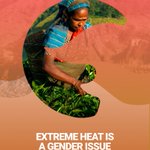
In Asia, women are 60% more likely than men to lack access to cooling during extreme heatwaves. This isn't just weather; it is a gender crisis. From increased risks in pregnancy to lost daily wages for street vendors, the heat is hitting women the hardest. We need urban cooling centers and better labor protections now. Who is looking out for our vulnerable workers this summer? Retweet to spread awareness for climate justice.
#Extremeheat #Womeninclimatechange #Extremeweather #ClimateFrontlines #Climate2026

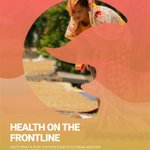
By 2050, climate change could cause 250,000+ deaths annually. But the health crisis isn't in the future—it’s here now. From heat stress robbing 639 billion work hours to mosquito-borne diseases spreading, here’s how our health is on the front line.
climateimpactstracker.com/he…
Heatwaves in Asia are increasing in frequency and intensity. Early heat planning saves lives by providing 24 hour warnings and designated cooling zones. Reactive measures are not enough. We need proactive Heat Action Plans now.
#HeatAwareness #HeatCrisisPlanning #ExtremeHeat #ExtremeWeather #Climate2026

Extreme weather is Asia's most immediate public health crisis.
Tracking shows:
📊 Heatwaves in some regions are now occurring 3X more frequently than in the 1980s.
🏥 Respiratory illnesses spike after flood events, overwhelming localized clinics.
💔 In 2022, Asia saw some of the highest extreme heat-related mortality on record.
#ExtremeHeat #PublicHealth #Heatwaves #ClimateImpacts #ClimateResilience

Climate change isn't just an environmental issue—it's a macroeconomic reality.
📉 10% lower global GDP by 2050 (high-emissions scenario)
💰 $6.9 trillion in disaster losses since 1980 (67% uninsured)
🌡️ 30 extra days of extreme heat for 4 billion people in 2024
The cost of delay is rising. See the data:
climateimpactstracker.com/ec…
Did you know? Each 1°C increase in temperature can raise infant mortality risk by 22.4%.
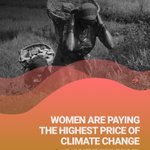
The climate crisis is a health crisis, and women are on the front lines:
🚫 1,000+ health clinics destroyed in Pakistan floods.
🚫 Spikes in preterm births during heatwaves.
🚫 Increased gender-based violence post-disaster.
We need more than "awareness." We need funding for women's health.
Read the full article here: bit.ly/4cyb7w6
#WomensHealth #WomenInClimate #ClimateJustice #ClimateAction #ExtremeWealther


Happy International Women's Day!
To celebrate, we are sharing "A Woman Unbowed," a new comic following Anjali’s journey through the 2025 Cyclone Shakti in the Sundarbans.
#IWD2026 #GivetoGain #InternationalWomensDay #ClimateJustice #WomenInClimate #ClimateResilience


Her story of rebuilding with salt-resistant seeds shows that women aren't just facing the climate crisis, they are leading the adaptation.
Climate justice is a feminist issue. To "Give to Gain" means investing in the resilience of women like Anjali who protect our future.


Adaptation finance for Asia is stagnant while climate impacts are accelerating. We are spending billions on disaster recovery that should have been invested in disaster prevention. The adaptation gap is, in reality, a safety gap for millions of people.
#AdaptionFinance #ClimateImpact #AsiaClimateCrisis #ClimateAction #Climate2026

Climate change isn’t just a weather story, it’s a social one. Heat, hunger, displacement and disrupted schooling are shaping lives and economies every day. Discover how risk is shifting and what protections we need now.
Read our latest article here.
climateimpactstracker.com/so…
Carbon dioxide levels are at their highest point in human history. This is a direct challenge to our respiratory health and overall well-being. Adapting to this reality means more than just cutting emissions. It means building health systems that can handle the surge in climate related conditions. Our ability to breathe freely in the future depends on the actions we take today.
#ClimateHealth #ClimateReality #CleanAirMatters #ClimateAction #ClimateAdaptation #Climate2026

Winter is not what it used to be. Erratic temperature swings are the new normal and the data proves it. We are seeing shorter frost periods and disrupted ecosystems across the globe. This is not just a weird week of weather. It is a fundamental shift in our climate that demands immediate attention. We need to rethink our approach to seasonal resilience now.
#ClimateAwareness #ChangingSeasons #Climate2026 #WinterUnpredictability #ExtremeWeather
The Winter Olympics depend on cold winters, snow, and ice. Climate change is making all three increasingly unreliable.
Studies show many past host cities may no longer be suitable by 2050. Artificial snow is becoming the norm, raising costs and emissions.
Protecting winter sports means acting on climate change now.
Climate risks aren’t distant threats—they’re here, shaping economies, health, and livelihoods. Our latest piece breaks down how rising temperatures, extreme events and cascading impacts demand urgent action.
Read more here.
climateimpactstracker.com/ef…
Asia is warming faster than the global average and currently faces the highest mortality rate per extreme weather event in the world. Recent reports indicate that 114 of the top 200 provinces most at risk of climate damage by 2050 are located in Asia. Despite this massive exposure, the region faces a staggering 83 percent to 93 percent gap in necessary adaptation financing. Urgent mobilization of capital is required to bridge this divide before the predicted escalation of risks post 2030.
Read the article- bit.ly/45U8QHp


Sea level rise in Asia is a health and social emergency.
1. Saltwater intrusion = contaminated drinking water and kidney health risks.
2. Migration = loss of social networks and traditional livelihoods.
3. 95% of coastal residents in some Pacific islands report high anxiety over land loss.
The tide is rising, and so is the human cost.
#ClimateChange #SeaLevelRise #CoastalCommunities #ClimateImpacts
#ClimateJustice #HumanCost #Climate2026
