
[email protected] Par mazliet labāku pasauli. Tehnoloģijas, dati, statistika, fantastika.
LV
Joined November 2009
- Tweets17.4K
- Following1.5K
- Followers403
- Likes4.8K





Pinned Tweet
Visiem, kas metas vainot ļaunos un briesmīgos telefonus Latvijas PISA vērtējumu katastrofā - ieteiktu palasīt pieejamos datus tālāk par virsrakstu (ja kas.. .viena no prasmēm, ko PISA pārbaudīja) (1/n)

neKristīne retweeted

Trying to keep Oracle execution plans the same by disabling stats gathering?
This strategy is VERY likely to fail!
Why?
Many values increase over time
But the optimizer won't see this => poor estimates searching for new values
Nigel Bayliss explains blogs.oracle.com/optimizer/n…
neKristīne retweeted

Already seeing "OpenAI just killed every cybersecurity startup" reactions to Shirudo. Here's what it actually does:
1. It's virtual patching with Codex writing the rules. Codex writes a small "shield": either a BPF program that refuses a vulnerable kernel call, or bytecode injected into the app (the Java4Shell demo hooked Java's Base64 decoder and rejects the input structure known to trigger the bug). Cool and useful, but it's scaling virtual patching, not inventing something new.
2. It's not "autonomous" in the ADR sense. Every shield requires the vulnerability to be known first. ADR baselines library behavior, so it can respond to attacks nobody has catalogued yet. Shirudo is a fast-patch approach, with agents doing the scaling.
3. It's still pre-release, needs a custom-patched kernel and a TPM on every host, and on an enforcing host your other eBPF tools can't load.
4. The docs say it "does not judge what a upatch does." A shield can be signed, verified, and still brick a production app.
5. Function-level virtual patching isn't new (Waratek did it for Java a decade ago). It never went mainstream because CVE volume is huge, writing each patch is expensive, and deployment is risky. AI helps with the writing cost, but someone still has to maintain, test, and stand behind a library of shields.
So "Cisco using Codex to write Tetragon policies for newly disclosed vulns" is a lot closer than "autonomous cyber defense." And unless teams want to maintain their own shield library, most will still consume this through a vendor.
All that to say it's cool and useful technology, but more than a bit overblown at the moment.
Something conveniently ignored.
The data is average from all thermostats.
The closer to Russia, the smaller livingspace per person, the less areas that can be left un/underheated, dragging the average down.
Empty 'investment properties' also stay less heated.


Čím blíž k Rusku, tím víc se topí
Dnes jsem zase v rádiu poslouchal legrační debatu o tom, že topit na 19° je "nelidské" 😃
Podívejme se, na kolik se reálně topí po celé Evropě. 🔥
Nejméně topí Britové (16,7 °C) a Nizozemci (16,9 °C), tedy pod 18 °C, které jako minimum doporučuje WHO. Francie, Itálie a Španělsko mají kolem 18 °C, Německo 19 °C.
Čím víc na východ, tím víc se topí. Maďarsko a Slovensko mají přes 20 °C. Česko podle letošního průzkumu Ipsos 21 °C. Polsko podle staršího průzkumu 22 °C, ruské paneláky podle starší studie přes 21,9 °C.
Takže až vám někdo bude tvrdit, že „normální“ je mít doma jako v tropech, normální to není ani v Česku. Průměrná česká domácnost má 21 °C, což je nad evropským průměrem.
A je to drahý zvyk. Každý stupeň navíc znamená zhruba 7 % energie na topení. Pár stupňů nad průměrem a platíte o pětinu víc.
Proč se na východě tolik topí? Dálkové topení, radiátory bez termostatu a platby podle metrů čtverečních, ne podle spotřeby. Teplota se tam nereguluje kolečkem, ale otevřeným oknem. V Bělehradě to i změřili: byty s dálkovým topením měly o 2,3 °C víc než ostatní.
Ale aby to nebylo tak jednoduché: Skandinávci topí taky kolem 20 °C, jenže mají venku −20 a domy jako termosku. A v nerenovovaných litevských panelácích se naopak spíš mrzne.
Takže než příště otočíte termostatem na maximum, zkuste svetr. Na Západě se topí daleko méně než u nás.
Zdroj: tado° (data z 1 mil. domácností, zima 2025/26), Ipsos 2026, starší studie a průzkumy (PL, RU, RS, LT, EE)
#vytápění #energie #úspory #teplo #Evropa #domácnost #energetika #topení

neKristīne retweeted

A beginner's guide to Flyway Database Schema Migrations
vladmihalcea.com/flyway-data…

neKristīne retweeted

Phrase of the Day: EFFORT SIGNALLING - going to great lengths to let your audience know that your product or content was painstakingly crafted by humans and not AI.
neKristīne retweeted

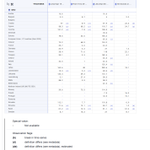
I was curious about this relationship for the rest of Europe. Dataviz is my passion.


neKristīne retweeted

NEW CVSS 10.0 JUST DROPPED ON <the security industry as a whole>
Impact: The entire security industry as a whole is DOS'd and cannot function and is running on caffeine and 0 hours of sleep.
There is no patch.
This one is real bad.
neKristīne retweeted

Var runāt par demogrāfiju uz riņķi, bet tiklīdz publikā parādies ar bērnu, tā čupa zākātāju rullē acis: "nu kā tā var, bērnam jābūt krātiņā, publiski rādīt nedrīkst, izņemot kaut kādas ģimenes dienas izolētā teritorijā"
Ja gribam bērnus, jāpieņem, ka bērni ir daļa no sabiedrības.


Būtu brīnišķīgi!
Un žurnālisti varētu sākt uzdot jautājumus - ja savu nav un neviens rads/draugs nav ar mieru uz dažām stundām uzticēt, kam šāda persona vada valsti?
Parāde godina gatavību sargāt valsti. Bērni ir valsts nākotne.
Atkal jau mums protokols un etiķete stingrāka kā Anglijas karalienei.
Uz sitiena labāka bildīte ar Prinča Luija vēl nepareizāku uzvedību, kad bija jaunāks, neatradās.
Francijas Bastīlijas dienas parādē arī visim gan partneri/es, gan bērni (tik bērnu sejas prese piesedz) ir norma


neKristīne retweeted

Another simple explanation is that an average software update has a low to medium chance of breaking the system. Previously, orgs navigated this by performing extensive testing, then rolling out updates a few systems at a time.
With the severity of some of these security issues being fixed, they can't afford to wait that long. The options are: risk breaking something by rolling out updates too fast, or get hacked and risk lots of things getting broken.
Given that we just had a major vulnerability in PHP, and many organizations run PHP, it's not unexpected that we would see some major companies having software outages. PHP applications are highly version specific. Attempting to update PHP is a very well known cause of software breaking.
Now, combine that with the fact that many orgs are running with less than the minimum viable number of employees. They got overexcited about AI and tripped over their own feet rushing to preemptively lay off double digit percentages of their workforce.
I'm not surprised that there's a ridiculous number of major outages. I'm surprised that there aren't far more. It's amazing some of these companies have managed to hold it together as long as they have. But expect it to only get worse from here on.
neKristīne retweeted

Must must must must must must must must must must must must must must must must must must must must must must must must must must must must must must read if you’re learning harness engineering
teapawt.org/theo/status/2113424203…
teapawt.org/hwchase17/status/20429…
teapawt.org/bytemohit/status/20634…
teapawt.org/bibryam/status/2108946…
teapawt.org/addyosmani/status/2053…

Un tā arī ir labāka kodēšanas pieeja darot to vecmodīgi, ar rociņām.

Like many others, most of my coding today is AI assisted.
Unlike others, I don't just shit out prompts to take me to the next turn, I chop up work into bite sized chunks, make new sessions for those chunks, do what I need to, and then make a new session.
My token costs are < 50% the teammates who have shared theirs with me.
I can imagine I'm < 10% of many of the people in the AI building software bubble.
It's not because I build less, I just don't send LLMs on wild goose chases or pollute future context with past problems. This is why the masses think open models are garbage in 2026 relative to frontier labs' models...they just don't know better.
3
300
neKristīne retweeted

苹果亲手给 Mac 上的 Docker Desktop 判了死刑,顺便把 GitHub 炸出了 51.5k Star 🧵
在 Mac 上跑容器,是所有后端和全栈工程师心中的痛。
你以为你在跑轻量级容器,实际上 Docker Desktop 在后台偷偷给你塞了一个吃掉 8G 内存的巨型 Linux 虚拟机,风扇转得像直升机起飞,企业版每年还得交着昂贵的订阅费。
苹果这次直接掀桌子了:开源了纯 Swift 编写的官方工具 apple/container。
最狠的不是它免费(Apache 2.0 协议),而是它底层硬核到变态的架构设计:
别人是“所有容器挤在一个臃肿的 VM 里”,苹果直接利用 macOS 26 的原生虚拟化框架,做到了 “一个容器,一个独立微型 VM”。
很多人第一反应:一个容器起一个 VM,内存和启动速度不得爆炸?
苹果的解法极其暴力:直接用 Swift 写了个 vminitd 塞进精简版 Linux 内核当初始进程,通过 vsock 走 gRPC 通信,把传统 Linux 启动时乱七八糟的系统服务全砍光了。既有硬件级的绝对安全隔离,又保留了毫秒级的冷启动,连跑 amd64 镜像都原生焊死了 Rosetta 2 硬件级加速。
更骚的是苹果官方给的示例库 container-examples。
他们专门写了个叫 containerization-sandboxy 的官方 Demo,教你用短短几十行代码把 Claude Code 这种 AI Coding Agent 关进独立的微型 VM 里跑,只挂载指定目录、卡死网络白名单。
这算盘珠子都崩我脸上了:当所有人都在狂推 Vibe Coding、让 AI 随便接管本地终端的时候,苹果已经在底层用微型 VM 给本地 AI Agent 焊死安全沙盒了——毕竟谁也不想因为 AI 一句幻觉出来的 rm -rf,把宿主机底裤都赔光。
工具链的终局,往往就是被操作系统原厂直接“收编”。
你的 Mac 上现在用的是 Docker Desktop、OrbStack,还是已经准备切到苹果原生 container 了?👇

neKristīne retweeted

MIT has an entire course on the stuff you should know at your first engineering job
shell, git, debugging, profiling, shipping code
the 2026 version even has agentic coding. all free.
link: missing.csail.mit.edu/

neKristīne retweeted
The other thing that kind of bugs me (pun intended), is the "31% of intrusions are the result of software exploitation" statistic.
It hides two different problems:
Zero-day exploitation - the bad guys find a vulnerability before the good guys, then use it to hack into systems (a problem finding and reporting vulnerabilities reduces).
N-Day exploitation - someone reports a vulnerability, a fix gets published, but then the threat actors rush to use the information from the fix to build an exploit before downstream users get a chance to install the fix (a problem finding and reporting vulnerabilities exacerbates).
Since organizations typically take a long time to install security fixes, N-day exploits are extremely powerful, and also make up the majority of all software exploitation. There's also 100x more people who can create N-days from known vulnerabilities than can find and exploit Zero-days.
The more vulnerabilities found, the more vulnerabilities N-day attackers have to choose from, and the more software fixes that downstream users have to juggle.
Orgs struggle to even install the monthly Windows update within a month of it going live. Now mix in "every single product you use has critical vulnerability fixes every patch cycle so you have to install all 4,000 patches every month". And yeah.... It's pretty bleak.
That's not to say vulnerability research shouldn't be done, isn't important, or isn't a net long term benefit (I feel like I have to say this because half the people on this fucking website have zero capacity for nuance and try to read every post in the most disingenuous way possible).
But since the majority of exploitation is N-day exploitation, and vulnerability research increases N-day exploitation, using exploitation rate as a justification for pouring more resources into find vulnerabilities (but not helping fix or patch them), is just circular reasoning.
Plenty of good arguments for why vulnerability research is important, but "we're showing the attackers more vulnerabilities that they can use, which is leading to them using more vulnerabilities" is not one of them.
Equal effort needs to go into all part of the vulnerability management pipeline for this to work. But currently the effort drops by a factor of 10 from finding bugs to fixing bugs, then another factor of 10 from fixing bugs to ensuring the fixes get installed.
Just reducing the disclosure window and telling everyone "don't worry, I'm sure you'll figure it out" is extremely likely to make the problem worse, not better.
neKristīne retweeted
It's fascinating how AI has just completely erased people's memory of pre-ChatGPT era automations. Not only were most hacking techniques already automated before "AI", many of those automations were actually faster and more effective.
neKristīne retweeted
Super hyped for Microsoft’s next product. Now that they’ve 10x’d every engineer with AI and stopped wasting resources on pointless stuff like keeping the infrastructure that runs 90% of the planet online, I have high expectations. I’m thinking time machine or resurrecting Jesus.
