

Scaling telehealth businesses | 45,000+ patient sign ups | $100m+ rev generated: https://teapawt.org/t.co/tssP87B9TU
Newport Beach, CA
Joined January 2011
- Tweets27.4K
- Following131
- Followers3K
- Likes59.8K








Pinned Tweet
A lot of new faces here lately, so figured it’s time I properly introduce myself.
I’m Daniel.
A few years ago I was in debt, on SSRIs, and seriously thinking about not being here anymore.
My parents had just divorced. Both my brothers were overdosing. A business partner opened credit cards in my name. And I got arrested for a crime I didn’t commit.
The night Big Sean’s Detroit 2 dropped, I decided I was done being a victim. Everything that happened to me from that point on was my responsibility.
I was waiting tables at the time. I wrote a contract with myself:
BUILD A BUSINESS TO $10K/MONTH IN 6 MONTHS!
Read it out loud every single day.
Hit it in 5 months.
Then a med spa client mentioned a word I’d never heard before.
Semaglutide.
That one conversation pulled me into telehealth. Since then:
- 45,000+ patients acquired for clients
- $20M+ in cash pay ad spend managed
- Helped take Eden from $0 to $100M
- Worked with 50+ telehealth brands
What I’ll be posting about:
- How telehealth brands actually acquire patients profitably (not the guru version)
- Why most brands lose half their patients in the first 30 days, and how to stop it
- The white label, tracking, and compliance mistakes that cost founders six figures
- What I’ve learned about discipline, faith, and building something from nothing
So many founders get into telehealth thinking it’s a quick buck.
Let’s change that.

A founder told me last month his plan was to be “the cheapest GLP-1 in the market.”
I asked him one question:
“Who’s your pharmacy partner and how much equity do you own in it?”
He didn’t have one. He didn’t own anything.
The brands winning on price own their supply chain or did an equity deal with a pharmacy.
That’s the only reason they can go that low and still make money.
Match their price and they’ll drop $20 the next morning.
They can afford to.
You simply can’t.
Price is their game.
Pick one you can actually win.
5
646
The patients who left you can quietly take down the emails going to the ones who stayed.
Canceled patients open less. Hit them too hard and inbox providers start treating your whole domain like spam. That includes the refill reminders and side effect emails your active patients actually need.
How I’d handle it:
1. Heavy emails only right after cancellation, while they’re still engaged
2. Drop frequency hard after day 90
3. Switch to plain-text provider notes later, they read like a person reached out
4. Watch open rates and pull back the moment they slide
5. Never blast the full lapsed list with the same promo
A winback flow that wrecks your sender reputation costs you more patients than it brings back.
2
10
246
If your emails hit spam on Black Friday, nothing else you do matters.
Warm up your domain before the sale like this 👇
1. Start now. This takes weeks, not days
2. Send more plain-text emails that read like a person wrote them
3. Ask people to reply (“got questions? just hit reply”)
4. Run little click games or early access sign-ups to get clicks
5. Clean out everyone who hasn’t opened in months
6. Only expand to your full list once engagement is strong
Inbox providers reward emails people interact with.
Give them a reason to trust you before you start sending 3 a day.
2
8
256
I don't like to talk about retention math much.
But my clients keep crushing it with ONE approach that works on literally ANY telehealth brand (even the ones spending $5K/month on ads).
This might piss off every "just optimize your CAC" guru but who cares, right?
Here's the exact blueprint 👇
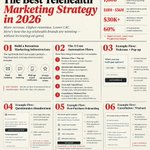
THE BOTTOM LINE:
The telehealth game in 2026 rewards operators who fix the back end before scaling the front end.
→ Pre-frame expectations so retention starts before purchase
→ Build the 8-email sequence that survives the first 30 days
→ Stack 4 moats that make churning feel like a loss
→ Split-path the cancellation flow to recover 30% of quitters
→ Run winback sequences past month 12
→ Launch maintenance protocols for successful patients
The founders doing all 6 will still be here in 2028.
The rest will be case studies of what not to do.
Fix the leak before you scale the spend.
Math doesn't lie.
1
1
50
Want my team to build the entire retention machine for you?
→ 120-day post-purchase onboarding flow
→ 8-path cancellation questionnaire
→ 12-month winback engine
→ Maintenance protocols and cross-sell flows built in
→ Custom CRM segmented by treatment stage
→ Attribution that survives iOS 26 and Andromeda
→ Built by the operators who scaled Eden to $100M
3 ways to work with me:
→ Coaching
→ Consulting
→ Done-for-you (launch ready in 4-6 weeks)
Apply at patientacquisition.io
Or DM me "RETENTION" and let's see if you're ready to stop bleeding patients and start compounding.
46
Studying patient habits has been the highest ROI thing I’ve done in telehealth this year.
While racking through ad creatives and offers did help.
But the lever is in this six letter word…
H A B I T S
What makes someone open an app every morning?
What makes them step on a scale with your logo on it?
What makes them show up to a monthly call?
All of this has led to client churn dropping, LTV going up.
Even clients stopped losing patients to whoever was $20 cheaper.
Learn why people keep buying before spending more to get new customers.
“20% off” and “$35 in your account” can cost you the exact same amount.
Only one of them makes people panic about losing it.
Why account credit beats a discount code:
1. A discount feels optional. Credit feels like money you already have
2. “Expires at midnight” turns it into money you’re about to lose
3. Loss aversion pushes people harder than saving ever does
4. It feels like a VIP perk, not a coupon blast
Don’t have a credit system?
Generate a unique-looking code, tell them it’s their account credit, and send it.
Still works.
4
22
549