

Domain Investor & Brand Strategist | Uncovering hidden gems with sharp instinct. Domain Instinct: Spot the Winner. 🎯
Earth
Joined January 2025
- Tweets332
- Following175
- Followers298
- Likes405



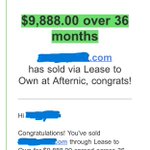


Domain Instinct retweeted

As promised. Let’s take a closer look at .si on SellerHub 🚀
Here's what stood out:
1.
The biggest growth came between Sep 17-23 and Oct 1-7.
Sellers listed .si rapidly. The numbers rocketed to more than 33x the earlier listing count. Domains sold rose to almost 17x.
2.
Oct 8-14 looked stable against the week before, with nearly the same number of .si domains added to SellerHub and a bit fewer sold.
3.
Checkout links currently lead as the source of .si sales, with 49% of completed sales coming through this channel, followed by Spaceship and Namecheap search.
4.
Here's how sellers are pricing their .si domains:
Under $1,000: 6%
$1,000 to $4,999: 21%
$5,000 to $24,999: 28%
$25,000 to $49,999: 10%
$50,000+: 10%
Make Offer or LTO: 25%
5.
And here's how .si sales break down by price:
Under $1,000: 46%
$1,000 to $4,999: 34%
$5,000 to $24,999: 18%
$25,000 to $49,999: 1%
$50,000+: 1%
6.
The most common pricing options are:
Buy It Now + Make an Offer: 32%
Make an Offer: 25%
Buy It Now: 23%
Buy It Now + Make an Offer + LTO: 15%
7.
And for completed sales, Buy It Now leads with 88% of .si purchases.
8.
The top 10 .si sales range from under $20K to $84K, with 4 sales reaching $50K+. The domains are mostly short, memorable dictionary words with clear commercial or tech-related use cases, plus a few broader brandable names.
📊 That's what we're seeing, and we'll keep tracking it. What are your observations on .si so far?

Even my ZeroIntent .com is listed way above Godaddy's estimation :p


Human-in-the-loop won't always mean human-in-control.
As AI systems become more autonomous, the window for human intervention gets smaller.
Intervene before control is lost.
Intervene.si is for sale. DM for details.


Domain Instinct retweeted

What you're seeing is speculation and some brand protection which is valid. You just don't do away with 50 years of a term ingrained into people's vocabulary just because someone says so. In any case, there would still be brand protection coming in any scenario from both sides.
Domain Instinct retweeted

This is the kind of infrastructure I love.
No walled garden. No special integration.
Just an open DNS record any agent can read. Small building blocks like this are how the internet actually changes.

Atom has adopted RFC 10023, the new DNS standard for signaling that a registered domain is for sale.
AI agents and domain tools can now see that an eligible Atom listing is for sale, and where to buy it, straight from DNS. No scraping landers. No setup for sellers.
Rolling out now: atom.com/blog/atom-adopts-rf…

Domain Instinct retweeted

Atom has adopted RFC 10023, the new DNS standard for signaling that a registered domain is for sale.
AI agents and domain tools can now see that an eligible Atom listing is for sale, and where to buy it, straight from DNS. No scraping landers. No setup for sellers.
Rolling out now: atom.com/blog/atom-adopts-rf…
Domain Instinct retweeted

Everyone thinks they have the secret sauce for outbound. In domain sales, the domain does the selling. Your email just gets it in front of the right person.
A paragraph explaining why it’s a great name won’t make someone want it. They see the domain and know instantly whether it interests them. Follow-ups give a missed email another chance or bring a back-burner decision back to the surface. You aren’t going to nag someone into seeing the value.
The “research” mentioned below is finding companies with the money and a reason to use the upgrade, then finding the person who can approve the purchase or has the ear of someone who can. You can find the perfect company and get nowhere because you sent the email to the wrong person. That’s a targeting problem. Getting fancy with the wording won’t fix it.
You’ll read plenty of advice about saying this instead of that. Some of it is fair. “Let’s hop on a call,” “I know you’re busy,” and “game changer” all scream template. Avoiding them is wise, but removing those phrases doesn’t turn a bad prospect into a buyer.
Save your creativity for later. Lead with the great domain and spend your time finding the best end users. When you get the name in front of the right buyer, the conversation moves to the price at which it makes sense.

Domain Instinct retweeted

I am currently running an experiment with a fixed price of $𝟭𝟬,𝟬𝟬𝟬 𝗳𝗼𝗿 𝗲𝗮𝗰𝗵 𝟰𝗟.𝗰𝗼𝗺 𝗱𝗼𝗺𝗮𝗶𝗻 𝗶𝗻𝗰𝗹𝘂𝗱𝗲𝗱 𝗶𝗻 𝘁𝗵𝗲 𝗲𝘅𝗽𝗲𝗿𝗶𝗺𝗲𝗻𝘁, with a 𝟮𝟰-𝗺𝗼𝗻𝘁𝗵 𝗟𝗲𝗮𝘀𝗲 𝘁𝗼 𝗢𝘄𝗻 (𝗟𝗧𝗢) option.
To give myself a clear benchmark for evaluating this experiment, I decided to share my portfolio statistics for 𝗗𝗲𝗰𝗲𝗺𝗯𝗲𝗿 𝟮𝟬𝟮𝟰 𝘁𝗵𝗿𝗼𝘂𝗴𝗵 𝗔𝘂𝗴𝘂𝘀𝘁 𝟮𝟬𝟮𝟲. That is 21 months of results, covering four-letter .com domains.
December 2024 is an important starting point. That was when I fully moved my domain sales to @Afternic and switched my domains to Afternic nameservers.
Before that, I mainly used Dan and Dynadot. I kept my asking prices high because I wanted to collect enough data to understand how those prices would perform across my portfolio. The portfolio was unprofitable during that stage, but accepting those losses while gathering data was a deliberate decision.
By December 2024, I felt I had enough information to conclude that those high prices were not a sustainable approach for the ordinary, random four-letter .com domains in my portfolio. I started pricing more realistically and continued experimenting.
Since I changed both the sales platform and my pricing approach, the results below reflect that combination of changes.
𝗧𝗵𝗲𝗿𝗲 𝗶𝘀 𝗮𝗹𝘀𝗼 𝗮𝗻 𝗶𝗺𝗽𝗼𝗿𝘁𝗮𝗻𝘁 𝗲𝘅𝗰𝗹𝘂𝘀𝗶𝗼𝗻 𝗳𝗿𝗼𝗺 𝘁𝗵𝗶𝘀 𝗮𝗻𝗮𝗹𝘆𝘀𝗶𝘀: 𝗮 𝗴𝗿𝗼𝘂𝗽 𝗼𝗳 𝟮,𝟳𝟲𝟴 𝗱𝗼𝗺𝗮𝗶𝗻𝘀 𝘁𝗵𝗮𝘁 𝗜 𝗮𝗺 𝗰𝘂𝗿𝗿𝗲𝗻𝘁𝗹𝘆 𝘀𝗲𝗹𝗹𝗶𝗻𝗴 𝗼𝗳𝗳 𝗮𝘁 𝗹𝗼𝘄 𝗽𝗿𝗶𝗰𝗲𝘀.
These domains meet both of the following conditions:
• They contain 𝟯 𝗼𝗿 𝟰 𝗹𝗲𝘁𝘁𝗲𝗿𝘀 𝗳𝗿𝗼𝗺 𝗝/𝗤/𝗨/𝗩/𝗪/𝗫/𝗬/𝗭.
• They contain 𝟬 𝗼𝗿 𝟭 𝗹𝗲𝘁𝘁𝗲𝗿𝘀 𝗳𝗿𝗼𝗺 𝗙/𝗚/𝗛/𝗞.
Based on my accumulated sales data, these are the least liquid names in my portfolio: they are the hardest to sell under my approach.
This group did generate a small profit over the reporting period when calculated using the much lower renewal costs I actually paid. However, my data suggests that, with my sales approach, these names would become unprofitable at regular current renewal prices, with any further price increases making the economics worse.
For that reason, I no longer see a good reason to keep them in the portfolio and continue renewing them. I have decided to sell them off at lower prices. They are all already renewed through 𝗺𝗶𝗱-𝟮𝟬𝟮𝟳 𝗼𝗿 𝗹𝗮𝘁𝗲𝗿, which gives me time to work through those sales before their next renewals are due.
𝗧𝗵𝗲 𝗳𝗶𝗴𝘂𝗿𝗲𝘀 𝗯𝗲𝗹𝗼𝘄 𝗲𝘅𝗰𝗹𝘂𝗱𝗲 𝘁𝗵𝗼𝘀𝗲 𝟮,𝟳𝟲𝟴 𝗱𝗼𝗺𝗮𝗶𝗻𝘀. They describe the portfolio I am analyzing separately from that sell-off.
For this analyzed portfolio, 𝗮𝗹𝗹 𝟮𝟭 𝗺𝗼𝗻𝘁𝗵𝘀 𝘄𝗲𝗿𝗲 𝗽𝗿𝗼𝗳𝗶𝘁𝗮𝗯𝗹𝗲, 𝘂𝘀𝗶𝗻𝗴 𝘁𝗵𝗲 𝗿𝗲𝗻𝗲𝘄𝗮𝗹-𝗰𝗼𝘀𝘁 𝗮𝘀𝘀𝘂𝗺𝗽𝘁𝗶𝗼𝗻 𝗲𝘅𝗽𝗹𝗮𝗶𝗻𝗲𝗱 𝗯𝗲𝗹𝗼𝘄.
All amounts are in USD.
𝗗𝗲𝗰𝗲𝗺𝗯𝗲𝗿 𝟮𝟬𝟮𝟰–𝗔𝘂𝗴𝘂𝘀𝘁 𝟮𝟬𝟮𝟲
• Gross domain sales: $𝟳𝟳𝟭,𝟬𝟵𝟮
• Domains sold: 𝟯𝟱𝟯
• Average sale price: $𝟮,𝟭𝟴𝟰.𝟰𝟬
• Profit using standardized renewal costs: $𝟮𝟯𝟳,𝟲𝟯𝟬
• Profitable months: 𝟮𝟭 𝗼𝘂𝘁 𝗼𝗳 𝟮𝟭
• Domains held at the end of the period, within this analysis: 𝟮𝟬,𝟲𝟳𝟭
On a monthly basis, that works out to approximately $𝟯𝟲,𝟳𝟭𝟵 𝗶𝗻 𝗴𝗿𝗼𝘀𝘀 𝘀𝗮𝗹𝗲𝘀, $𝟭𝟭,𝟯𝟭𝟲 𝗶𝗻 𝗽𝗿𝗼𝗳𝗶𝘁, 𝗮𝗻𝗱 𝟭𝟲.𝟴 𝗱𝗼𝗺𝗮𝗶𝗻𝘀 𝘀𝗼𝗹𝗱.
To make these results useful, I want to be clear about how profit is calculated. I deduct fees, the original acquisition cost of the domains sold, and domain renewal costs from sales revenue.
𝗙𝗼𝗿 𝘀𝗶𝗺𝗽𝗹𝗶𝗰𝗶𝘁𝘆 𝗮𝗻𝗱 𝗰𝗼𝗻𝘀𝗶𝘀𝘁𝗲𝗻𝗰𝘆, 𝗜 𝗰𝗮𝗹𝗰𝘂𝗹𝗮𝘁𝗲 𝗿𝗲𝗻𝗲𝘄𝗮𝗹𝘀 𝗮𝘁 𝗮 𝗳𝗶𝘅𝗲𝗱 𝗽𝗿𝗶𝗰𝗲 𝗼𝗳 $𝟭𝟬.𝟭𝟴 𝗽𝗲𝗿 𝗱𝗼𝗺𝗮𝗶𝗻 𝗽𝗲𝗿 𝘆𝗲𝗮𝗿 𝘁𝗵𝗿𝗼𝘂𝗴𝗵𝗼𝘂𝘁 𝘁𝗵𝗲 𝗿𝗲𝗽𝗼𝗿𝘁.
In reality, these domains were renewed at much lower prices in 2024 and 2025 because I transferred them to 𝗦𝗽𝗮𝗰𝗲𝘀𝗵𝗶𝗽 and took advantage of a substantial discount. The renewal figures in this report therefore exceed what I actually paid for those years.
I use $10.18 as my current market-price benchmark to show how profitable the portfolio can be at a regular renewal price, without moving domains between registrars to keep taking advantage of promotional discounts. This also gives me a consistent basis for comparing different periods and pricing experiments.
Over these 21 months, the expenses used in the calculation were approximately:
• $𝟭𝟭𝟭,𝟭𝟴𝟬 𝗶𝗻 𝗳𝗲𝗲𝘀
• $𝟵𝟭,𝟰𝟵𝟱 𝗶𝗻 𝗮𝗰𝗾𝘂𝗶𝘀𝗶𝘁𝗶𝗼𝗻 𝗰𝗼𝘀𝘁𝘀 𝗳𝗼𝗿 𝘁𝗵𝗲 𝗱𝗼𝗺𝗮𝗶𝗻𝘀 𝘀𝗼𝗹𝗱
• $𝟯𝟯𝟬,𝟳𝟴𝟲 𝗶𝗻 𝗿𝗲𝗻𝗲𝘄𝗮𝗹𝘀, 𝗰𝗮𝗹𝗰𝘂𝗹𝗮𝘁𝗲𝗱 𝗮𝘁 𝘁𝗵𝗲 𝗳𝗶𝘅𝗲𝗱 $𝟭𝟬.𝟭𝟴 𝗿𝗮𝘁𝗲
After those deductions, profit was $𝟮𝟯𝟳,𝟲𝟯𝟬, or approximately 𝟯𝟬.𝟴% 𝗼𝗳 𝗴𝗿𝗼𝘀𝘀 𝘀𝗮𝗹𝗲𝘀 𝗿𝗲𝘃𝗲𝗻𝘂𝗲. This is a profit margin, not a return on the total amount invested in the portfolio. The lower renewal prices I actually paid in 2024 and 2025 would make the profit higher than the figure shown here.
At the standardized rate, renewals were the largest expense, accounting for almost 𝟰𝟯% 𝗼𝗳 𝗴𝗿𝗼𝘀𝘀 𝘀𝗮𝗹𝗲𝘀 𝗿𝗲𝘃𝗲𝗻𝘂𝗲. That is a major part of the economics of holding a large domain portfolio. Sales need to cover the ongoing cost of keeping the inventory, including the many domains that do not sell during a given year.
This is also why the decision to sell off the less liquid group matters. A group of domains can show a small historical profit thanks to discounted renewals while still being unattractive to hold at the renewal prices I expect to pay going forward.
Monthly results varied considerably. Using the same renewal-cost assumption, profit ranged from approximately $𝟮,𝟰𝟬𝟬 𝗶𝗻 𝗙𝗲𝗯𝗿𝘂𝗮𝗿𝘆 𝟮𝟬𝟮𝟱 to $𝟮𝟭,𝟱𝟬𝟬 𝗶𝗻 𝗙𝗲𝗯𝗿𝘂𝗮𝗿𝘆 𝟮𝟬𝟮𝟲. Other strong months included April 2025 at around $20,600 and August 2026 at around $21,000.
For me, the most encouraging result is the consistency: even the weakest month remained profitable under this calculation. The analyzed portfolio showed a profit every month without needing the discounted renewal prices to achieve that result.
Sales volume also moved around, ranging from 𝟵 𝘁𝗼 𝟮𝟱 𝗱𝗼𝗺𝗮𝗶𝗻𝘀 𝗽𝗲𝗿 𝗺𝗼𝗻𝘁𝗵. A month with more sales did not necessarily produce more profit. The prices achieved and the expenses in that month both affected the final result.
The sale-price charts show another useful pattern: 𝗺𝗼𝗻𝘁𝗵𝗹𝘆 𝗮𝘃𝗲𝗿𝗮𝗴𝗲 𝗮𝗻𝗱 𝗺𝗲𝗱𝗶𝗮𝗻 𝘀𝗮𝗹𝗲 𝗽𝗿𝗶𝗰𝗲𝘀 𝘄𝗲𝗿𝗲 𝗴𝗲𝗻𝗲𝗿𝗮𝗹𝗹𝘆 𝗵𝗶𝗴𝗵𝗲𝗿 𝗶𝗻 𝟮𝟬𝟮𝟲 𝘁𝗵𝗮𝗻 𝗶𝗻 𝗲𝗮𝗿𝗹𝘆 𝟮𝟬𝟮𝟱, although there were fluctuations along the way.
Across the entire period, the average sale price was $𝟮,𝟭𝟴𝟰.𝟰𝟬. This is calculated by dividing total sales revenue by the 353 domains sold. It gives me a useful historical reference for the current pricing experiment.
The portfolio covered by this analysis also grew during the period. I purchased 𝟱,𝟰𝟬𝟵 𝗱𝗼𝗺𝗮𝗶𝗻𝘀, sold 𝟯𝟱𝟯, and finished August 2026 holding 𝟮𝟬,𝟲𝟳𝟭 𝗳𝗼𝘂𝗿-𝗹𝗲𝘁𝘁𝗲𝗿 .𝗰𝗼𝗺 𝗱𝗼𝗺𝗮𝗶𝗻𝘀.
That changing portfolio size matters when comparing results. The number of sales alone does not show how efficiently the inventory is selling. I also need to look at the sell-through rate: the percentage of the portfolio sold over time.
The chart shows monthly sell-through rates equivalent to roughly 𝟬.𝟲% 𝘁𝗼 𝟭.𝟴% 𝗽𝗲𝗿 𝘆𝗲𝗮𝗿. Monthly ROI figures, expressed at an annual rate, ranged from below 1% to just over 6%. These figures describe each individual month at a yearly pace; they are not the actual returns for the full 21-month period.
This brings me back to the $𝟭𝟬,𝟬𝟬𝟬 𝗳𝗶𝘅𝗲𝗱-𝗽𝗿𝗶𝗰𝗲 𝗲𝘅𝗽𝗲𝗿𝗶𝗺𝗲𝗻𝘁 𝘄𝗶𝘁𝗵 𝟮𝟰-𝗺𝗼𝗻𝘁𝗵 𝗟𝗧𝗢.
The asking price is substantially above my historical average sale price. Offering payment over 24 months may change how buyers respond, but the effect on the portfolio needs to be measured.
I want to see what happens to sales volume, sell-through rate, revenue, and profit under this setup. With LTO, I will also need to consider payments received and how many agreements reach completion.
These 21 months give me a concrete benchmark: 𝟯𝟱𝟯 𝗱𝗼𝗺𝗮𝗶𝗻𝘀 𝘀𝗼𝗹𝗱, 𝗮𝗻 𝗮𝘃𝗲𝗿𝗮𝗴𝗲 𝘀𝗮𝗹𝗲 𝗽𝗿𝗶𝗰𝗲 𝗼𝗳 $𝟮,𝟭𝟴𝟰.𝟰𝟬, 𝗮𝗻𝗱 $𝟮𝟯𝟳,𝟲𝟯𝟬 𝗶𝗻 𝗽𝗿𝗼𝗳𝗶𝘁 𝘂𝘀𝗶𝗻𝗴 𝗮 𝗳𝗶𝘅𝗲𝗱 $𝟭𝟬.𝟭𝟴 𝗮𝗻𝗻𝘂𝗮𝗹 𝗿𝗲𝗻𝗲𝘄𝗮𝗹 𝗰𝗼𝘀𝘁, 𝘄𝗶𝘁𝗵 𝗲𝘃𝗲𝗿𝘆 𝗺𝗼𝗻𝘁𝗵 𝗽𝗿𝗼𝗳𝗶𝘁𝗮𝗯𝗹𝗲.
I will use that history to evaluate whether the $10,000 price and 24-month LTO option improve the portfolio’s overall performance over time.
You can find all charts with the data in the comments under this post.
Domain Instinct retweeted

In domaining, delayed gratification should not be saying no now to wait for a bigger sale
It should be saying yes so that you can replace the asset with a better chance of a Bigger sales
A Domain with an offer doesn't have a better chance of selling for 10X the current offer than another domain that can be replaced with said offer
That is simply the nature of the business due to the closed nature of the business resulting in existing discrepancy in wholesale and retail


Domain Instinct retweeted
Two weeks ago, we published DomainAttest.org, an open spec for domain ownership verification.
Today, @Porkbun became the first registrar after Atom to implement it.
Domains at Porkbun and Atom can now be verified in one click. No TXT records. No propagation delays. No nameserver changes.
Two registrars in two weeks. Every registrar that follows moves instant verification closer to becoming the norm, not the exception.
#UnstoppableDomainsIs or having issues? “TLD is undergoing maintenance” on .com domains for over 16 hours now. Anyone else affected? @unstoppableweb @mattgould
! ✅ Issue resolved! Logged out and logged back in and the “TLD undergoing maintenance” error is gone on its own. Thanks @unstoppableweb @mattgould #UnstoppableDomains
If it helps, Interoperable .co at Dynadot auction

Looking for premium one-word .CO domains on behalf of a client
Budget: Negotiable
Drop your domain name and asking price in the comments below👇
#domain #DomainNames #DomainSales #DomainNameForSale #domainnameforsale


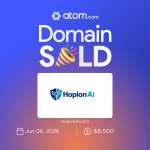
Sold HoplonAI .com for $8,500! HT 6 mos. HR for $5 during a .com promo at UD. Thanks @unstoppableweb for the promotion that allowed me to test ideas I might not have pursued otherwise. Thanks @atomHQ team for a smooth transaction. Thanks #DomainCommunity for all the insights.
