

@drhungo
🇦🇺Account based in
About this account
- Account based in
- Australia
- Connected via
- Australia App Store
Account-level information from X, not a live location or the device used for a specific post.
Primary Care Physician | Educator | ASCVD, 🫀Failure, Diabetes | Addicted to 🏃♂️ 🏏 &🏌🏼♂️ Follows Jesus, loves family, tweets≠medical advice @RACGP
New South Wales
Joined September 2015
- Tweets2K
- Following225
- Followers3.1K
- Likes1.2K




Pinned Tweet
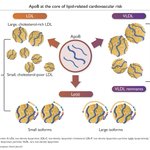
The LDL Cumulative Exposure Hypothesis
The longer your arteries are exposed to high LDL-C, the ⬆️ the risk of atherosclerosis. 📈
🔬 Early & sustained LDL lowering = lifelong CV benefit.
🔗 nature.com/articles/s41569-0…
#CardioTwitter #MedTwitter #FOAMed #MedED @ACCinTouch @escardio @atheroaussie @society_eas

Dr Rob 🫀🩺 🇦🇺 retweeted

Lp(a)HORIZON is negative. Does this mean the Lp(a) hypothesis is wrong? I don’t think we can conclude that — at least not yet.
Before seeing the full data, several explanations deserve consideration:
1. Background therapy matters.
In contemporary secondary prevention, aggressive LDL-C/ApoB lowering and comprehensive risk-factor control may substantially reduce the residual risk attributable to Lp(a)
2. Perhaps we are treating too late.
Genetics reflects lifelong exposure to elevated Lp(a). Lowering Lp(a) for a few years after ASCVD is already established may simply be too little, too late
3. Magnitude and duration of Lp(a) lowering may matter.
Not all Lp(a)-lowering strategies are equivalent. We need the achieved absolute levels, sustained reduction, adherence, and exposure over time before extrapolating HORIZON to the entire therapeutic class
4. The benefit may lie in the extreme tail.
Perhaps the clinically modifiable risk is concentrated among patients with very high Lp(a). The prespecified analyses at higher baseline Lp(a) levels will be particularly important
5. Lp(a) concentration may not tell the whole biological story.
OxPL burden, apo(a) isoform size, and particle composition may influence pathogenicity. Two patients with the same Lp(a) concentration may not necessarily carry the same Lp(a)-mediated risk
6. Could the endpoint dilute the signal?
Lp(a) may preferentially affect coronary and recurrent events. Individual MI/revascularization and total-event analyses may tell a different story than first 4-point MACE.
7. Genetics may predict causality better than therapeutic effect size.
Mendelian randomization reflects decades of exposure. It should not automatically be translated into the magnitude of benefit expected from a relatively short pharmacological intervention
8. Are we targeting Lp(a), but not necessarily its most pathogenic cargo?
Lp(a) is the major carrier of oxidized phospholipids (OxPL), which contribute to vascular inflammation, plaque vulnerability and thrombogenicity. Lp(a) concentration may therefore be an imperfect surrogate for its biological activity. The relationship between Lp(a) lowering, OxPL reduction and clinical benefit deserves particular attention
9. Could intensive antiplatelet therapy attenuate the atherothrombotic component of Lp(a) risk?
Lp(a) may promote thrombosis through platelet activation, coagulation and formation of more lysis-resistant clots. OxPL can also interact with platelet receptors. In a secondary-prevention population such as HORIZON, where aspirin and other antiplatelet therapies are extensively used, part of this pathway may already be pharmacologically suppressed — potentially leaving less Lp(a)-mediated risk for pelacarsen to modify
10. Low event rates may be part of the answer.
Despite enrolling 8,323 high-risk secondary-prevention patients, HORIZON required a remarkably long follow-up to accrue the prespecified number of events. This suggests that contemporary secondary prevention substantially reduced the absolute residual risk available for Lp(a) lowering to modify. Nuestro análisis previo ya señalaba que la menor tasa de eventos era una de las principales amenazas para el estudio
11. Was HORIZON powered for a larger effect than the true pharmacological effect?
An event-driven design protects statistical power if the required number of events is reached — but only for the effect size assumed in the design. If short-term pharmacological Lp(a) lowering produces a much smaller benefit than predicted from lifelong genetic exposure, even a trial of >8,000 patients may struggle to demonstrate it
12. The long time required to reach the endpoint may itself be biologically informative.
These were patients with established ASCVD and very high Lp(a), yet events accumulated more slowly than anticipated. Perhaps elevated Lp(a) identifies substantial lifetime risk, but contributes less modifiable short-term residual risk once other major pathways are aggressively treated.
13. Six years is a long time for background therapy to evolve.
During prolonged follow-up, increasing use of PCSK9 inhibitors, ezetimibe, bempedoic acid, inclisiran, SGLT2 inhibitors and GLP-1 receptor agonists — together with improved BP and antithrombotic management — may have progressively reduced event rates in both groups. These potential therapeutic “drop-ins” were already a concern before the results were known
14. First events may not capture the entire Lp(a) burden.
Lp(a) could influence recurrent coronary events and total atherosclerotic burden more strongly than time-to-first MACE. Analyses of total/recurrent events will therefore be particularly important
15. The “risk-factor exhaustion” hypothesis.
With LDL-C around 65 mg/dL, intensive lipid-lowering therapy, antiplatelet treatment, good BP control and contemporary diabetes therapy, multiple atherogenic and thrombotic pathways were already being targeted. HORIZON may therefore have tested Lp(a) lowering in a setting where relatively little modifiable residual risk remained. The published baseline characteristics already showed how intensively treated this population was
16. Perhaps the effect of Lp(a) depends on the surrounding biological environment.
The clinical consequences of Lp(a) may result from the interaction of apoB particle burden + OxPL-mediated inflammation + thrombosis/impaired fibrinolysis. With LDL/ApoB aggressively lowered and most patients receiving antiplatelet therapy, two important components of that environment may already have been attenuated.
Maybe the key question is not simply whether Lp(a) is causal, but WHEN, in WHOM, and HOW MUCH it needs to be lowered to change clinical outcomes.
Until we see the full HORIZON dataset, declaring the Lp(a) hypothesis dead seems premature.
#Lp(a) #LipoproteinA #ASCVD #Cardiology #Atherosclerosis #Horizontes
novartis.com/news/media-rele…

Not what we were hoping for…
But why you do RCTs
globenewswire.com/news-relea…

Dr Rob 🫀🩺 🇦🇺 retweeted

🫀 Statins for primary prevention: 4 RCTs, 3 decades
AFCAPS→JUPITER→HOPE-3→STAREE
📉 24–44% ↓ major CV events
Even at baseline LDL (108 mg/dL)
No heterogeneity across subgroups in RRR
🟰 Safety ≈ placebo, few exceptions
⚖️ Benefits ≫ risks
💊 cost $30/year

Dr Rob 🫀🩺 🇦🇺 retweeted

🚨 10 striking conclusions from ESC 2026
1. HFmrEF is essentially gone.
ESC now defines HFrEF as LVEF <50% and HFpEF as ≥50%.
2. MRAs have broken the EF barrier.
Mineralocorticoid receptor antagonists now have a Class I recommendation in chronic HF irrespective of LVEF. Semaglutide/tirzepatide receive Class IIa recommendations for HFpEF with obesity.
3. SINGLE-AF: anticoagulation may start earlier than we thought.
In AF patients at intermediate stroke risk, DOAC therapy reduced adverse clinical outcomes by 69% versus no anticoagulation.
4. Severe TR is no longer just “give diuretics and watch.”
TRIC-I-HF: transcatheter tricuspid repair reduced HF hospitalisation and all-cause mortality compared with medical therapy alone.
5. Unexplained syncope deserves early prolonged ECG monitoring.
ASPIRED: immediate 14-day monitoring did not prevent recurrent syncope, but substantially improved arrhythmia diagnosis/treatment and was associated with lower mortality.
6. Intermediate–high-risk PE may be entering the catheter era.
PRAGUE-26: catheter-directed thrombolysis improved short-term clinical outcomes versus anticoagulation alone, without an obvious major bleeding penalty.
7. Cardiac arrest + no STEMI ≠ automatic immediate cath lab.
DISCO: immediate angiography after OHCA without ST elevation did not improve 30-day survival.
8. Being ≥70 is not a reason to abandon primary-prevention statins.
STAREE: atorvastatin reduced major cardiovascular events by about 30% in older adults without known CVD, although disability-free survival was unchanged.
9. AF ablation has a surprisingly large placebo component for symptoms.
PVI-SHAM-AF: ablation reduced AF recurrence, yet improvement in AF-related quality of life was not significantly greater than sham treatment.
10. Even the definition of MI has changed.
The 5th Universal Definition of MI replaces the traditional numbered framework with primary MI, secondary MI and procedure-related MI, while incorporating sex-specific troponin thresholds and greater use of imaging.
🔥 The one-line ESC 2026 message:
Treat HF across the EF spectrum, anticoagulate selected AF patients earlier, intervene on TR, monitor syncope sooner—and stop rushing every post-arrest patient without STEMI to the cath lab.
Dr Rob 🫀🩺 🇦🇺 retweeted

#CorCal #ESCCongress #CVPrev
🫀5,772 primary prevention pts (52% women) → CAC-guided vs PCE-guided statin therapy
➡️At 4.2 yrs: MACE 2.7% vs 2.7% HR 0.99 (95% CI 0.71–1.38)- no diff
➡️Noninferiority NOT met due to low event rates but CAC recommended fewer statins with better adherence: 62% CAC 🆚23% PCE
So, Risk Scores 🆚 #CAC? What’s the best choice?
Dr Rob 🫀🩺 🇦🇺 retweeted

Statins can reduce dementia risk by up to 15%, long-term study suggests:
theguardian.com/society/2026…
The findings were presented at the 2026 congress of the European Society of Cardiology (ESC), and simultaneously published in the Lancet Reg Health Eur:
thelancet.com/journals/lanep…

Dr Rob 🫀🩺 🇦🇺 retweeted

A-CLOSE trial: For high ischemic risk patients 12 months after DES implantation, clopidogrel monotherapy was non-inferior to extended DAPT for net adverse clinical events at 2 years, with reduced bleeding but increased ischemic risk. Download slides here: clinicaltrialresults.org/wp-…


Dr Rob 🫀🩺 🇦🇺 retweeted
☝️Atherosclerosis starts earlier than we think
👉New data from the REACT study, published in NEJM, provide a striking picture of silent atherosclerosis across adult life:
1️⃣ 16,808 adults, aged 18–70 years, without known ASCVD.
2️⃣ Multimodal imaging included 3D carotid and femoral ultrasound plus coronary CT angiography.
3️⃣ Silent atherosclerosis was present in 57.1% of participants.
4️⃣ Even at 18–29 years, plaque was already present in 8.7% of men and 6.7% of women.
5️⃣ By age 30–39, prevalence reached 34.6% in men and 21.3% in women.
6️⃣Atherosclerosis appeared 5–10 years earlier in men, while women showed a later but steeper rise in midlife.
7️⃣ In younger adults, disease was usually peripheral and single-territory, especially carotid; with age, plaque burden increased exponentially and disease became increasingly multiterritorial.
8️⃣ ☝️Importantly, CAC = 0 did not exclude coronary plaque: among 30–39-year-olds with coronary atherosclerosis, ~42% of men and ~48% of women had zero coronary calcium
9️⃣ SCORE2 showed major discordance with actual disease burden: high SCORE2 had only 1.9% sensitivity for silent atherosclerosis.
☝️Key message: low short-term cardiovascular risk does not mean absence of atherosclerosis.
👉Risk scores estimate events. Imaging detects disease. REACT reminds us that prevention should begin long before cardiovascular risk becomes “high.”
🔗 nejm.org/doi/full/10.1056/NE…
@society_eas


Dr Rob 🫀🩺 🇦🇺 retweeted
🫀 #STAREE at #ESCCongress
Do statins benefit healthy adults ≥70 years? Yes!
Atorvastatin 40 mg vs placebo, ~6 years.
❤️ Major CV events: 10.9 vs 15.5/1,000 person-years
HR 0.70 (95% CI 0.61–0.82) ✅
🧠 Disability-free survival (death, dementia or persistent disability): 21.6 vs 23.0/1,000 person-years
HR 0.94 (0.84–1.05) ❌
Takeaway: In older adults without established CVD, statin therapy produced a substantial 30% relative reduction in major CV events, but did not significantly prolong disability-free survival.
📄 @NEJM
nejm.org/doi/abs/10.1056/NEJ…
#Statins #Prevention #CardioTwitter

🚨Triglycerides are the canary in the coal mine
🚦 They signal underlying metabolic dysfunction & increased exposure to apoB-containing lipoproteins 👉🏼 the true drivers of progressive ASCVD
🗺️ We’ve distilled the latest evidence into one practical clinical roadmap for everyday practice 👍🏼
🧵 1/3
@ACCinTouch @escardio @ESC_Journals @EAS_Society @American_Heart @JACCJournals @EuropeanHeartJ
#CardioX #CardioTwitter #Lipidology #PreventiveCardiology #MedTwitter #FOAMed #MEDed

Key takeaways 🤔
✅ Look for & correct secondary causes
✅ Prioritise lifestyle interventions 🥗🏃🍻
✅ Treat to apoB/non-HDL-C based on CV risk category
✅ Statins remain first-line 💊
✅ Reserve fibrates mainly for pancreatitis prevention 🔥
@DLBHATTMD @DrMarthaGulati @ErinMichos @CMichaelGibson @DBelardoMD @ProfKausikRay @drpablocorral @Drlipid @SABOURETCardio @ajnelson
🧵 2/3
Dr Rob 🫀🩺 🇦🇺 retweeted
👉 We spend decades arguing about how low to push LDL-C
👆 Almost no one asks the obvious question:
🤔 How much LDL-C did our ancestors actually have?
The evidence exists — five independent lines, all converging on the same uncomfortable answer.
1️⃣ The term newborn. Before any dietary or metabolic influence, a healthy neonate arrives with LDL-C of ~30–50 mg/dL. That is the LDLR operating without environmental interference. Everything that rises after birth is acquired.
2️⃣ The Tsimane (Kaplan et al., Lancet 2017) — forager-horticulturalists of the Bolivian Amazon — have a LDL-C between 70 to 90 mg/dL and the lowest prevalence of coronary atherosclerosis ever recorded in any human population. Five times less than the U.S. in adults over 75. And their LDL is rising as roads and processed food arrive.
3️⃣ PCSK9 loss-of-function variants. African American carriers of nonsense mutations (Y142X/C679X, ~2% frequency): −28% LDL-C and −88% CHD risk over 15 years (Cohen et al., NEJM 2006). Homozygous LOF carriers live with LDL-C of ~15–30 mg/dL. Perfectly healthy. Nature already ran the trial.
4️⃣ Evolutionary genetics. Recent positive selection signals exist on gain-of-function PCSK9 variants that raise LDL-C — likely adaptive in food-scarce ancestral environments. Modern hypercholesterolemia is not "normal." It is an ancestral survival advantage turned pathological by evolutionary mismatch.
5️⃣ Great apes in natural habitat: ~40–70 mg/dL LDL-C. Same genome. Different environment.
👆 Bonus — Lp(a). The KIV-2 repeat expansion that raises Lp(a) is a derived, recent variant. Low-Lp(a) alleles are ancestral. Elevated Lp(a) is a textbook antagonistic pleiotropy signal — possibly protective against bleeding early in life, atherogenic over decades
📍The convergent estimate: ancestral LDL-C was ~30–70 mg/dL.
📍An LDL-C of 130 mg/dL is not "normal." It is normal for a Western society in evolutionary mismatch. Targets of <55 mg/dL in high-risk patients — which still feel aggressive to many clinicians — are, ironically, closer to the ancestral phenotype than what we call "normal LDL" in daily practice.
🤔 The question is not "is it safe to lower LDL this much?"
The question is: why did we let it rise this high?
@society_eas
@nationallipid

Dr Rob 🫀🩺 🇦🇺 retweeted
HOST-EXAM trial 10-year results: Clopidogrel monotherapy is superior to aspirin for chronic maintenance after PCI, significantly reducing both thrombotic and bleeding events. #ACC26 View slides here: clinicaltrialresults.org/wp-…


Dr Rob 🫀🩺 🇦🇺 retweeted
PCSK9 inhibitors transformed secondary prevention—
but what about primary prevention?
#VESALIUS-CV evaluates evolocumab in patients without established ASCVD.
Could this expand who we treat—and when?
➡️ Key results: evolocumab⤵️ CV events in this high risk primary prevention study!
56% 💃🏻
92% White
#ACC26 #Lipids #CvPrev @JAMACardio
📎 jamanetwork.com/journals/jam…


Dr Rob 🫀🩺 🇦🇺 retweeted
MOMENTUM study revealed high prevalence of hypercortisolism & hyperaldosteronism in U.S. resistant HTN patients, suggesting the importance of screening for both. #ACC26 View Slides Here: clinicaltrialresults.org/wp-…


Dr Rob 🫀🩺 🇦🇺 retweeted
🇪🇺ESC/EAS (2025) vs 🇺🇲ACC/AHA (2026):
👉 Where They Differ—and Where They Converge
1️⃣ Risk stratification
2️⃣ Definition of very high risk
3️⃣ Role of coronary artery calcium (CAC)
4️⃣ Non-statin add-on therapy
5️⃣ LDL-C treatment goals
@society_eas
@escardio
@LipidJournal
@ATHjournal
@ACCinTouch
@American_Heart

Dr Rob 🫀🩺 🇦🇺 retweeted
🤔“Statins add 4 days”
❌No
💔They prevent heart attacks for decades
👉ASCOT-Legacy, 20-year follow-up
• ↓ MI + fatal CHD: 19%
• ↓ Total coronary events: 12%
• ↓ CV mortality: 14%
👆And the lower the achieved LDL during the trial, the lower the long-term risk:
Every 1 mmol/L LDL reduction →
31% less MI/CHD
34% less CV death
👉The original RCT lasted 3.3 years
👉The benefit persisted 20 years
📍That’s not “4 days”
📍That’s altering the natural history of atherosclerosis
📍If you truncate survival curves at 4 years, you’ll measure days
📍If you follow patients for decades, you’ll measure prevented infarctions and lives saved
🔗Open Access heart.bmj.com/content/111/16…
@society_eas
@mmamas1973
@DrMarthaGulati
@Drlipid
@ethanjweiss
@purviparwani
@BarteltLab


Dr Rob 🫀🩺 🇦🇺 retweeted
👉 Lipid-Lowering Therapy and Cognition: Evidence vs Myth
1️⃣ Elevated LDL-C remains the leading modifiable risk factor for cardiovascular disease and a major contributor to global mortality.
2️⃣ Concerns about cognitive adverse effects of lipid-lowering therapies (LLTs), particularly statins, are largely driven by early case reports rather than robust clinical evidence.
3️⃣ Observational studies and randomized trials consistently show no significant association between statin use and cognitive decline, with some data suggesting potential protective effects against dementia.
4️⃣ Major randomized trials (HPS, PROSPER, HOPE-3) found no difference in cognitive outcomes between statin-treated and placebo groups.
5️⃣ PCSK9 inhibitors (evolocumab, alirocumab) demonstrate neurocognitive safety, even with very low LDL-C levels and long-term exposure.
6️⃣ Ezetimibe and bempedoic acid show neutral neurocognitive profiles, with emerging signals of possible neuroprotective effects.
📍 Current data support a clear conclusion:
👆 Lowering LDL-C improves cardiovascular outcomes without meaningful cognitive harm.
👆 The real knowledge gap is not safety, but understanding whether lipid-lowering therapies might also confer long-term neuroprotection.
📍 Take-home message:
Fear of cognitive decline should not justify therapeutic inertia. The price of untreated LDL-C is cardiovascular disease—not cognitive impairment.
🔗 link.springer.com/article/10…

Dr Rob 🫀🩺 🇦🇺 retweeted

Presented at #AHA25:
In a meta-analysis of 17,801 patients with myocardial infarction and preserved LVEF (≥50%), beta-blockers did not reduce death, MI, or heart failure over a median 3.6 years of follow-up. Full results: nej.md/43U5Ppo
@AHAScience

ALT Kaplan–Meier curves of the cumulative incidence of death from any cause, myocardial infarction, or heart failure (the composite primary end point).