

Part museum. Part library. Part business school. Energyphile uses our energy past to spark discussion about our energy present and future. By Peter Tertzakian.
Joined November 2016
- Tweets592
- Following502
- Followers957
- Likes486









What are the three conditions required for a successful #energytransition? Watch @PTertzakian’s keynote at this year’s @EnergyDisruptor event 👉 energyphile.org/transition-n…
#EnergyTwitter

At the turn of the century, electric vehicles outsold gas-powered cars. What happened? An interesting look at the history of #EVs, the conditions that have changed since their introduction and where they sit now on the adoption S-curve.
Watch the video: dw.com/en/the-century-long-r…

Sometimes, hijacking an existing technology’s infrastructure can hasten an energy transition, as with this electric gas valve from the late 1800s. See how it was used to convert gas lighting to electric: philespace.energyphile.org/v…

ALT Front and back view of an electric gas valve from the 1890s
But sometimes it’s too expensive to make sense.
dw.com/en/is-it-worth-conver…
#energytransition #energytwitter
In @PTertzakian’s keynote at this year’s @EnergyDisruptor event, he looks to the 1990s to reveal the conditions that must be met on our journey to net zero now. Watch his rallying cry for our energy future here 👉 energyphile.org/transition-n…
#energytwitter #energytransition
From horse-drawn buggies to gas-powered vehicles — the step change in mobility was stunning. For a company to pivot from old world to new, a mindset change is as critical as the technology shifts. “Reinventing the Wheel” looks at one company’s success: energyphile.org/reinventing-…
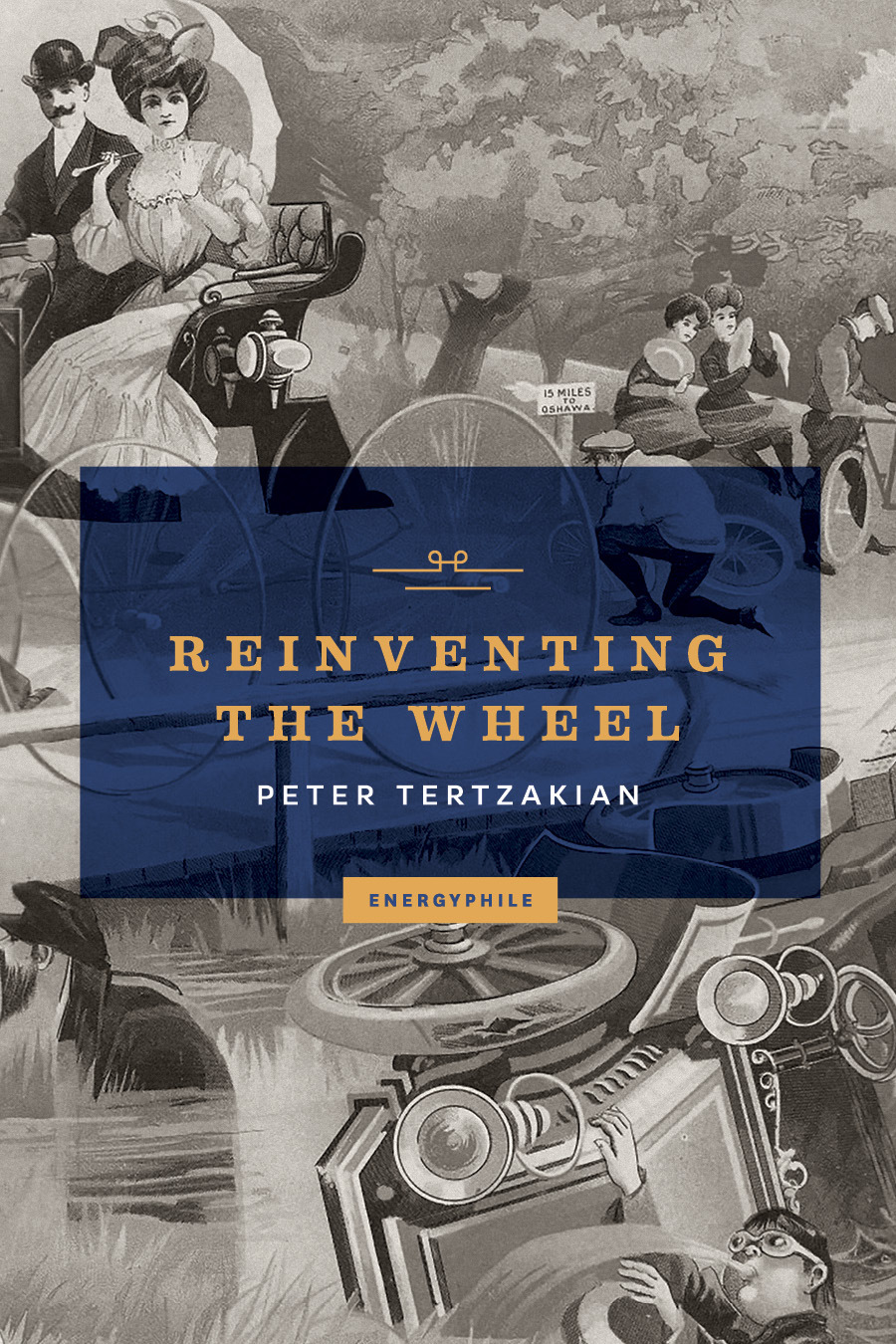
ALT Cover for Reinventing the Wheel.
Electrifying transportation is tricky business. This @CNN article provides a great example — from a convenience store’s POV. Spotty EV uptake is cited as one of the challenges. Yet if the infrastructure isn’t there … It’s the old “which comes first?” cnn.com/2022/10/18/business/…
For more on the “chicken or egg” conundrum of EV infrastructure, check out this vignette: philespace.energyphile.org/v…
#energytwitter
What happens when the energy a nation depends on is abruptly threatened?
Innovation.
From policy changes to energy-saving windows to solar panels on public buildings, the Arab oil embargo prompted advances in tech, architecture and policy in the US. bit.ly/3TOWYhU
Adoption of a new technology depends on cost, quality and how well it satisfies a human need. The Model T nailed all three, and adoption was swift. EVs are having a tougher time displacing gas-powered vehicles because many of us already have our transportation needs met.
However, adoption of EVs appears to have reached its tipping point. Policy is helping. Biden’s $2.8B in grants for mineral production and manufacturing is an example.
“The Great Aha” explores some variables that inform transitions to new technologies: energyphile.org/the-great-ah…
Like the jump from horse-drawn carriages to gas-powered vehicles, the world is facing a new transition in transportation — to #electricvehicles. But this transition isn’t quite the no-brainer that last one was. Find out why in “The Great Aha”: energyphile.org/the-great-ah…
It took 25 years for Edison’s electrical grid to reach 5% of US households — that was the tipping point. What are the tipping points for #cleantech today? Thanks to research from @business we can identify tipping points for 10 #cleanenergy technologies.
ow.ly/JFW650LjFtE
Last week, @BillGates published his annual memo on the journey to zero emissions, including why the energy transition is so hard. His message highlights how the six primary forces of change must be at work if we’re to see an energy evolution. Read it here: ow.ly/ukzg50Lizmv
Wondering about those forces of change? They’re the six main drivers — and deterrents — of energy transitions. See what they are: energyphile.org/blog-forces/
#energytwitter #energyevolution #energytransition
Across NA and Europe, localized efforts to electrify commercial and public transportation are afoot, like Amazon’s investment. But commercial transport makes up ~43% of the whole sector’s #GHG emissions — wide-scale adoption is required. What will it take?
ow.ly/sr7L50LgRk2


Conservation isn’t a new thing — as this vignette shows — but when it creates personal discomfort, adoption becomes more challenging. We need governmental policy to support affordable and secure energy.” ~ @PTertzakian #PetersPickoftheWeek
#energytwitter
philespace.energyphile.org/v…
In the face of the European energy crisis, we’re seeing a regressive #energy transition with the return to coal. While electric blankets aren’t “regressive,” they are a cheap way to stay warm. What alternatives would you adopt? ow.ly/PW5c50L9rFp

In Britain, people are stocking up on long underwear and other cozy clothing as a means to stave off high energy prices. Onesies are finally enjoying a use beyond novelty Christmas gifts! reuters.com/world/uk/britons…