

botanist and evolutionary biologist, professor at Yale University
- Tweets641
- Following379
- Followers1.8K
- Likes629


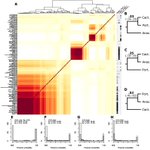



ALT The surge in experimental studies on crassulacean acid metabolism (CAM) and recent molecular systematics advancements prompt a re-evaluation of CAM's phylogenetic distribution. This comprehensive survey reveals CAM evidence in 370 plant genera across 38 families, representing nearly 7% of all vascular plants. The findings suggest a minimum of 66 independent origins of CAM, underscoring its widespread occurrence and evolutionary significance. The study emphasizes the need for systematic surveys in unexplored lineages, especially in living material, to uncover low-level CAM activity and advance our understanding of this crucial physiological pathway.

ALT CAM photosynthesis likely evolved in response to declining atmospheric CO2 over the past 30 million years, enhancing water use efficiency. Strong CAM repeatedly emerged under reduced CO2 conditions, contrasting weaker CAM, which may pre-date low CO2. Experimental evidence suggests that high CO2 reduces the advantage of strong CAM, making its evolution less likely and confined to extreme environments during low CO2 periods.

ALT The debate on CAM (Crassulacean Acid Metabolism) evolution often contrasts smooth continua with discrete steps, hindering understanding. This essay suggests a nuanced perspective, arguing for a continuum of quantitative traits with identifiable, discrete phenotypes. Embracing distinct phases in CAM evolution is vital for addressing knowledge gaps, especially concerning the establishment of rudimentary CAM cycles and the integration of accessory CAM cycles in C3+CAM plants. Exploring the behavior of C3 plants under stress may unveil critical connections to CAM evolution.


ALT Purslane thriving in a gas station parking lot, Massachusetts.

