






Kye retweeted

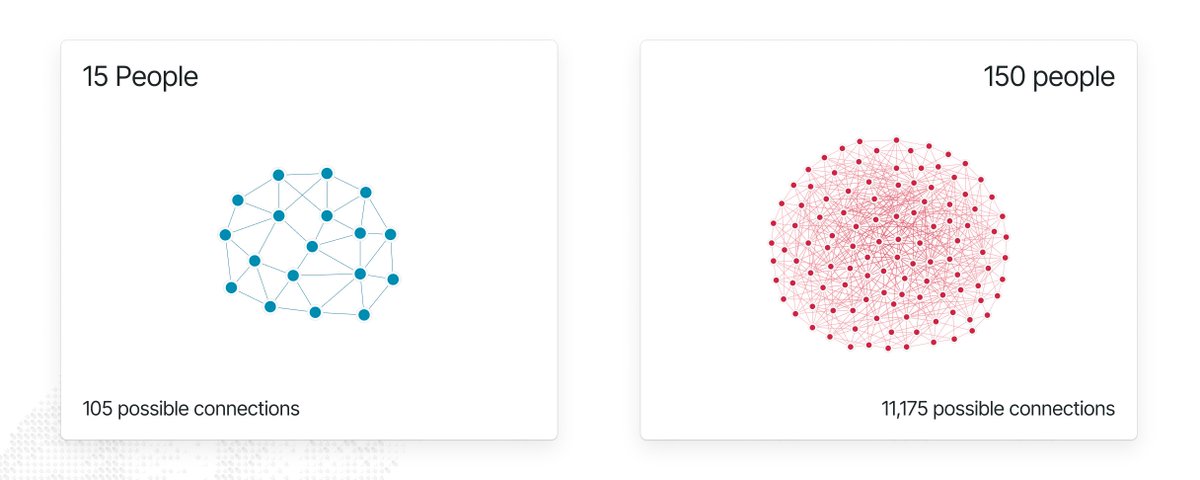
Communication is painful for every organization, and there's even a numerical threshold where it immediately starts to break down. Whether you call it a knowledge base, a company brain, or a wiki, you should build a knowledge loop to kill the pain.




on the bus in SF. only 10-20% of people bother to pay at all. regardless of socioeconomic status!
guy working on a macbook pro in the back? didn't tap.
woman in an arcteryx jacket? didn't tap.
dude wearing a tech co sweatshirt and different tech co backpack? didn't tap.
it took me a second or two to catch the issues, but there are at least 3 blatant ones


/btw in claude code is incredibly helpful when working on unfamiliar domains. i can let claude run wild and simultaneously ask really in-depth questions with full context. fantastic idea, i hope it makes it to all the harnesses soon.

turns out you don't even need to work at an AI lab to get these unhinged emails
"Formal proof: P vs NP, Navier-Stokes and Riemann Hypothesis"

Kye retweeted
Full self-driving mode is finally here 🏎 🦅
Introducing Falconer Update: automatic updates for your docs.
Toggle it on to auto-update. When a PR merges, Falconer reads the diff, keeps the docs in sync, and pings you in Slack.
Just keep shipping. The docs will keep up.
software engineers have a lot more free time, now that agents can write the code. but what will they do with all that time?
so far, it's been pretty tame. build more, build faster, scroll twitter while the agent works
but for some, I think this will be hugely freeing. and I'm excited to see what that brings us
i wrote a small post about this: kyeb.com/posts/a-mass-decath…
i've just been calling this the hedonic treadmill. anyone have a better term yet?

it only cost ~$200 in Opus tokens to migrate Falconer's entire infrastructure from Terraform to Pulumi today
granted, we're a 1-year-old startup, but still. ~6k lines of real terraform code. self-validated by making sure `pulumi preview` is clean.
if you give opus the tools to verify its outputs, its unstoppable


Kye retweeted

big supporter of memories not being locked up in provider silos. we've been through this spiel in all the past hype cycles.

The new Anthropic managed agents API is basically the Letta API that we've had since a year ago, but closed source and with provider lock-in. They even have read-only memory blocks and memory block sharing -- something which was unique to the Letta agents for a long time.
Funny enough, we actually don't think this is the direction agents are going to go. Having API interfaces for memory blocks and tools is certainly convenient - you can spin up stateful agents as API services with just a few lines of code. But its also limiting: LLMs today are extremely adept at computer-use, and representing their memories in this way limits the action space of agents and their ability to learn.
It's important to remember that just because something comes out of a frontier lab, doesn't mean its the "right" answer long-term. The Letta API ~1 year ago was somewhat of an antipattern in a sea of agent framework libraries offered by every lab. But now, stateful agent APIs are becoming the new norm - especially as providers try to lock in memory/state into their platforms to increase switching costs (which is exactly why we believe memory should live outside of model providers)
If you want to see what the future is going to look like, follow @Letta_AI

