





DIABETICS, JUST REMEMBER THIS:
Podiatric Physicians = decreased major amputations!
Get your feet examined by a podiatric physician today!

Did you know? Falls are the leading cause of injury and fifth leading cause of death among older Americans. See a Podiatric physician today for an evaluation!
Skin Cancers of the Feet: Skin cancer can develop anywhere on the body, including in the lower extremities. Most skin cancers of the feet are painless, and often there is a history of recurrent cracking, bleeding, or ulceration.
Don't be a statistic, see your podiatric physician.

One quarter of your body's bones are in your feet. So 25% of your entire body is cared for by our Podiatric Physicians. Have you had your annual foot exam?

Feet hurt? That’s NOT normal. See a Podiatric physician who can help. Need a referral? See OHFAMA.org TODAY.
Want to prevent foot blisters and have a physical barrier between your foot and your sweaty shoe Petri dish? Wear socks!!
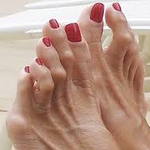
Hammer Toes: A hammer toe is a contracture, or bending, of the toe at the first joint of the digit, called the proximal interphalangeal joint. This bending causes the toe to appear like an upside- down V when looked at from the side. #FootHealthAwarenessMonth

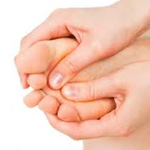
Neuromas: A neuroma is a painful condition, also referred to as a “pinched nerve” or a nerve tumor. It is a benign growth of nerve tissue frequently found between the third and fourth toes. #FootHealthAwarenessMonth

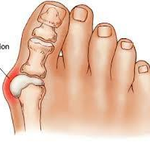
Bunions: A bunion is an enlargement of the joint at the base of the big toe that forms when the bone or tissue at the big toe joint moves out of place. If you suspect you have a bunion, find a podiatrist! #FootHealthAwarenessMonth

Skin Cancers of the Feet: Most skin cancers of the feet are painless. Often there is a history of recurrent cracking, bleeding, or ulceration. When in doubt, ALWAYS see your podiatric physician. #FootHealthAwarenessMonth
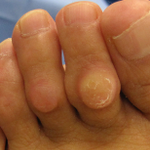
Corns and Calluses: Corns and calluses are areas of thickened skin that develop to protect that area from irritation. They are usually caused by rubbing or excess pressure against part of the foot. #FootHealthAwarenessMonth

Heel Pain; The heel bone is the largest of the 26 bones in the human foot. Like all bones, it is subject to outside influences that can affect its integrity and cause heel pain. #FootHealthAwarenessMonth

How Does My Podiatrist #OperateLikeaDPM? Today's Podiatrist is specially trained to find the treatment that's best for you! What types of conditions may need surgery? #FootHealthAwarenessMonth

How to Choose the Right Shoe for You: Keeping your feet comfortable is as easy as 1-2-3! #FootHealthAwarenessMonth
Haglund's Deformity: Haglund's Deformity is a bony enlargement of the back of the heel bone. Sometimes it's called “pump bump” because the deformity often occurs in women who wears pumps. #FootHealthAwarenessMonth

Sweaty Feet: Did you know that the number one complaint of Generation X, Millennials, and Generation Z is sweaty feet? Learn more about how you can solve this pesky problem. #FootHealthAwarenessMonth
Diabetic Wound Care: A diabetic foot ulcer is an open sore or wound that occurs in approximately 15 percent of patients with diabetes and is commonly located on the bottom of the foot. #FootHealthAwarenessMonth

Sprains, Strains, and Fractures: The feet and ankles work together to provide support and mobility to the body. A foot or ankle sprain is a soft tissue injury. A fracture is a break in the bone. #FootHealthAwarenessMonth